
Archaeologists say this long-lost settlement reveals how an ancient civilization once thrived before the ocean claimed it.
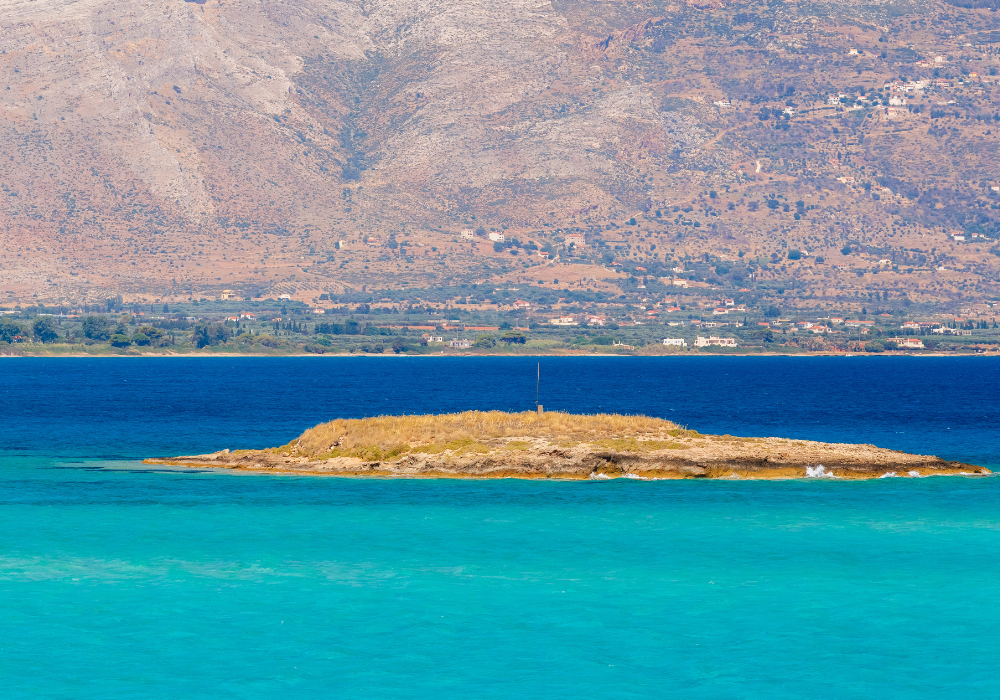
For thousands of years, the ancient city of Pavlopetri lay hidden just below the waves off the coast of southern Greece. Believed to date back to around 3000 BCE, this Bronze Age port is considered the world’s oldest known submerged city. Archaeologists have uncovered streets, buildings, and even courtyards preserved beneath the sea, offering a rare glimpse into daily life more than 5,000 years ago. Once a bustling hub of trade and culture, Pavlopetri now stands as a haunting reminder of how easily civilizations can be lost to nature’s power.
1. Pavlopetri Is the World’s Oldest Known Submerged City

Pavlopetri, located off the coast of southern Greece, dates back nearly 5,000 years. Archaeologists believe it was first settled around 3000 BCE and flourished during the Bronze Age. Its age makes it the earliest known example of a planned submerged city anywhere in the world.
Unlike myths of Atlantis, Pavlopetri is a real place that can be studied directly. The site has revealed stone foundations, streets, and even evidence of complex city planning. Its existence proves that ancient civilizations built highly organized communities long before many people imagine.
2. The City Was a Thriving Bronze Age Port
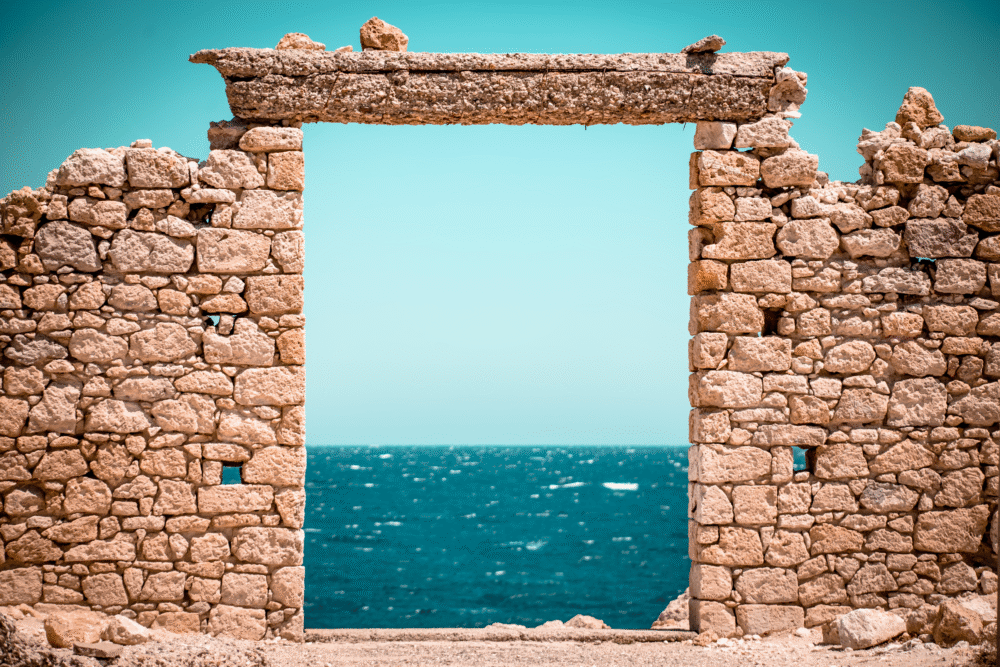
Pavlopetri’s location made it an ideal hub for trade in the Aegean Sea. Archaeologists believe it connected mainland Greece with Crete and other key centers of the Bronze Age. Goods like pottery, textiles, and metalwork likely moved through its harbor.
The discovery of storage rooms and workshops supports the idea of Pavlopetri as a bustling commercial port. Far from being a small fishing village, it was a thriving community linked to the wider Mediterranean economy. Its prosperity shows how connected ancient societies really were.
3. Streets and Buildings Still Lie Preserved Underwater
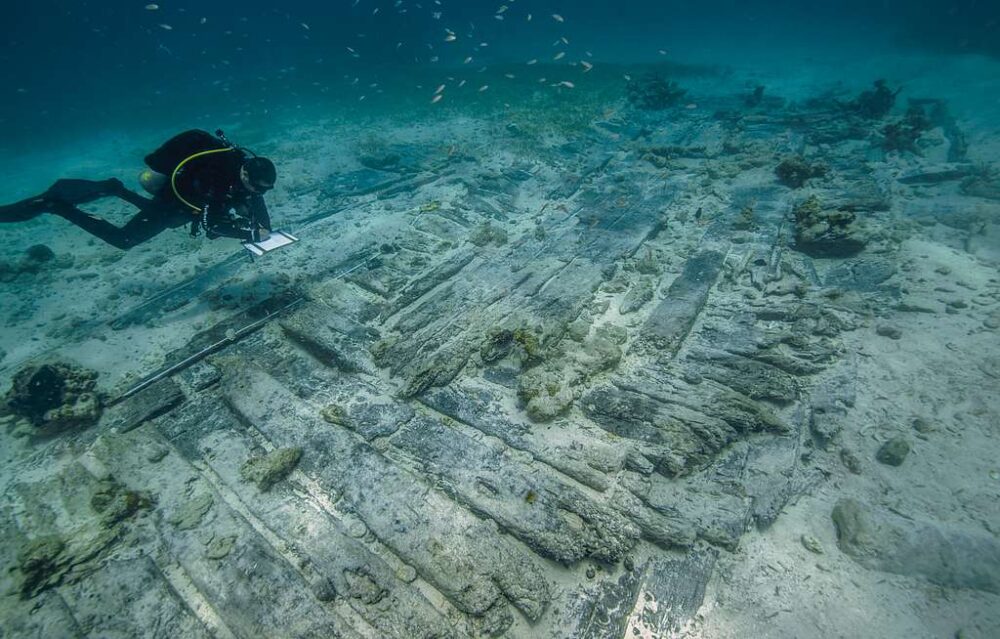
Divers and researchers have mapped an entire street grid at Pavlopetri. The city includes main avenues, side roads, and foundations of multi-room houses. Some structures even appear to have had two stories.
This level of preservation is rare for a site of its age. Because the city was submerged rather than destroyed on land, its layout has remained intact. The discovery gives archaeologists an almost frozen-in-time snapshot of an ancient Greek community.
4. Evidence Suggests Organized City Planning
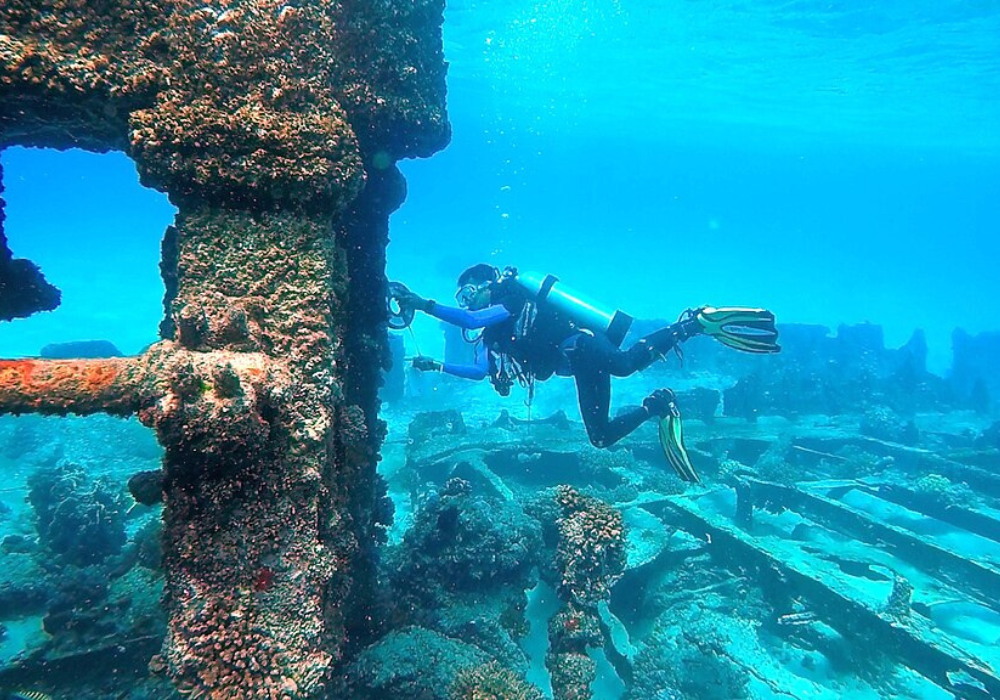
Unlike scattered villages, Pavlopetri was carefully designed. Archaeologists have found evidence of courtyards, storage rooms, and communal spaces. The grid-like arrangement of streets indicates forethought and planning rather than random construction.
This discovery challenges the notion that city planning was limited to later classical periods. Pavlopetri shows that even in the early Bronze Age, people organized settlements in ways that supported both commerce and community life. It highlights a sophistication often overlooked in discussions of early civilizations.
5. Rising Seas and Earthquakes Likely Submerged Pavlopetri

Researchers believe a combination of natural events caused Pavlopetri to sink. Rising sea levels, coastal erosion, and repeated earthquakes likely pushed the city underwater around 1000 BCE.
The region sits on seismic fault lines, which made it vulnerable to land shifts. Over time, these events swallowed the city and left it hidden just a few meters below the surface. The story of Pavlopetri is a reminder of how fragile human settlements can be in the face of nature’s power.
6. Archaeologists First Identified the Site in 1967
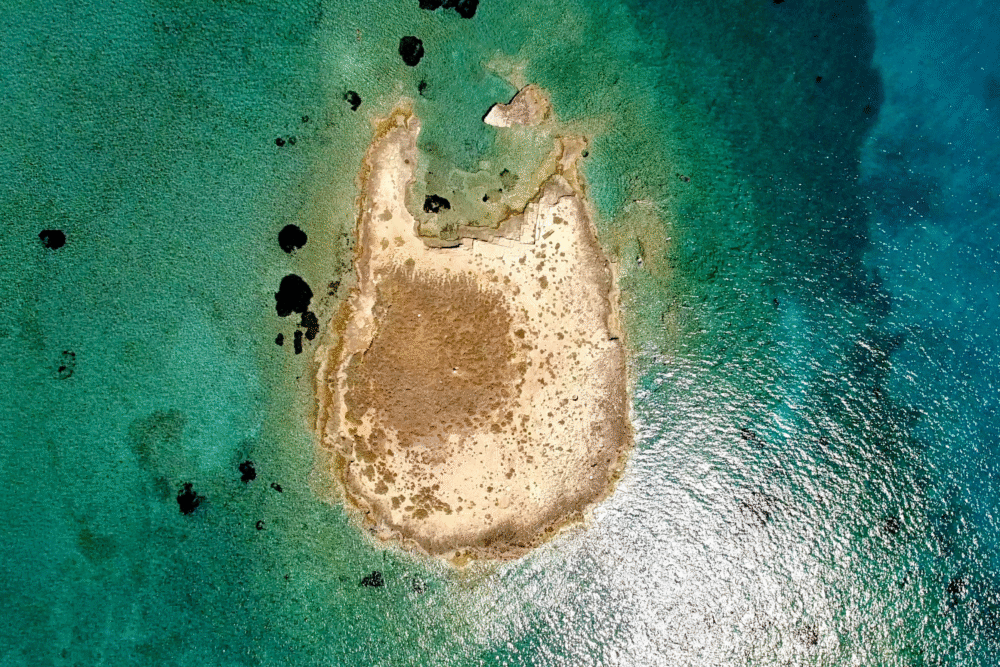
Although locals had long known about ruins under the water, it wasn’t until 1967 that archaeologist Nicholas Flemming formally identified Pavlopetri. His surveys revealed the extent of the site, sparking international interest.
Later excavations and modern technology confirmed its extraordinary age and importance. Since then, Pavlopetri has become a benchmark for underwater archaeology. What started as a local curiosity is now recognized as a site of global historical significance.
7. Modern Technology Is Unlocking Pavlopetri’s Secrets
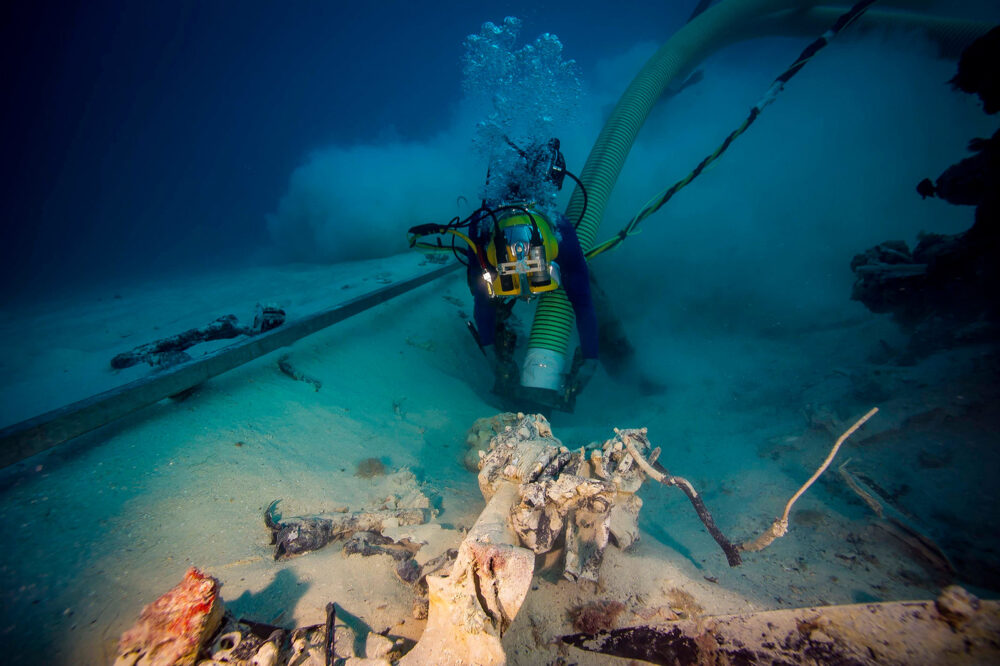
Advances in underwater archaeology have transformed what researchers can learn from Pavlopetri. Tools like sonar scanning, 3D mapping, and underwater drones have created detailed images of the city’s layout.
These methods allow scientists to study the site without damaging it. They’ve revealed everything from building dimensions to harbor structures once used for trade. Each new discovery helps paint a clearer picture of daily life in one of the earliest port cities on Earth.
8. Pottery and Artifacts Tell Stories of Daily Life
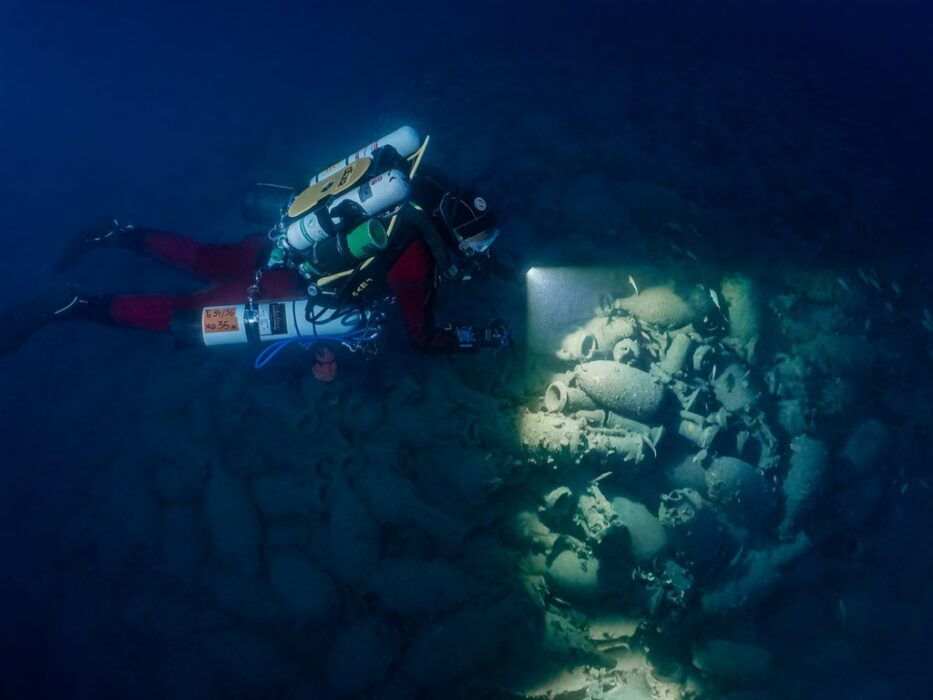
Archaeologists have uncovered pottery shards, stone tools, and other artifacts at Pavlopetri. Many of these items are linked to cooking, storage, and trade, providing insights into everyday activities.
The styles of pottery also help date the site to different phases of the Bronze Age. These objects connect the lost city to wider Aegean culture, showing that its people shared in regional traditions while also contributing to Mediterranean trade networks.
9. Pavlopetri Was Larger Than Many Expected
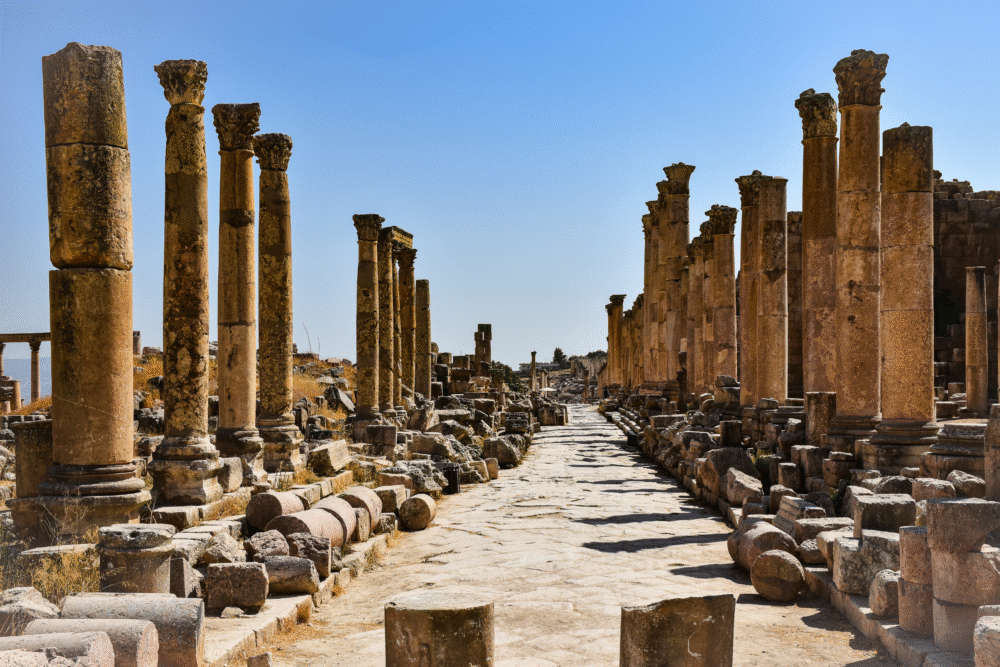
Initial surveys suggested Pavlopetri was a small settlement. But more recent mapping revealed a city covering nearly 20 acres—much larger than first believed. Its size indicates a population in the hundreds, if not more.
This scale further supports the idea of Pavlopetri as a major port. It wasn’t simply a fishing community but a bustling hub of trade, industry, and daily life. The size of the city demonstrates its importance in the broader Bronze Age world.
10. The Site Faces Threats From Modern Activity

Despite its historical value, Pavlopetri is at risk from human activity. Boat anchors, pollution, and coastal development threaten to damage the fragile remains. Rising sea levels driven by modern climate change add another layer of concern.
Archaeologists and UNESCO have called for stronger protections. Pavlopetri’s significance makes it an irreplaceable link to the past, and preserving it is essential for future generations to study and understand ancient civilizations.
11. Pavlopetri Offers Lessons About Fragile Civilizations
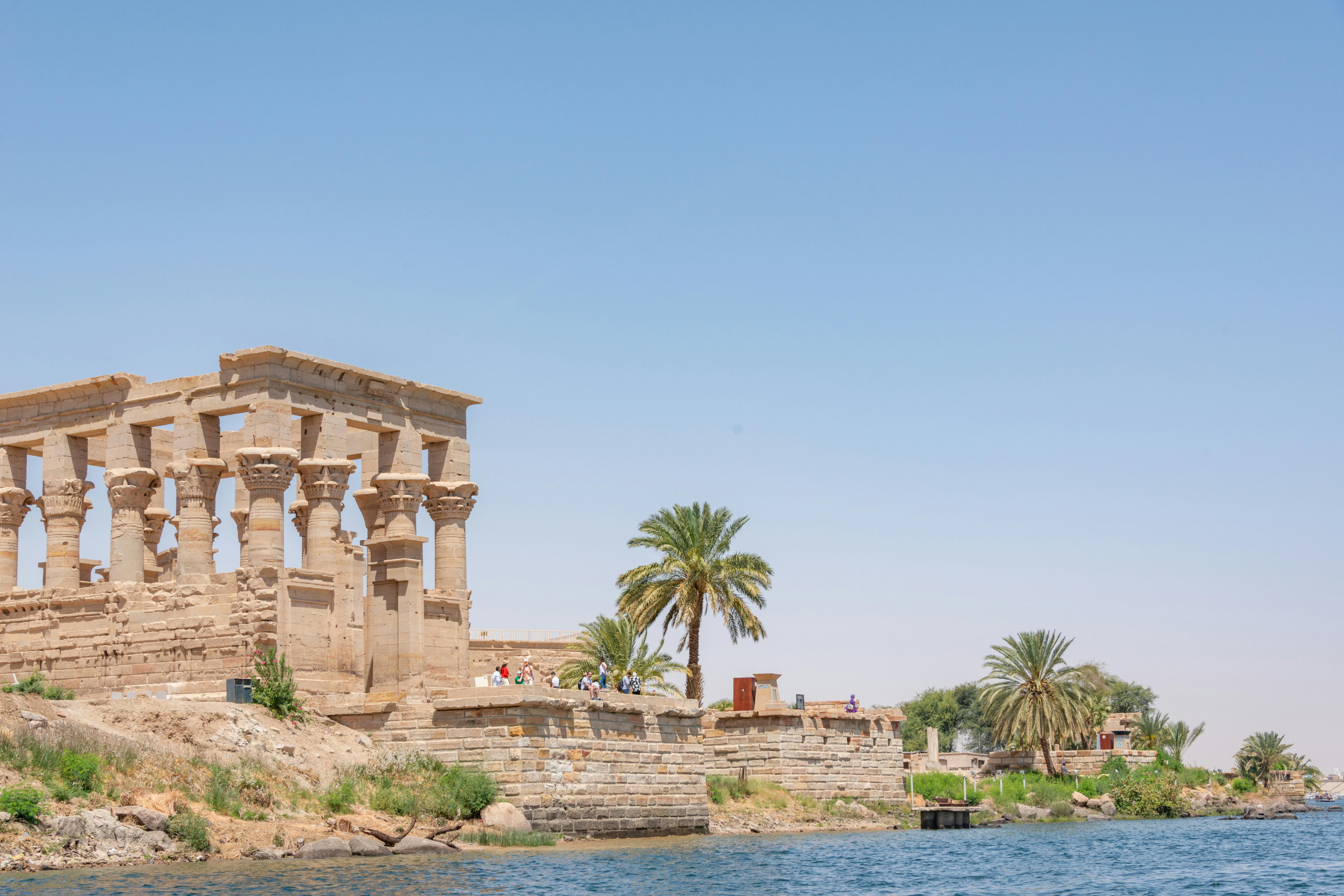
The story of Pavlopetri is more than a tale of ruins—it’s a warning. An advanced community was swallowed by rising seas and shifting earth, leaving behind only traces for archaeologists to find thousands of years later.
Today, coastal cities around the world face similar threats from climate change and natural disasters. Pavlopetri’s fate highlights the vulnerability of even the most organized societies. By studying its history, we are reminded that human achievements are never immune to the forces of nature.