
The boomers got comfortable, and now we’re paying the price.

The Baby Boomer generation had it all—economic growth, technological advancements, and a booming consumer culture. The world seemed like a playground full of opportunities, and they took full advantage of it. However, the rapid progress they enjoyed came at the expense of the environment. The convenient, easy choices they made—like driving gas-guzzling cars, relying on disposable products, and embracing mass consumption—were considered normal at the time. Unfortunately, no one was talking about the long-term consequences, and those costs are now squarely on our shoulders.
Fast forward to today, and we’re left facing the environmental fallout of their decisions. Climate change, pollution, and dwindling resources are just some of the challenges we now struggle with. While they lived their best lives, we’re left to clean up the mess. These are the sacrifices they made for convenience—and now, we’re the ones paying the price.
1. Cheap energy was the party—now we’re stuck with the hangover.
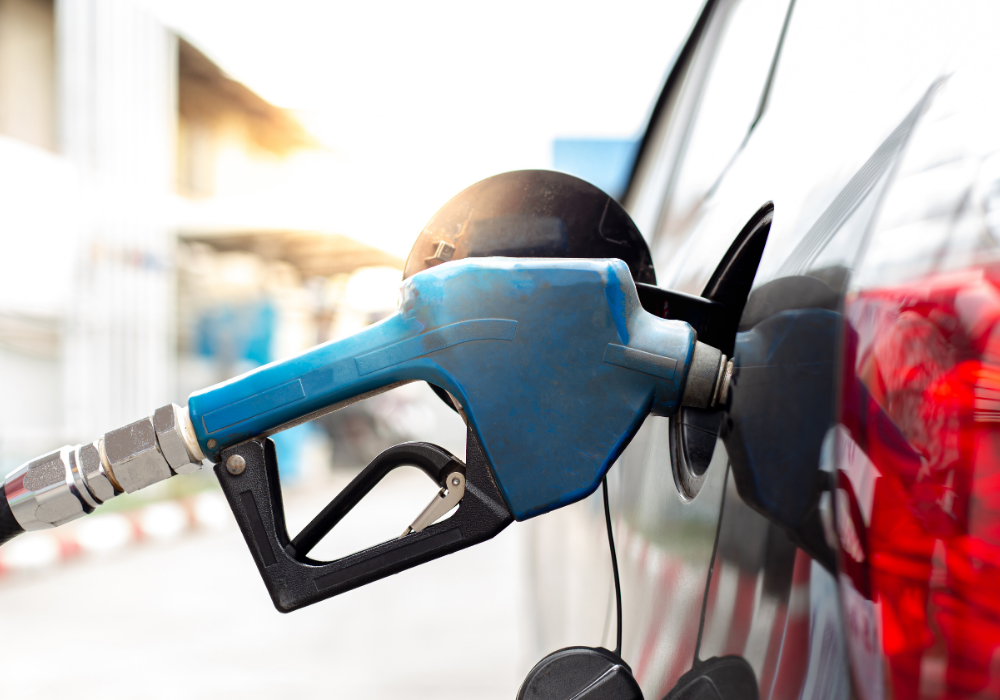
During the Boomers’ heyday, energy was cheap, and the mindset was simple: use as much as you want, whenever you want. Crank up the heat in the winter, blast the AC in the summer, and never think twice about it. Why should you worry when fossil fuels seemed endless? Easy, inexpensive energy led to a boom in consumer goods, factories, and daily life, all fueled by abundant oil and coal.
Our planet’s resources are running low, and the environmental cost of years of excessive energy use is catching up. Gloria Dickie for Reuters reports that greenhouse gas emissions reached a record high in 2023, underscoring the need to reduce reliance on fossil fuels. Transitioning to renewable energy sources is more critical than ever, but the damage done will take time to reverse. What was once a convenience is now a significant hurdle in the race to protect the planet.
2. Boomers paved the way for suburban sprawl, destroying ecosystems.

Suburban sprawl was the dream. Big houses, large yards, and cars parked in every driveway. The Baby Boomers created a world where the American Dream meant cutting down forests, filling wetlands, and building subdivisions. According to Oliver Wainwright for The Guardian, Los Angeles’ urban sprawl has exacerbated the severity of recent wildfires, turning attractive hillside homes into deadly fire hazards.
As these suburban developments spread like wildfire, nature got the boot. Today, urban areas are suffocating, the infrastructure is crumbling, and our green spaces are increasingly rare. It turns out, paved streets and perfect lawns aren’t as charming when you’re faced with increased flooding, polluted water, and urban heat islands. If your idea of paradise involves endless concrete, then, well, it’s time for a re-evaluation.
3. Cars were freedom, but now they’re the planet’s burden.
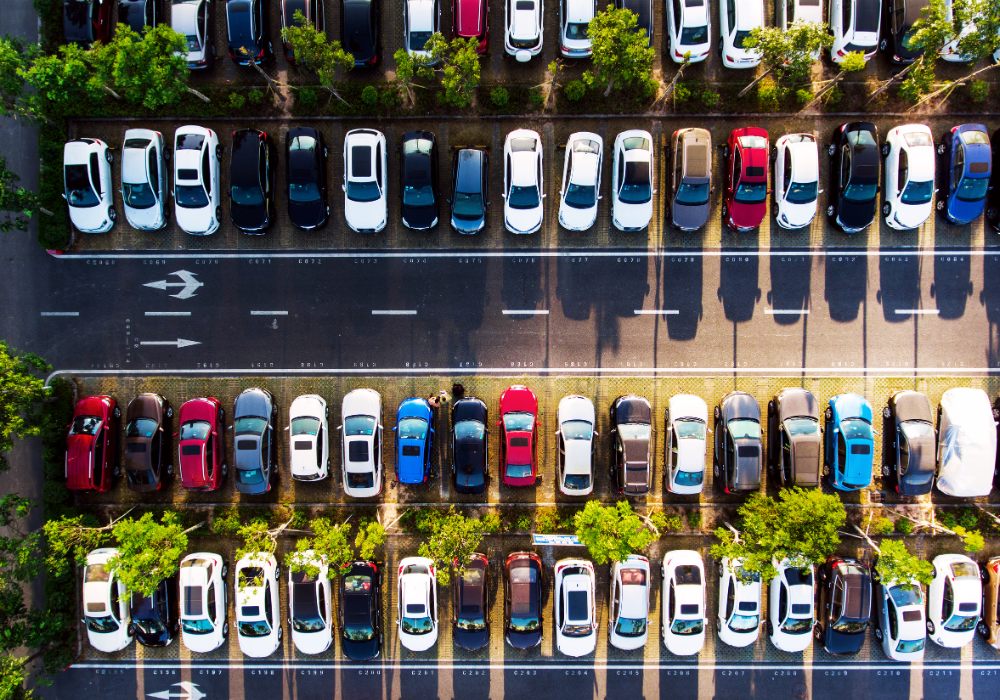
For the Boomers, cars were everything. Driving around in a gas-guzzling machine wasn’t just practical—it was freedom on wheels. The highways expanded, suburbs grew, and before anyone could blink, the entire country was car-dependent. But, surprise—freedom came with a hefty environmental price tag.
Today, we’re stuck with a traffic jam of consequences. Air pollution, smog, and rising carbon emissions are just some of the joys of a world where driving is the only acceptable way to get anywhere. The planet’s suffering, but hey, at least the family station wagon looked cool. Per Sarah Wesseler for Teen Vogue fewer young people are obtaining driver’s licenses, reflecting a shift away from car-centric transportation preferences. While the Boomers were cruising down open roads, we’re left figuring out how to breathe in cities choked with exhaust fumes. So, how about trading the open road for public transit or a bike ride? It’s the kind of freedom we need now.
4. They prioritized growth over the planet’s health.
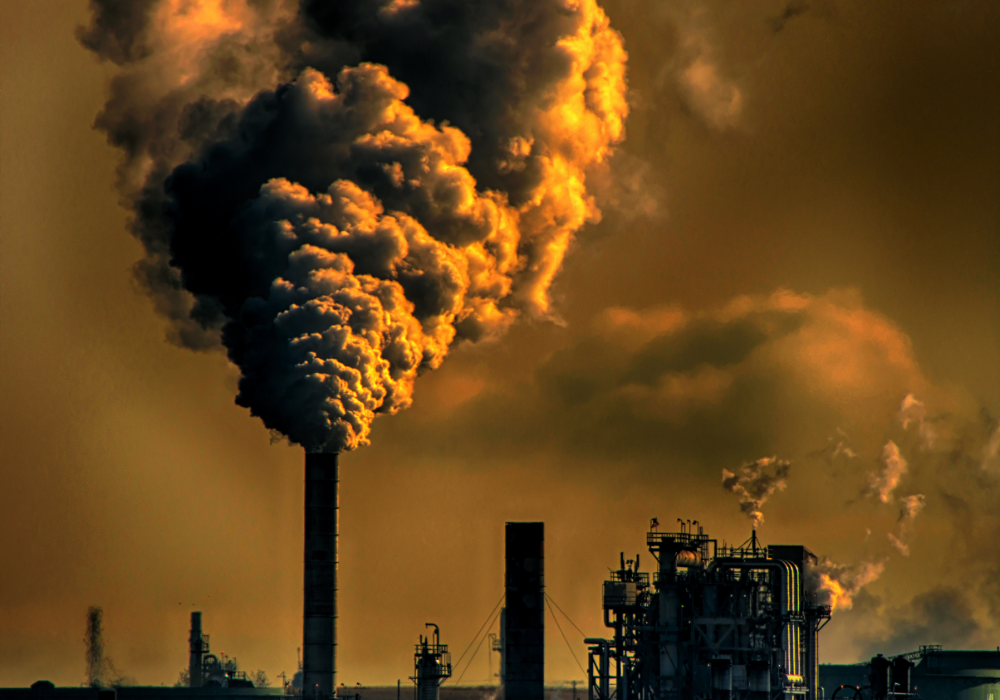
During the Baby Boomer era, economic growth was the ultimate goal—more factories, more production, more consumption. The focus was on building a thriving economy at any cost, with little thought to how rapid industrialization and expansion might affect the environment. Natural resources were seen as commodities to be exploited, and environmental concerns were often viewed as obstacles to progress rather than essential considerations.
This mindset has left us with the fallout of unchecked growth: polluted air, depleted water supplies, and ecosystems struggling to keep up. The push for more and bigger things has stretched the planet’s limits to the breaking point. While growth brought prosperity, it came at the cost of our natural world, and today we are facing the consequences. Finding a balance between economic success and environmental responsibility is now one of our greatest challenges, but it’s one we have to solve to secure a livable future.
5. Overconsumption was a sport—and now we’re running out of resources.

Excess was a national pastime. More stuff, more consumption, more “things” to fill the void. The Baby Boomer generation bought into the idea that more was better—whether it was a bigger car, a bigger house, or a closet full of things they never needed.
This relentless pursuit of stuff has drained natural resources, increased waste, and pushed the planet to its limits. We’re now the ones facing the fallout from this overconsumption. Natural resources are depleting at an alarming rate, and landfills are bursting at the seams.
The good news? We don’t have to keep feeding into this cycle. Embracing a mindset of minimalism, sustainable production, and mindful consumption can help slow the damage. The Boomers may have lived large, but we’re the ones who have to clean up the overspending.
6. They embraced disposable products without considering long-term waste.

If you grew up in a house where plastic bags were collected like precious artifacts, then you know exactly what I’m talking about. The Baby Boomers reveled in convenience, and the planet bore the brunt of it. Think about it: single-use plastics, paper towels, and throwaway razors—everything was disposable, and no one thought twice about it.
Now, here we are, drowning in plastic waste that’s clogging our oceans and threatening wildlife. What the Boomers saw as a time-saver has now turned into one of the biggest environmental crises of our generation. The solution? Reusable bags, cloth napkins, and anything that doesn’t end up as trash in a landfill. Sure, it’s not as convenient, but at least it doesn’t come with a 400-year carbon footprint.
7. Nature was seen as an endless resource with no strings attached.
Back in the day, nature was seen as a bottomless well of resources—forests to chop, rivers to dam, and land to plow. The Boomers didn’t hesitate to tap into this bounty, believing there was always more to go around. Who needed to worry about sustainability when the planet seemed to offer an infinite supply of timber, water, and minerals? The problem is that nature doesn’t work that way, and now we’re facing the consequences of this “take what you want” mentality.
The unchecked exploitation of natural resources has led to deforestation, water scarcity, and the depletion of valuable minerals. As a result, today’s generations are grappling with the aftermath—ecosystems are struggling to regenerate, and we’re finding it harder to extract resources without damaging the planet further. What the Boomers took for granted is now something we desperately need to restore and protect.
8. Technology was believed to be the magic fix for every environmental issue.

During the Baby Boomer era, technology was hailed as the miracle cure for all of life’s problems. They assumed that as long as they kept inventing, improving, and upgrading, solutions to pollution, waste, and energy consumption would magically appear. While innovation is fantastic, the belief that technology would solve all environmental issues led to a culture of over-reliance on quick fixes—many of which have backfired.
Fast forward to today, and the tech solutions Boomers relied on aren’t enough to fix the mess we’re in. While electric cars and clean energy are great, the overuse of single-use plastics and toxic chemicals continues to harm the environment. The overconfidence in technology’s ability to save us has left us scrambling to catch up. Now, it’s clear that real, long-term solutions require a balance of both innovation and sustainable practices—something we’re still learning to prioritize.
9. Chemicals were the quick fix, and now we’re cleaning up the mess.

Boomers saw chemicals as the answer to a cleaner, faster, and more efficient life. Pesticides in farming, industrial chemicals for manufacturing, and toxic cleaning products for the home were used without hesitation. The convenience of chemicals seemed foolproof, but no one realized the lasting environmental damage they would cause.
Now, decades of overuse have left us with contaminated water supplies, soil degradation, and a planet choking on pollutants. The chemicals used so liberally in the past are still present in our environment, leaching into ecosystems and disrupting wildlife. Cleaning up the mess left by these chemical shortcuts has become an ongoing challenge, and finding sustainable, safe alternatives is now a priority. What seemed like an easy fix is now a lingering environmental crisis.
10. Bigger everything wasn’t just a trend—it was a planet-killer.

Bigger was always better. Bigger houses, bigger cars, bigger everything. The Baby Boomer generation lived in a time of abundant resources and a booming economy, where more stuff was synonymous with success. The environmental cost of this mindset didn’t fully hit home until much later. Mass consumption became the goal, and sustainability was an afterthought.
The consequences are undeniable. Landfills are full, natural resources are depleting at an alarming rate, and carbon footprints are at an all-time high. The demand for more and more stuff left the planet struggling to keep up. As the world fights to shift away from overconsumption, we’re left cleaning up the oversized mess. Reducing waste and focusing on sustainability isn’t just important—it’s essential for reversing the damage caused by this over-the-top mentality.