
How an ordinary life led to a fight powerful industries never expected.

Every so often, an ordinary life collides with something extraordinary, something that refuses to stay hidden. In the late 1970s, a housewife in Niagara Falls, New York, stumbled onto a truth that would shake a nation. What began as concern for her children quietly spiraled into a confrontation with powerful forces and long-ignored toxic waste.
Lois Gibbs didn’t start with credentials or authority — just questions. Why were children in her neighborhood getting sick? Why did strange substances bubble up in basements and yards? With each unanswered question, her curiosity grew into determination.
Across years of struggle, this ordinary mother organized her community, forced government attention, and ignited a movement that changed how America confronts hazardous waste. Slide by slide, her story reveals how one person’s persistence can ripple into sweeping change.
1. The perfect suburban dream

Lois Gibbs and her family moved to the Love Canal neighborhood of Niagara Falls believing they’d found a safe, comfortable place to raise their children. It was the 1970s, and the streets were full of families, parks, and schools where kids played outside.
At first, it looked like the American dream: a house, a close community, and room to build a future. Beneath the lawns and playgrounds, however, something invisible and dangerous was waiting to surface.
2. Signs something was wrong

The first hints of trouble were subtle, like odd chemical smells, strange substances seeping into basements, and patches of dead grass that never recovered. Neighbors began quietly comparing notes about asthma, seizures, miscarriages, and unexplained illnesses.
Lois noticed that her own son and other children were frequently sick. Doctors offered few answers, and the pattern was impossible to ignore. Slowly, concern turned into alarm.
3. A school built on buried waste
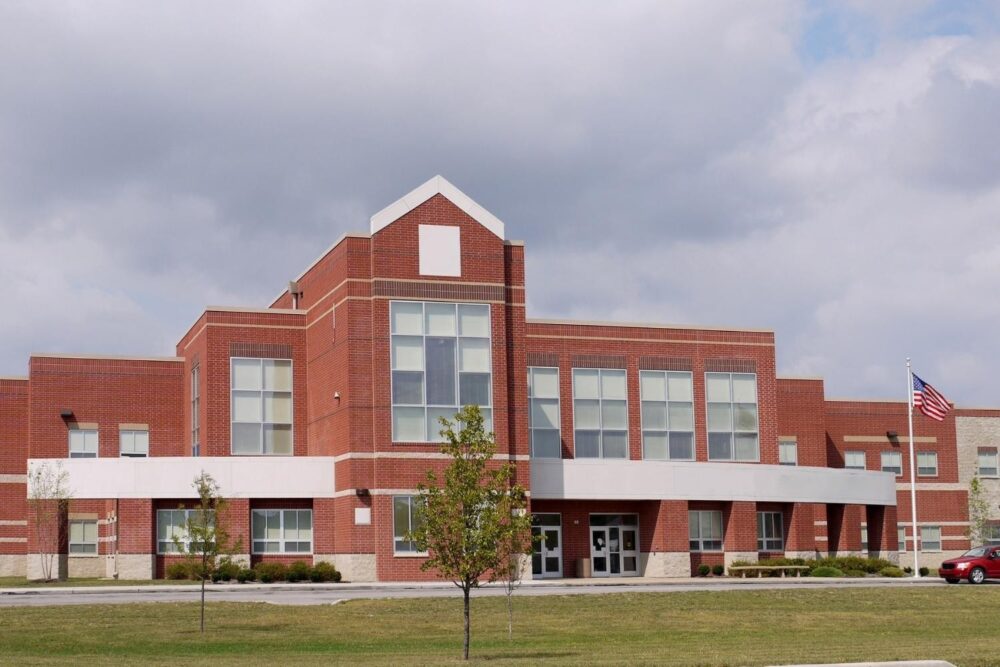
Lois eventually learned that the 99th Street Elementary School, where her son attended classes, sat directly on top of a former chemical dumping ground. Decades earlier, thousands of tons of industrial waste had been buried there.
The realization reframed everything. The neighborhood wasn’t unlucky; it was built on a toxic foundation. What had felt like coincidence now looked like cause.
4. Becoming an organizer by necessity
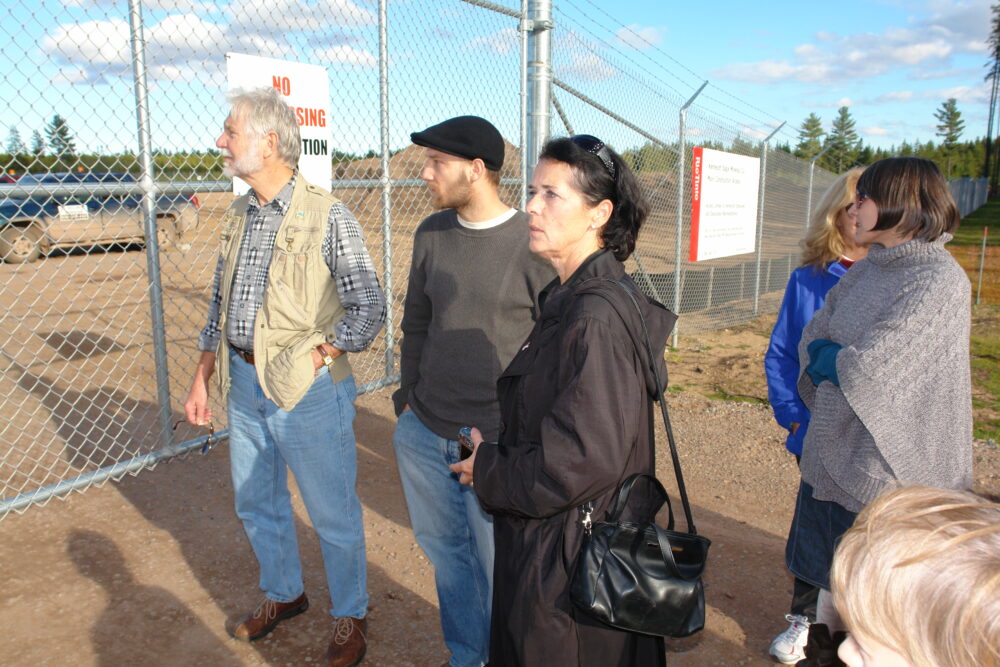
When officials brushed off her concerns, Lois began knocking on doors herself. She talked to neighbors, recorded illnesses, and gathered signatures. What started as informal conversations became organized meetings.
Without intending to, she became the neighborhood’s spokesperson. Others trusted her persistence and clarity, even as authorities dismissed her as an emotional parent with no expertise.
5. Pushing back against denial

Local and state officials insisted there was no proven danger. Studies were slow, limited, or inconclusive. Families were told there was no reason to panic.
Lois refused to accept those assurances. She demanded answers, challenged officials in public meetings, and kept pressure on agencies that preferred silence over accountability.
6. Evidence finally surfaces

Environmental testing eventually confirmed the presence of hazardous chemicals in soil, water, and basements. Health risks were no longer hypothetical. Still, proving responsibility and securing action remained difficult.
Lois helped collect data, amplify scientific findings, and keep media attention focused on Love Canal. Persistence became her most powerful tool.
7. Fighting for evacuation

In 1978, officials ordered pregnant women and young children to leave the neighborhood. Lois argued this wasn’t enough. Families were still living amid contamination.
She demanded full evacuation and relocation, pushing past partial solutions. The fight became emotional, political, and exhausting, but momentum was finally shifting.
8. A national emergency

The crisis reached the federal level when President Jimmy Carter declared Love Canal a national emergency, the first time a toxic waste site received that designation.
The declaration validated what residents had been saying for years. It also signaled that environmental contamination was no longer just a local problem.
9. Changing national policy

The Love Canal disaster helped drive the creation of the Comprehensive Environmental Response, Compensation, and Liability Act, commonly known as Superfund. The law made polluters financially responsible for cleanup.
For communities across the country, it created a pathway to demand action when toxic waste threatened public health.
10. Turning one fight into a movement
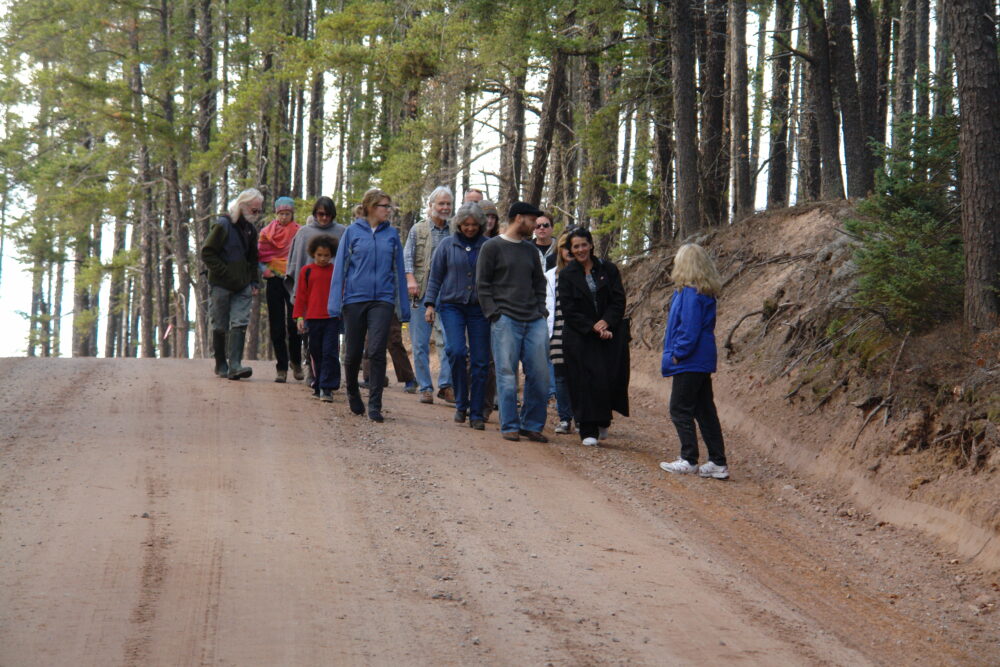
After Love Canal, Lois continued organizing. She founded a national organization to support communities facing similar environmental threats.
Her work helped ordinary people learn how to document harm, pressure officials, and protect their neighborhoods from industrial pollution.
11. A lasting legacy
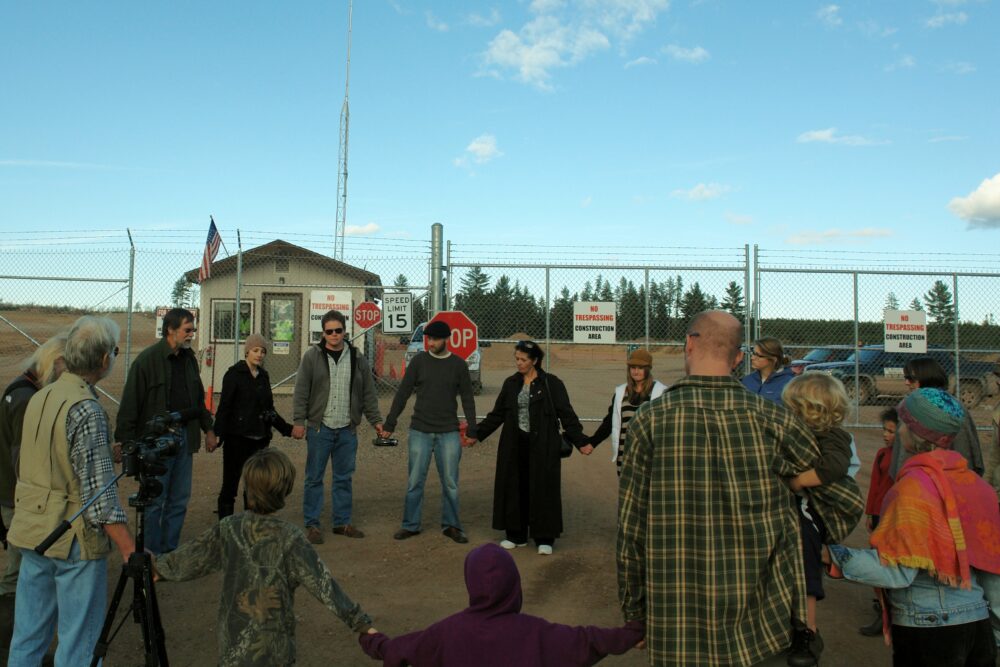
Lois Gibbs is now recognized as a key figure in environmental justice. She never set out to lead a movement; she simply refused to stay quiet.
Her story shows how persistence, community, and moral clarity can force powerful systems to change, one neighborhood at a time.