
Biodiversity is vanishing faster than ever — and scientists say the causes are largely man-made.

The planet is losing species at a rate not seen in millions of years, and scientists say humans are largely to blame. A new analysis highlights the main forces behind global biodiversity loss — from deforestation and pollution to climate change and overfishing. These pressures are reshaping entire ecosystems, threatening food security, and destabilizing the natural systems that sustain life. Experts warn that unless major changes are made, the planet’s web of life could face irreversible damage within decades.
1. Habitat destruction caused by urban development and agricultural expansion.

Urban development and agricultural expansion are transforming natural habitats into cities and fields. This process strips ecosystems of their complexity, compromising habitat quality. Fields and roads replace forests and wetlands, leaving less space for native species to thrive, thus accelerating biodiversity loss.
As habitats shrink and fragment, species struggle to find food, mates, and shelter. Picture a fox navigating a grid of concrete instead of woodland. Such changes disrupt ecological balance and push many species closer to extinction, altering ecosystems irreversibly.
2. Pollution impacting ecosystems and disrupting wildlife survival cycles.
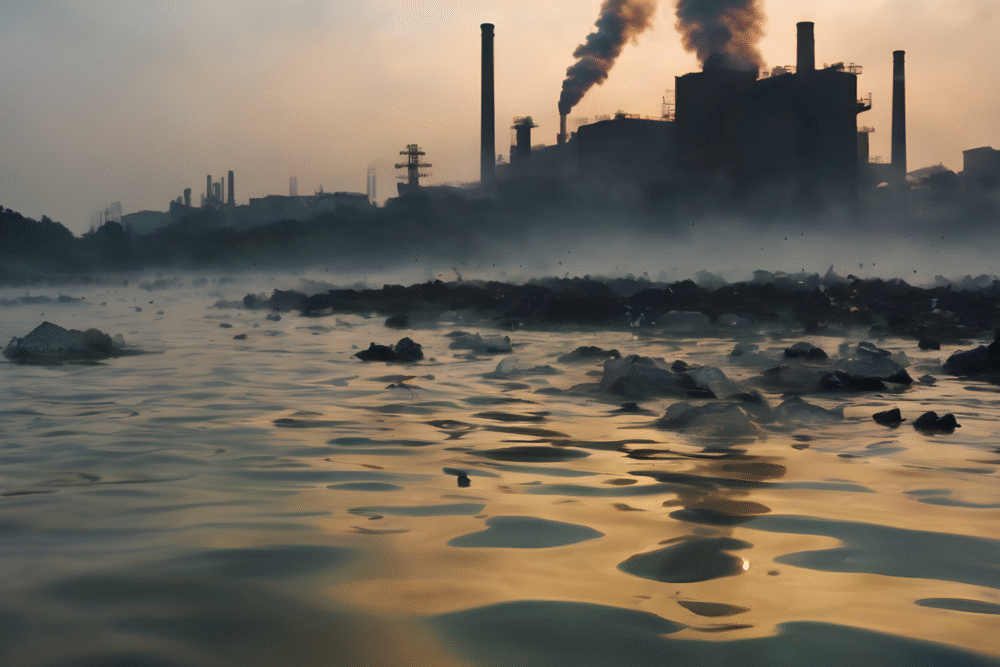
Pollution infiltrates ecosystems, affecting the intricate networks of life. Chemicals seep into waterways and air, harming organisms at every level. Toxic substances accumulate in tissues, disrupting life cycles from algae to apex predators, and diminishing species’ resilience against environmental stresses.
Ecosystems become more fragile with persistent contamination, affecting everything from fish in oceans to mammals in forests. Evidence of this can be seen in water bodies where algae blooms suffocate aquatic life, reflecting a deeper systemic disruption to natural processes.
3. Overexploitation of natural resources reducing species populations drastically.
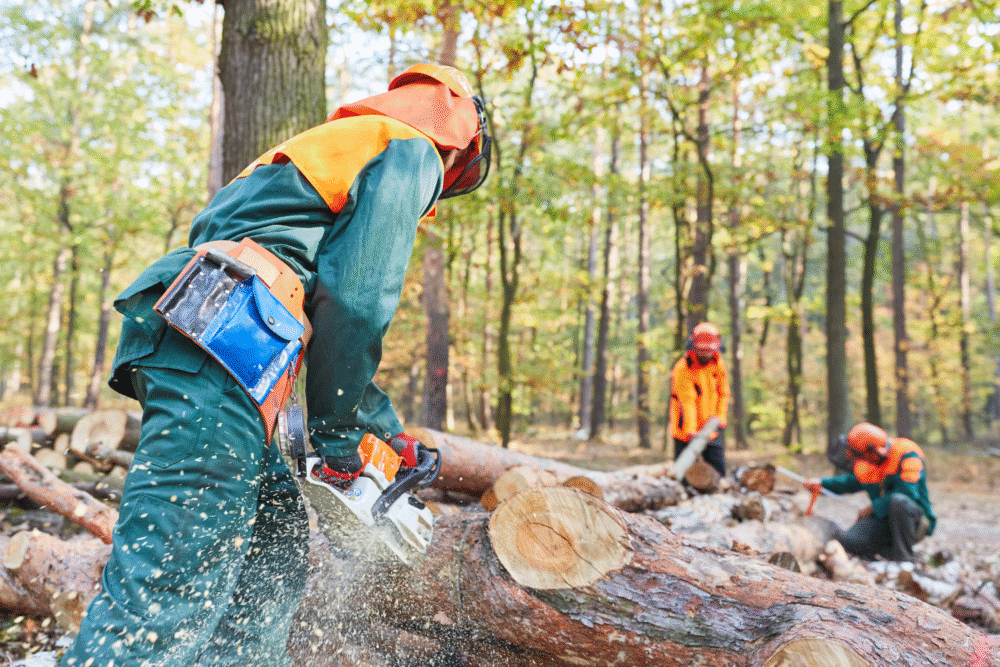
Harvesting natural resources without moderation leads to drastic declines in species populations. Logging, mining, and fishing push capabilities to the limit, eroding nature’s ability to replenish. When species are removed faster than they can reproduce, ecological balance teeters on collapse.
Marine environments reveal this starkly, with overfishing leading to empty waters and disrupted food chains. It takes hundreds of sardines to support a single tuna. Overexploitation leaves fewer breeding pairs, which in turn affects entire ecosystems, perpetuating loss.
4. Climate change altering habitats and forcing species to adapt quickly.

Climate change is reshaping ecosystems, rendering some habitats inhospitable for existing communities. Glacial melts, shifting temperatures, and altered rainfall patterns force species to adapt swiftly or perish. Coral reefs, sensitive to temperature changes, are particularly vulnerable to these shifts.
Species undertake perilous migrations in search of new suitable environments. Lesser resistance to disease and predators in new locations heighten risks for survival. Unable to keep pace with rapid change, many species face increased extinction pressure.
5. Invasive species outcompeting native plants and animals for resources.
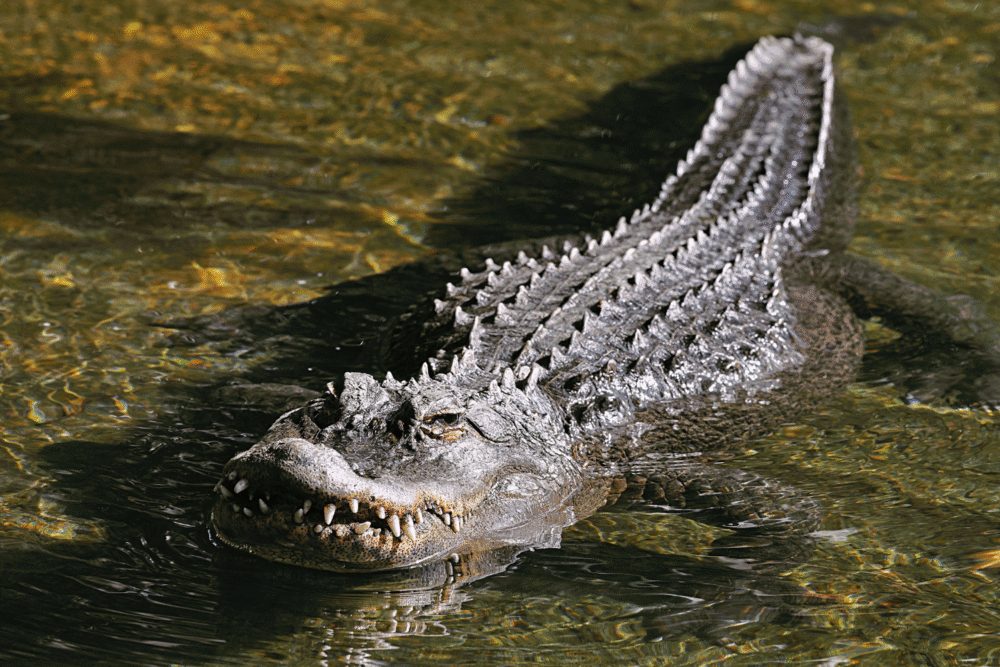
Invasive species enter new habitats and compete aggressively with native flora and fauna. Often lacking natural predators, they thrive, overtaking resources and altering ecosystems’ dynamics. Think of a vine slowly covering and suffocating a majestic forest tree.
Their presence destabilizes established hierarchies, pushing some native species past the brink of survival. Invasive species can hybridize with or prey upon native species, resulting in biodiversity loss and missing links in food webs that are essential for ecological function.
6. Deforestation leading to loss of critical habitats for many species.

Clear-cutting trees for timber and land opens wounds in forests, wiping out the delicate sanctuaries that numerous species rely on. Deforestation removes the physical structures and resources that sustain life and interrupts carbon storage, exacerbating climate change.
Migratory bird patterns, which sync with associative forest elements, become disoriented with these sweeping changes. This habitat destruction leads to cascading effects on interconnected species, making the forest’s rich tapestry unravel, one species at a time.
7. Coastal development damaging sensitive marine and shoreline ecosystems.

Coastal development encroaches on fragile marine and shoreline ecosystems, like delicate coral reefs and mangroves that provide critical buffers against waves and storms. These ecosystems support a vast array of life forms, each playing a role in maintaining ecological balance.
As constructions replace these natural barriers, species lose critical nursery habitats and feeding grounds. Ensuing erosion and pollution further destabilize these environments, reducing biodiversity and undermining natural protections that these biodiverse zones provide against changing climates.
8. Unsustainable fishing practices depleting ocean biodiversity and balance.
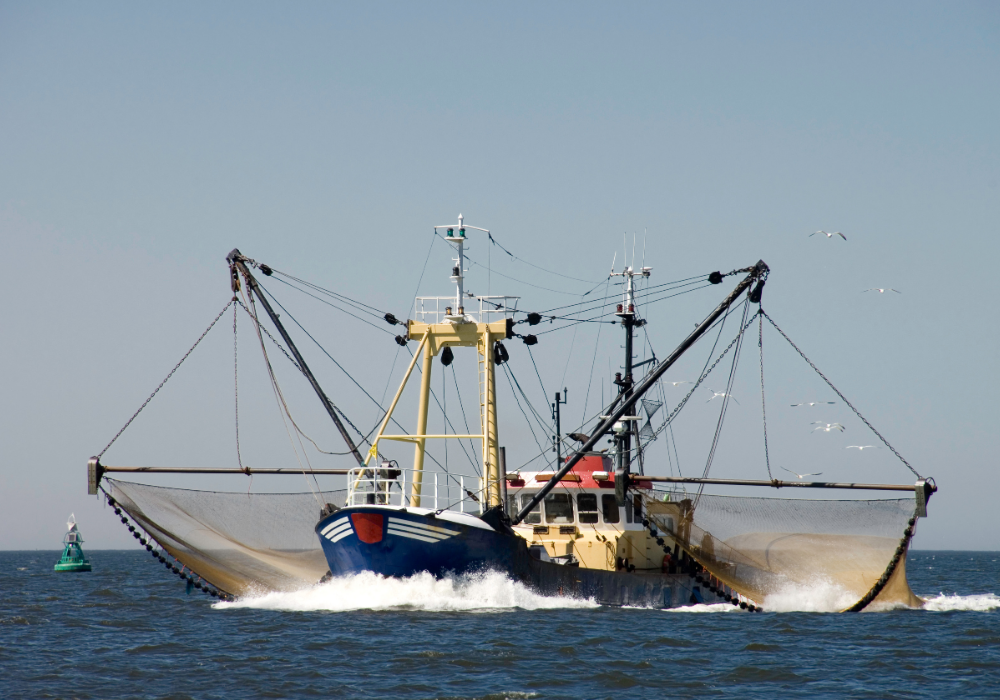
Unsustainable fishing practices like overharvesting and using destructive techniques cripple oceanic ecosystems. Massive nets sweep through waters indiscriminately, removing target and non-target species alike. The natural balance, once maintained by varied species interactions, teeters on the brink.
When keystone species like sharks or tuna dwindle, entire marine food webs unravel, leading to worried shifts. The absence of predators causes prey populations to explode, which strains resources that were once shared sustainably, thereby creating further ecological imbalance.
9. Agricultural chemicals contaminating soil and water, harming organisms.
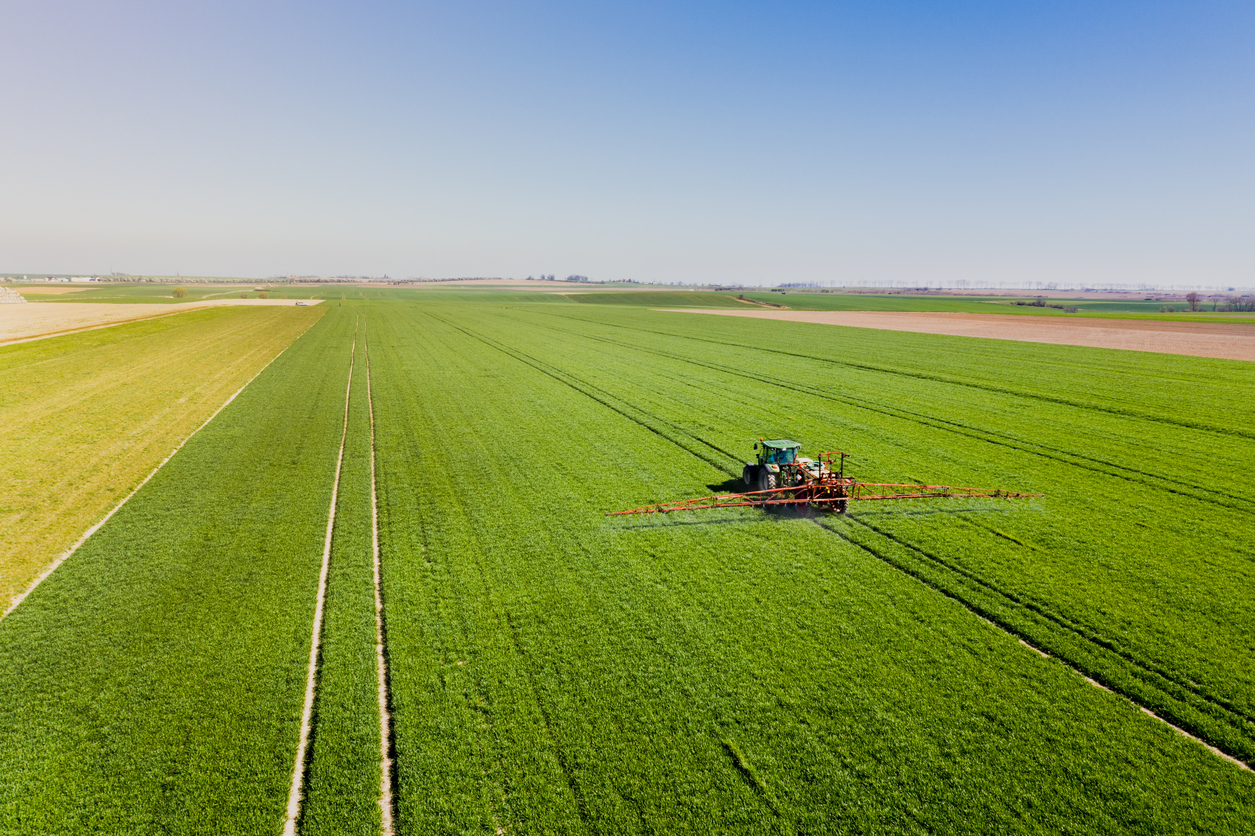
Agricultural chemicals, employed to boost crop yields, infiltrate schools and water systems, seeping into myriad ecosystems. Pesticides and fertilizers disrupt soil health and affect waterways, revealing a ripple effect that hinders organisms one layer at a time.
Humus-rich soil, a haven for microorganisms, gradually shifts to a barren landscape unable to support varied life forms. Polluted water bodies become hostile environments for aquatic life, interfering with reproduction cycles and leading to biodiversity challenges that persist alongside agricultural expansion.
10. Fragmentation of landscapes isolating wildlife populations and genetic diversity.
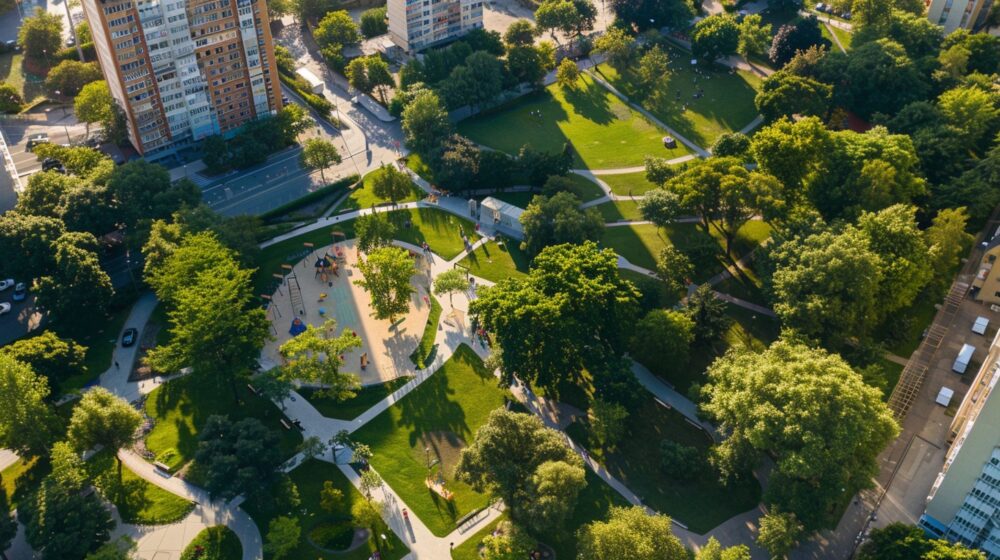
Landscape fragmentation carves habitats into isolated patches, akin to small islands. Animals and plants become isolated, decreasing opportunities for interbreeding, which compromises genetic diversity. Fences, roads, and urban sprawl slice through territories, splitting populations that once roamed freely.
Limited space curtails genetic flow, resulting in decreased adaptability and increased vulnerability to disease. With their corridors blocked, healthy species populations shrink, leading to a loss of resilience and heightened extinction risks for those unable to cross these human-imposed boundaries.