
Neuroscientists reveal how ancient memory visualization method rewires anxious brain pathways and provides instant relief from racing thoughts and worry.

What if ancient Greek orators had the key to conquering modern anxiety all along? Dr. Isabella Wagner from Radboud University Medical Center recently proved that the “memory palace” technique—used by Roman rhetoricians 2,000 years ago—can literally rewire anxious brain pathways in just 20 minutes. Brain imaging studies show that people using this method create more robust neural networks linking the prefrontal cortex, hippocampus, and visual cortex.
But here’s the breakthrough: mental health experts are now discovering that the same spatial memory system that helps “memory athletes” recall thousands of facts can be used to instantly access calm, positive mental states when anxiety strikes. The technique works by transforming your familiar spaces into mental refuges filled with soothing memories and coping resources.
1. Brain scans reveal why memory palaces calm anxiety better than traditional relaxation techniques.
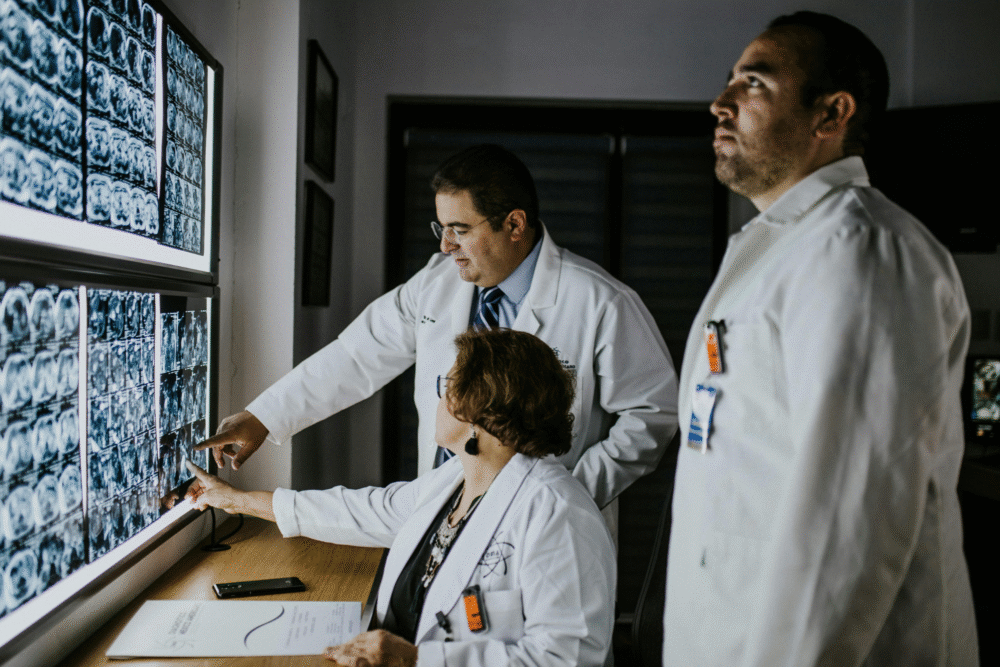
Neuroscientists using MRI technology discovered that memory palace practitioners show decreased activation in the hippocampus and medial temporal lobe—brain regions associated with stress and emotional overwhelm. Instead of working harder during anxiety, their brains actually become more efficient.
The technique creates stronger connectivity between the hippocampus and neocortex, the site of higher thinking, allowing rational thought to override emotional panic. This neurological rewiring explains why people report feeling calmer within minutes of using their memory palace, as the brain literally shifts from anxiety-driven chaos to organized, spatial thinking patterns.
2. The ancient technique turns your home into a powerful anxiety-fighting toolkit.
Memory palaces work by transforming familiar spaces—like your childhood home, current apartment, or favorite park—into organized repositories for calming resources. Instead of storing random information like ancient orators did, you strategically place anxiety-busting tools throughout your mental space.
Mental health experts explain that this works because human brains evolved to remember spatial locations better than abstract concepts. When anxiety strikes, you simply take a mental walk through your palace, collecting pre-placed coping strategies, positive affirmations, and soothing memories along the way. Your familiar environment becomes an instant anxiety antidote.
3. Creating your anxiety memory palace takes just four simple steps that anyone can master.
The basic method is surprisingly straightforward, which is why it’s been used successfully for over 2,000 years. Choose a familiar location you know well, like your home or workplace, and then create a specific mental route through this space with 8-10 distinct stops. Place calming resources at each location using vivid, memorable imagery. Finally, practice the mental journey until you can walk through it smoothly in under 3 minutes.
Mental health professionals recommend starting with simple anxiety tools: place deep breathing techniques by your front door, positive self-talk in your kitchen, and grounding exercises in your bedroom. The key is making each placement weird, exaggerated, or emotionally meaningful so your brain remembers it instantly.
4. Your brain literally rewires itself for calm within 20 minutes of practice.
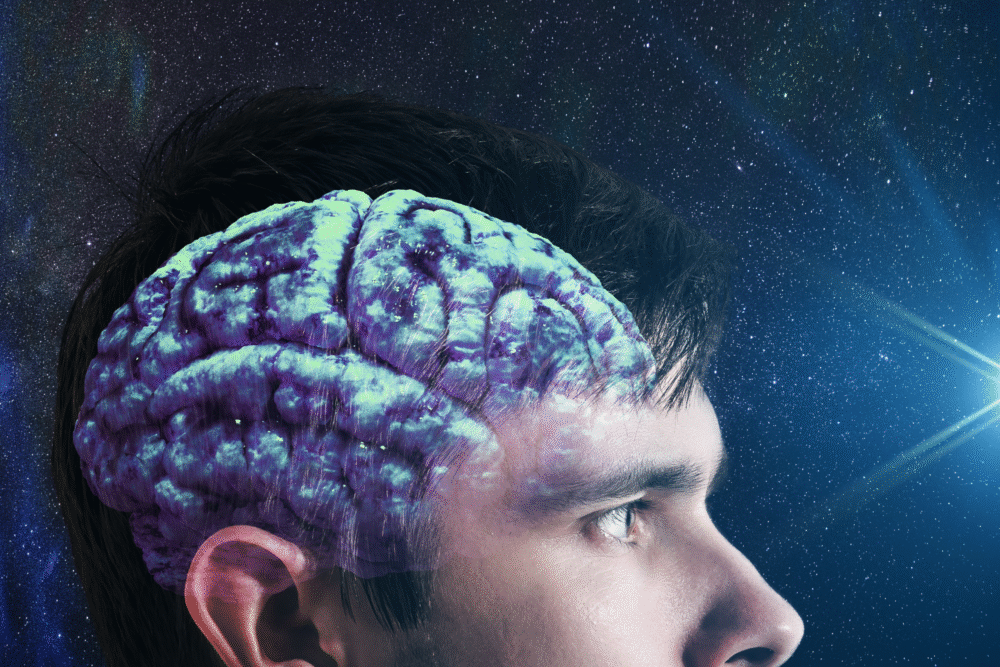
Brain imaging studies show that memory palace training creates measurable changes in neural connectivity faster than researchers expected. Unlike meditation or therapy, which can take weeks to show brain changes, the spatial memory system activates immediately because it taps into evolutionarily ancient survival mechanisms.
Dr. Isabella Wagner’s research found that even beginners showed improved recall and reduced anxiety symptoms after just one 20-minute session. The technique works by engaging multiple brain regions simultaneously—visual processing, spatial navigation, and memory consolidation—creating a robust neural network that anxiety struggles to disrupt.
5. Mental health therapists are using memory palaces to treat depression and PTSD.
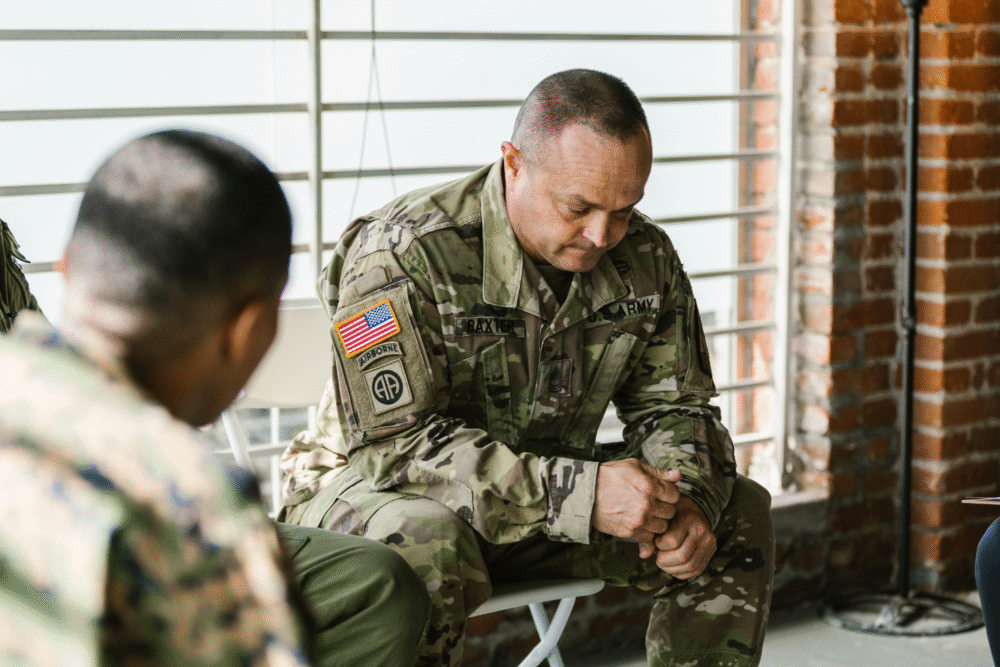
Clinical researchers are discovering that memory palaces filled with positive memories serve as powerful therapeutic tools for trauma survivors. Instead of storing shopping lists, patients create palaces containing their happiest moments, supportive relationships, and personal strengths.
Studies show depressed individuals recall positive memories better using the method of loci than other memory techniques. PTSD patients report that having a “mental refuge” they can access anytime provides a sense of control and safety that traditional therapy tools can’t match. The technique essentially gives people a portable safe space in their minds.
6. The method works by hijacking your brain’s natural GPS system for emotional healing.
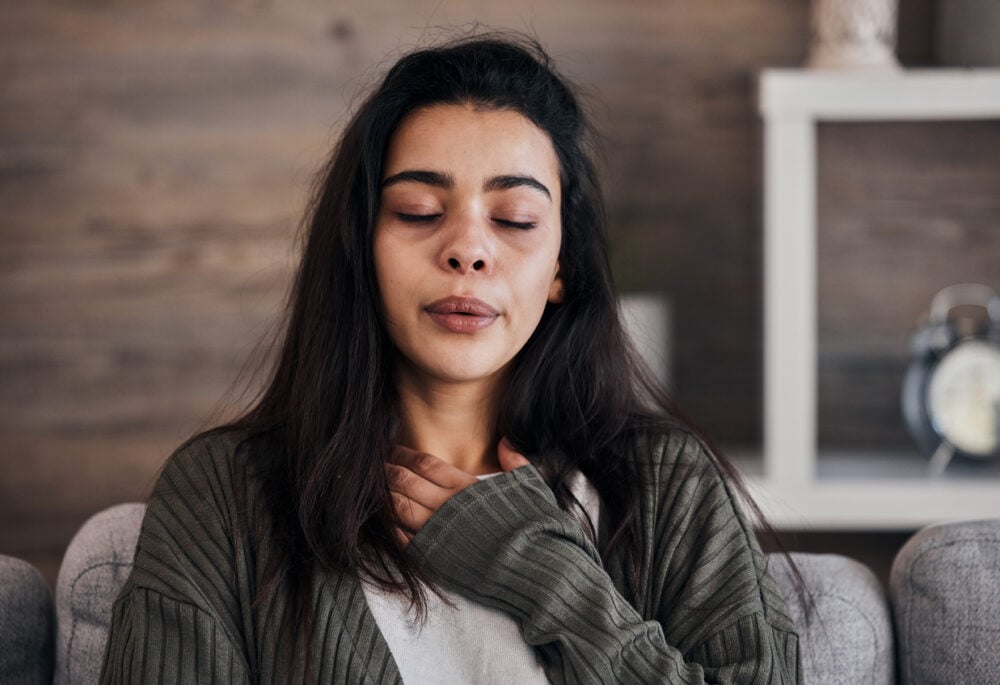
Neuroscientists explain that humans have exceptionally strong spatial memory because navigation was crucial for survival throughout evolution. The memory palace technique exploits this biological advantage by linking emotional states to locations rather than trying to remember abstract concepts. When you’re anxious, your prefrontal cortex—responsible for logical thinking—often shuts down.
But the spatial navigation system remains active, allowing you to “walk” to predetermined calm states even when your rational mind is overwhelmed. It’s like having emotional GPS that works even when your cognitive map is scrambled by stress.
7. Memory athletes use palaces for performance anxiety, proving the technique works under extreme pressure.
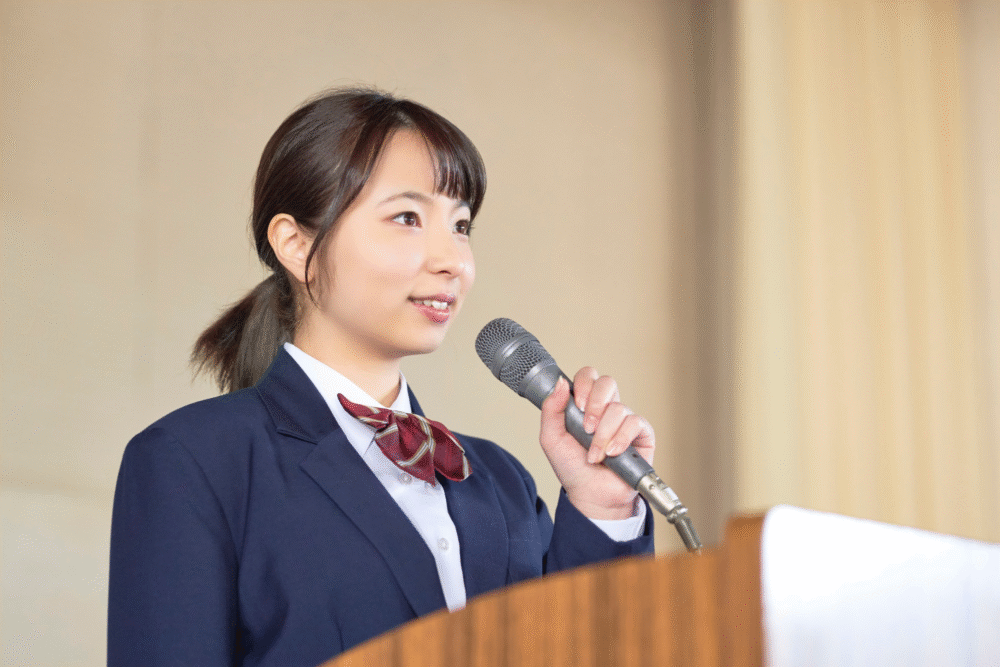
Professional memory competitors who memorize thousands of items under intense time pressure rely on memory palaces not just for information storage, but for managing competition anxiety. These “mental athletes” report that their palaces provide instant access to confidence, focus, and calm during high-stakes performances.
Research shows that memory champions have the same brain structure as average people—they simply use spatial memory more efficiently. This proves that anyone can develop anxiety-fighting memory palaces regardless of natural memory ability. If the technique works for people memorizing 1,000 digits in front of judges, it can work for everyday anxiety.
8. The technique creates lasting anxiety relief by building mental resilience rather than just managing symptoms.

Unlike breathing exercises or progressive muscle relaxation that provide temporary relief, memory palaces actually strengthen your brain’s ability to self-regulate emotions long-term. Each time you successfully navigate to a calm state using your palace, you reinforce neural pathways that make emotional regulation easier.
Mental health experts note that patients who master memory palaces report faster anxiety recovery when overwhelmed situations arise and increased confidence in their ability to handle stress independently. They also experience better sleep because they can mentally “visit” peaceful locations before bed, plus reduced anticipatory anxiety because they know they have reliable coping tools at their disposal. It’s like building mental muscle memory for staying calm under pressure.
9. You can customize different palaces for specific anxiety triggers and situations.
Advanced practitioners create multiple memory palaces for different types of anxiety—work stress, social situations, health concerns, or family conflicts. Each palace contains resources specifically tailored to that anxiety type. For example, a “social anxiety palace” might include conversation starters in the living room, confidence-boosting memories in the bedroom, and exit strategies by the back door.
A “work stress palace” could feature problem-solving techniques in a home office, boundary-setting scripts in the kitchen, and relaxation methods in a favorite reading chair. This customization makes the technique incredibly versatile and personally meaningful, ensuring it works for your unique anxiety patterns and lifestyle.