
Experts warn that growing distrust in science could carry serious global consequences.
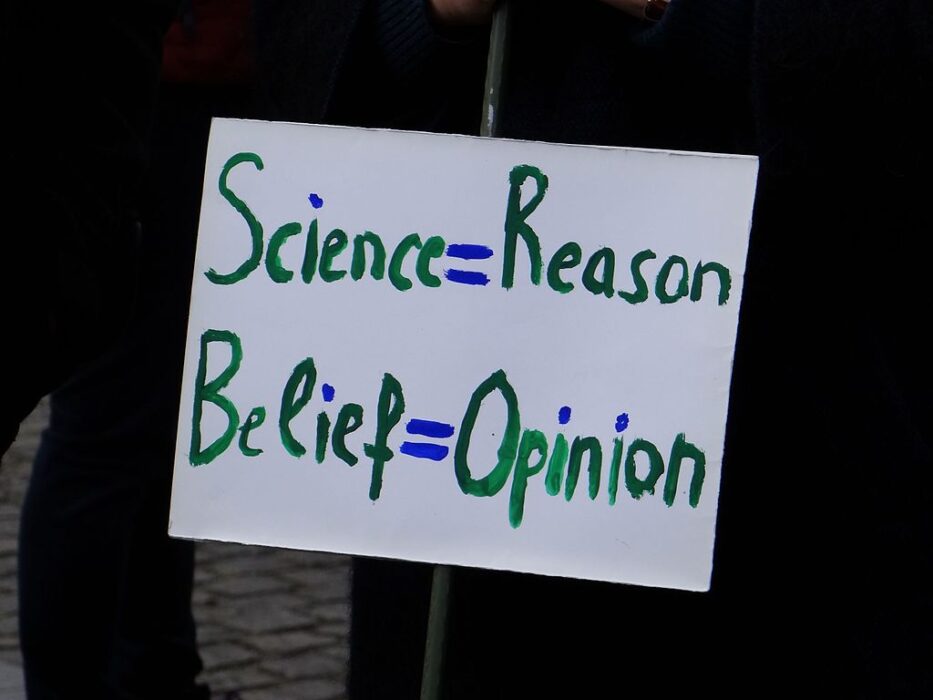
Public trust in science, once seen as a cornerstone of progress, is showing troubling cracks. Surveys reveal rising skepticism about everything from climate change to vaccines, fueled by misinformation, politics, and cultural divides. Experts warn this erosion of confidence is not just an academic issue—it has real-world consequences for health, safety, and the environment. As faith in evidence and reason weakens, society faces mounting risks that science alone cannot solve without public belief and support.
1. Misinformation Spreads Faster Than Facts

Social media platforms allow false claims to circulate far more quickly than carefully vetted research. Studies show that emotionally charged or sensational posts are shared more often than neutral, evidence-based content. This means misinformation can reach millions before scientists or fact-checkers have a chance to respond, leaving people confused about what is true.
Over time, repeated exposure to misleading claims creates doubt, even when the scientific consensus is clear. People may begin to feel that “experts disagree” when in reality, the vast majority of scientists align on the evidence. This erosion of trust feeds skepticism about science itself.
2. Politics Shapes Scientific Beliefs
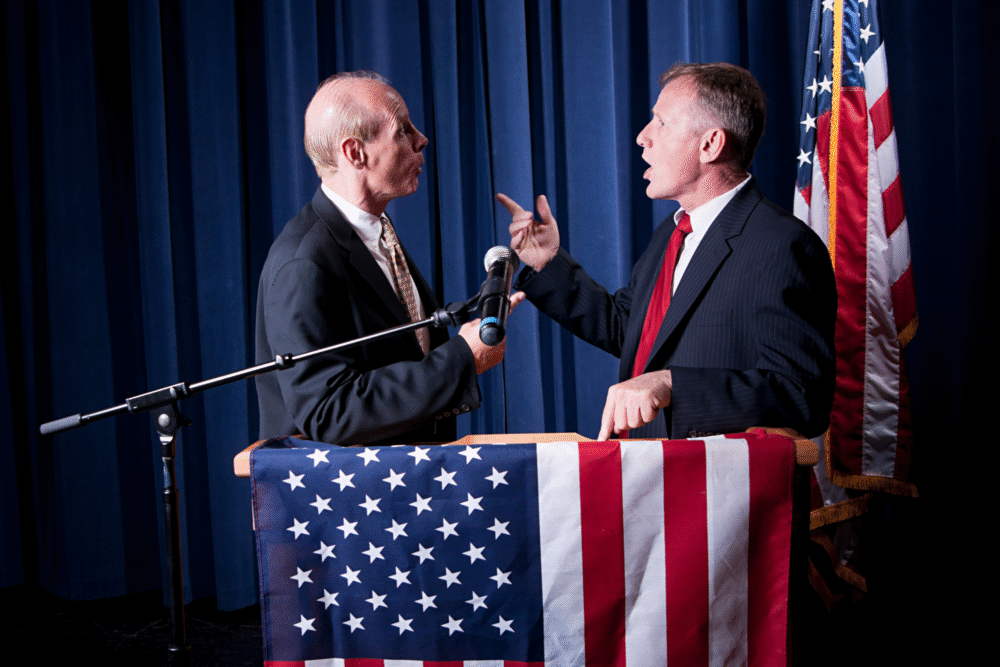
Scientific issues like climate change, vaccines, and energy policy have become deeply politicized. Leaders often downplay or dismiss scientific findings if they conflict with political goals or economic interests. This turns science into another battlefield where facts are accepted or rejected based on ideology rather than evidence.
As a result, trust in science is often filtered through political identity. If a scientific conclusion challenges someone’s political worldview, they may reject it outright. This dynamic not only polarizes public opinion but also undermines the credibility of science, even in areas where consensus is overwhelming.
3. Conspiracy Theories Undermine Trust

Conspiracy theories thrive in environments of uncertainty and fear. Claims that climate change is a “hoax” or that vaccines contain hidden tracking devices spread quickly because they tap into people’s anxieties. These stories often frame scientists as part of a secret agenda, creating suspicion about legitimate research.
When people adopt conspiracy thinking, it becomes extremely difficult to persuade them with facts. Even strong evidence is dismissed as part of the supposed plot. This cycle erodes confidence in scientific institutions, leaving communities vulnerable to dangerous misinformation and making it harder to build consensus around urgent issues.
4. Science Can Feel Too Complicated
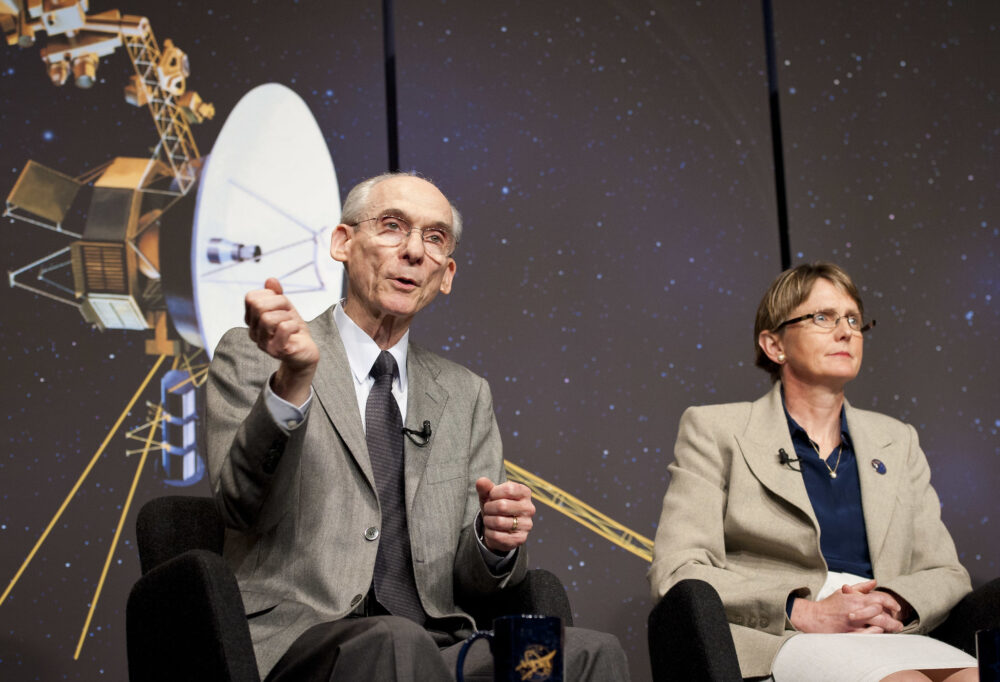
Scientific research often relies on technical data and specialized terms that are difficult for the general public to follow. Without translation into clear and accessible language, findings may appear confusing or irrelevant to everyday life. This communication gap can leave people feeling excluded or overwhelmed.
When science seems out of reach, mistrust can take root. People may dismiss findings as elitist or assume scientists are hiding something. This disconnect highlights the need for better science communication, where evidence is explained in ways that connect with ordinary experiences and concerns.
5. Mistakes and Shifts in Guidance Cause Confusion

Science is a process of discovery, and recommendations change as new evidence emerges. During the COVID-19 pandemic, shifts in health guidance created confusion and frustration. While adjustments reflected updated data, many people saw them as signs of inconsistency or incompetence.
For those unfamiliar with how science evolves, changing recommendations looked like contradictions. This misunderstanding made it easier for critics to frame scientists as unreliable. In reality, evolving guidance is a strength of science, not a weakness. However, when poorly explained, these shifts can erode public trust and fuel skepticism.
6. Economic Interests Complicate Messaging

Scientific findings sometimes clash with powerful economic interests. For example, research linking fossil fuels to climate change has faced decades of pushback from the energy industry. Corporations have invested heavily in casting doubt on established science to protect profits.
This history of deliberate obfuscation makes the public question whether science is independent or manipulated. When people believe researchers are influenced by money or politics, their confidence erodes. While most scientists operate with integrity, the perception of corporate interference undermines the credibility of the entire field.
7. Past Abuses Leave Lingering Distrust
History has examples where science was misused in harmful ways. Cases such as unethical medical experiments or discriminatory theories have left deep scars, particularly in marginalized communities. These abuses create long-lasting mistrust of scientific institutions.
Even though modern ethical standards are much stronger, memories of exploitation remain. When new research or medical recommendations are presented, some communities respond with skepticism. Rebuilding trust requires acknowledgment of past wrongs and consistent effort to demonstrate accountability, transparency, and respect for human dignity in all scientific endeavors.
8. Cultural Beliefs Sometimes Clash With Science

In many parts of the world, cultural or religious traditions provide explanations for natural phenomena that differ from scientific ones. When scientific findings appear to challenge deeply held beliefs, people may reject them as a threat to identity or tradition.
This tension can make it difficult for communities to accept certain scientific conclusions, even when the evidence is clear. Scientists who fail to respect cultural perspectives risk deepening mistrust. Bridging this gap requires dialogue and sensitivity, showing that science and culture can coexist rather than compete.
9. Media Coverage Can Distort Science

News outlets often prioritize speed or drama over accuracy when reporting on scientific studies. Early findings may be exaggerated, stripped of context, or framed as more conclusive than they really are. When later studies offer nuance, the public perceives this as inconsistency.
This cycle fosters frustration and skepticism. People feel they cannot trust what they read about science, even if the underlying research is sound. Better media literacy and responsible science reporting are critical to repairing this gap and helping people distinguish between hype and evidence.
10. Personal Experience Feels More Convincing Than Data

Many people place more trust in personal stories than in abstract numbers or charts. If someone experiences bad weather in a cold season, they may doubt climate change. If a friend reports side effects from a vaccine, they may question medical evidence.
This reliance on personal anecdotes over statistical data is a natural human tendency but one that undermines scientific reasoning. Without understanding how large-scale evidence works, people are vulnerable to drawing big conclusions from small, misleading experiences. Scientists face the challenge of making data feel as real as stories.
11. Declining Trust Reflects a Wider Crisis of Institutions

Science is not the only institution facing declining trust. Governments, media, and corporations have all seen public confidence erode in recent decades. In this context, science is caught up in a broader wave of skepticism.
When people lose faith in authority figures, they may extend that doubt to researchers, universities, and scientific organizations. Restoring trust requires not only strong evidence but also transparency, humility, and a renewed commitment to public service. For science to thrive, it must be seen as trustworthy in both process and intent.