
Climate villains are pointing fingers at the very people trying to help.
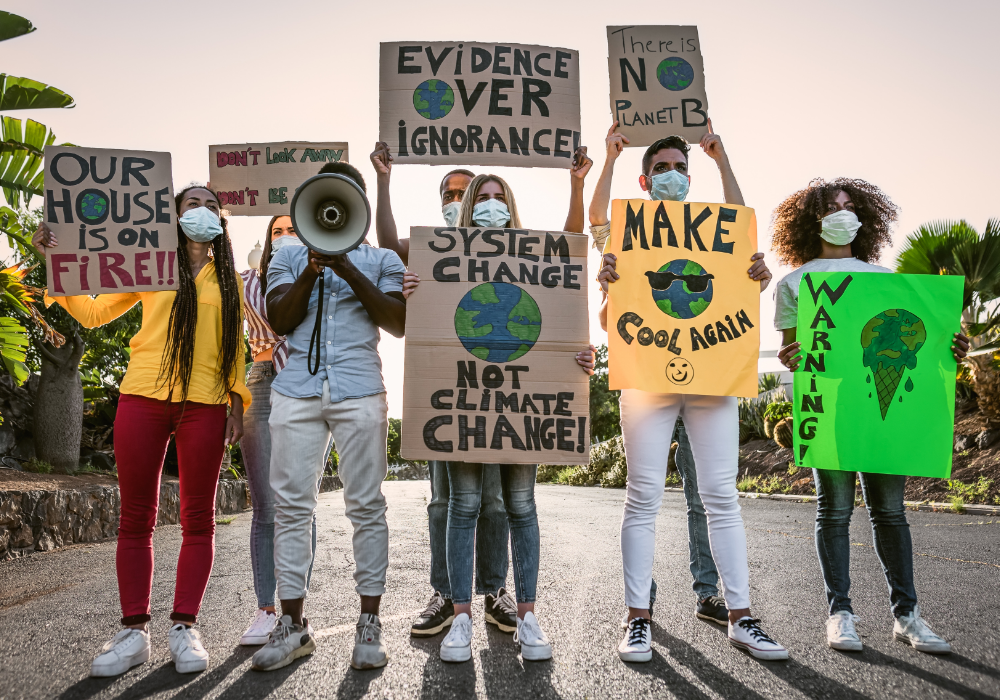
Every time the planet pushes back—floods, fires, heatwaves—the same people who helped cause it all somehow avoid the blame. Instead, fingers point toward the protestors, the scientists, the kids skipping school with cardboard signs. Climate activists are sounding the alarm, and somehow, they’re the ones catching the heat. It’s not just unfair—it’s calculated.
Painting activists as extremists or criminals distracts from the real culprits: fossil fuel giants, complicit politicians, and the industries profiting from destruction. And while these activists are getting arrested, sued, or discredited, the world keeps warming. The smoke gets thicker, the storms get worse, and the narrative gets twisted: the problem isn’t the collapse—it’s the people daring to talk about it. That’s how blame works in a system built to protect power, not people. And if this keeps up, when the fire does come, the ones who tried to stop it will be the first ones silenced.
1. Fighting for clean air gets twisted into a dangerous “radical” label.

It’s insane that wanting fresh air and safe water is seen as extreme. Climate activists aren’t outlaws—they’re people demanding survival. But because their fight threatens industries and profits, they’re branded “radicals” or “troublemakers.” The real extremism is in poisoning the planet for cash.
Calling activists extreme is a tactic to distract from the truth. It’s easier for people to dismiss the message when the messenger looks scary or angry. Meanwhile, the planet burns and floods, and those calling for urgent action get shouted down.
A 2024 article by Markus Lederer for Frontiers in Political Science emphasizes that even more radical forms of climate activism are being unfairly labeled as “eco-terrorism,” despite lacking any terrorist characteristics—and that this vilification is a deliberate strategy to undermine their credibility. The science backs the activists, not the polluters. If saving the Earth looks radical, maybe it’s because business as usual is downright dangerous—and overdue for a revolution.
2. Peaceful protests get met with riot gear instead of respect.
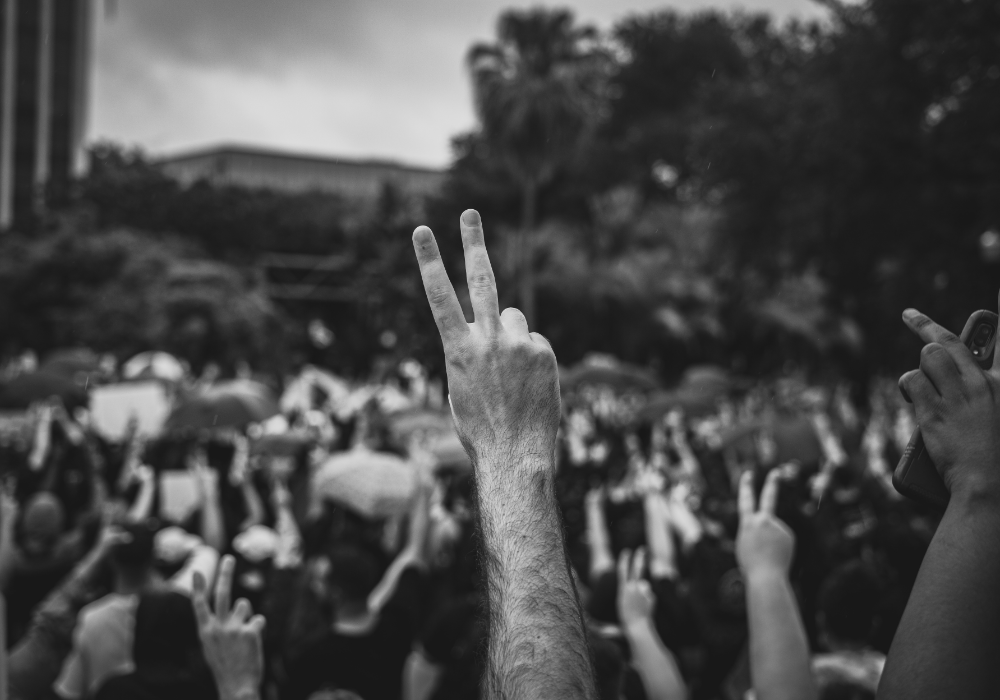
When people block roads or gather in parks to demand change, the response shouldn’t be militarized police and surveillance. But climate protesters face this daily—arrests, intimidation, and charges designed to scare others away. Protecting the planet shouldn’t be a crime. According to researchers for the University of Bristol, Britain arrests climate protesters at nearly triple the global average (17% vs. 6.3%), and Australia leads the world with one in five eco‑protests resulting in arrests—showing that peaceful demonstrations are frequently met with punitive enforcement.
The system fears disruption more than destruction. Peaceful protest is democracy in action, but governments treat it like an insurrection if it threatens profits or image. That reaction reveals where priorities lie—not with people or planet, but with preserving power. Silencing protests isn’t safety. It’s oppression. And the harsher the crackdown, the clearer it becomes that activism works—and scares those fueling the crisis.
3. Big brands hijack the green message—and then turn on activists.
It’s a classic move: corporations paint themselves green with ads and social media campaigns, then demonize activists who call out their lies. They profit off eco buzzwords while lobbying to keep regulations weak, then blame protestors for “radicalizing” the conversation. Per Jasmin Fraser for Commonwealth Climate Law, nearly one-third of companies that lobby on climate policy also engage in greenwashed messaging—as activism increases, they double down on deceptive marketing to distract from policy interference.
This strategy confuses the public and dilutes genuine calls for change. The greenwashing floodwaters drown out activist voices, making people question who to trust. Activists aren’t enemies—they’re the conscience of the planet, pushing for accountability brands would rather avoid. When companies co-opt sustainability but silence the truth-tellers, it’s clear their “commitment” is just marketing. The real threat isn’t the activists—it’s the brands hiding behind shiny packaging and empty promises.
4. Media coverage turns activism into annoyance instead of alarm.

News stories rarely focus on why climate protests happen. Instead, the headlines obsess over traffic jams, clashes, or angry drivers. The urgent messages about fossil fuel destruction get buried beneath distractions.
This framing keeps the public distracted and skeptical. If activists are just nuisances, it’s easy to ignore their warnings. Sensationalizing minor disruptions sells clicks but erodes trust in the movement. The real story—planetary emergency—is sidelined while “protest chaos” dominates coverage. This misrepresentation fuels division and delays action. If the media wants to inform, it needs to spotlight the cause, not the inconvenience. Otherwise, the planet loses—and so do we.
5. New laws are designed to punish protest, not pollution.
Across the country, lawmakers are passing laws to criminalize protest—targeting peaceful climate activists with harsh penalties. Blocking a pipeline or rallying in the streets can mean felony charges, heavy fines, or jail time. Meanwhile, companies that poison air and water pay pennies.
This crackdown isn’t about public safety; it’s about protecting polluters. These laws don’t stop environmental harm—they stop citizens from speaking out. This legal shift is a warning sign: the system prioritizes corporate profits over people’s voices. It’s a playbook for silencing dissent and maintaining the status quo. If protesting becomes a crime while pollution is legal, then justice isn’t being served—it’s being bought. And that fight is far from over.
6. Surveillance tactics turn activists into targets before they even speak.

Tracking phones, monitoring social media, and gathering intelligence on organizers has become standard practice. Climate activists aren’t just protesting—they’re being watched, mapped, and sometimes harassed before a single sign is held up. This digital dragnet chills activism before it starts.
It’s a power move to intimidate, isolate, and disrupt movements from within. By turning activists into suspects, authorities shift the conversation from urgent climate action to security threats. This surveillance isn’t about safety—it’s about control.
It sends a clear message: speaking up comes with consequences. When the system treats truth-tellers like criminals, it’s trying to silence more than protests—it’s trying to erase the possibility of change altogether.
7. Smear campaigns twist passionate activism into “extremism.”
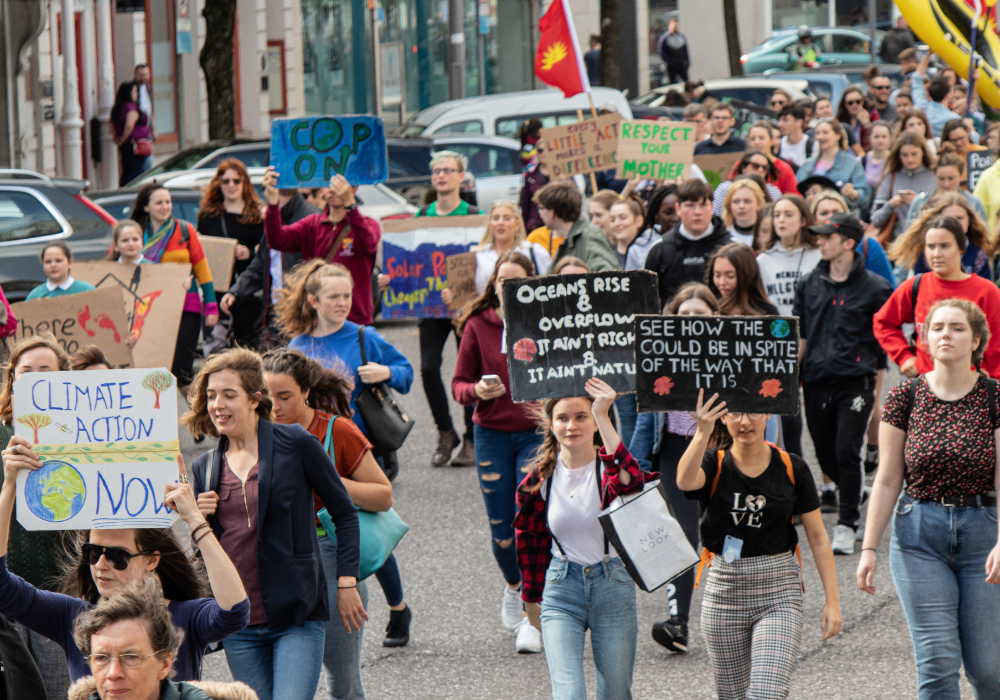
Climate activists are often painted as dangerous fanatics aiming to destabilize society. Media, politicians, and corporate PR spin passionate calls for change into narratives of chaos and violence. It’s a classic tactic to scare the public away from joining the movement.
Labeling activism as extremism shifts focus from real issues to fear-mongering. It delegitimizes urgent demands for climate justice by linking them to social unrest or lawlessness. This smear campaign aims to divide allies and erode public support. The truth is, the real extremists are those destroying ecosystems and blocking progress. But the loudest voices in the room want you to believe otherwise.
8. Arrests and legal battles drain activists and scare newcomers away.

Jailing activists for nonviolent protests isn’t just punishment—it’s a warning. Facing fines, court dates, and legal fees drains resources and morale. These battles sap energy from the movement and discourage everyday people from getting involved.
The cost of speaking out shouldn’t be criminal charges or broken spirits. Yet activists take these risks because the alternative—doing nothing—is worse. Each arrest sends ripples through communities, reminding everyone what’s at stake. The goal isn’t just to stop protests today—it’s to shrink the movement tomorrow. But resilience keeps growing in spite of it all, fueled by the urgency no legal system can erase.
9. Public opinion gets manipulated to turn sympathy into suspicion.

Polls show climate concern rising, yet public support for activists doesn’t always follow. That’s no accident. Spin doctors and media outlets use selective stories, framing, and fear to paint activists as troublemakers rather than heroes. Sympathy turns into skepticism.
This manipulation dilutes pressure on policymakers and gives corporations room to operate unchecked. When public trust shifts away from activists, it becomes easier to ignore demands for accountability.
The climate crisis needs broad support—but manufactured doubt keeps people on the sidelines. Activists face an uphill battle not just against emissions, but against narratives designed to confuse and divide. Winning hearts and minds is as critical as cutting carbon.
10. The real criminals keep profiting while activists face the fallout.

Fossil fuel executives fly private jets, lawmakers take industry cash, and profits roll in as climate disasters worsen. Meanwhile, activists get fined, arrested, and smeared for demanding a livable future. The system rewards destruction and punishes resistance.
This isn’t coincidence—it’s systemic. The very people responsible for the crisis use every tool at their disposal to maintain power. Blaming activists distracts from the real perpetrators and stalls meaningful change. Understanding this power dynamic is key to seeing why activists face such fierce opposition. They’re not just fighting pollution—they’re challenging entrenched interests that will do anything to keep the status quo. And the stakes couldn’t be higher.