
Beloved Galápagos tortoise Gramma, a longtime favorite at the San Diego Zoo, has died at an estimated age of 141.
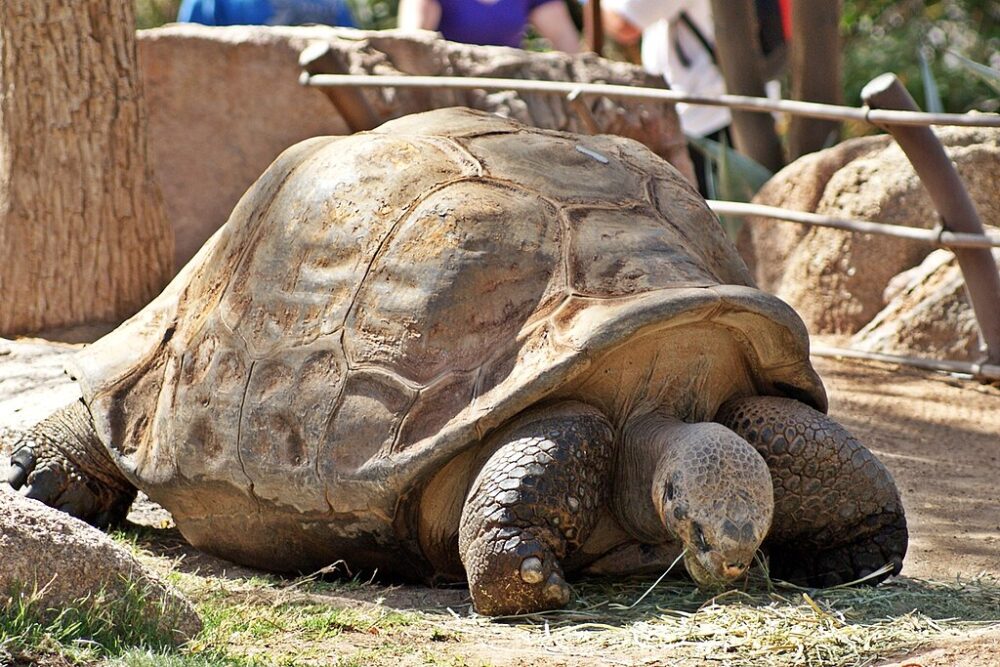
Gramma, one of the San Diego Zoo’s most beloved residents and among the oldest Galápagos tortoises in human care, has died at an estimated age of 141. Her extraordinary lifespan stretched across generations, world events, and countless visitors who came to admire her gentle presence. Born in the late 1800s, Gramma lived through decades of conservation work and helped educate millions of guests about the species’ history and fragility. Her passing marks the end of an era for the zoo and for admirers around the world.
1. Gramma Was One of the Oldest Tortoises in Human Care

Estimated to be around 141 years old, Gramma was a living symbol of extraordinary longevity. Galápagos tortoises commonly live more than a century, but Gramma’s lifespan placed her among the oldest documented individuals worldwide. Her age made her a beloved figure at the San Diego Zoo and an ambassador for her species.
Her remarkable life spanned historic eras, from the late 19th century to the modern digital age. Visitors often marveled at how many world events she had “lived through,” even if she experienced them from the safety of her habitat.
2. She Arrived at the San Diego Zoo Nearly a Century Ago

Gramma arrived at the San Diego Zoo in 1953, making her one of its longest-tenured residents. At the time, the zoo was expanding its conservation programs, and her arrival helped spark public interest in protecting endangered species like Galápagos tortoises.
Over the decades, she became a familiar face to millions of visitors. Her presence helped generations of families learn about tortoise evolution, island ecosystems, and the importance of wildlife protection. Few zoo animals have had such a lasting educational impact.
3. Her Exact Birth Year Is Unknown but Goes Back to the 1800s
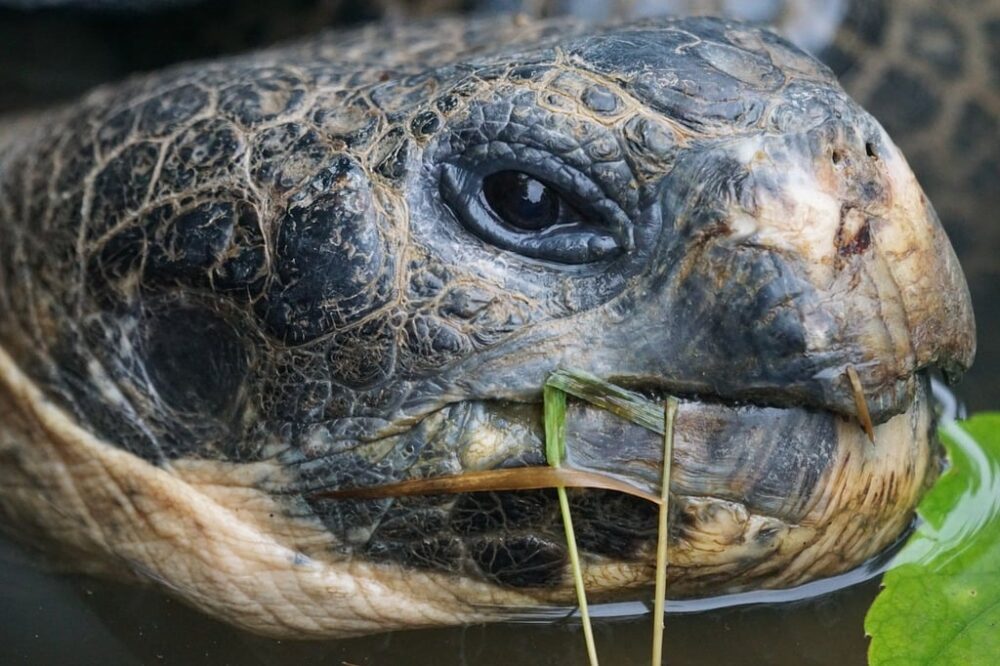
Because Gramma was collected long before modern record-keeping, researchers can only estimate her birth date. Based on size and shell characteristics when she arrived, experts believe she was born sometime in the late 19th century. This makes her older than the automobile, radio, and many major historical events.
Her uncertain origins highlight how differently animals were acquired in past eras. Today, strict conservation rules protect Galápagos tortoises in the wild, making stories like Gramma’s unlikely to happen again.
4. Gramma Became a Symbol of Conservation Awareness
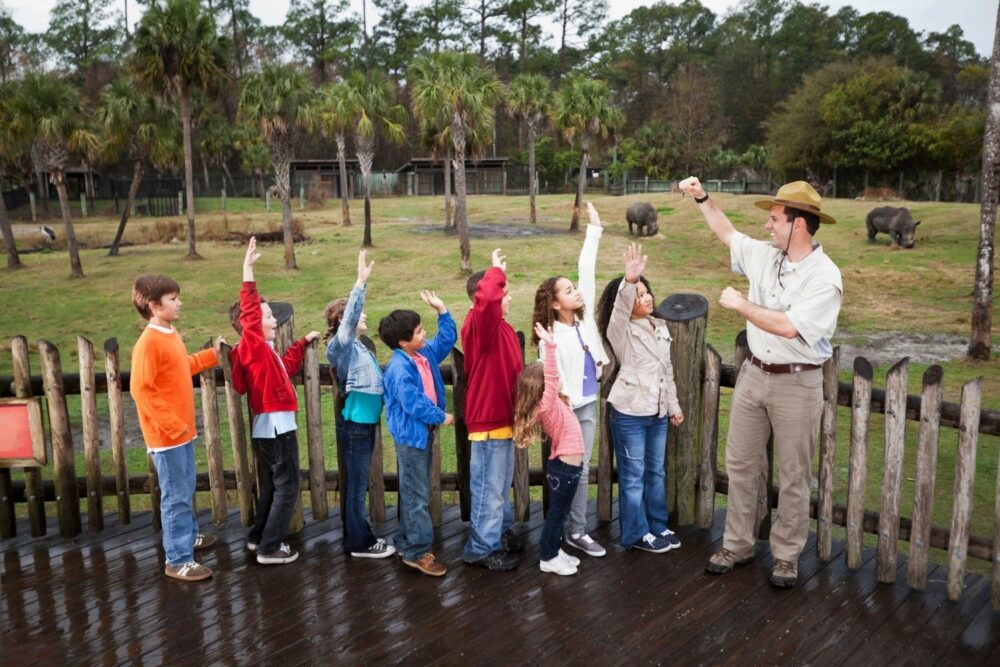
As conservation science advanced, Gramma took on a new role: inspiring care for endangered wildlife. Her species, once threatened by overharvesting and habitat loss in the Galápagos Islands, has been the focus of major recovery efforts. Zoo staff often shared Gramma’s story to highlight these challenges and showcase the progress made through conservation.
Her longevity allowed her to serve as a living connection to the early days of species protection. Many visitors left with a better understanding of why conserving tortoises remains essential.
5. She Was Known for Her Calm and Gentle Personality
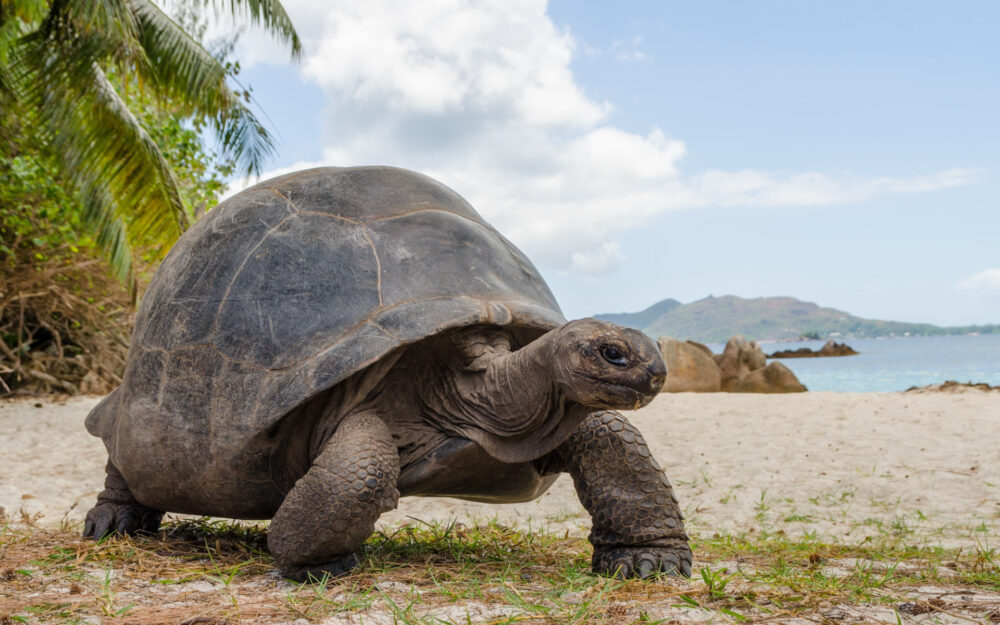
Keepers described Gramma as peaceful and slow-moving, even by tortoise standards. She often spent her days basking in the sun, munching on vegetables, or calmly observing visitors who stopped to admire her. Her mellow temperament made her a favorite among guests and staff alike.
Because she was so approachable, Gramma helped countless people—especially children—overcome fears of reptiles. Her mild personality became part of her charm and contributed to her status as a zoo icon.
6. Her Care Reflected Decades of Advances in Animal Health

Throughout her lifetime, veterinary care for reptiles changed dramatically. Gramma benefited from modern nutrition, medical monitoring, and habitat design that were unavailable in the early years of her life. These improvements likely contributed to her exceptional longevity.
Zoo staff worked closely with reptile specialists to maintain her health as she aged. Their dedication allowed Gramma to enjoy comfort and stability well beyond the typical lifespan of most zoo animals.
7. She Inspired Generations of Visitors at the Zoo
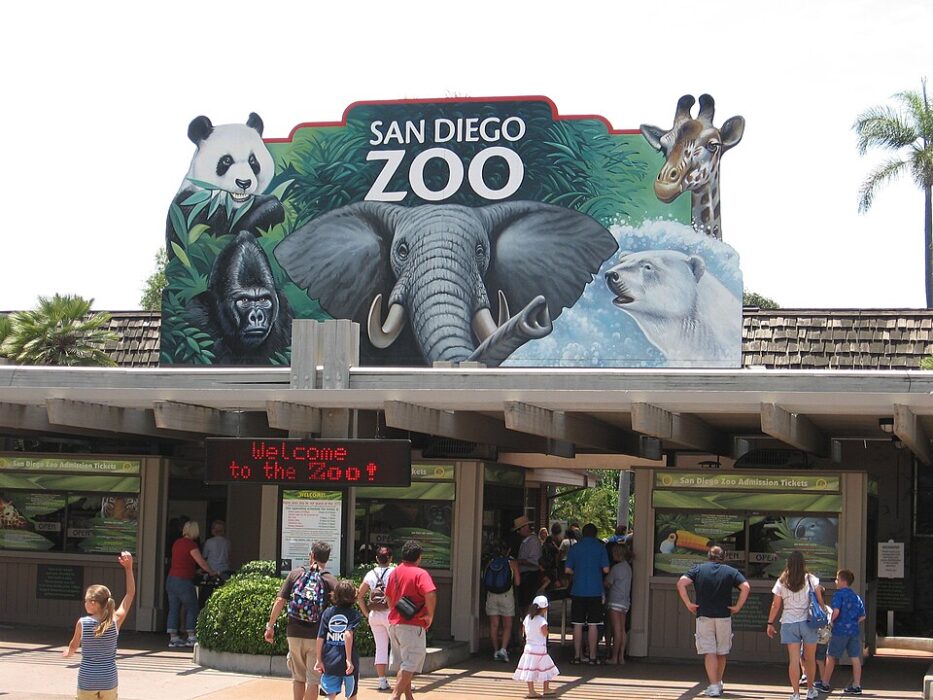
Millions of people saw Gramma during her decades at the San Diego Zoo. For many guests, she became an unforgettable part of childhood visits or family trips. Her massive size, slow movements, and ancient origins made her one of the zoo’s most talked-about residents.
Stories shared by visitors often describe how surprising it felt to see an animal older than their grandparents. That sense of awe played a major role in shaping her legacy as a cultural and educational landmark.
8. Galápagos Tortoises Have a Fascinating Evolutionary Story
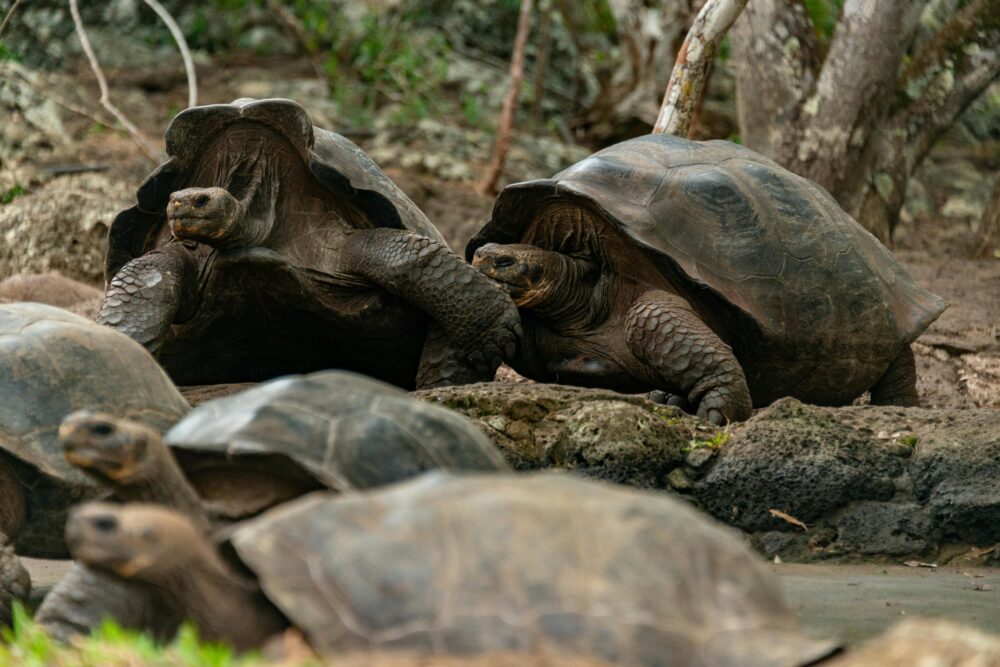
Gramma helped draw attention to the remarkable history of Galápagos tortoises, which famously influenced Charles Darwin’s theory of evolution. These tortoises evolved into multiple subspecies across the islands, each adapted to unique environments. Their long lifespans and impressive size make them one of the most iconic species on Earth.
By showcasing Gramma, the zoo helped highlight how these animals fit into the broader story of natural history. Her presence encouraged visitors to learn more about evolution, biodiversity, and the importance of island ecosystems.
9. Her Passing Marks the End of a Historic Era
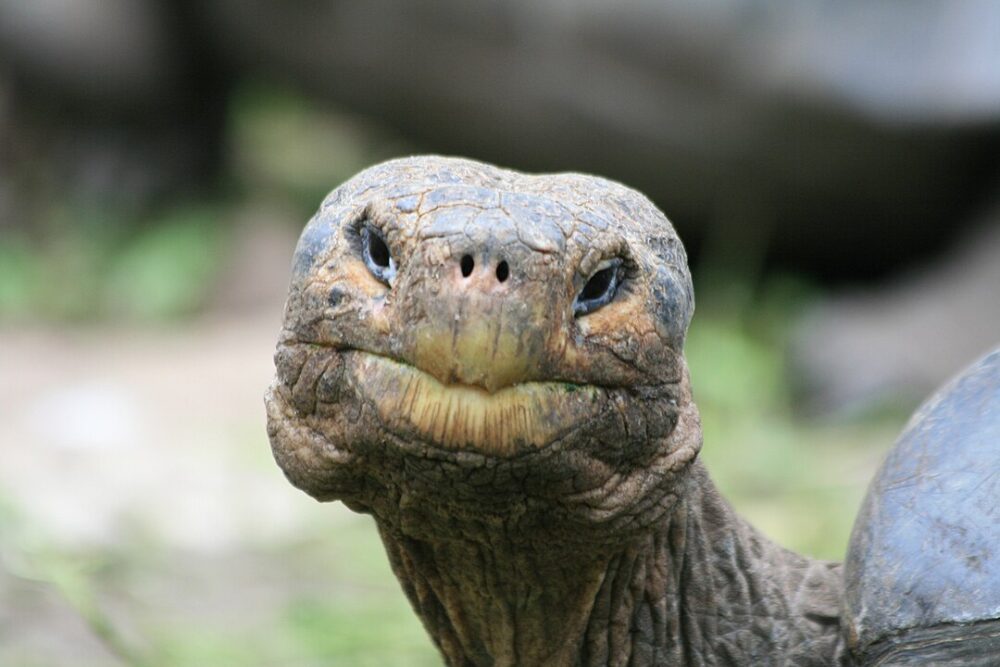
With Gramma’s death, the San Diego Zoo said goodbye to one of its most historically significant animals. Her lifespan bridged centuries, making her a living link to a past few people today can imagine. Her absence leaves a noticeable gap, both for longtime zoo employees and for visitors who grew up seeing her.
While the zoo continues its conservation work with tortoises, Gramma’s unique life story remains unmatched. Her legacy will continue through the memories she left behind and the lessons she helped teach.
10. Gramma’s Legacy Will Shape Conservation Messages for Years

Zoo officials say Gramma will remain a central figure in how they talk about Galápagos tortoises and wildlife protection. Her story illustrates why long-lived species need long-term conservation planning. It also shows how individual animals can inspire meaningful connections between people and nature.
As researchers continue working to protect tortoises in the wild, Gramma’s life serves as a reminder of what is at stake. Her extraordinary journey will continue influencing education and conservation programs for generations.