A 2,000-Year-Old Roman Law Could Be the Key to Saving America’s Beaches

This ancient legal principle once governed empires—and it might now protect our eroding coasts.
©Image license via Canva

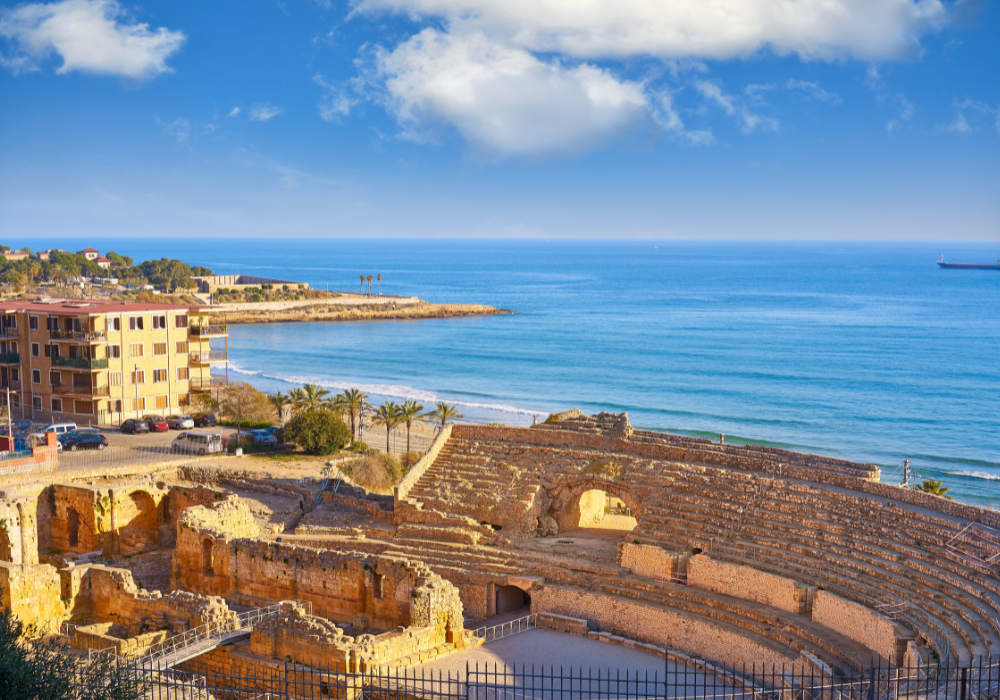
As rising seas swallow coastlines and private development fences off public access, America’s beaches are in crisis. But a 2,000-year-old Roman law might offer a surprising solution. Known as the Public Trust Doctrine, this ancient legal principle held that shorelines, rivers, and the sea were common property—owned by no one and shared by all. In Roman times, it protected the public’s right to access and use natural resources. Today, that same doctrine could be the key to reclaiming eroding beaches, restoring public access, and challenging private interests that treat the coast as their own. It’s old—yet more urgent than ever.
Read more

Your Relationship With Stuff Might Be the Real Source of Stress—10 Ways to Rethink It

Mature woman in cluttered room. ©Image license via Canva

The things you own might be quietly owning your peace and happiness.

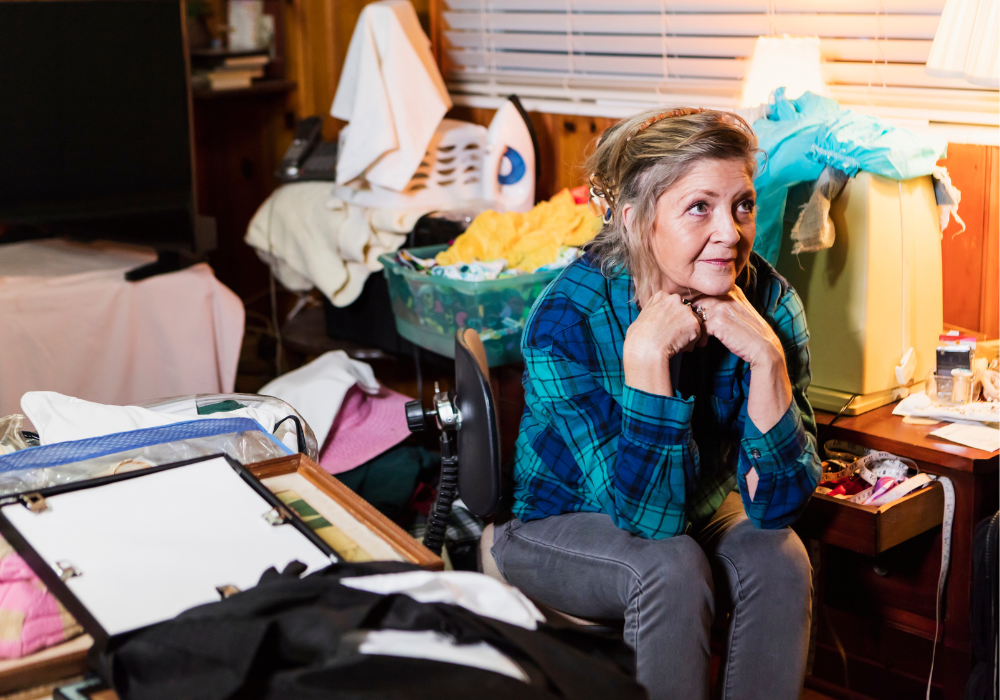
You may not realize it, but your stress might be hiding in plain sight—in the closets you avoid, the drawers you can’t shut, and the shelves packed with things you barely notice anymore. Our relationship with possessions runs deep, often shaped by emotions, identity, and habit. But when stuff begins to take up more than just space—when it consumes time, energy, and mental bandwidth—it quietly fuels anxiety, guilt, and overwhelm. You don’t have to live like that. By rethinking your connection to material things, you can lighten your emotional load. Here are 10 ways to shift your mindset and reclaim peace.

Read more

The Next Pandemic Could Be Worse—12 Alarming Gaps in Our Readiness

Despite everything we’ve learned, we’re still frighteningly unprepared for what comes next.

Health worker wearing protective clothing. ©Image license via Canva

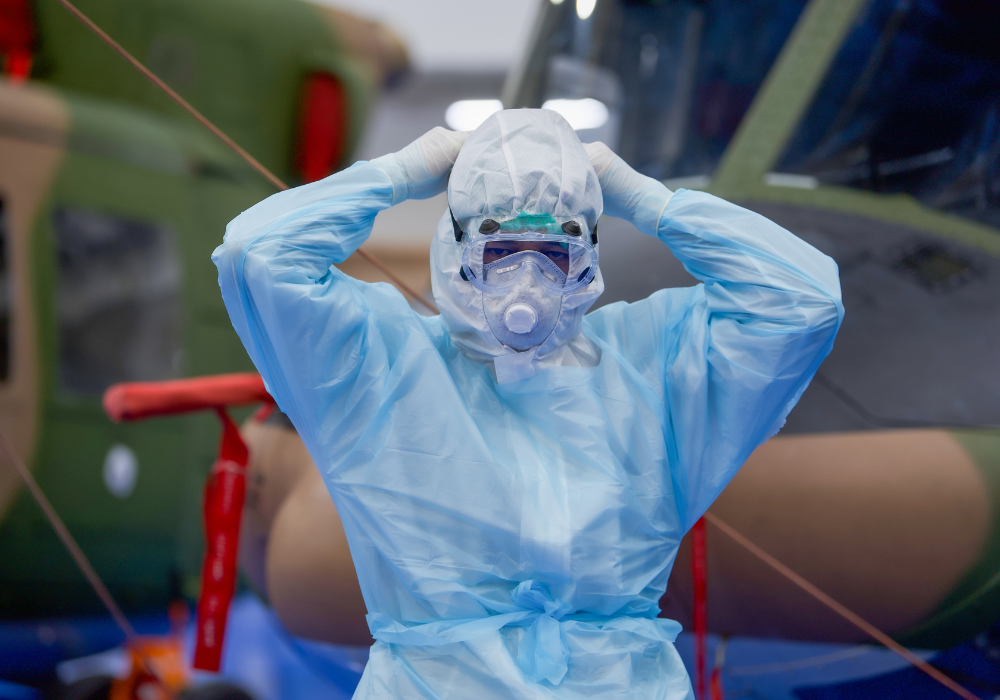
The world is still recovering from the shock of COVID-19—but the next pandemic could be even deadlier, and we’re alarmingly unprepared. Despite the devastating lessons of recent years, critical gaps remain in nearly every aspect of our pandemic defense—from early detection and hospital capacity to global cooperation and public trust. New infectious threats are emerging faster due to climate change, urbanization, and global travel, yet many systems meant to protect us remain outdated or underfunded. This isn’t fearmongering—it’s a wake-up call. Here are 12 glaring vulnerabilities in our current readiness that could make the next pandemic far worse.

Read more

Bracing for the Blistering Heat: Millions Under Alerts as America’s Heat Dome Intensifies

As temperatures skyrocket, power grids, hospitals, and vulnerable communities are being pushed to the brink.

Sun shining through clouds. ©Image license via Canva

America is sweltering under a relentless heat dome that’s blanketing large swaths of the country in dangerous, record-shattering temperatures. From the Southwest to the Midwest, millions are under heat alerts as daytime highs soar past 110°F and nighttime lows offer little relief. This isn’t your typical summer scorch—it’s a climate-fueled furnace testing the limits of infrastructure, energy systems, and human endurance. Emergency rooms are filling up, power grids are under strain, and vulnerable populations face life-threatening risks. As the heat dome expands and intensifies, experts warn that these extreme conditions may become our new normal. Here’s what’s happening—and what’s at stake.

Read more

10 Places Climate Refugees Are Already Moving To—and What It Means for the Future

Rising seas and scorching heat are quietly triggering a mass migration.

Family with moving boxes. ©Image license via Canva

The climate crisis isn’t a distant threat—it’s already uprooting lives. From wildfires in the West to floods in the South, people are quietly packing up and starting over in safer places. This isn’t just about beachfront properties or drought-prone towns—it’s a full-blown migration shift happening beneath the radar. Climate refugees, once a term for distant crises, now include American families fleeing rising insurance rates, repeated evacuations, and unlivable heat. As they resettle, they’re reshaping the political, economic, and cultural future of the regions they move to.

Read more

Trump Just Gave Over 100 Polluters a Free Pass—Here’s What It Means

Corporate polluters just got a green light—and communities will pay the price.

Factory pollution. ©Image license via Canva

The headlines barely scratched the surface, but the implications are staggering: over 100 polluters just got a regulatory free pass, thanks to a sweeping move by the Trump administration. Under the banner of “deregulation” and “economic growth,” environmental safeguards have been loosened or erased altogether, giving major corporations more leeway to pollute without fear of penalties. This isn’t just political posturing—it’s a seismic shift in how the U.S. enforces clean air, water, and land protections. As wildfires rage and floods displace families, this rollback couldn’t come at a worse time. The long-term consequences? They may already be unfolding around us.

Read more

10 Ways Food Expiration Dates Quietly Create Massive Waste

Most people trust expiration dates blindly—and it’s costing us billions in food.

Woman reading label on can. ©Image license via Canva

We’ve all done it—pulled a yogurt from the fridge, spotted the expiration date, and tossed it without even a sniff. But those small printed dates, meant to offer peace of mind, are actually a major driver of food waste. In the U.S. alone, millions of tons of perfectly edible food end up in landfills every year, much of it tossed out due to confusing or overly cautious expiration labels. The truth? Most dates aren’t about safety—they’re about quality, branding, and liability. Here’s how these misleading labels quietly contribute to one of the biggest waste problems we face today.

Read more

How Climate Change and Global Trade Are Driving a Silent Extinction Crisis

Your morning coffee and that cargo ship could be pushing animals to the brink.

Container cargo ship. ©Image license via Canva

You probably don’t notice it, but the world is getting quieter—literally. Frogs, birds, bees, and thousands of other creatures are vanishing, and it’s not always because of bulldozers or poachers. The real culprits? A warming planet and the relentless pace of global trade. What you buy, how it’s shipped, and where it’s grown all play a part in pushing species closer to the edge.

This isn’t just about “saving the whales”—it’s about the slow collapse of ecosystems we all depend on. The saddest part? It’s happening in plain sight, and most people have no clue. These 11 hidden drivers of extinction are linked to our everyday climate and trade habits—and once you see them, you can’t unsee them.

Read more

13 Things That Were Marketed as “Reusable” But Rarely Survive the Month

You bought them to save money and waste—now they’re cluttering your trash can.

©Image license via Canva

You jumped on the reusable bandwagon—shopping with good intentions and a hopeful heart. Save money? Help the planet? It sounded like a no-brainer. But now your kitchen drawer is stuffed with warped silicone lids, broken “eco” scrubbers, and mystery lids that no longer fit anything. The truth is, not all reusable products are created equal. Some of them are just overhyped plastic with a green label slapped on. Others sound genius in theory but fail miserably in real life. If you’ve ever wondered why your sustainable stash seems short-lived, you’re not alone. Here are the worst offenders that rarely go the distance.

Read more

11 Signs Your Insurance Company May Dump You After the Next Natural Disaster

Rising climate risks mean your “guaranteed” coverage might not be so guaranteed.

Worried couple looking at computer. ©Image license via Canva

You pay your insurance premiums faithfully, trusting your provider will have your back when disaster strikes. But here’s the harsh truth—some insurance companies are already planning their exit before the next storm even forms. With wildfires, floods, hurricanes, and other natural disasters on the rise, insurers are scrambling to protect their bottom line—and that often means dropping you. Fast.

Homeowners across the country are waking up to cancellation notices or steep rate hikes right when they need protection the most. These red flags can help you spot the warning signs early—before you’re left uninsured when you need it most.

Read more