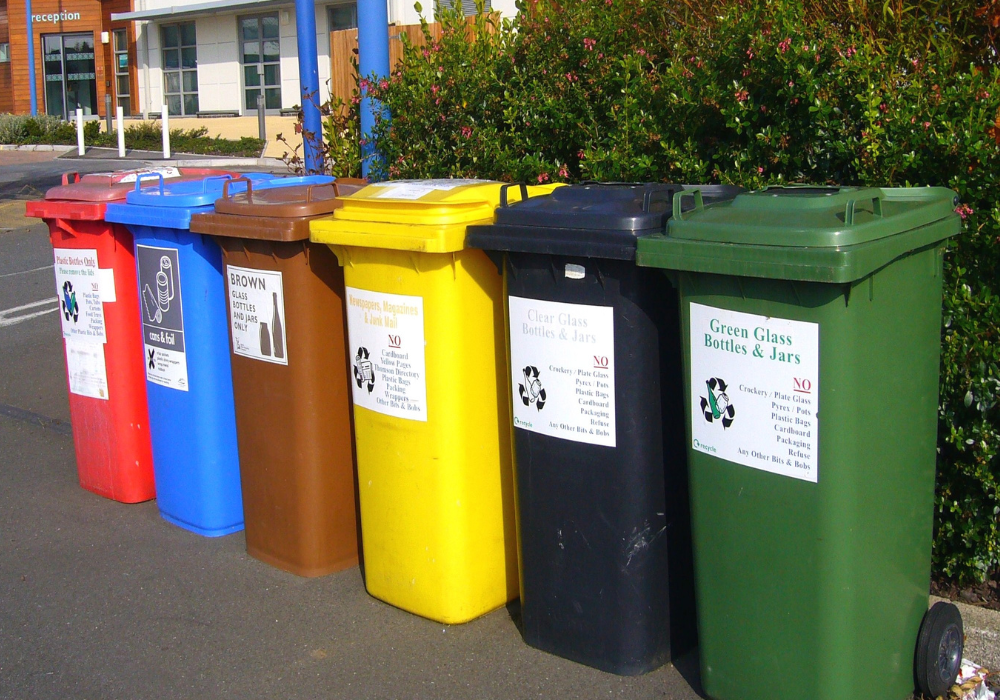
These Items are the Most Difficult for Waste Management to Recycle

Tired of guessing what goes where? This guide takes the confusion out of eco-friendly disposal.
©Image license via Canva

Tossing something in the recycling bin feels like a win—but not all items belong there, even if they seem recyclable. Some of the most common household goods—like paint cans, old electronics, and even juice boxes—are actually major recycling headaches.

When disposed of improperly, they can contaminate recyclables, break sorting machines, or release harmful chemicals into the environment. But that doesn’t mean they’re hopeless cases.
Read more

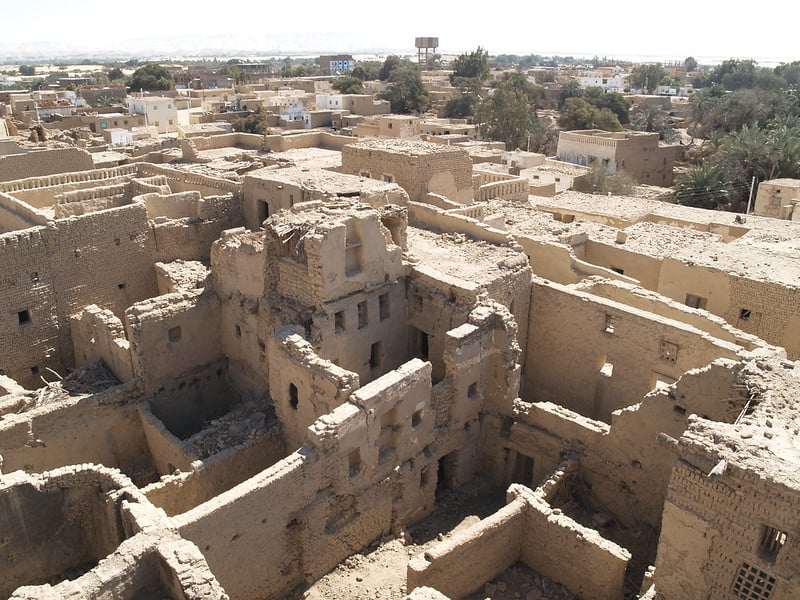
10 Surprising Ways People 3,000 Years Ago Were More Sustainable Than We Are Today

Their low-tech, low-impact lifestyles could teach us more than all our modern green gadgets.

©Image license via Flickr

When we think of sustainability, we often picture futuristic solutions—solar panels, electric vehicles, smart homes. But thousands of years ago, long before carbon footprints and climate conferences, ancient civilizations were quietly mastering the art of living in harmony with nature.

Without modern tech or climate data, they built homes that stayed cool without air conditioning, farmed without synthetic chemicals, and reused nearly everything. They didn’t do it to be trendy—they did it to survive. And it worked.

As we scramble today to undo centuries of environmental damage, their wisdom feels more relevant than ever. These surprising habits from people who lived 3,000 years ago show us that living sustainably isn’t new—it’s something humanity once knew how to do instinctively.

Read more

13 Vital Services Earth Performs For People—Now Under Threat

Explore how climate change and pollution are threatening the essential life-support systems our planet provides—and what’s at stake for humanity.

©Image license via Canva

Our planet delivers essential services that sustain life—clean air, fresh water, food, and more. But climate change, pollution, and habitat loss put these gifts at risk. Discover 13 crucial ways Earth supports us—and keep reading to see why their future matters to everyone.

Read more

Climate Change Is Making Your Food Less Nutritious—Here’s What Scientists Are Doing About It

Rising CO₂ levels aren’t just warming the planet—they’re sapping nutrients from your plate.

©Image license via Canva

As climate change continues to disrupt ecosystems and weather patterns, scientists are uncovering a troubling ripple effect that hits much closer to home: your food may be losing its nutritional value.

A growing body of research shows that rising carbon dioxide levels in the atmosphere can alter the way crops grow, diluting their concentrations of essential nutrients like zinc, iron, and protein. This means even a healthy-looking meal might not nourish you as well as it once did. The implications are enormous—especially for communities that rely heavily on staple crops.

From rice to wheat to legumes, our global food supply is under silent attack. Fortunately, scientists around the world are working to understand the problem and explore solutions, from advanced crop breeding to soil innovations. The race is on to ensure future generations don’t suffer from a hidden hunger.

Read more

Forest Bathing, Sound Therapy, and 8 Other Wellness Practices Taking Over

Discover the natural self-care trends helping people reduce stress, boost energy, and reconnect with what really matters.

©Image license via Canva

Wellness isn’t just about workouts and green smoothies anymore. A new wave of holistic practices is reshaping how we think about health—emotionally, mentally, and spiritually. From nature immersion to vibrational healing, these trends tap into ancient wisdom and modern science to offer deeper forms of restoration.

And they’re not just fringe movements anymore—mainstream therapists, doctors, and wellness centers are taking notice. These practices invite you to slow down, tune in, and heal in ways you might not expect. These 10 wellness approaches are rapidly gaining traction, and they might just be exactly what your body and mind need.

Read more

The First Country Forced to Evacuate—And It’s Because of Climate Change

Rising seas are making one island nation uninhabitable—now its citizens must flee.

©Image license via Canva

Tuvalu, a tiny island nation tucked in the Pacific Ocean, is facing an unthinkable future—becoming the world’s first country forced to relocate its entire population due to climate change. With just over 11,000 citizens and an average elevation of less than seven feet, Tuvalu has watched its shorelines vanish and freshwater sources degrade as sea levels rise, according to a recent article in Wired Magazine.

In 2023, the nation struck a groundbreaking agreement with Australia, allowing a limited number of Tuvaluans to relocate each year through a climate visa program. While Tuvaluans remain deeply connected to their land, this planned migration is no longer theoretical. It’s a blueprint for climate-era survival and a dire signal that what once seemed far off is happening now—and faster than many expected.

Read more

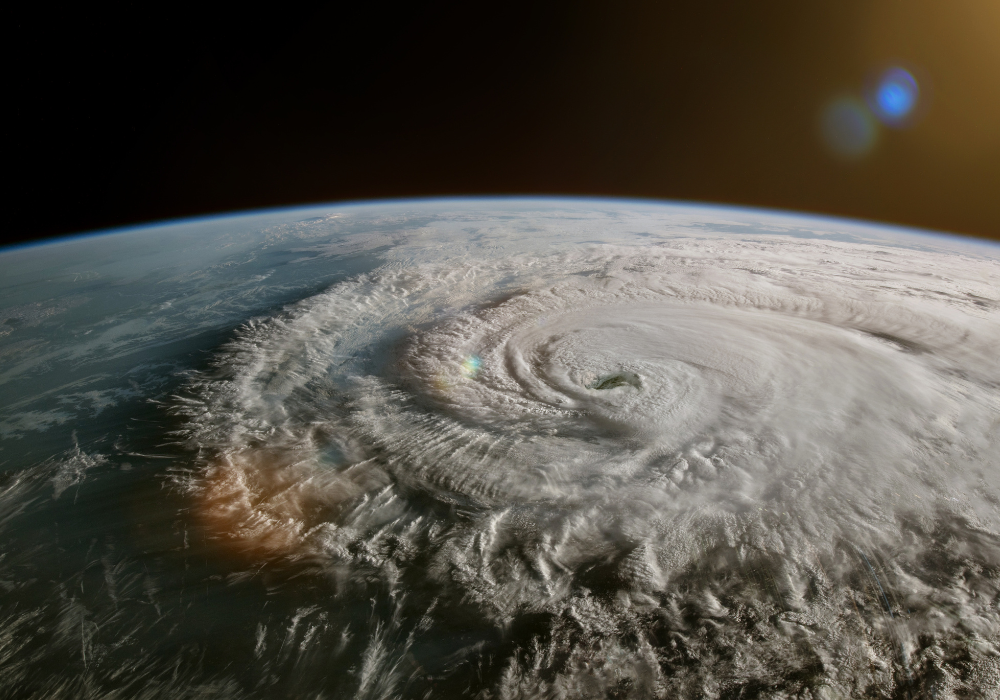
The Next ‘Storm of the Century’ Is Brewing—It Could Be Worse Than Ever

Rising ocean temps and atmospheric chaos are fueling storms we may no longer be able to predict—or survive.

©Image license via Canva

A storm is forming that scientists warn may surpass anything seen in modern U.S. weather history. With climate change intensifying atmospheric dynamics, events once deemed rare—”hundred‑year storms”—are unfolding multiple times per decade. NOAA and climate experts predict an above-average Atlantic hurricane season in 2025, while western states face increasing risks from amplified atmospheric rivers capable of dumping catastrophic rainfall.

These supercharged storms, fueled by warmer sea surface temperatures and increased moisture in the air, threaten to shatter infrastructure, flood cities, and overwhelm emergency systems. As history rewrites what counts as extreme, preparedness systems may lag behind the new normal. This series of escalating dangers could unleash a summary-level “storm of the century”—only this time, it may come with far greater ruin.

Read more

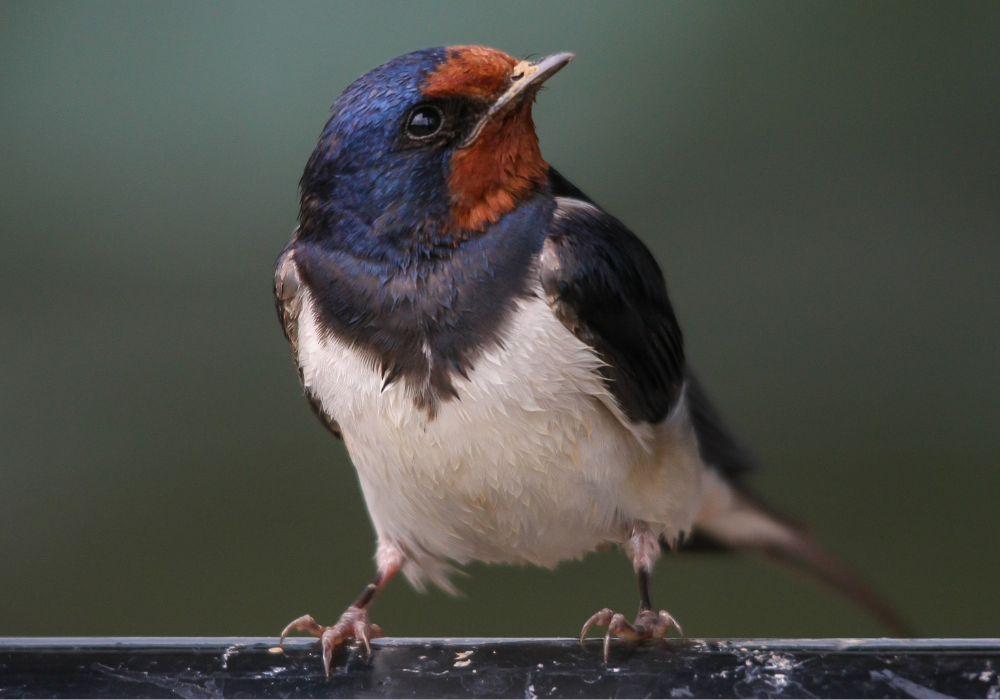
America’s Birds Are Disappearing—And It’s Worse Than Anyone Thought

A third of U.S. bird species are vanishing—and nearly 80 are in freefall.

©Image license via Canva

The State of the Birds 2025 report delivers a sobering wake-up call: one-third of all bird species in the United States are now in decline. Nearly 80 species have lost more than half their populations over the past five decades—and they’re still disappearing. Compiled by top conservation and scientific organizations, the report warns of an accelerating collapse tied to habitat loss, climate change, and human activity.

From songbirds to shorebirds, once-familiar species are vanishing from skies, forests, and wetlands across the country. Here’s what this alarming trend means for ecosystems, the planet, and our own future.

Read more

10 Artists Turning Trash Into Stunning Works of Environmental Art

Meet the visionaries using garbage to spark conversation and reimagine sustainability.

©Image license via Flickr

As the planet grapples with a growing waste crisis, a bold movement in the art world is turning discarded debris into creative protest. From ocean plastic and industrial scrap to e-waste and food packaging, artists are reclaiming what society throws away and transforming it into arresting works that challenge how we see the environment—and ourselves. These creators aren’t just making art; they’re raising awareness about consumption, pollution, and the consequences of throwaway culture.

Their works straddle the line between beauty and discomfort, forcing viewers to reckon with the materials we mindlessly discard. This fusion of environmentalism and artistry is reshaping both the gallery and the conversation, proving that even the ugliest remnants of human waste can become powerful, transformative symbols in the hands of visionaries who refuse to look away.

Read more

The Crisis No One Wants to Talk About—13 Reasons Young Men Are Falling Behind

Mental health, education, and identity issues are piling up—and young men are drowning in silence.

Depressed young man. ©Image license via Canva

Something troubling is happening to young men, but it’s slipping under the radar. Fewer are going to college. More are struggling with addiction, loneliness, and identity crises. They’re disengaging from the workforce, falling behind socially, and checking out emotionally. While girls and women have surged forward—breaking barriers and finding their voices—many young men seem to be stuck in neutral or spiraling in reverse. Cultural shifts, economic upheaval, and outdated gender expectations are colliding in ways that leave young men confused, disconnected, and unheard.

Read more