
Ragasa makes landfall in southern China, triggering mass evacuations and power outages.
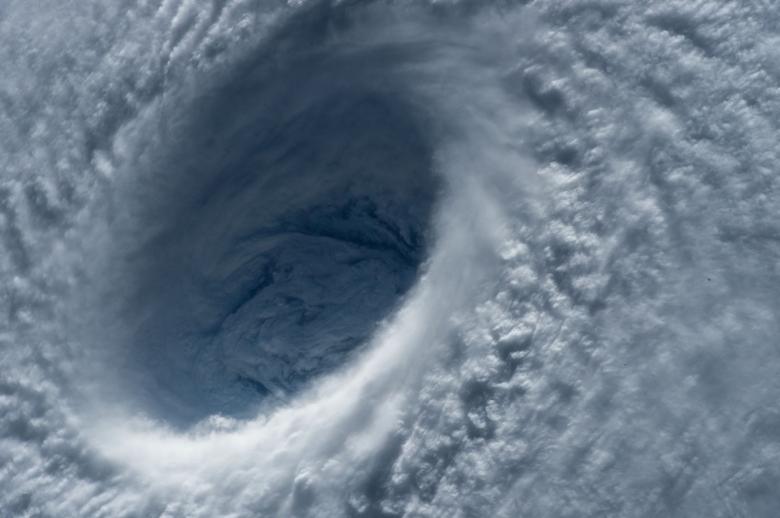
Super Typhoon Ragasa, a Category 5 storm described by meteorologists as among the strongest on record, made landfall in southern China on Wednesday. Authorities ordered roughly 400,000 people to evacuate in Shenzhen and surrounding parts of Guangdong province as the storm unleashed destructive winds, torrential rain, and dangerous storm surges. Flights were canceled, schools closed, and businesses shuttered in preparation. Officials warn that Ragasa could bring catastrophic flooding and widespread power outages as it carves a path through one of China’s most densely populated regions.
1. Ragasa Slams Into Southern China as a Category 5 Storm

Super Typhoon Ragasa made landfall in Guangdong province on Wednesday as a Category 5 storm, the highest classification possible. With sustained winds over 160 miles per hour, it ranks among the strongest storms ever recorded in the region. Entire neighborhoods were battered by rain and gale-force winds as the eyewall pushed inland.
Meteorologists stress that storms of this magnitude are capable of devastating even well-built structures. The destructive winds, coupled with torrential rain, create conditions ripe for flash flooding and landslides. Ragasa’s arrival has already placed millions of people at risk across southern China’s most densely populated areas.
2. 400,000 Residents Ordered to Evacuate

Authorities in Shenzhen and surrounding parts of Guangdong province relocated roughly 400,000 residents before the storm struck. Evacuations targeted low-lying neighborhoods, flood-prone districts, and coastal communities where storm surges posed the greatest threat. Emergency shelters were opened in schools and public buildings to house evacuees safely.
The evacuation effort marks one of the largest in recent Chinese history. Officials emphasized that lives could be lost if residents ignored warnings and attempted to stay behind. By relocating people early, authorities reduced the danger of casualties from both flooding and collapsing infrastructure during Ragasa’s landfall.
3. Shenzhen Declares Emergency Readiness

Home to more than 17 million residents, Shenzhen shifted into full emergency mode before Ragasa made landfall. The city suspended classes, closed businesses, and halted public events. Residents were urged to remain indoors, stock up on food and water, and avoid unnecessary travel as conditions worsened.
Emergency crews, including police, firefighters, and medical teams, were deployed throughout the city to prepare for rescues and disaster response. Officials also activated backup power systems in hospitals and shelters. The city’s massive population density makes effective preparation vital, as even minor oversights could quickly escalate into life-threatening situations.
4. Flights and Rail Services Suspended

Hundreds of flights were canceled across southern China, including at Shenzhen Bao’an International Airport. High-speed rail services were also suspended in Guangdong to keep travelers from being stranded in dangerous conditions. Bus routes and ferry services were halted along coastal areas to minimize risks.
These widespread transport disruptions, while frustrating for passengers, were part of a coordinated safety strategy. Authorities explained that halting travel prevents accidents and ensures emergency crews can move freely during the typhoon. Officials expect significant delays in restoring services once the storm passes due to infrastructure damage and flooding.
5. Storm Surges Threaten Coastal Cities

Meteorologists warn that storm surges pose the most immediate danger from Ragasa. The typhoon’s immense winds are pushing seawater several meters higher than normal tide levels, placing coastal cities at severe risk of inundation.
Combined with Ragasa’s torrential rainfall, surges could flood entire districts in Shenzhen and other parts of Guangdong. Officials have banned residents from approaching shorelines until conditions improve. In previous storms, surges caused most fatalities, underscoring why authorities acted early to relocate hundreds of thousands of people away from vulnerable coastal areas.
6. Hong Kong Feels Severe Impacts Too
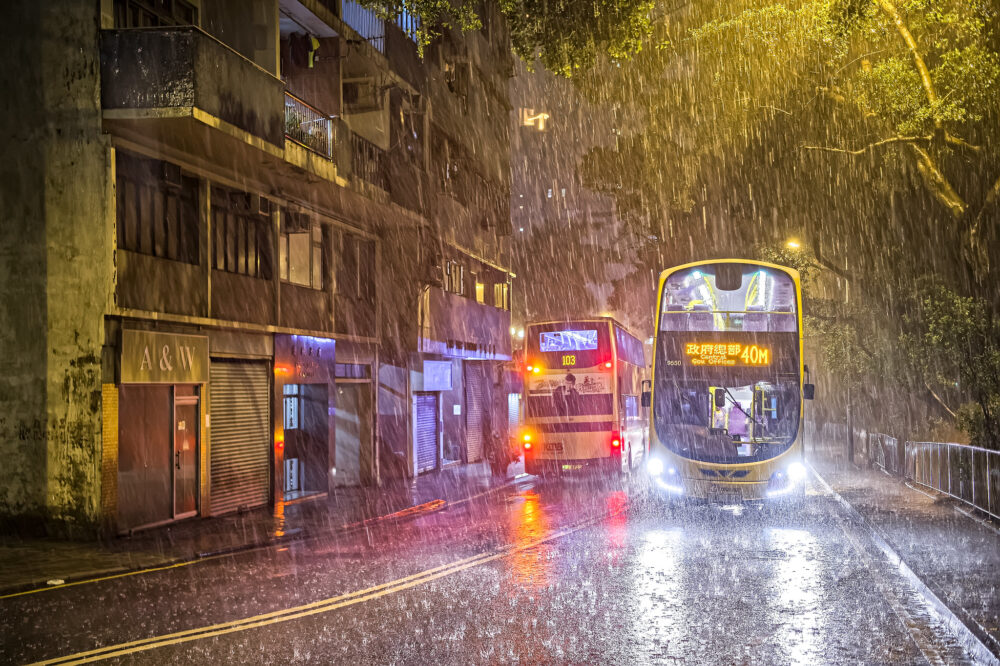
Although Ragasa did not make direct landfall in Hong Kong, the city experienced extreme weather as the storm passed nearby. Schools and businesses shut down, flights were grounded, and residents were urged to stock up on supplies as the outer bands unleashed heavy rain and winds.
Authorities issued the city’s highest storm warning and cautioned about landslides in hillside neighborhoods. Transportation was severely restricted to keep people indoors. The close call demonstrates that Ragasa’s destructive reach extends far beyond the center of landfall, impacting millions even outside the direct path.
7. Power Outages Spread Across Guangdong

Reports from Guangdong confirmed widespread power outages as Ragasa’s winds toppled trees, downed lines, and damaged substations. Entire districts were plunged into darkness overnight, with some areas expected to remain without power for days.
Hospitals and emergency shelters are operating on generators to maintain vital services. Residents were advised to charge devices and store clean water in advance. Utility crews are prepared to begin repairs as soon as conditions allow, but full restoration could take time given the storm’s scale and intensity.
8. Climate Change Likely Intensifies Storms

Experts note that Ragasa’s record strength is fueled by unusually warm waters in the South China Sea. Warmer oceans provide more energy for cyclones, making them larger, wetter, and more destructive. Ragasa exemplifies this trend, with scientists warning of similar storms in the future.
While typhoons are a normal part of life in East Asia, studies show their frequency and intensity are growing. Climate change has become a critical factor in disaster preparedness, forcing governments to adapt quickly to new levels of storm strength and unpredictability.
9. Economic Disruption Will Be Enormous
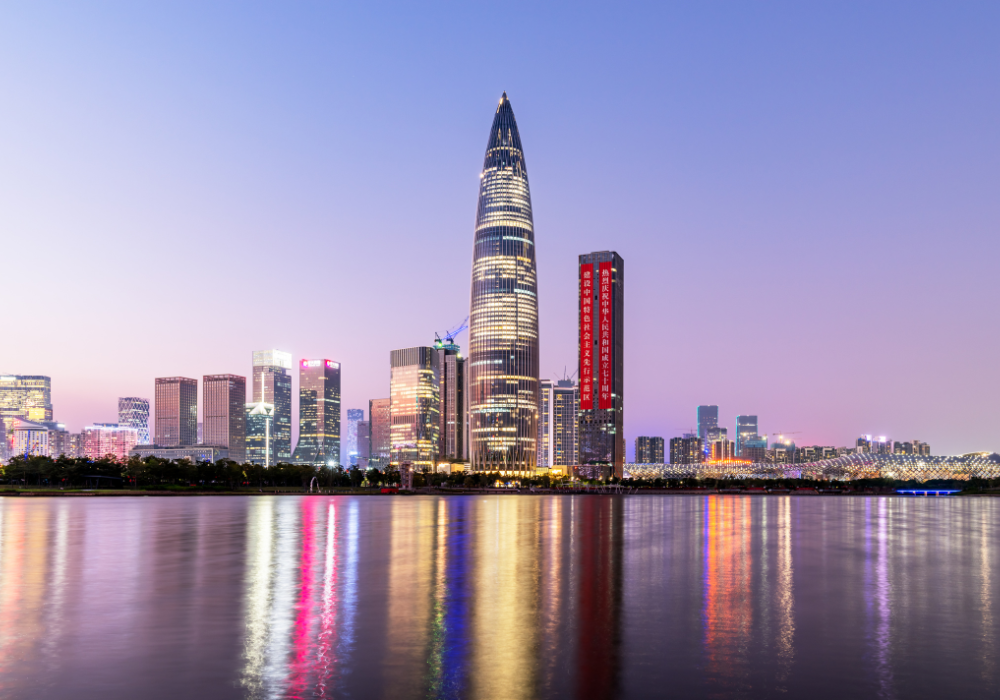
Guangdong province is one of China’s economic powerhouses, hosting major technology companies, factories, and global shipping hubs. Ragasa’s landfall has already disrupted supply chains, halted production, and delayed exports from critical ports.
Economists predict losses in the billions from damaged infrastructure, factory shutdowns, and extended transport delays. Businesses across the region may take weeks to recover, adding pressure to China’s economy and global markets. Authorities will assess the full scale of losses after the storm passes, but early signs suggest significant long-term impacts.
10. Shelters House Thousands of Evacuees

Thousands of people forced to flee their homes are now staying in emergency shelters stocked with food, water, and bedding. Authorities say these shelters could remain full for days until floodwaters recede and conditions improve.
Relief workers and volunteers are assisting with supplies and care, particularly for elderly evacuees and children. By providing safe spaces, the shelters reduce pressure on hospitals and other services. Officials stress that shelters are critical to keeping displaced families safe from further harm during the typhoon’s aftermath.
11. Public Safety Remains the Top Priority

Government officials continue to emphasize that protecting lives is more important than safeguarding property. Residents are urged to follow evacuation orders, stay in designated shelters, and avoid traveling outdoors until conditions stabilize.
Even after Ragasa moves inland, dangers from flooding, landslides, and debris will remain high. Authorities warn that ignoring guidance could prove fatal. By placing safety at the forefront of their message, officials hope to reduce the storm’s human toll despite its unprecedented strength.