
Experts warn Earth’s land is reaching dangerous tipping points.
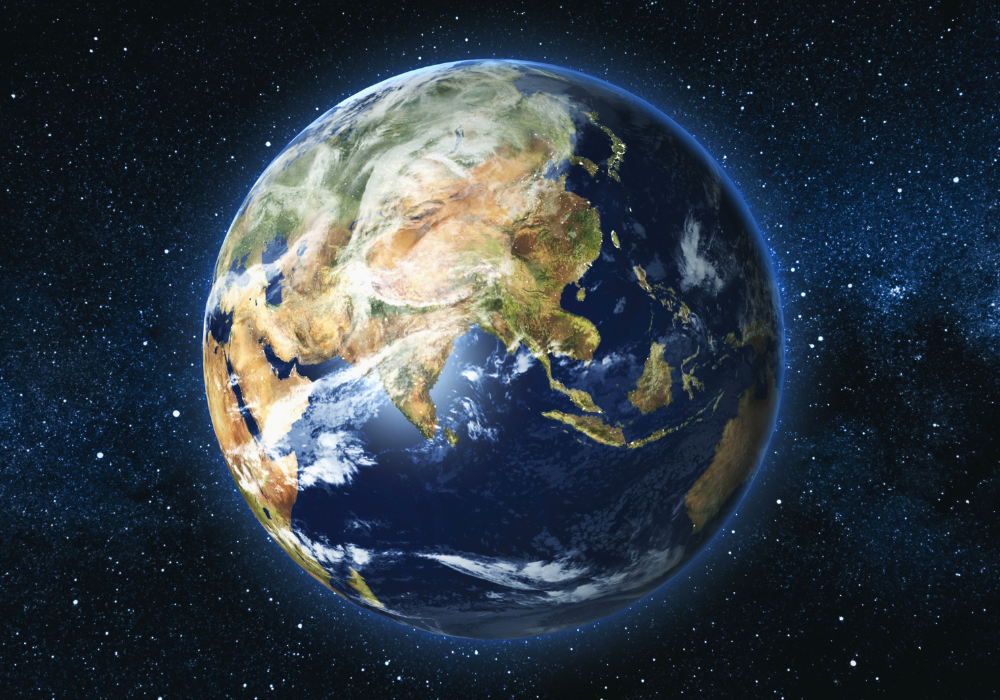
A new study published in Nature Sustainability warns that the majority of Earth’s land could be at serious risk from climate change, deforestation, and human development. Researchers found that ecosystems across every continent are approaching tipping points where recovery may no longer be possible. While the exact impacts will vary, the study suggests that rising temperatures, shifting rainfall, and expanding agriculture could permanently transform landscapes. Scientists say urgent action is needed to slow these trends before large portions of the planet become unable to support life as we know it.
1. Scientists Sound the Alarm on Global Land Risks
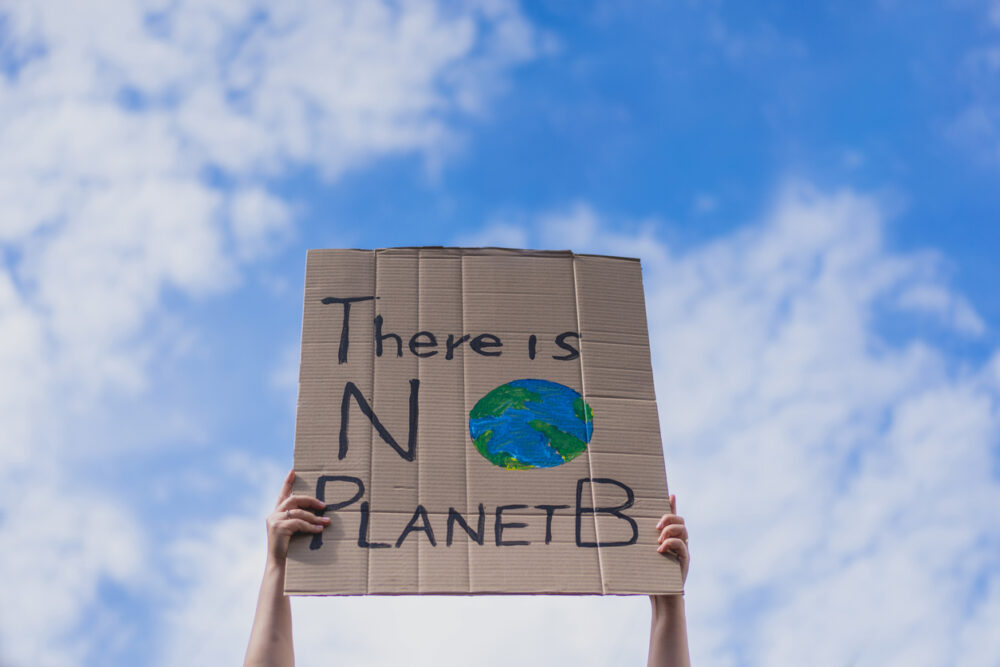
A major study in Nature Sustainability warns that most of Earth’s land is now at risk from human activity and climate change. Ecosystems are approaching tipping points where recovery may no longer be possible if pressures continue to grow unchecked.
Forests, wetlands, grasslands, and farmland all show signs of collapse. Researchers emphasize this is a global emergency, not just a regional concern. If these natural systems fail, food production, water supplies, and economies will be destabilized. The consequences could permanently transform Earth’s surface and human survival.
2. Climate Change Is Reshaping the Ground Beneath Us
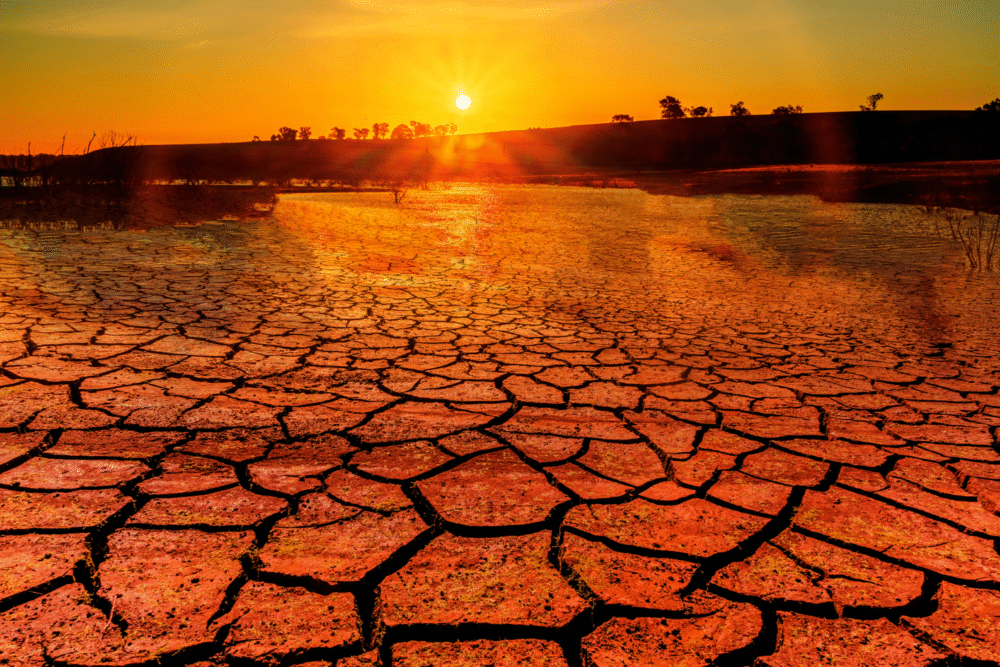
Rising temperatures are accelerating land degradation everywhere. Shifting rainfall brings drought in some areas and flooding in others, while stronger storms erode soil and reduce productivity. Extreme heat waves add stress, killing crops and vegetation in fragile ecosystems.
Scientists say climate change multiplies existing problems, amplifying damage from deforestation and poor land management. Every degree of warming increases the odds of irreversible decline. Without major efforts to cut emissions, the climate will continue reshaping landscapes worldwide, threatening food systems, water security, and millions of people who depend on stable, fertile ground.
3. Forests Are Approaching Dangerous Tipping Points
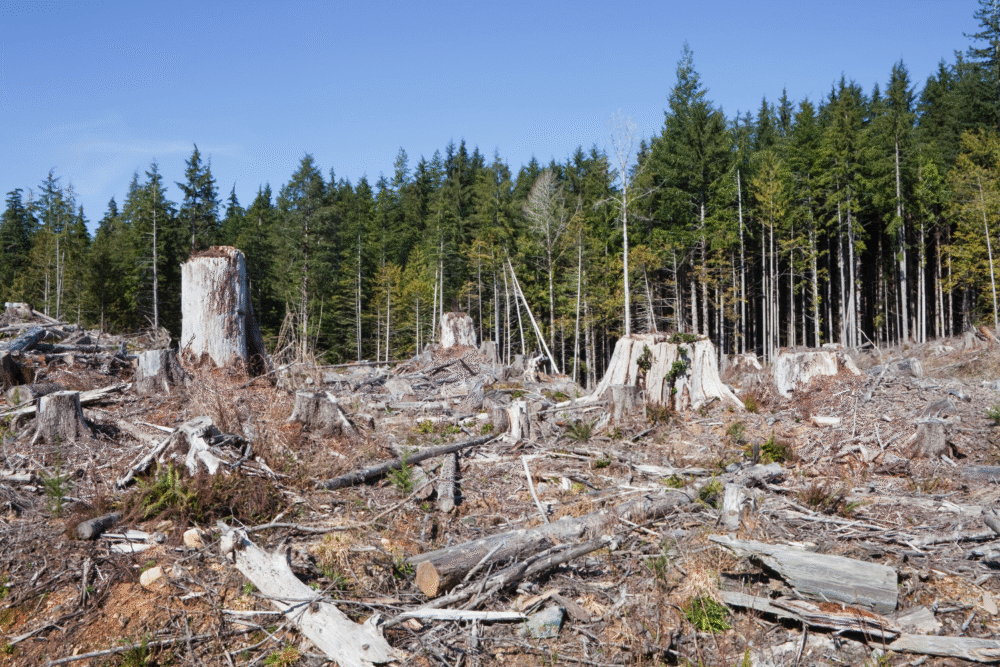
Forests, often called the lungs of the planet, are nearing collapse. Rampant deforestation, illegal logging, and intensifying wildfires are destroying their ability to regenerate. The Amazon rainforest, Earth’s largest, shows signs it could shift permanently into savannah.
If this transformation occurs, billions of tons of stored carbon would be released, accelerating global warming and destabilizing rainfall across continents. Such a collapse would devastate biodiversity, eliminate vital habitat, and weaken one of humanity’s most effective defenses against climate change. Scientists stress that once forests pass these thresholds, recovery is virtually impossible.
4. Agriculture Is Consuming the World’s Resources

Agriculture is one of the biggest drivers of land degradation. Forests, wetlands, and savannas are cleared to grow crops and raise livestock for a growing population. Industrial farming strips nutrients from soil, leaving it fragile and prone to erosion.
Chemical pesticides and fertilizers pollute rivers and lakes, damaging ecosystems far beyond the farm. While agriculture sustains billions, its unsustainable growth threatens the very land it relies on. The study warns that soil fertility loss could spark food crises. Without change, farming itself may accelerate the destruction of Earth’s ecosystems.
5. Freshwater Shortages Threaten Land Stability
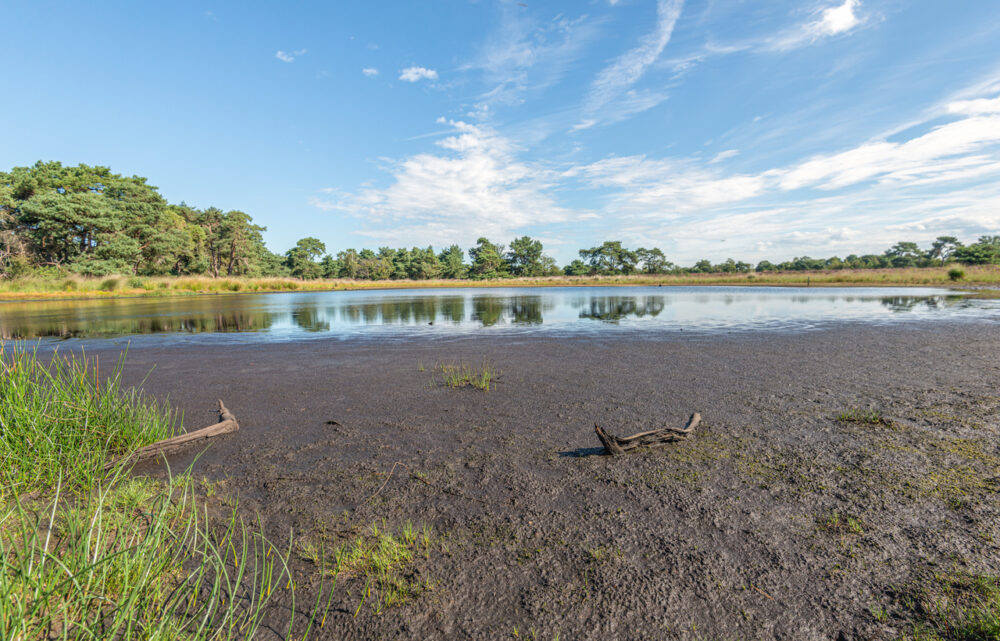
Rivers, lakes, and aquifers are being drained faster than they can naturally recharge. Climate change worsens this crisis by reducing rainfall and shrinking snowpacks that feed waterways. As water supplies disappear, land deteriorates at alarming speed.
Soils dry out, vegetation dies, and crops collapse. Desertification follows, creating barren landscapes unable to recover. Communities lose food and migrate in desperation. Researchers warn that without improvements in water management, billions could face shortages. Scarcity would destabilize economies and fuel conflict, pushing vulnerable regions into deeper humanitarian emergencies across the globe.
6. Desertification Is Expanding at Alarming Rates
Drylands cover nearly 40 percent of Earth’s surface, and they are expanding. Overgrazing, deforestation, and unsustainable agriculture combine with climate change to transform fertile regions into desert. Once desertification begins, reversing it is nearly impossible.
Communities living in these areas face worsening hunger, poverty, and displacement. The study highlights desertification as one of the clearest indicators of global decline, stripping land of its resilience and productivity. Without urgent intervention, fertile soils will vanish, displacing millions of people and intensifying global inequality. Land degradation here represents a permanent loss of survival capacity.
7. Urban Sprawl Is Consuming Natural Habitats

Cities are expanding at record pace, paving over fertile lands and ecosystems. Urban sprawl replaces wetlands, forests, and farmland with concrete, fragmenting habitats and erasing biodiversity. This unchecked growth also raises temperatures, worsens floods, and pollutes soil and water.
The spread of cities undermines food systems as farmland disappears, reducing our ability to feed growing populations. Researchers stress that without sustainable planning, urban areas could consume much of Earth’s most productive land. The study warns that if these trends continue, cities will overwhelm ecosystems that humans need for stability and survival.
8. Biodiversity Loss Weakens Nature’s Defenses
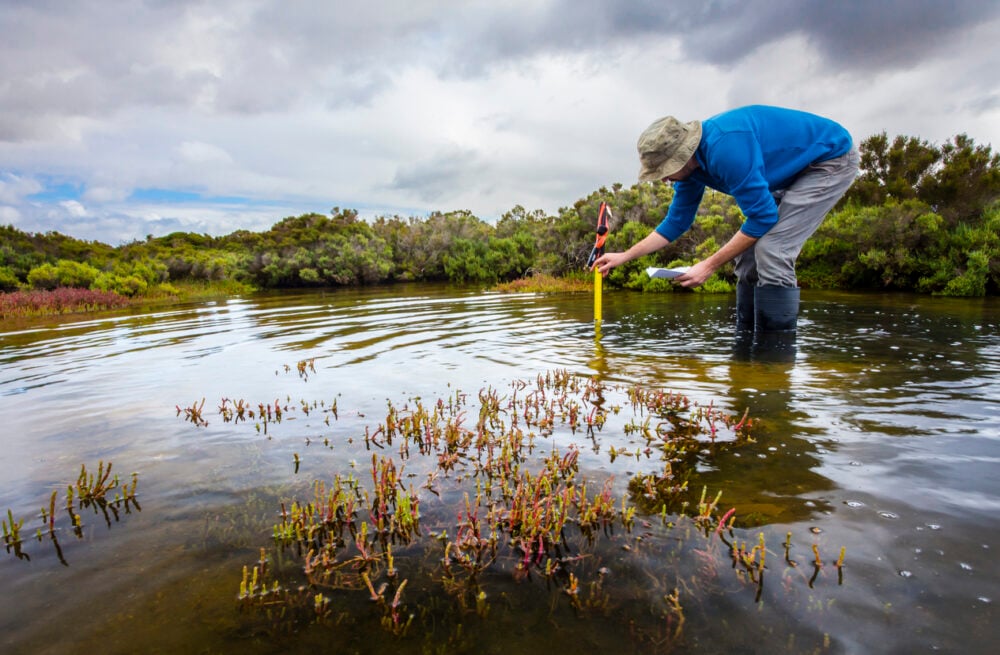
Healthy ecosystems rely on biodiversity to remain stable. Each species, from pollinators to predators, plays a role in keeping land resilient. Rising extinction rates are stripping away these natural defenses at alarming speed, leaving ecosystems fragile and prone to collapse.
Scientists warn biodiversity loss is not only a tragedy for wildlife—it is also a crisis for humans. When species vanish, soils weaken, crops fail, and clean water grows scarce. Once biodiversity crosses a tipping point, ecosystems cannot recover. Protecting species diversity is essential for safeguarding Earth’s lands and human future.
9. Coastal Lands Are Disappearing at Record Speeds

Rising seas and stronger storms are rapidly reshaping coastlines. Protective systems like mangroves and wetlands, which shielded against floods, are being destroyed. Without them, coastal land erodes quickly and becomes increasingly unstable.
Saltwater intrusion poisons farmland and freshwater, reducing the ability of these regions to support life. Scientists warn millions of people could be displaced as coastlines vanish. The study calls coastal degradation both an environmental and humanitarian emergency, demanding urgent global action before entire regions become permanently unlivable later this century.
10. Billions of People Will Face the Consequences

Land degradation is not just an environmental issue—it is a humanitarian one. As soils erode and water vanishes, farmers lose livelihoods and families are forced to migrate. These pressures ripple outward, destabilizing entire societies and economies.
Researchers estimate billions will be directly affected in the coming decades. As food insecurity grows, conflicts over shrinking resources may intensify. The study warns that degraded land directly threatens human survival. Without urgent global action, billions of people could face instability, hunger, and displacement tied to collapsing ecosystems worldwide.
11. Action Could Still Prevent the Worst Outcomes
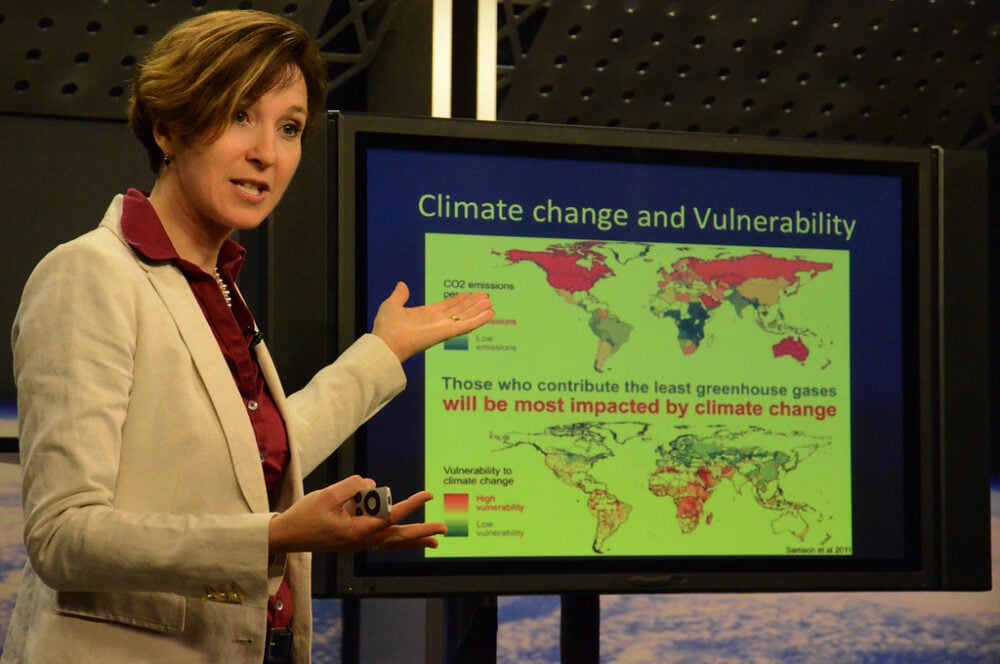
Despite the dire warnings, scientists stress that humanity still has time to act. Protecting forests, restoring degraded lands, and shifting to sustainable farming could stabilize ecosystems before collapse becomes irreversible.
International cooperation is essential, particularly in cutting greenhouse gas emissions to slow climate change. Scientists say solutions already exist, but they must be deployed on a global scale. The window for action is closing fast, but with decisive leadership, much of Earth’s land could still be preserved for future generations.
12. A Final Reminder of Earth’s Fragility
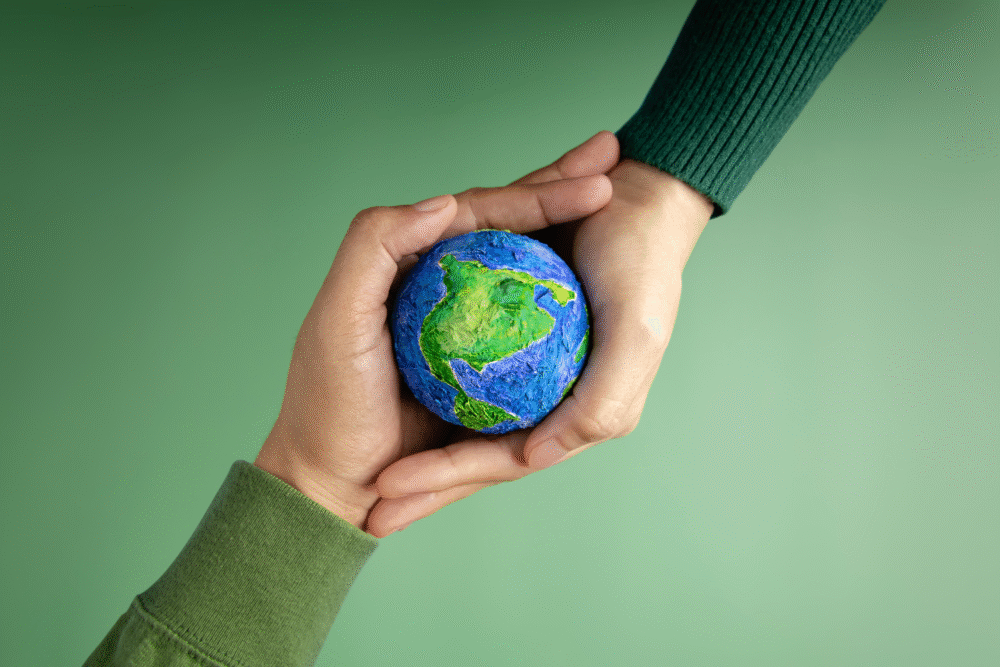
The study delivers a sobering truth: Earth’s land is far more fragile than many realize. Once ecosystems collapse, recovery is almost impossible, leaving lasting scars on the planet.
Researchers urge policymakers and the public to view land as a finite resource, not an endless supply. Protecting natural systems is essential for survival, not optional. The majority of Earth’s land may be at risk, but decisive action could still safeguard it. What happens in the coming decades will determine whether future generations inherit thriving or broken landscapes.