
One blood marker appears again and again among centenarians, but the reason remains elusive.
Blood type is something most people think about only during medical emergencies. Yet researchers studying people who live past 100 have noticed something unexpected. Certain blood types appear more often among centenarians than in the general population, raising questions about whether biology plays a quiet role in extreme longevity.
These findings do not suggest destiny or guarantees. Longevity is shaped by genetics, environment, lifestyle, and chance. Still, the repeated appearance of specific blood groups has been enough to keep scientists looking closer.
What they have found so far is subtle, inconsistent across populations, and far more complicated than a single letter on a medical chart.
1. What blood type actually represents biologically
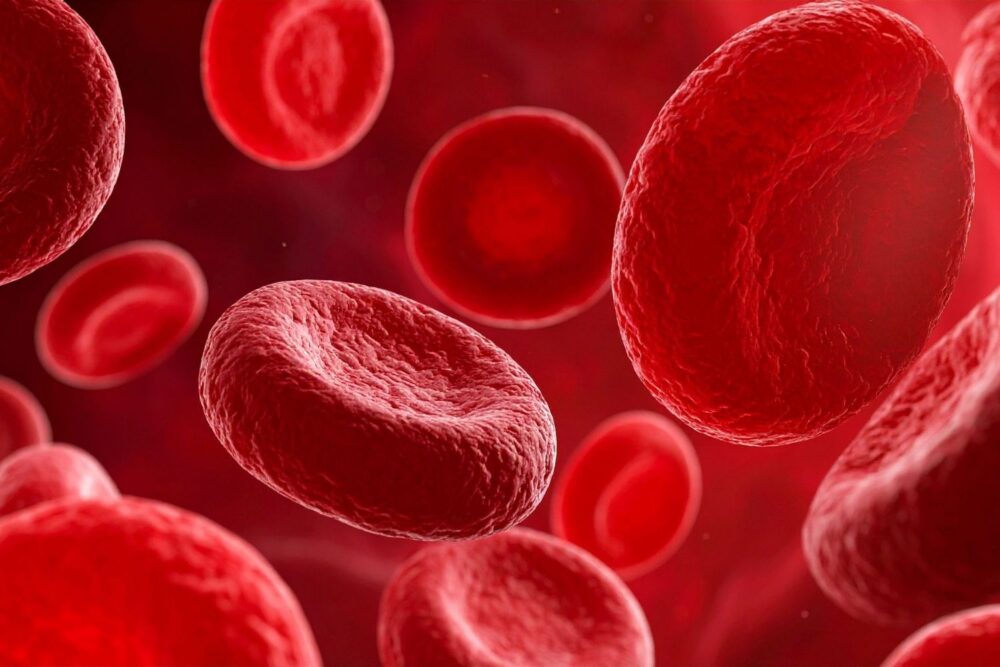
Blood type refers to specific antigens on the surface of red blood cells, most commonly grouped as A, B, AB, or O. These antigens influence how blood interacts with the immune system, clotting proteins, and certain pathogens.
Because these biological interactions affect disease risk, researchers have long studied whether blood type influences health outcomes. Longevity research builds on that idea, asking whether small differences in disease vulnerability might accumulate over a lifetime and subtly shape who reaches extreme old age.
2. Why researchers study centenarians differently

People who live past 100 represent a tiny fraction of the population, but they offer valuable clues about aging. Many delay major diseases until very late in life, suggesting underlying biological resilience.
Researchers compare centenarians to younger control groups to identify shared traits. Blood type is one of many variables examined, alongside genetics, biomarkers, and health histories. On its own, it explains little, but patterns can emerge when viewed alongside other protective factors.
3. The repeated appearance of type O

In several studies, blood type O has appeared more frequently among centenarians than expected. One proposed explanation is that type O is associated with lower levels of certain clotting factors, which may reduce lifetime risk of cardiovascular disease.
That reduced risk could matter over decades. Fewer heart attacks or strokes earlier in life may increase the chance of surviving into very old age. Still, this pattern is not universal and varies by population, which limits how broadly it can be applied.
4. Why blood type B also shows up in some studies

Other research, particularly involving smaller cohorts, has found blood type B appearing more often among centenarians. This has been observed in specific regional and ethnic populations rather than globally.
Because blood type distributions vary widely around the world, this raises an important caution. What looks like a longevity signal may reflect population genetics rather than a biological advantage. That uncertainty is why researchers avoid drawing firm conclusions from any single study.
5. Why many large studies find no clear link

Larger population studies often find no strong connection between blood type and lifespan. When lifestyle, socioeconomic factors, and genetics are accounted for, blood type usually explains very little on its own.
This does not mean earlier findings are wrong. It means the effect, if real, is likely small. Blood type may influence disease risk slightly, but those differences are often overshadowed by behaviors such as diet, exercise, smoking, and access to healthcare.
6. What longevity research shows beyond blood type

When scientists zoom out, blood type becomes a minor detail in a much bigger picture. Studies of centenarians consistently show delayed onset of chronic disease, stronger cellular repair mechanisms, and distinctive biomarker profiles tied to aging resistance.
These individuals often share genetic traits related to inflammation control, DNA repair, and metabolic efficiency. Those traits appear far more predictive of longevity than ABO blood group alone.
That’s why researchers view blood type as a possible modifier, not a driver. It may nudge probabilities slightly, but it does not override the deeper biological systems that govern how bodies age over time.
7. The role of genetics versus environment

Genetic studies suggest heredity accounts for roughly 20–30 percent of lifespan variation. The rest is shaped by environment, lifestyle, and chance. Blood type is inherited, but it represents only a tiny piece of a much larger genetic puzzle.
That helps explain why people with the same blood type can have vastly different health outcomes. Genes interact with behavior and environment in complex ways that no single marker can predict.
8. What centenarians tend to share instead

Across cultures, centenarians often show similar patterns. They experience lower rates of chronic disease until late in life, maintain functional independence longer, and recover better from stress.
These traits are linked more closely to immune function, metabolic health, and inflammation control than to blood type. While blood group may influence specific risks, it does not define the broader resilience seen in very old individuals.
9. Why the blood type idea keeps resurfacing

Blood type is simple, fixed at birth, and easy to categorize. That makes it appealing in longevity discussions, especially when people look for clear answers about aging.
But simplicity can be misleading. Longevity rarely hinges on one factor. The persistence of the blood type theory reflects curiosity, not confirmation, and scientists continue to treat it as a hypothesis rather than a rule.
10. What researchers still want to understand

Scientists are calling for larger, multi-ethnic studies that track blood type alongside genetics, lifestyle, and long-term health outcomes. The goal is to determine whether blood type contributes meaningfully when combined with other factors.
Until then, blood group remains a small variable in a complex system. It may help explain tiny differences in risk, but it cannot reliably predict who will reach 100.
11. What this actually means for you

Your blood type may influence specific health risks, but it does not determine how long you will live. Longevity is shaped by habits, environment, genetics, and random events over decades.
Blood type is one thread in a much larger tapestry. For now, the strongest predictors of a long life remain the familiar ones: managing disease risk, staying active, maintaining social connections, and aging with resilience rather than relying on a single biological marker.