
If your relationship with food feels confusing or out of control, you’re not alone.

Not every eating disorder looks like what we’ve been taught. Most awareness campaigns focus on extreme thinness, calorie counting, or visible patterns of restriction—but the reality is far more complex. Some disorders are subtle. Some go completely unrecognized for years. And some affect people who don’t “look” like they’re struggling at all.
You might feel stuck in strange eating habits you can’t explain. You might be overwhelmed by guilt, panic, or rituals around food that don’t fit into any box. That doesn’t make your experience any less valid—or any less serious. Rare eating disorders often fall through the cracks because they don’t match the typical profile. But they’re real. And they’re more common than you’d think. If food feels like a battle you can’t name, these signs could help make sense of what’s been going on.
1. Sensory-based fear makes entire food groups feel unsafe.
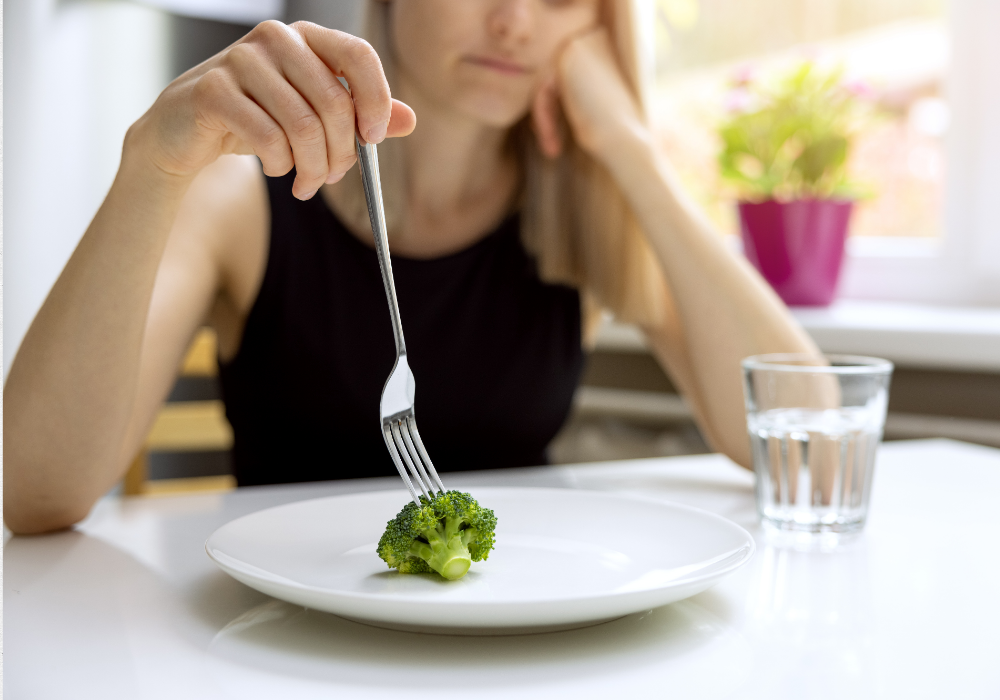
When certain textures, smells, or consistencies trigger panic, nausea, or a physical shutdown, it can go way beyond being a “picky eater.” Avoidant/Restrictive Food Intake Disorder (ARFID) often stems from early trauma, sensory sensitivities, or past negative experiences with food—like choking or vomiting. Over time, entire food groups may be avoided, and the anxiety becomes so intense that eating feels dangerous.
This disorder isn’t driven by body image, which is why it often goes unrecognized. Individuals with ARFID may experience malnutrition due to restrictive eating habits, leading to weight loss and other medical complications similar to those seen in anorexia nervosa, according to the University of California, San Francisco’s Eating Disorders Program. It’s not about preference or stubbornness—it’s about fear. And when that fear gets in the way of eating enough to stay healthy, it’s something that needs support, not dismissal.
2. Food purity rules take over your routines and relationships.
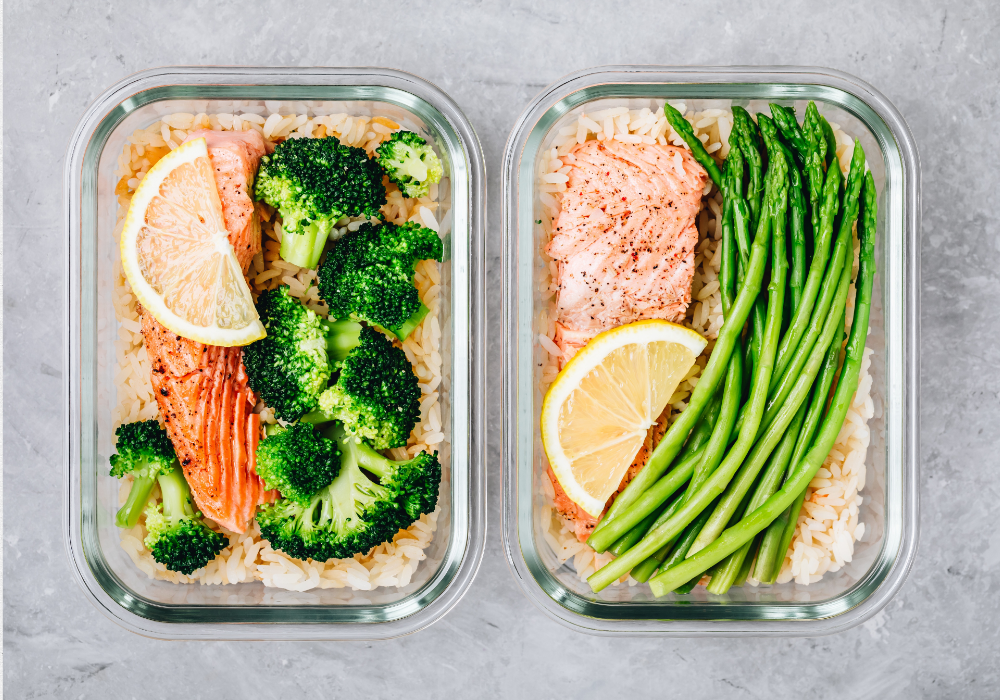
Orthorexia starts out looking like health-consciousness. You might cut out sugar, processed foods, or certain ingredients in the name of wellness. But over time, the rules pile up—until your meals become a maze of what’s “clean” and what isn’t. Even the idea of eating something unapproved can bring guilt, shame, or panic.
It’s not about weight. It’s about control, and a fear of doing harm to your body by eating the “wrong” thing. Individuals with orthorexia may experience heightened anxiety around food and social isolation due to their restrictive eating habits, according to The Emily Program.
Even social events become stressful. And since this behavior is often praised in a wellness-obsessed culture, it hides in plain sight. But when your meals are dominated by fear instead of nourishment, it’s not healthy—it’s harmful.
3. Secretive bingeing spirals into shame and isolation.
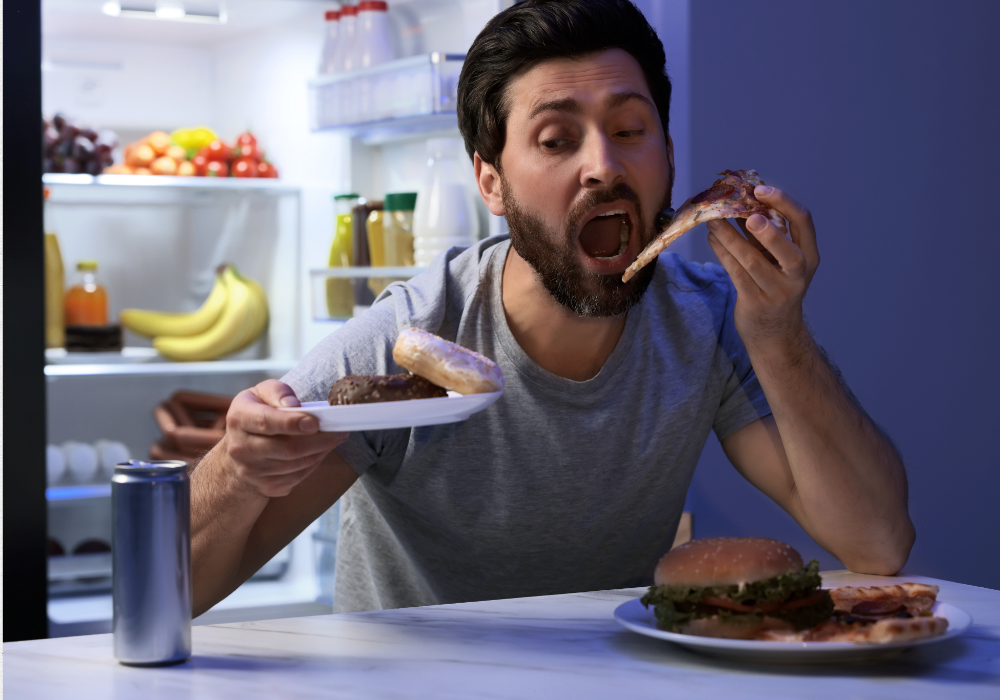
Binge Eating Disorder (BED) doesn’t always look extreme from the outside. Many people with BED eat normally in public but feel totally out of control in private. You may consume large quantities of food in one sitting—fast, alone, and to the point of discomfort. What follows isn’t purging, but an avalanche of shame, regret, and helplessness.
BED is about more than food. It’s often tied to emotional regulation—eating becomes a way to self-soothe, punish, or escape. This cycle can feel impossible to break, especially when it’s met with judgment or is mistaken for laziness. Dr. Amy Baker Dennis and the National Eating Disorders Association estimate that Binge Eating Disorder affects nearly 3.5% of women, 2% of men, and 1.6% of adolescents in the U.S. If eating leaves you feeling ashamed, not satisfied, you’re not alone—and there’s nothing weak about needing help.
4. Restriction hides behind discipline and control.

Some eating disorders are praised before they’re recognized as dangerous. When you say no to dessert, skip meals, or cut back “just to feel lighter,” it can seem like discipline. But when those habits become rigid, and when breaking them fills you with guilt, it’s no longer about wellness—it’s about control. And it can quietly consume your thoughts.
This type of restriction doesn’t always cause dramatic weight loss, which is why it’s often overlooked. But it can damage your metabolism, weaken your immune system, and leave you mentally exhausted. It also isolates you from others, especially when social plans revolve around food. If your life is dictated by rules, and breaking them feels terrifying, restriction might be more than a habit—it might be something you’re battling silently every day.
5. Binge–restrict cycles leave you mentally and physically drained.

The cycle usually starts with restriction—skipping meals, cutting calories, or labeling foods as off-limits. Eventually, the hunger or deprivation builds until you lose control, eat everything you’ve been avoiding, and then feel devastated afterwards. You tell yourself it won’t happen again. But the next day, it does. And the shame just keeps growing. This isn’t a lack of willpower—it’s your body reacting to starvation. The binge–restrict cycle messes with hunger cues, self-esteem, and overall health.
It becomes a mental loop that’s hard to break, especially when diet culture celebrates the very behaviors that lead you into it. If you’re constantly swinging between extremes and blaming yourself for it, the problem isn’t you—it’s the cycle. And you deserve to step out of it.
6. Obsessive rituals and food-related compulsions take over mealtimes.
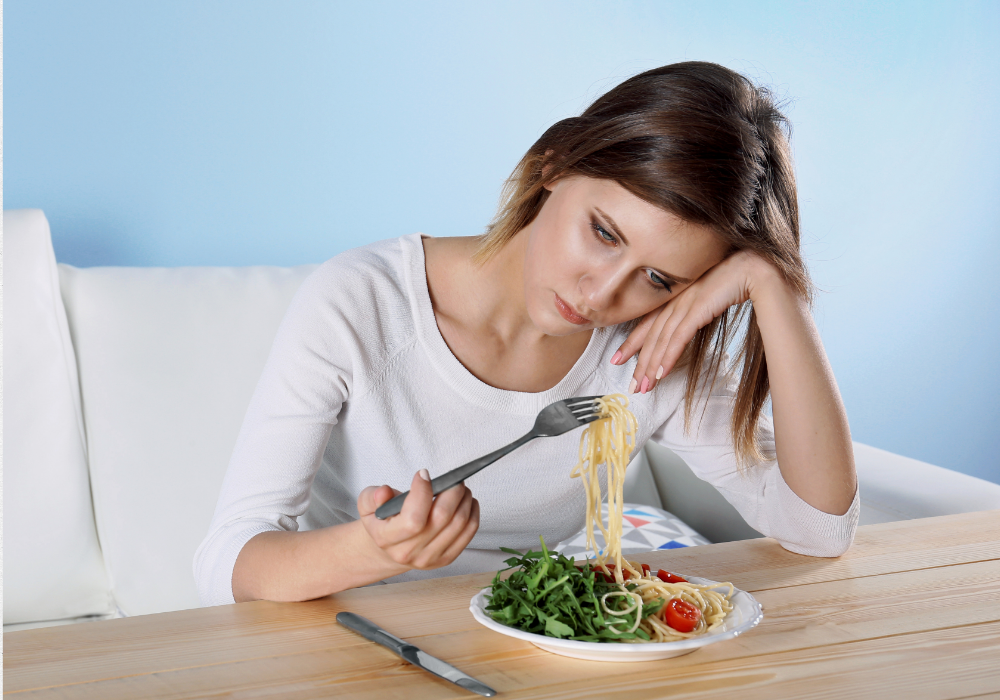
Cutting food into identical pieces, chewing a set number of times, arranging meals in perfect patterns—it might look harmless at first. But when these rituals feel necessary to eat or keep anxiety in check, they can signal a deeper problem. These behaviors often appear in restrictive eating disorders or alongside OCD, creating a rigid, exhausting routine around meals.
Rituals can be comforting, but they can also become prisons. If something disrupts your process and it ruins your appetite—or your whole day—it’s worth paying attention to. These compulsions don’t come from vanity or attention-seeking. They’re coping mechanisms for managing anxiety or uncertainty. But when they take over, they often mask deep distress that deserves to be seen and treated with care.
7. Physical symptoms show up without any clear medical explanation.

Chronic bloating, constipation, dizziness, fatigue—sometimes the first signs of an eating disorder show up in your body long before you realize something is wrong with your relationship to food. You might feel like you’re constantly chasing answers at doctors’ offices, but nothing seems to add up. Often, these symptoms are linked to inconsistent nutrition, long-term restriction, or stress around eating.
Because they’re not always tied to weight loss or visible behavior, these physical issues are often misdiagnosed or brushed off. But when your body is struggling and your eating habits are ruled by anxiety, guilt, or fear, it’s worth digging deeper.
Your body isn’t betraying you. It’s trying to tell you something. And if traditional medical tests aren’t giving you clarity, looking at your relationship with food might open a door you didn’t know needed unlocking.
8. You feel guilt or shame after eating—even when you eat normally.

If every meal feels like a test you failed, or if finishing a plate leads to spiraling thoughts about “making up for it,” that’s a red flag. You might not be restricting or bingeing in extreme ways, but if eating leaves you with emotional fallout—panic, disgust, self-hate—that distress matters. Eating shouldn’t feel like a moral failure.
This guilt often hides in people who “look fine” or appear to eat normally. But the internal dialogue is brutal: I shouldn’t have eaten that. I don’t deserve food. I’ll be better tomorrow. It’s exhausting, and it slowly erodes your ability to trust your body. If eating—even in moderate, balanced ways—leaves you ashamed, it’s not about the food. It’s about the pain tied to it. And that pain is valid, even if no one else can see it.
9. You avoid eating in front of others out of fear or embarrassment.
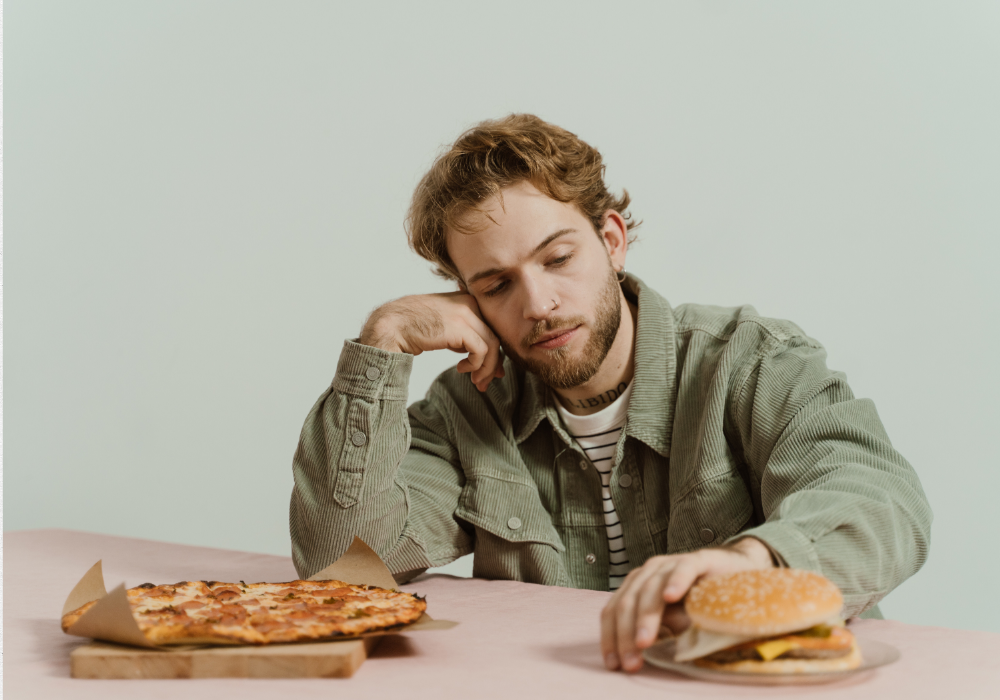
You might eat normally when you’re alone, but skip meals at work, push food around on your plate at social events, or make excuses to avoid dinner with friends. If eating in public feels overwhelming, it’s often about more than nerves—it can be a sign of deep discomfort or shame around food. For some, it’s tied to body image. For others, it’s about control, judgment, or fear of losing composure.
This avoidance can lead to serious isolation. It makes holidays, birthdays, and everyday routines more stressful. And because it doesn’t always lead to weight changes, it rarely gets flagged as disordered. But if you’re constantly worried about being seen while eating—or if you skip meals just to avoid social discomfort—it’s not just social anxiety. It could be a sign that your relationship with food is more complicated than you realized.
10. Exercise becomes punishment instead of something you enjoy.

Exercise should be a way to feel strong, clear your head, or connect with your body. But when it becomes a tool to “earn” food or “burn off” guilt, it stops being healthy. You might feel compelled to work out after every meal, or panic if you miss a day. Over time, it stops being a choice—and becomes a rule you’re afraid to break.
This kind of compulsive exercise often hides in plain sight because it gets praised. People might call you “disciplined” or “driven,” even when your body is exhausted and your mind is burning out. If movement feels more like a punishment than something you enjoy, or if your entire mood hinges on whether you worked out, that’s worth paying attention to. It’s not weakness to rest. It’s not failure to stop. Your body deserves care—not constant correction.
11. You constantly think about food—even when you’re not hungry.

Planning meals, tracking every bite, worrying about when you’ll eat next—it might seem like dedication, but when those thoughts take over, they become a prison. You don’t have to be starving or restricting to be consumed by food-related anxiety. For many people with disordered eating, food is always there in the background, pulling focus from everything else.
This mental load is exhausting. It can make it hard to be present in conversations, at work, or with people you love. You might feel like you’re “doing fine” because your behaviors aren’t extreme, but if your mind is constantly looping through rules, fears, and food math, that’s a signal your relationship with eating isn’t peaceful. You deserve mental space. You deserve meals that don’t leave you in knots. And you deserve support, even if your struggle doesn’t look like someone else’s.