
A powerful storm briefly revealed rare Iron Age human and animal footprints on a Scottish beach before the sea erased them again.
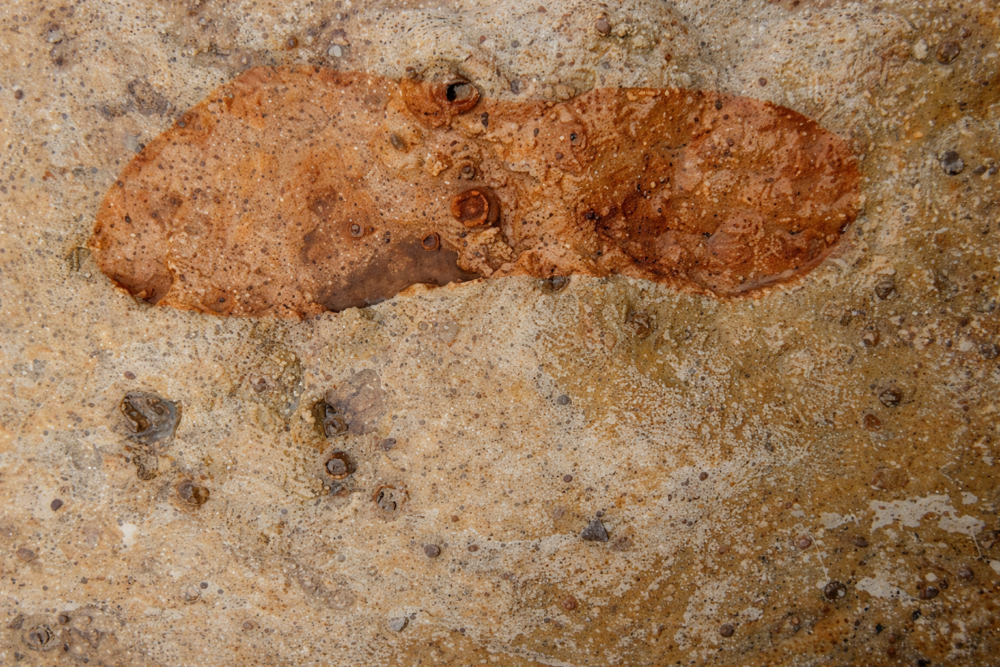
A stretch of windswept shoreline in eastern Scotland offered a fleeting glimpse into the distant past when storms stripped away sand to expose ancient clay marked with footprints. Two local dog walkers noticed the unusual impressions at Lunan Bay and alerted archaeologists, triggering an urgent response.
Researchers raced against incoming tides and rough weather to document the site before it vanished. The footprints, dating back around 2,000 years to the Iron Age, captured a rare moment of everyday life. Within days, the sea reclaimed the clay, leaving behind only records of what had briefly emerged.
1. Storms peeled back the beach like a curtain

Powerful winter storms battered Scotland’s east coast, scouring away layers of sand that normally protect older sediments beneath. At Lunan Bay, that erosion exposed a band of ancient clay that had been sealed away for centuries.
At first glance, the surface looked like any muddy patch left behind by retreating water. But as the light shifted and the tide dropped, clear impressions of feet and hooves appeared, revealing a hidden record of movement from long ago.
2. An ordinary walk turned into an extraordinary find
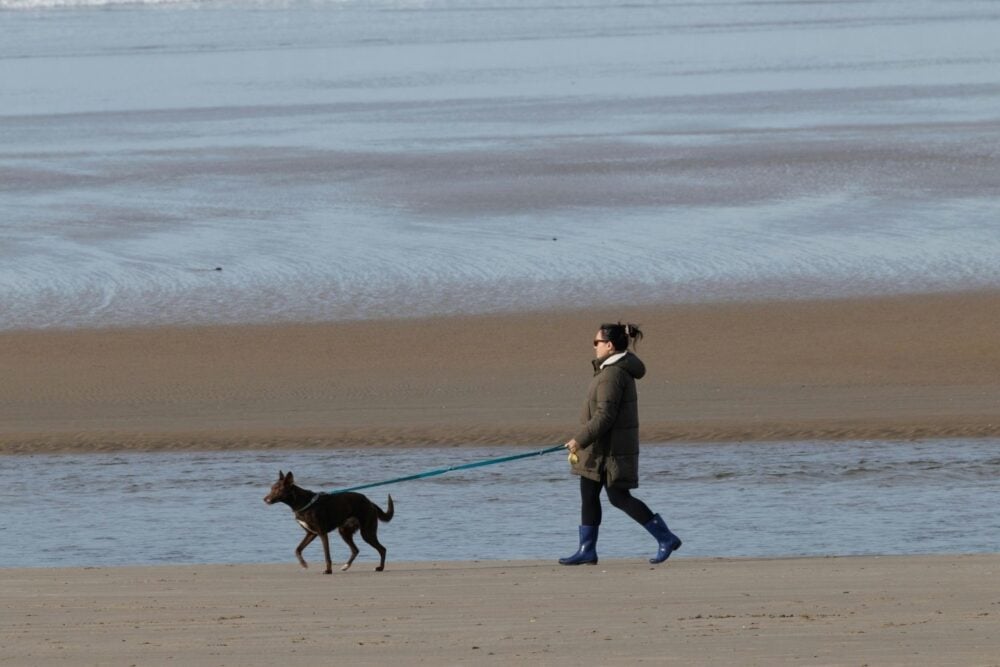
The discovery did not come from a planned excavation but from two people walking their dogs along the beach. They noticed patterns in the clay that seemed too deliberate to be natural.
Realizing the marks could be significant, they contacted an archaeologist rather than dismissing them as erosion scars. That quick decision turned a casual beach walk into a crucial moment for Scottish archaeology.
3. Archaeologists faced an immediate time limit
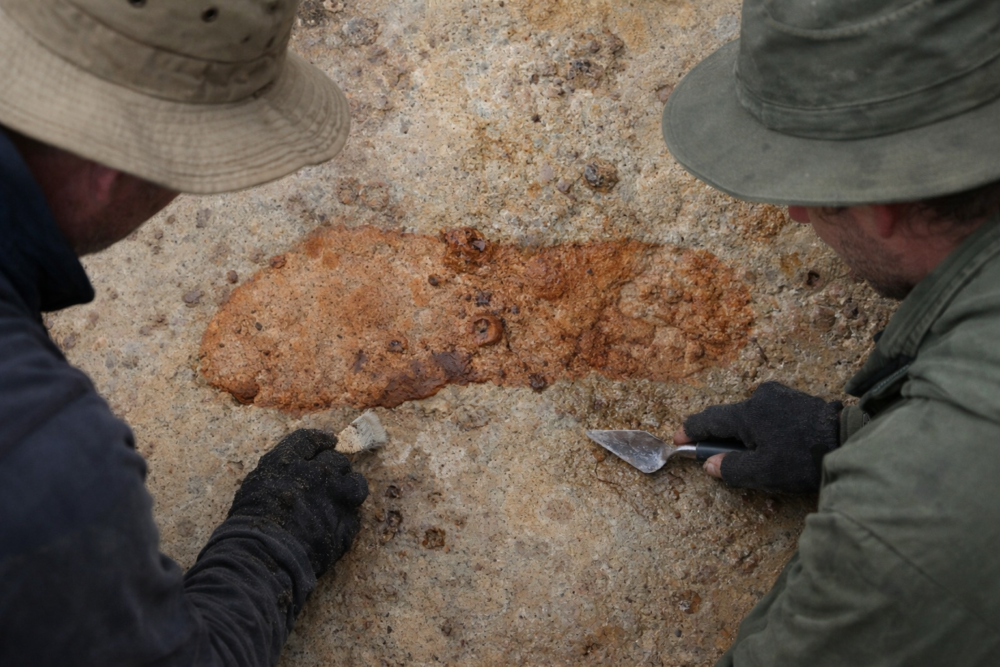
When experts arrived at the site, they were already racing the clock. Tides were advancing, winds were strong, and the weather was deteriorating.
Every hour increased the risk that waves would wash away the fragile impressions. The team knew there was no time for a traditional excavation. Documentation had to happen fast, or the evidence would be lost forever.
4. Saving the footprints meant acting fast
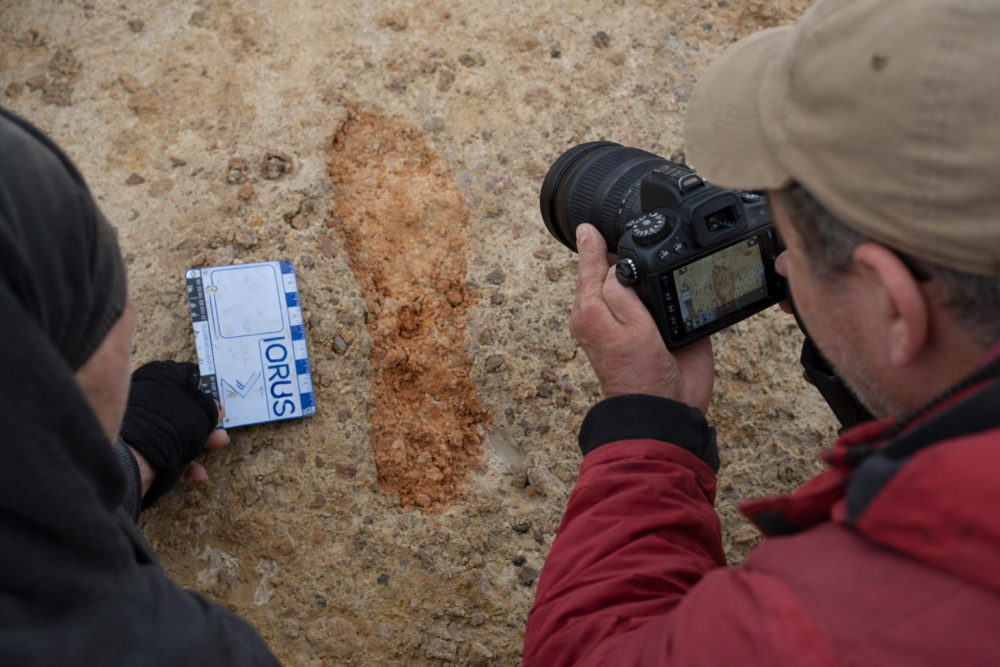
To preserve what they could, archaeologists used plaster casts to capture individual footprints before the tide returned. They also photographed and scanned the surface to record the layout of tracks across the clay.
These methods allowed them to preserve fine details, including toe shapes and pressure marks, even though the original surface was doomed to disappear within days.
5. The footprints dated back to the Iron Age

Analysis of the surrounding sediments and plant material beneath the footprints showed they were roughly 2,000 years old. That places them firmly in the Iron Age, around the period when Roman forces were active elsewhere in Britain.
This timing gives the prints added historical weight. They offer a rare, personal glimpse of people living in Scotland long before written records describe their daily movements.
6. Humans were not alone on this ancient shore

Alongside human footprints, archaeologists identified tracks from animals, including deer. These prints suggest the area was once a muddy estuary or shoreline where people and wildlife crossed paths.
The mix of tracks paints a picture of a shared landscape, one shaped by tides, animals, and human activity rather than the sandy beach seen today.
7. Footprints offer a snapshot of daily life

Unlike tools or buildings, footprints capture a moment in motion. They show how people moved, where they walked, and how they interacted with their environment.
That makes discoveries like this especially valuable. They feel intimate, almost like watching someone pass by, even though thousands of years separate us from the people who left them behind.
8. Finds like this are extremely rare in Scotland
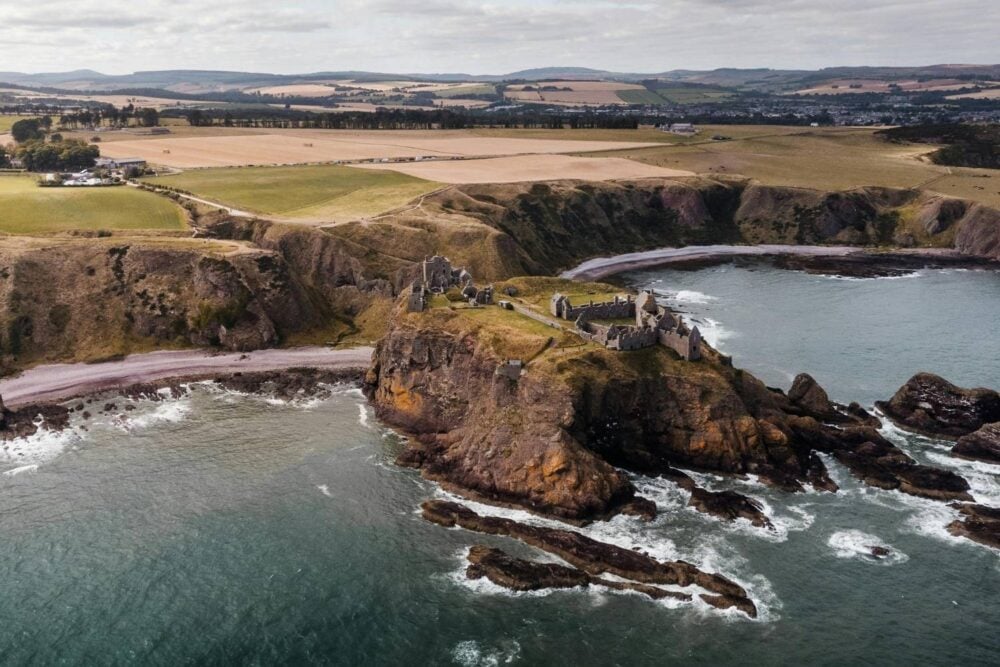
While ancient footprints have been found in parts of England, this discovery was the first of its kind recorded in Scotland. That rarity made the site especially important to document.
Most footprints do not survive long enough to be discovered, and coastal examples are particularly vulnerable. Their preservation depends on a precise balance of sediment, moisture, and timing.
9. Nature both reveals and destroys history

The same storms that uncovered the footprints also guaranteed their destruction. Once exposed, the clay surface had little protection from waves and wind.
Within a short time, high tides erased the impressions completely. This cycle of revelation and loss highlights how fragile some archaeological evidence can be.
10. The landscape was once very different
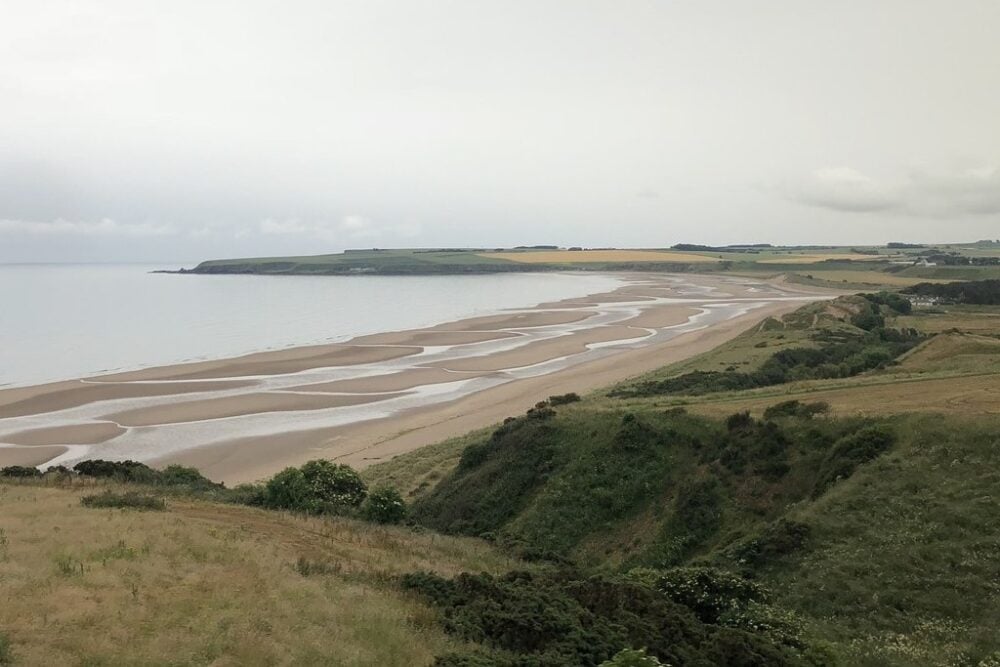
The footprints suggest that Lunan Bay looked nothing like it does today. Instead of open sand, the area was likely a muddy, shallow environment shaped by tidal flows.
That insight helps scientists understand how coastlines have changed over thousands of years and how ancient people adapted to those shifting environments.
11. A brief discovery with lasting impact

Although the footprints themselves are gone, the casts, scans, and records remain. They will allow researchers to study and share the discovery long after the physical site has vanished.
The find also serves as a reminder that archaeology can appear anywhere, often without warning. When storms, erosion, or chance reveal something unusual, a quick response can make the difference between total loss and lasting knowledge.