
Repeated storms amplify financial and infrastructural challenges for cities and households alike.
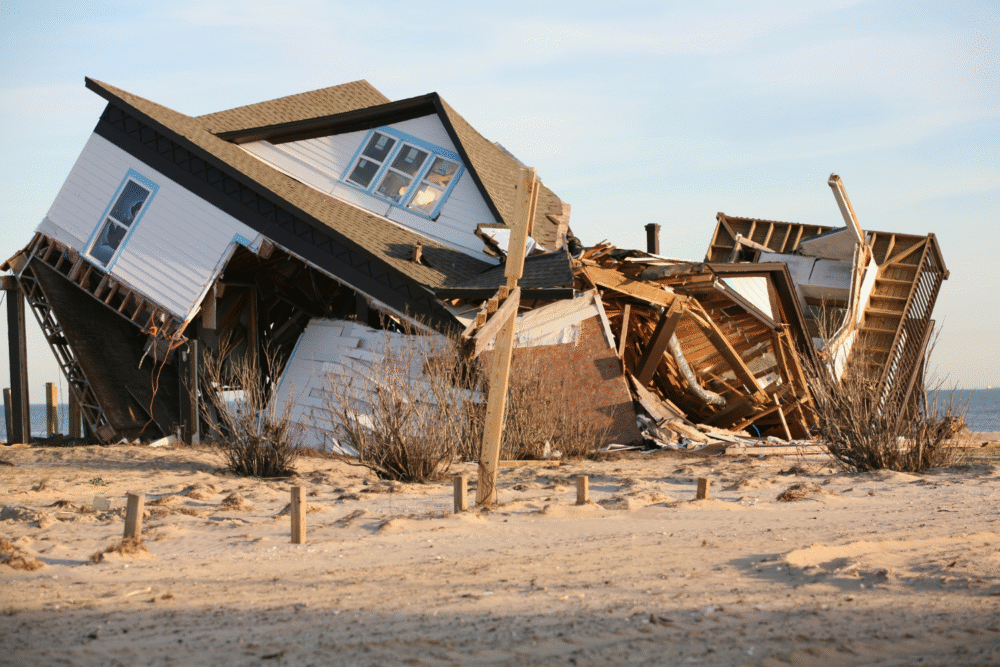
Storm fatigue is a growing concern as cities and residents face the cumulative effects of frequent storms. Each event not only damages infrastructure but also strains budgets, disrupts local economies, and increases household expenses. Beyond physical destruction, communities contend with mental stress and rising insurance costs. Understanding how these repeated hits wear down urban areas and personal finances helps individuals and policymakers prepare and build resilience for future storms.
1. Storms cause extensive property damage that drains city repair budgets.

Storms unleash powerful forces that cause substantial damage to urban infrastructure. Buildings, roads, and bridges bear the brunt, requiring expensive repairs funded by municipal budgets. Even a single severe storm can cost millions in repairs, draining funds allocated for future development.
Repeated storms magnify these expenses, leaving cities financially strained. Over time, the repair and rebuilding efforts consume funds that might otherwise enhance quality of life with new parks or schools. Infrastructure weakened by continuous battering poses safety risks, threatening neighborhood stability and growth.
2. Frequent weather events disrupt local businesses and reduce daily income.
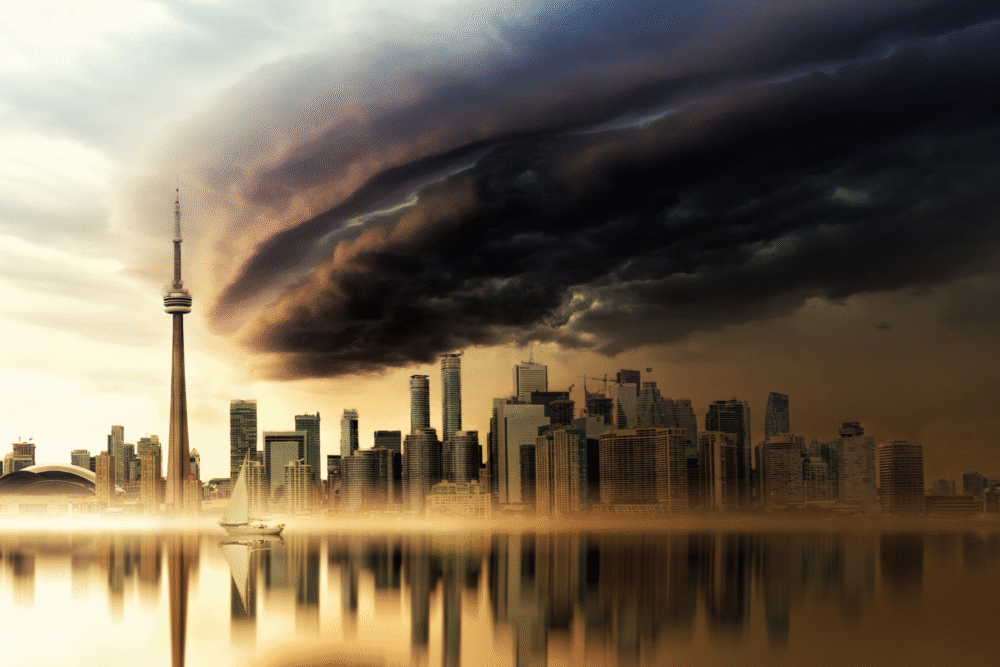
Persistent weather disruptions challenge local businesses, curtailing their daily operations. When storms strike, many shops close, missing essential daily revenue needed to sustain operations. Consider a café losing numerous trading days; the financial strain compounds rapidly.
Beyond immediate closures, longer-term challenges arise. Employees face uncertain income, and traffic decreases, impacting footfall to local stores. These disruptions ripple through local economies, slowing regional growth and causing sustained economic stress for businesses trying to recover.
3. Rebuilding infrastructure repeatedly consumes resources needed for other projects.

Rebuilding after each storm consumes critical resources needed for broader community improvements. When budgets focus on reconstructing storm-damaged areas, they divert attention from ongoing projects vital for urban development. A cycle of recovery impedes planned enhancements.
Cities struggle to balance emergency repairs with strategic growth investments. Political priorities may shift, stalling new parks or transit systems. Regular rebuilding creates a stalled environment where catching up with necessary advancements becomes increasingly difficult.
4. Storm-related road closures increase commute times and transportation costs.
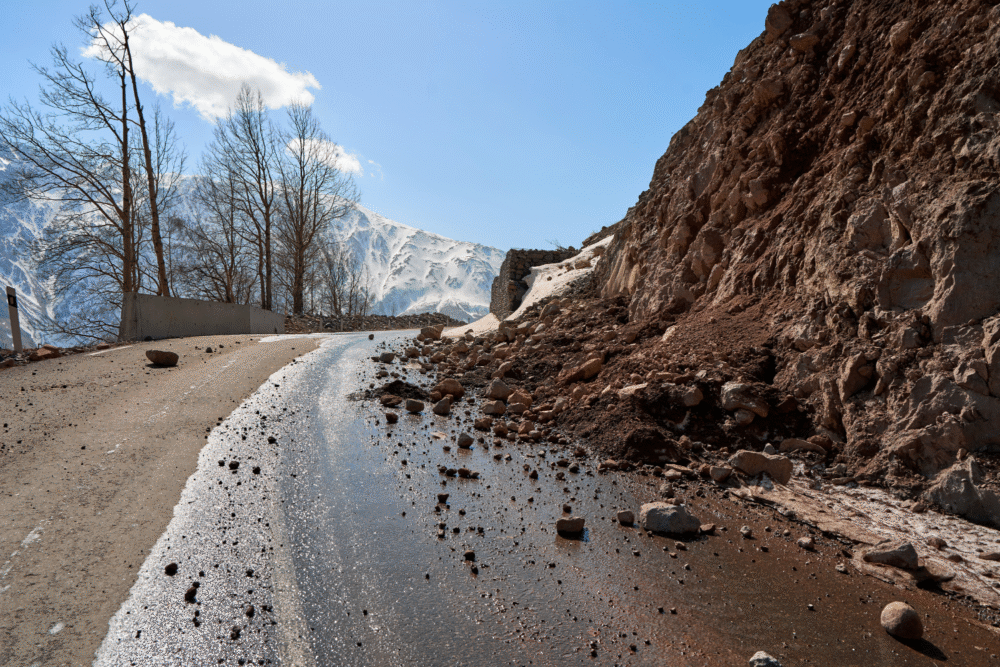
Storm-related road closures make everyday trips costly and inconvenient. Commuters spend more time traveling, paying higher transportation expenses just to get to work. A usually quick drive becomes an hours-long ordeal, fueled by detours and traffic jams.
Worker productivity declines as employees arrive late or skip work entirely. Businesses incur costs adapting to fluctuating staff availability. Over time, these increased travel burdens reduce efficiency and personal time, affecting quality of life for entire communities.
5. Emergency services face heightened demand, straining staffing and equipment.

Emergency services stretch resources to respond during frequent storms. Personnel work overtime, and equipment undergoes rigorous use, accelerating wear and tear. A fire station might face doubled call volumes, demanding swift action and depleting available reserves.
Heightened demands require continual reassessment of priorities and resource allocation. This pressure impacts coordinated response strategies, leaving essential services at risk of underperformance during critical times. Ensuring readiness amidst repeated challenges is an ongoing balancing act.
6. Power outages during storms lead to lost productivity and extra expenses.

Storms often trigger power outages, leaving homes and businesses in the dark. With no electricity, productivity declines sharply as technology-driven tasks halt. Essentials such as refrigeration fail, leading to spoiled goods and increased grocery bills.
Recovery from outages incurs further expenses: flashlight batteries, generator fuel, or emergency supplies. Beyond immediate financial costs, long-term economic effects arise as businesses lose critical operating hours. These disruptions emphasize the value of resilient energy solutions.
7. Flooding damages homes and personal belongings, impacting household finances.
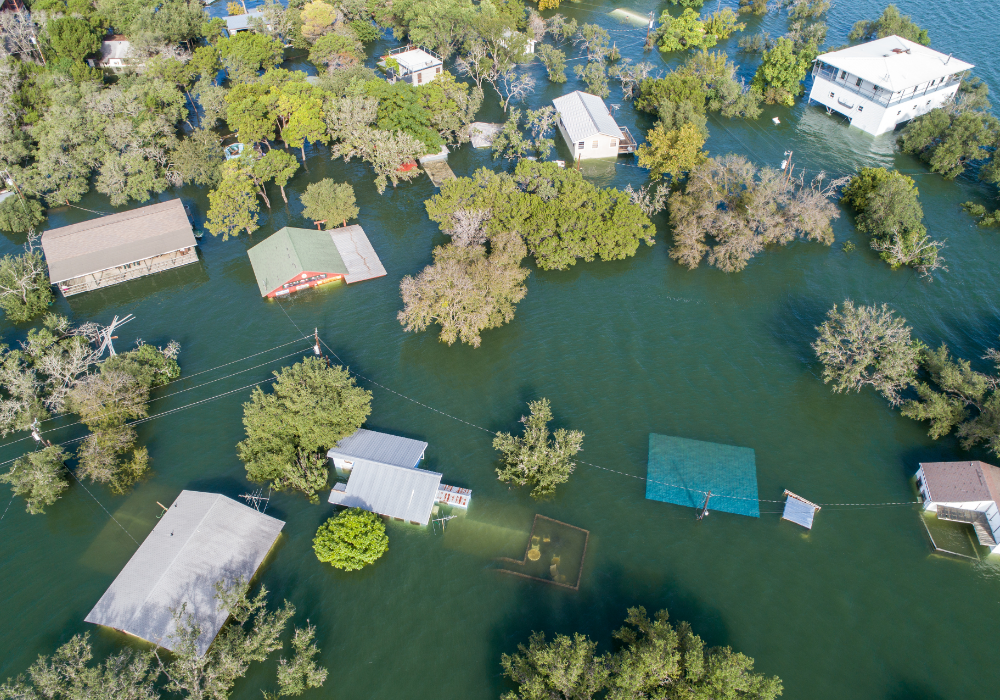
Floodwaters invade homes, wreaking havoc on personal belongings and critical documents. Engulfed in murky water, cherished possessions are often beyond saving. Flooded basements require pumping and costly repairs, adding to household financial stress.
The relentless cycle of cleaning, repairing, and replacing leaves families exhausted. Insurance may cover some losses, but deductibles and exclusions create gaps. Long-term financial implications linger, challenging family budgets and delaying other life plans.
8. Constant warnings and alerts contribute to community stress and anxiety levels.

Constant warnings ahead of storms breed stress and anxiety in communities. Blustery alerts signal potential threats, unsettling residents repeatedly until the all-clear. News cycles heighten awareness, leading to community tension and preemptive unease.
The psychological toll accumulates as people brace for impact, affecting mental health over time. Relentless monitoring fosters a perpetual state of alertness, exhausting energy and community morale. Supporting mental resilience becomes a shared challenge requiring thoughtful consideration.
9. Insurance premiums rise as claims pile up after repeated storm hits.

Rising insurance premiums accompany repeated storm claims. Payouts for damage force companies to hike rates, reflecting broader financial exposure to weather-related risks. Personal budgets squeeze tighter as monthly costs climb, straining household finances.
As claims accumulate, some insurers reduce coverage, heightening individual responsibility. Renewing policies becomes a daunting task, demanding scrutiny of evolving terms. Balancing affordable protection with real-world scenarios is an ongoing negotiation faced by many households.
10. Declining property values follow persistent storm damage and recovery delays.
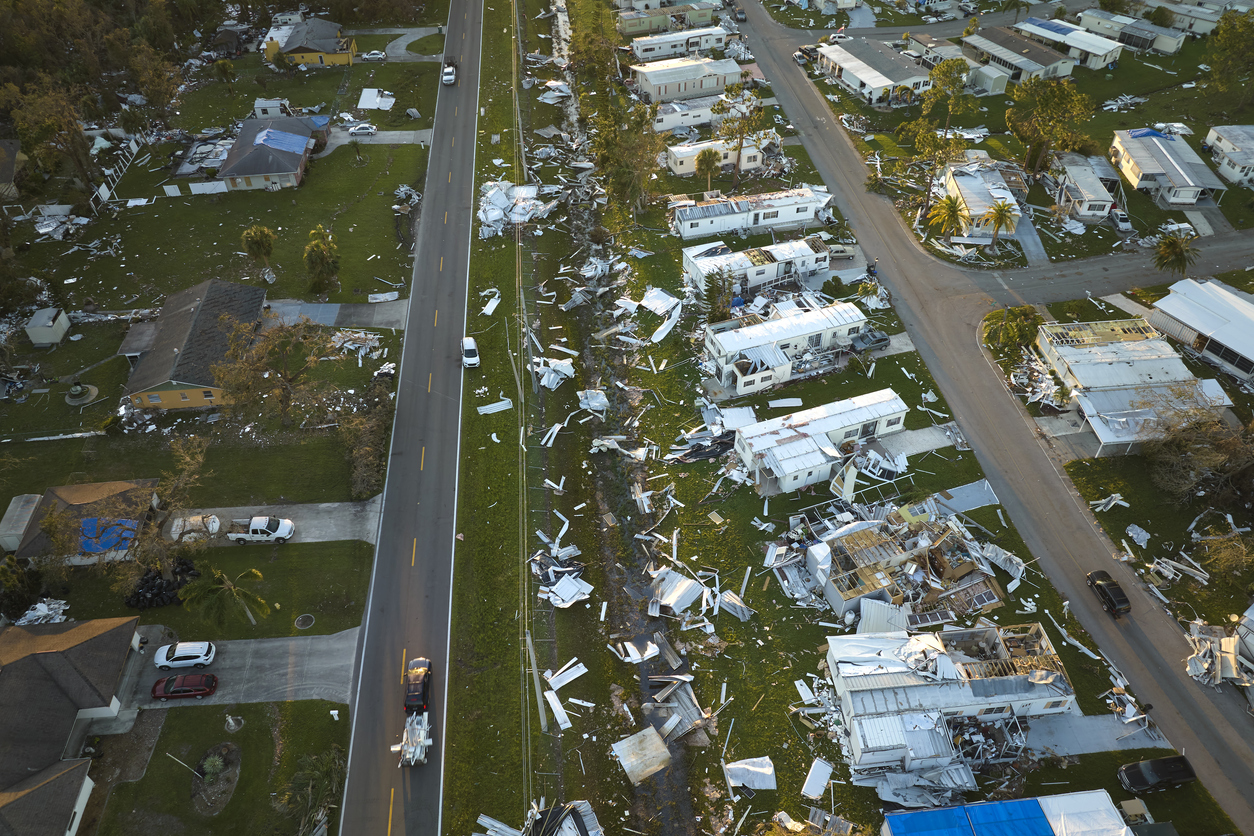
Persistent storm damage depresses local property markets. Homes on floodplains or in disaster-prone regions suffer declining values, facing muted demand. Prospective buyers may shy away, fearing potential future damage and recovery hassles.
This trend extends beyond physical damage, impacting community value perceptions. Rebuilding delays exacerbate depreciation, altering neighborhood dynamics. Long-term residents see investments dwindle, reshaping financial planning aspirations around the shifting landscape.
11. Public health can suffer due to water contamination and mold after storms.

After severe storms, public health often faces adverse effects from environmental changes. Flooded areas can harbor contaminated water, spreading bacteria and disease. Mold infiltrates buildings, worsening indoor air quality, and triggering respiratory issues.
These hazards exacerbate health conditions, particularly for vulnerable populations. Efficient cleanup and maintenance reduce risks, but resources might be stretched thin. Health impacts underscore the importance of proactive planning and rapid response post-storm.