
Researchers are finding unusual patterns of damage in trees near cell towers, and it’s not from pollution or drought.
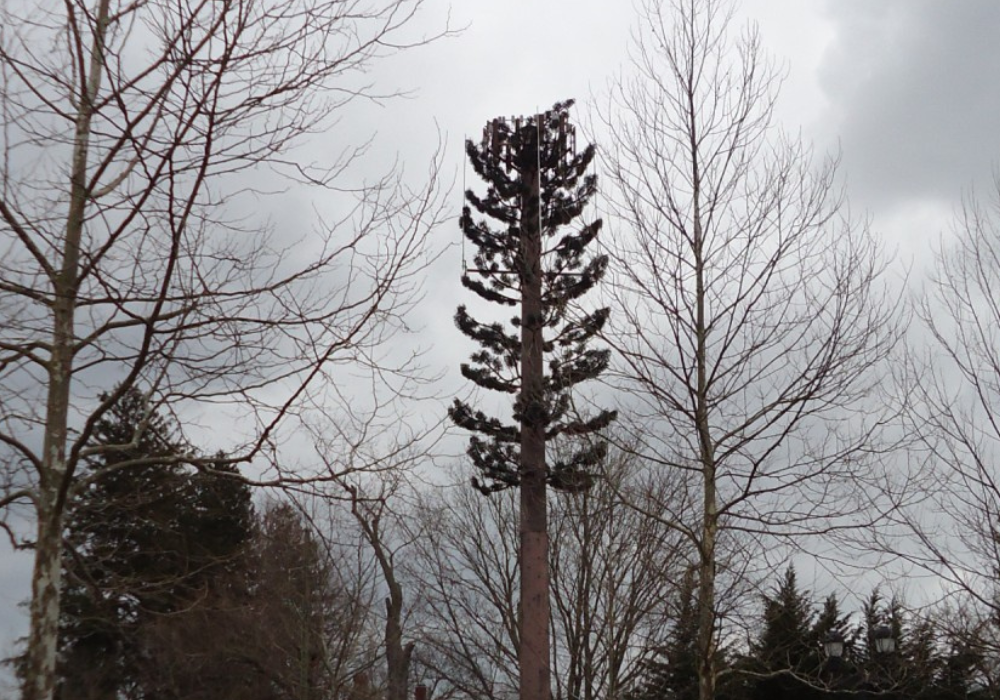
Researchers in Germany have documented unusual damage to trees growing near cell phone base stations, noting patterns that defy typical explanations like drought, pollution, or disease.
The most affected trees show damage primarily on the side facing the antennas, suggesting a possible link to electromagnetic radiation exposure. Over nine years, scientists recorded and measured field strengths around dozens of trees in urban and suburban areas.
While their findings remain correlational, not proof of cause, the research has sparked international interest and calls for further studies into how modern communication networks might subtly influence plant health.
Click through and discover why this asymmetrical tree damage is occurring.
1. A Long-Term Study Revealed Consistent Damage Patterns
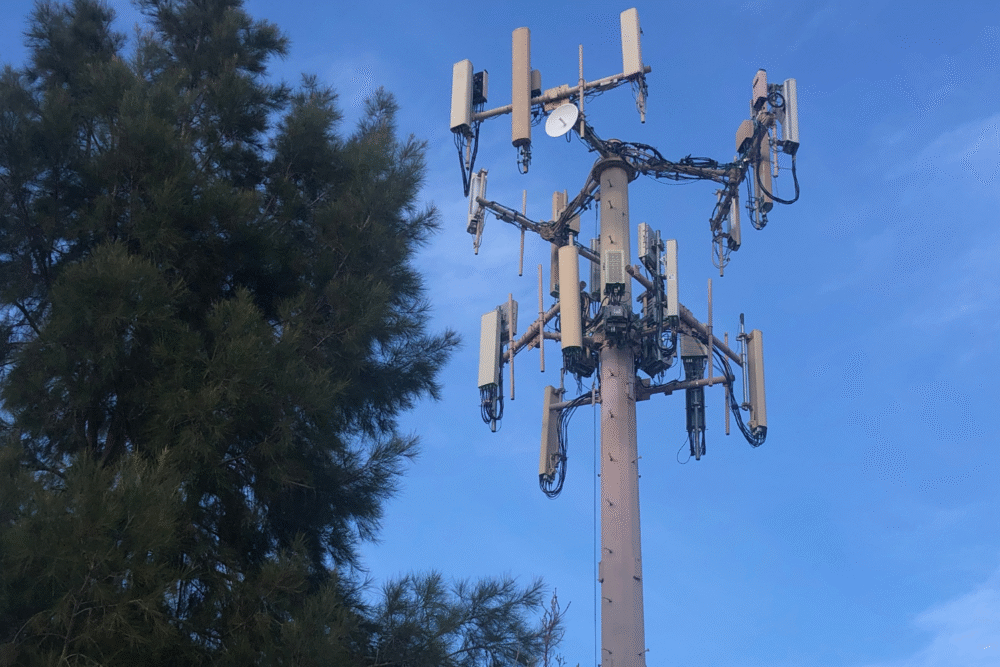
Between 2006 and 2015, researchers studied trees near mobile phone base stations in the German towns of Bamberg and Hallstadt, tracking leaf loss, bark damage, and dieback while measuring radiofrequency signal strength at more than 140 locations. This allowed them to compare trees in higher- and lower-exposure areas.
They found a consistent pattern: the side of each tree facing the tower showed more damage, while sides shielded by buildings or distance appeared healthier, raising questions about whether long-term electromagnetic exposure could contribute to plant stress.
Follow us and access great exclusive content every day
2. Scientists Observed Damage Facing the Antennas
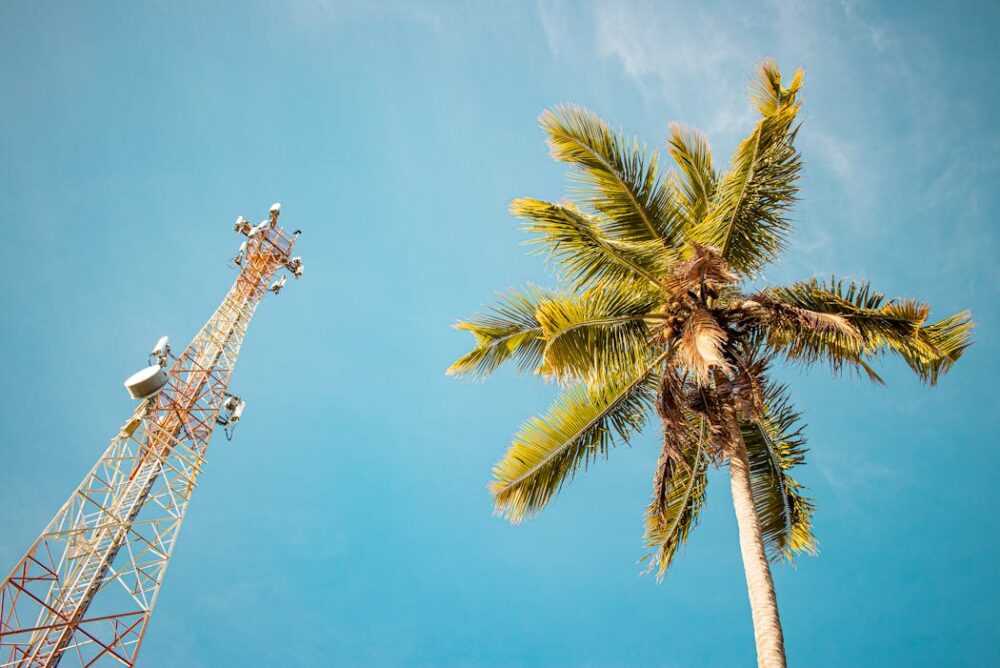
In most cases, the damage was visible only on the side of the tree directly facing a nearby antenna. Researchers noted browning leaves, thinning canopies, and dead branches limited to that direction. The opposite side often looked unaffected, with healthy growth and normal coloration.
This unusual pattern ruled out many environmental causes that would typically affect a tree uniformly, such as soil quality or pests. Instead, it hinted that an external, directional factor, like electromagnetic radiation, might play a role.
3. Researchers Compared Damaged and Healthy Trees
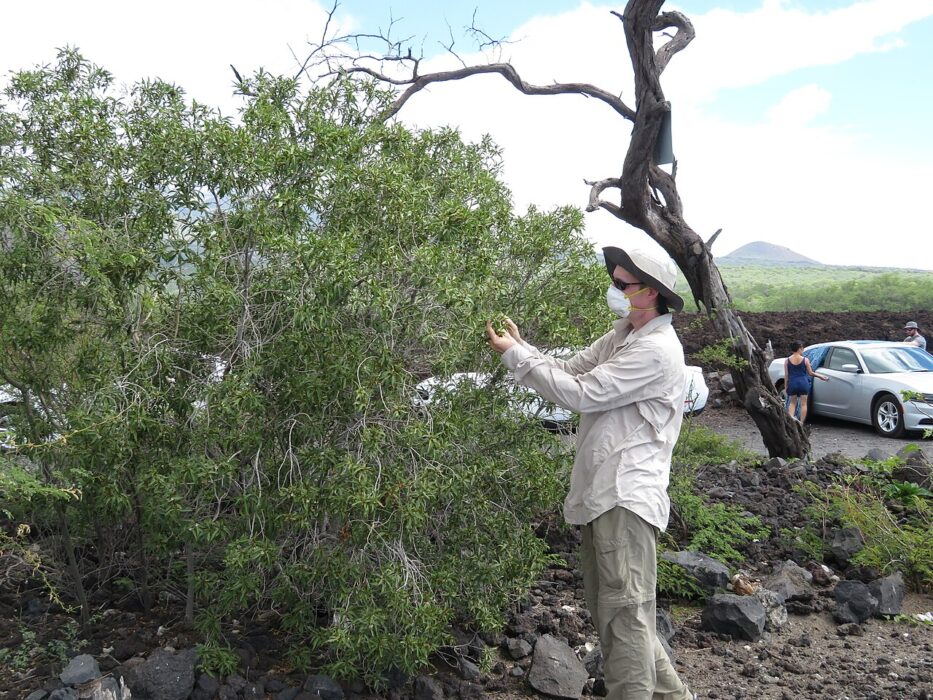
To confirm the pattern, researchers compared damaged trees with healthy ones of the same species and age growing in lower-exposure areas. Those healthier trees showed little to no decline and were exposed to much weaker radiofrequency signals than the damaged group.
The difference pointed to a possible link between stronger signals and tree damage, but researchers cautioned that this does not prove cause and effect. Other factors, including heat, air pollution, or soil stress, could also be contributing to the changes observed.
Follow us and access great exclusive content every day
4. The Measured Radiation Levels Were Well Below Safety Limits
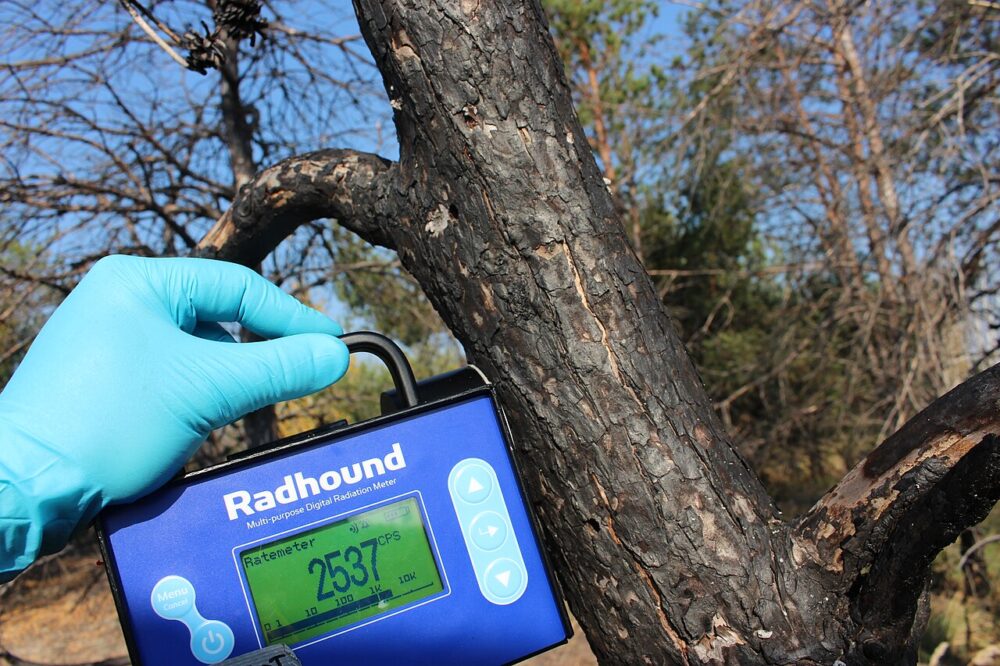
Researchers also noted that all measured radiofrequency levels were well below international safety limits set for humans, even in areas closest to cell towers. While signal strength ranged from very low in distant areas to much higher near tower bases, none exceeded current global guidelines.
The open question is whether long-term exposure at these low levels could affect trees differently than people, especially since trees are exposed continuously over decades and cannot move away from environmental stressors.
5. Laboratory Studies Offer Mixed Results

Controlled experiments have provided some evidence that electromagnetic fields can influence plant physiology. Seedlings exposed to varying levels of RF radiation sometimes show reduced chlorophyll, slower root growth, or altered cell function.
However, results vary widely depending on frequency, duration, and plant species. Many studies find no measurable effect at all.
Scientists caution that while plants can respond to electromagnetic energy, translating laboratory outcomes to real-world forest conditions remains highly complex and uncertain.
6. Tree Species React Differently to Exposure
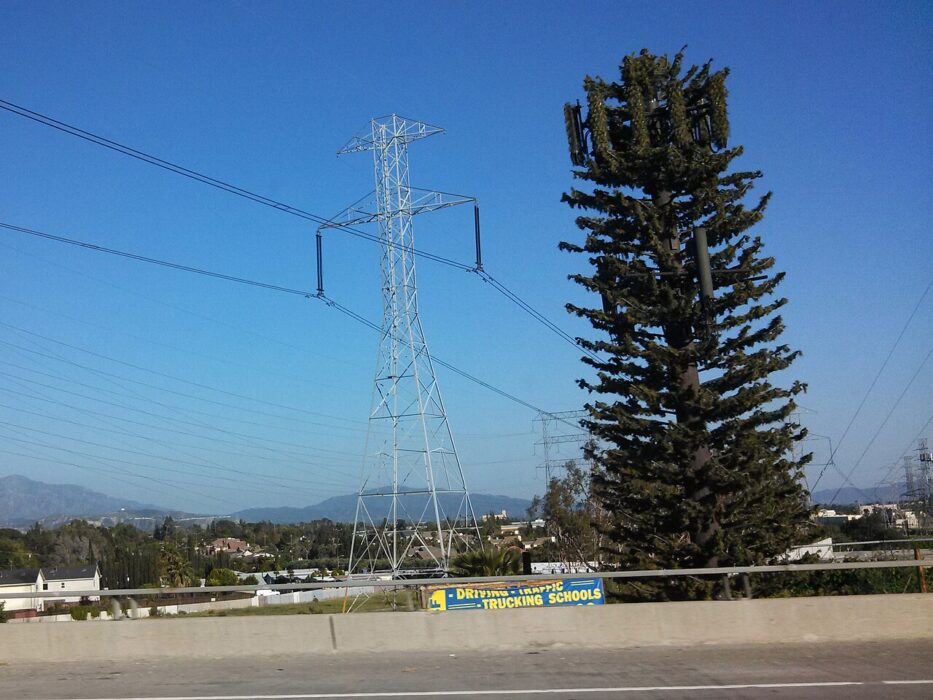
Researchers noticed that some types of trees seemed more affected than others. Broadleaf trees such as oak, maple, and beech showed uneven damage more often than conifers like spruce or pine.
Scientists think this may be linked to physical differences between species. Factors like water content, bark thickness, and leaf structure can influence how trees interact with electromagnetic signals. Trees with thinner leaves or higher water flow may react more visibly, which could make them helpful indicators when studying subtle environmental changes.
7. Other Environmental Factors Could Be Contributing
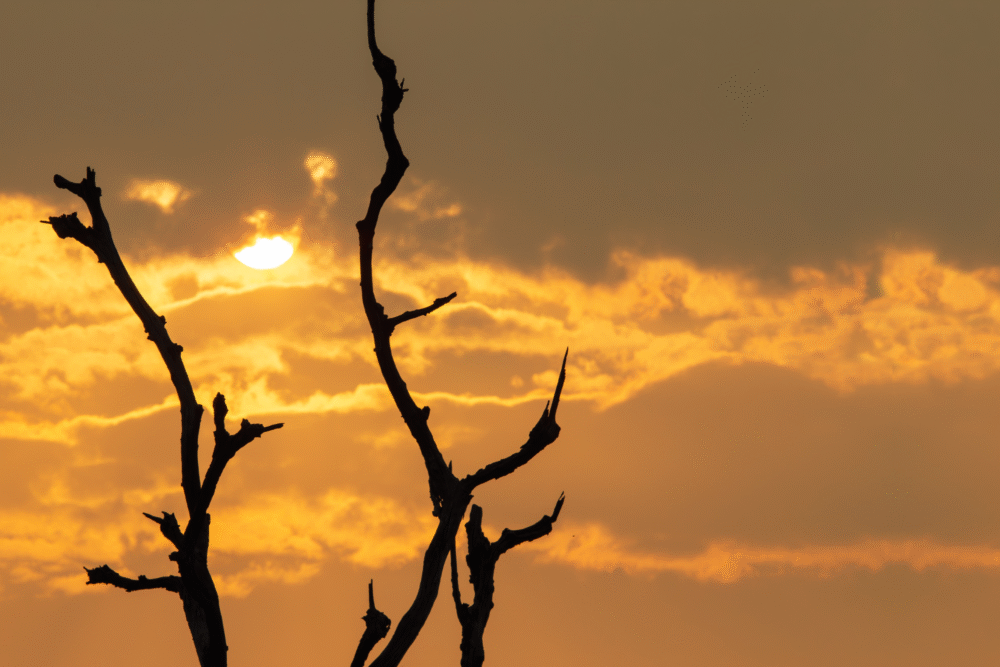
Trees in cities already deal with a lot of stress, including air pollution, higher temperatures, compacted soil, and limited space for roots to grow. On their own, these conditions can weaken trees and make them more vulnerable to additional environmental strain.
Researchers point out that radiofrequency exposure may not act alone but could add to these existing pressures. A tree that’s already stressed may struggle to repair small cellular damage, allowing visible problems to appear more quickly on the side facing the strongest exposure.
8. Observed Effects May Reflect a Combined Impact
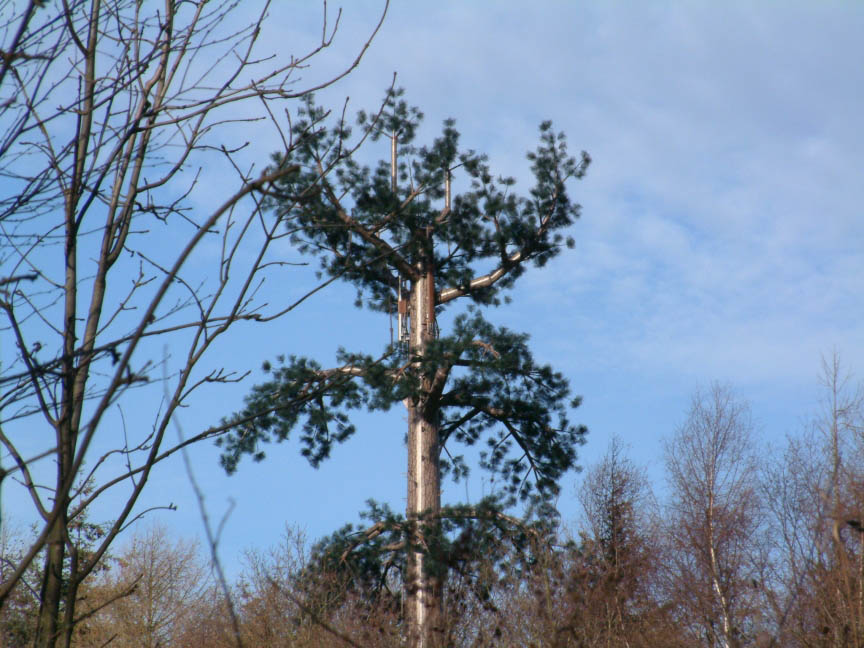
Instead of pointing to radiation as a single cause, many scientists think tree decline near cell towers may be the result of several stresses acting together. Trees that are exposed to electromagnetic signals while also dealing with drought, road salt, or pollution may experience added strain over time.
Environmental biologists note that low-level stresses can be easy to miss on their own but still cause meaningful damage when combined. Figuring out how electromagnetic exposure interacts with other environmental pressures may be key to understanding the bigger picture.
9. The Findings Are Correlational, Not Causal
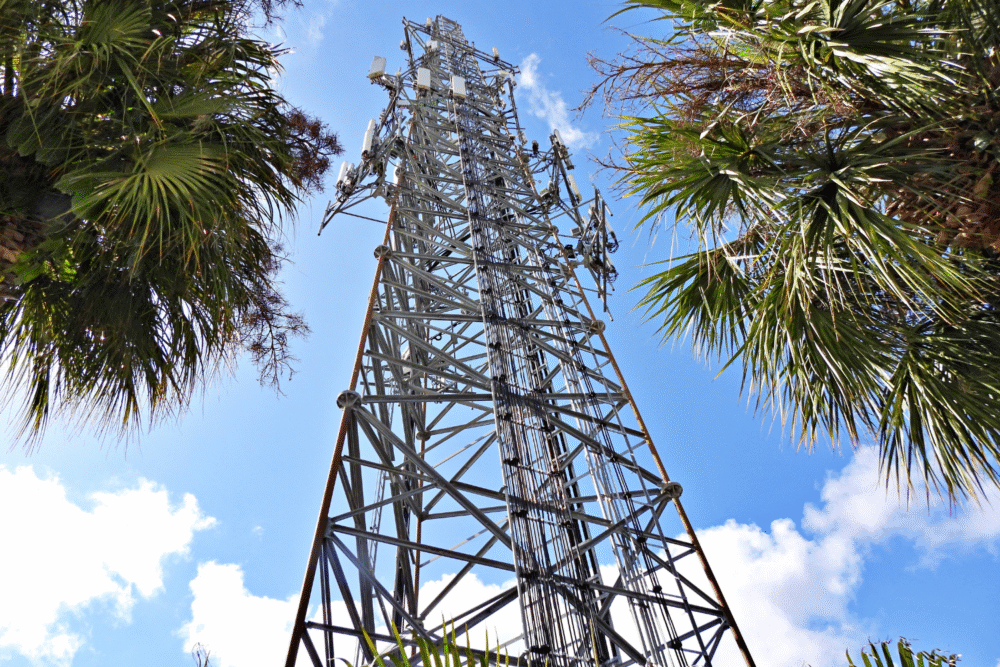
The German research team consistently emphasized that its results demonstrate correlation, not proof of causation. The study was observational and could not exclude all potential confounding variables, such as microclimate differences or unseen root damage.
Still, the repeated directional pattern of injury remains compelling. The researchers called for more controlled experiments and multi-country comparisons to determine whether similar phenomena occur elsewhere under different environmental and technological conditions.
Follow us and access great exclusive content every day
10. Independent Studies Have Reported Similar Patterns

Smaller investigations in Switzerland, Poland, and India have observed comparable tree stress near mobile towers. Some reported discoloration, bark cracking, or reduced chlorophyll content on tower-facing branches.
While not identical, these studies collectively suggest that the phenomenon may not be geographically isolated. However, sample sizes remain small, and methodologies vary. Experts agree that larger, standardized field studies are necessary to confirm or refute whether cell tower emissions play a consistent global role in tree decline.
11. Scientists Call for Expanded Monitoring Programs

Researchers are calling for long-term monitoring that looks at electromagnetic exposure alongside more familiar measures of tree health. They suggest combining tools like satellite images, leaf and chlorophyll analysis, and on-the-ground signal measurements to see how exposure levels line up with changes in trees over time.
This kind of data could help scientists sort out what role heat, pollution, and radiofrequency signals each play. For now, they stress caution rather than alarm. The findings aren’t conclusive, but they raise enough questions to justify closer study of how modern infrastructure may be affecting nearby ecosystems.