
China is scaling solar and wind infrastructure to meet its AI sector’s surging energy needs.
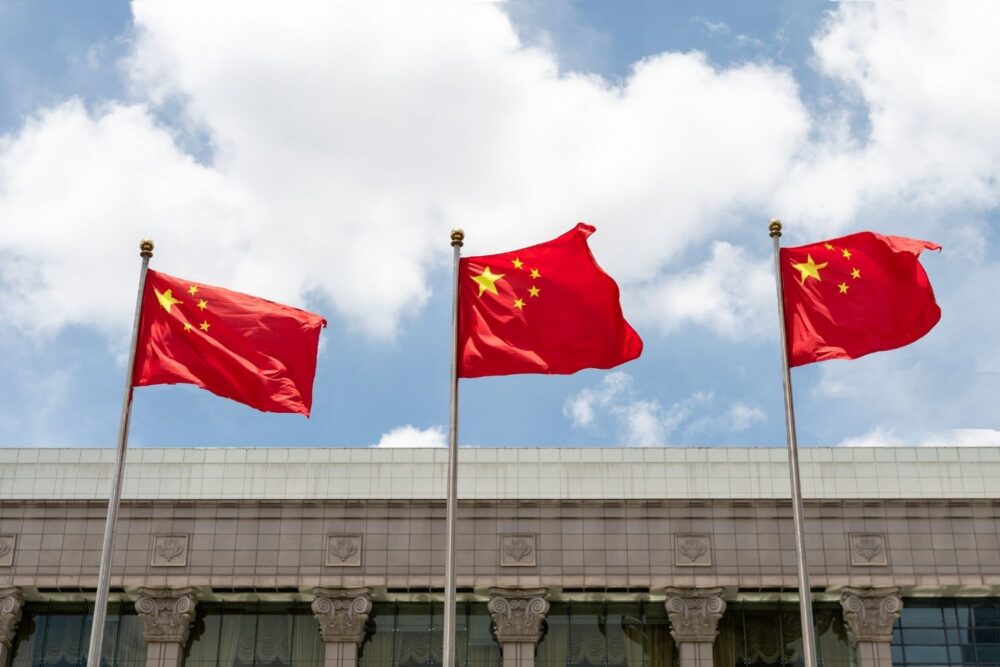
As China’s artificial intelligence industry grows, so does its need for vast amounts of energy. To meet this demand while curbing carbon emissions, the country is turning to renewables—chiefly solar and wind power. Experts at the International Energy Agency and Stanford University note that these sources, paired with modern grid systems and energy storage, offer cleaner, more stable electricity for AI data centers and computational hubs spread across China’s diverse industrial zones.
1. Expand regional solar farms to support energy-intensive AI centers.

Solar farms near inland tech corridors now help shoulder the workload of data centers running complex language models and image generators. These centers burn through electricity to keep processors cool and models responsive, and solar power offers a scalable supply when paired with grid planning.
In western provinces like Qinghai, large photovoltaic fields stretch across dry plateaus, delivering daytime loads with minimal emissions. But solar’s midday peak must align with AI computing’s round-the-clock needs, so energy storage and smart redistribution help bridge the timing mismatch and prevent waste.
2. Leverage wind-rich zones to diversify power sources for data hubs.
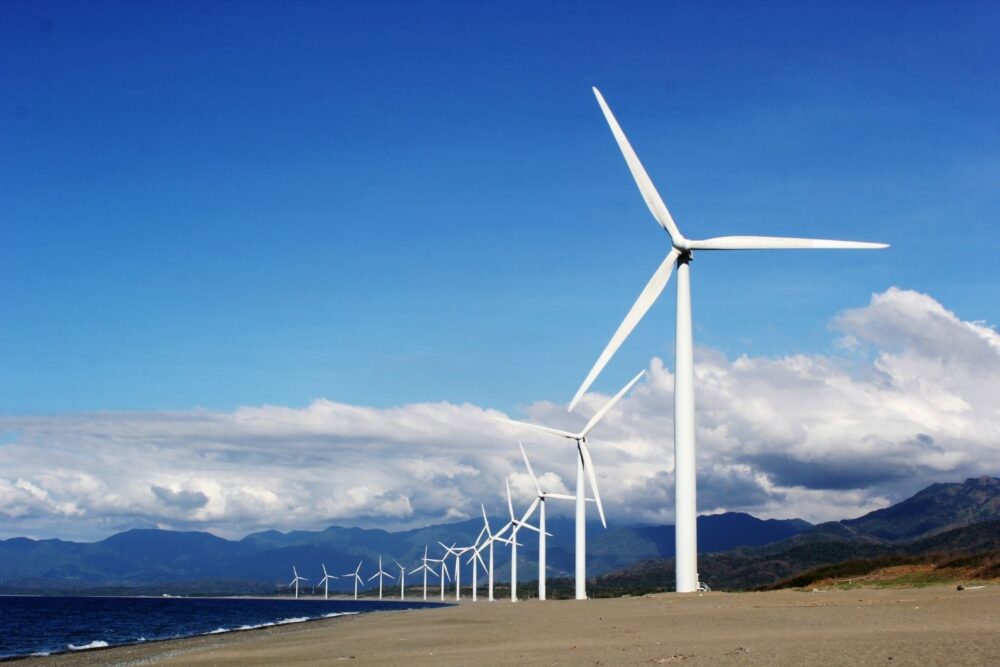
Strong wind currents in provinces like Inner Mongolia offer consistent energy that balances solar’s daytime surge. Turbines here convert steady gusts into power pipelines that feed into AI operations, especially those farther from urban cores where land is cheaper and wind more reliable.
Using wind preserves hydropower and minimizes coal burn during evening hours, smoothing load fluctuations caused by AI’s unpredictable processing spikes. The movement of wind across wide plains becomes an invisible partner to GPU racks humming in concrete server halls 500 miles away.
3. Integrate smart grid systems to stabilize renewable power delivery.

Smart grids use real-time data to balance power inputs from fluctuating renewables with constant AI electricity demand. Adjusting voltage flows and redistributing excess supply helps avoid outages in data centers where uptime is non-negotiable—even a millisecond delay disrupts model training.
In pilot regions like Guangdong, grid operators now manage solar, wind, and storage with AI themselves, analyzing weather and load forecasts to reroute power efficiently. It’s a loop of digital systems powering and being empowered by each other, often within the same industrial zone.
4. Incentivize clean tech firms to cluster near AI infrastructure.

Local governments now encourage clean tech startups—battery-makers, inverter firms, panel designers—to settle near AI clusters. Proximity reduces transmission loss, speeds deployment, and supports co-development of optimized hardware that matches the electricity patterns of AI workloads.
By clustering firms in places like Zhangjiakou, planners create self-sufficient industry loops: AI demands power, solar systems supply it, monitoring tools analyze the flow, and equipment firms refine parts based on user need. Fewer delays. More synergy. The ecosystem feeds on feedback and scale.
5. Prioritize battery storage to smooth solar and wind output gaps.
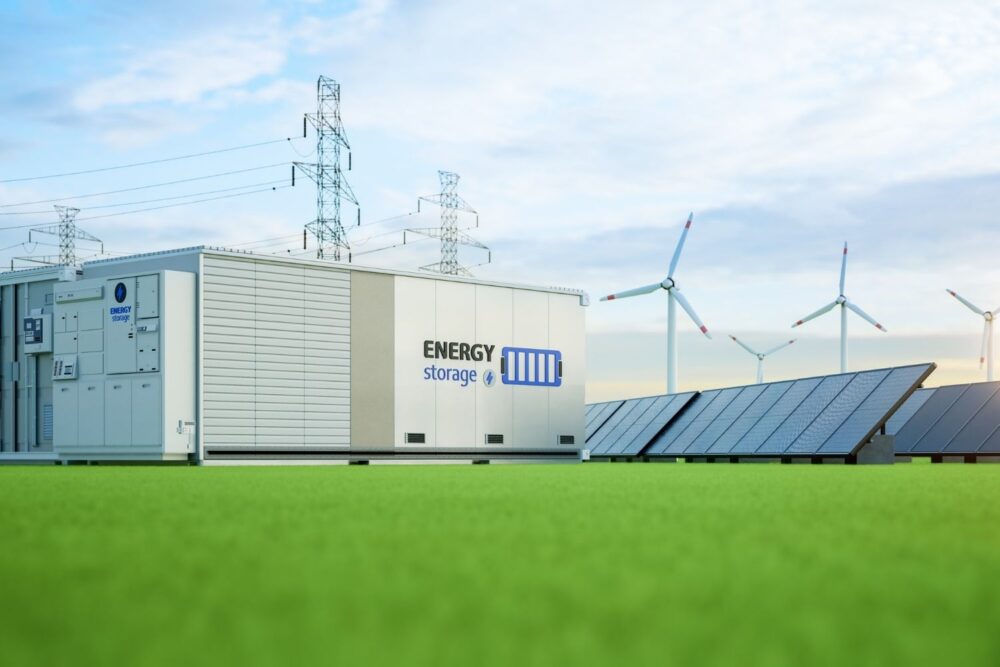
Batteries cushion the erratic flow of renewable inputs, especially important for GPUs that require stable voltage regardless of cloud cover or wind speed. Lithium iron phosphate systems now sit adjacent to solar and wind fields, holding excess energy for night use or peak demand.
In regions where computing surges after dark—when users access services or models retrain—these battery arrays flatten the troughs and peaks into a usable stream. The result is fewer emergency fossil backups and lower emissions per terabyte processed by the data centers nearby.
6. Streamline permits for renewable projects tied to AI development.

A bottleneck in many regions has been the red tape strangling clean energy timelines. Permit processes stretched over multiple agencies delay wind farm construction meant to feed into AI parks, where growth outpaces approvals.
Streamlining paperwork has become policy in new development zones, where an interlinked approach allows faster assessment of environmental and power-grid compatibility. In places like Gansu, a new solar farm aimed at powering cloud servers now moves from permit to build phase in months, not years.
7. Invest in transmission lines connecting rural energy to tech cities.
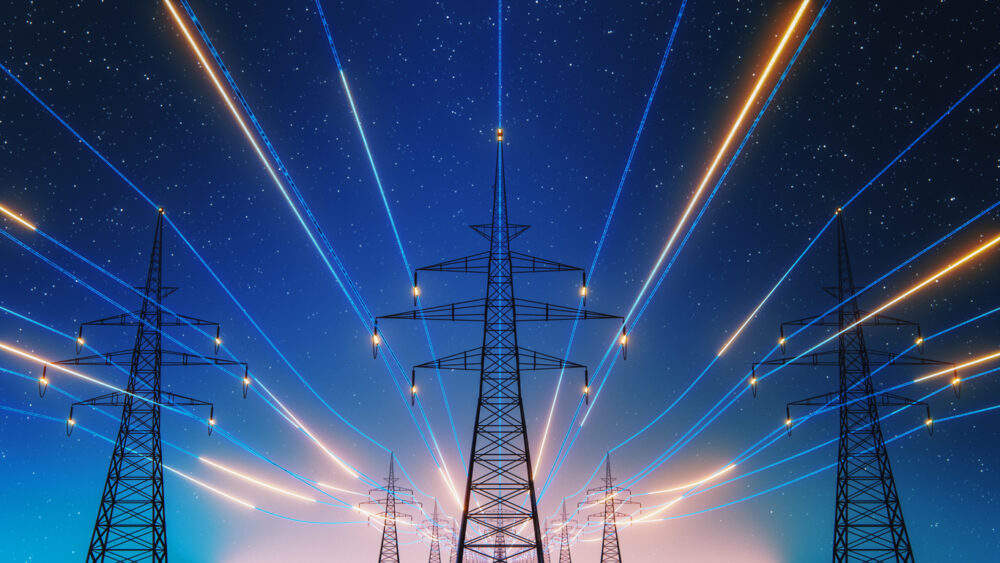
AI installations often sit near cities, while wind and solar potential lies farther afield. Without strong transmission lines, clean power pools in remote regions, unable to reach the facilities that need it. It’s a mismatch of geography and demand.
China has started expanding ultra-high-voltage connectors between desert-based solar fields and coastal digital hubs. The goal is to deliver steady, low-loss energy to data operations, even when weather shifts or demand spikes. Shimmering wires now trek across plains with machine-learning workloads in tow.
8. Launch pilot zones where AI integrates with renewable grid management.

Designated pilot zones now explore how AI tools can help oversee energy grids that also power their own operations. In one test site near Hangzhou, algorithms predict sunlight hours and redirect stored power efficiently to servers needing consistent voltage.
These experiments test not just hardware compatibility but system-level behavior—how predictive energy decisions can help smooth both digital and physical operations. The AI industry becomes both user and optimizer, creating real-time feedback loops aimed at load balancing and peak shaving strategy refinement.
9. Encourage local governments to adopt clean energy for cloud computing.
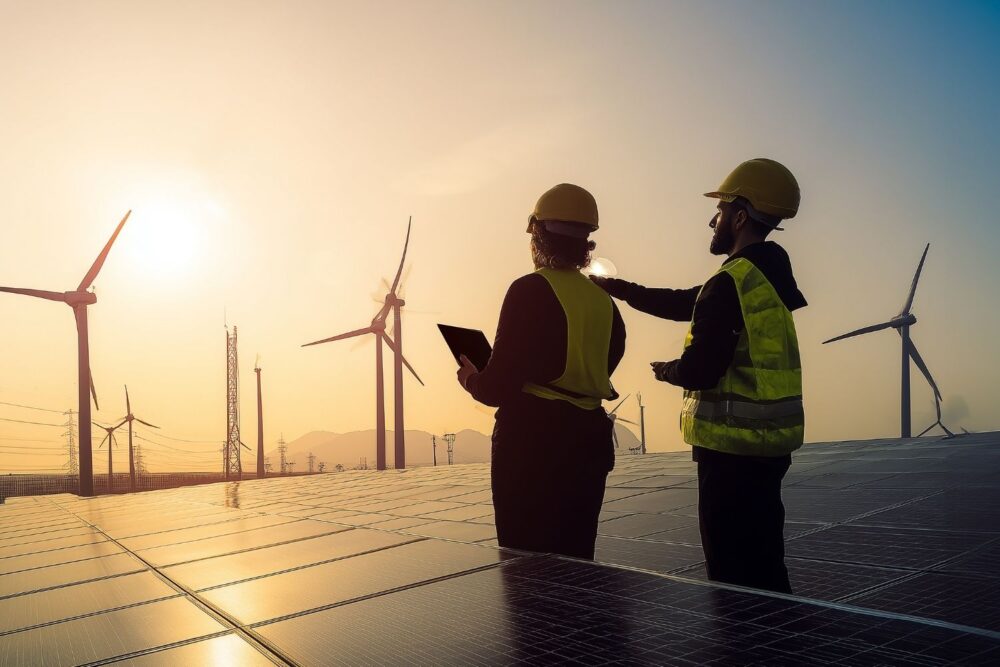
Some provincial programs now reward city-run data hubs that shift from coal-based grids to renewables. Clean energy quotas tied to AI usage push operators to negotiate with wind producers or invest directly in local solar projects.
By linking carbon goals with cloud computing, planners hope to decouple AI growth from rising emissions. In Chongqing, one municipal data facility reported a 30% energy mix shift over three years, attributed to local incentives and onsite solar array additions that now power quieter nighttime algorithms.
10. Retrofit older industrial zones with green power for AI startups.
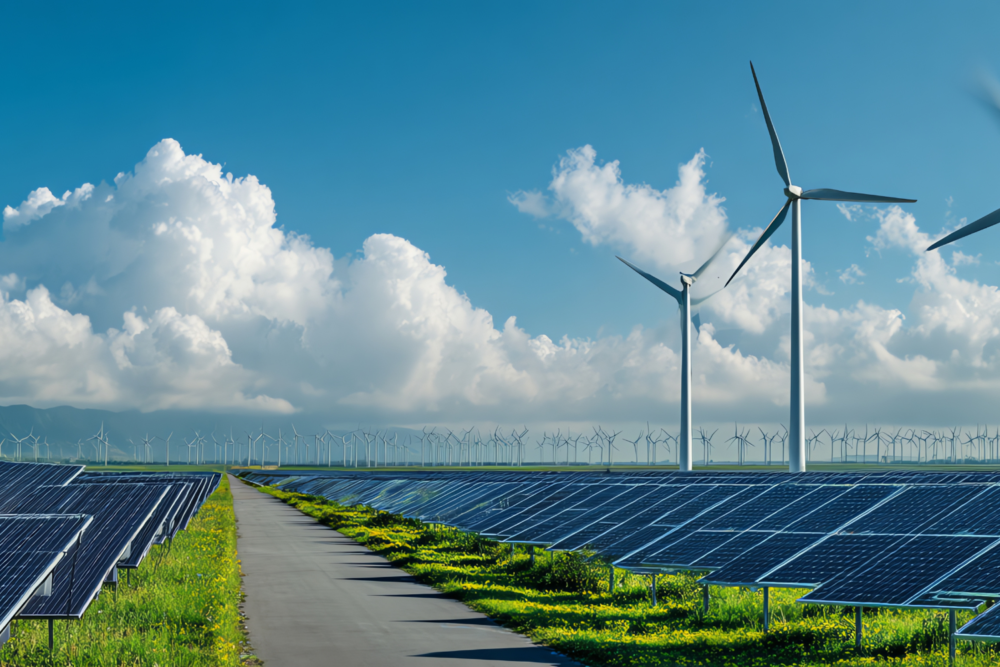
Defunct manufacturing parks, once powered by fossil-heavy networks, are being rewired with clean energy to attract small AI ventures hungry for cheap power and large space. These zones often offer empty shell buildings and existing grid hookups already zoned for industry.
In Hebei, a textile plant now houses a data lab running on nearby solar and supplemented by thermal storage. The shift requires retrofits—new insulation, HVAC, wiring—but gives startups access to infrastructure without building from scratch, cutting early costs and emissions simultaneously.
11. Collaborate with private firms to co-fund wind and solar arrays.

China’s central planners increasingly pair public funds with tech firms willing to co-invest in renewable capacity. A cloud company, for instance, may fund half a solar array’s build while securing discounted power rates over a decade-long term.
These deals offer predictability: clean electricity flows with fixed pricing, and developers hedge against volatility. In Xinjiang, a new turbine bank was funded jointly by a private AI platform and a regional grid firm, linking financial interest with usage need and easing strain on central energy budgets.
12. Build university partnerships to train a renewable-savvy AI workforce.

Universities now design programs that train students in both AI systems and energy network logistics. Graduates emerge understanding how to optimize server racks and manage wind-integrated grids without toggling between disciplines.
At a campus in Chengdu, seniors model battery storage algorithms alongside neural networks, simulating power needs under varied training conditions. These hybrid skills help fill a growing labor gap in an industry where data understanding must track alongside real-time wattage awareness as AI scales upward.