
Her unusual anatomy suggests our earliest ancestors didn’t evolve in a straight line from ape to human.
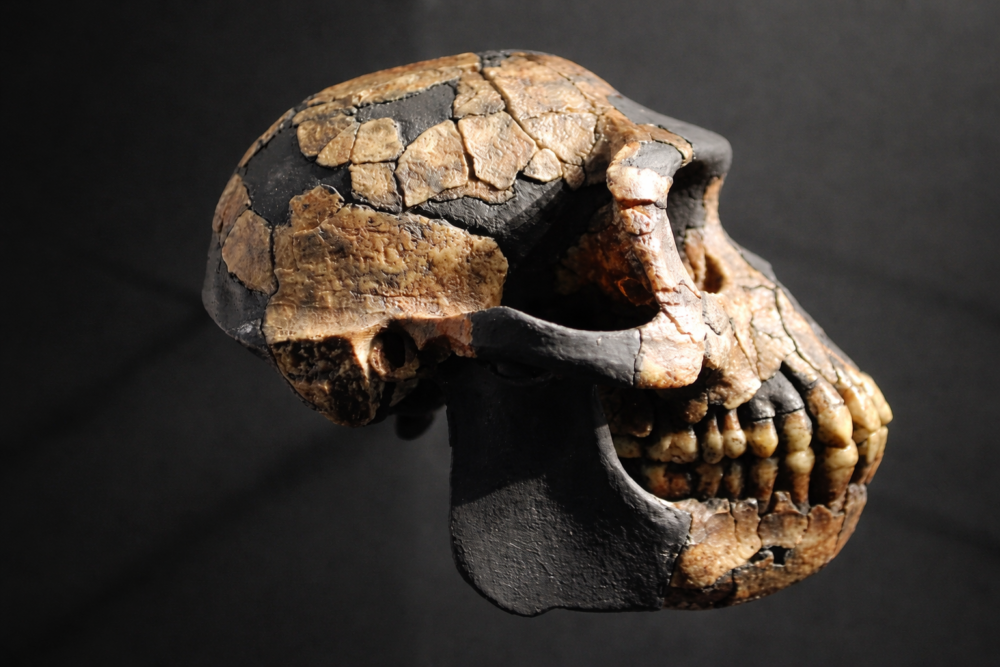
More than four million years ago, a female hominin moved through a world that blended trees and open ground, long before humans looked or behaved the way we do today.
Discovered in Ethiopia and known as Ardi, her skeleton offered scientists a rare chance to study one of the earliest known members of the human family. What they found challenged long-standing assumptions about how human evolution unfolded.
Rather than showing a clean shift from ape to human, Ardi’s anatomy revealed a complex mix of traits, suggesting that early ancestors experimented with multiple ways of moving and surviving before modern humans ever appeared.
Click through to learn more about what made Ardi a unique discovery.
1. Ardi lived more than 4 million years ago
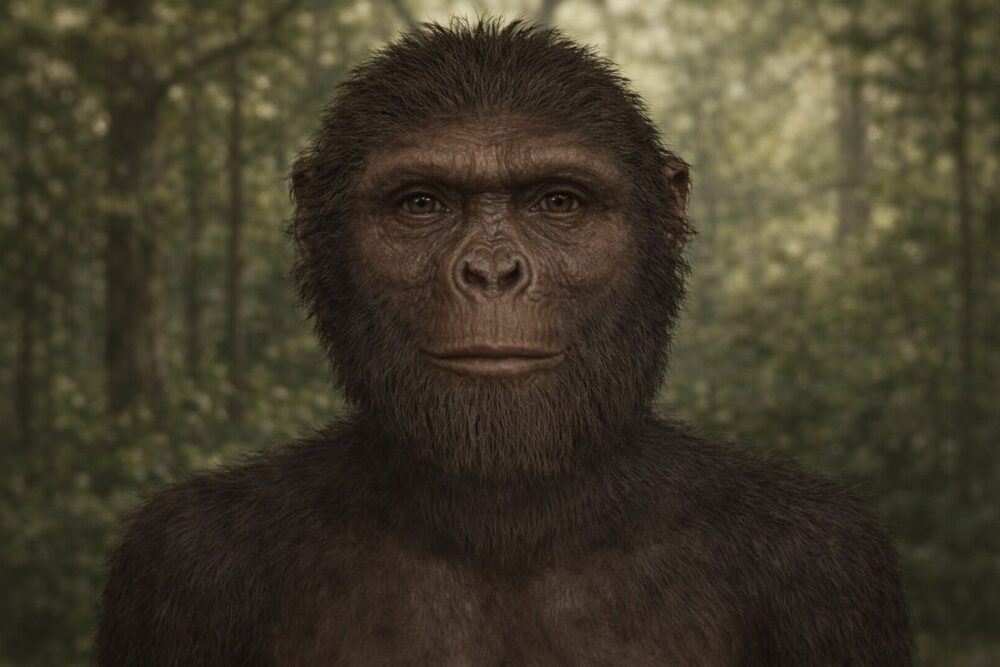
Ardi lived around 4.4 million years ago, placing her near the very beginning of the human lineage after it split from that of modern chimpanzees. This extreme age makes her one of the earliest hominin skeletons ever discovered.
Because fossils from this period are rare, Ardi provides unusually valuable insight into what early human ancestors looked like before later traits, such as large brains or advanced tools, began to develop.
Follow us and access great exclusive content every day
2. She belonged to the species Ardipithecus ramidus
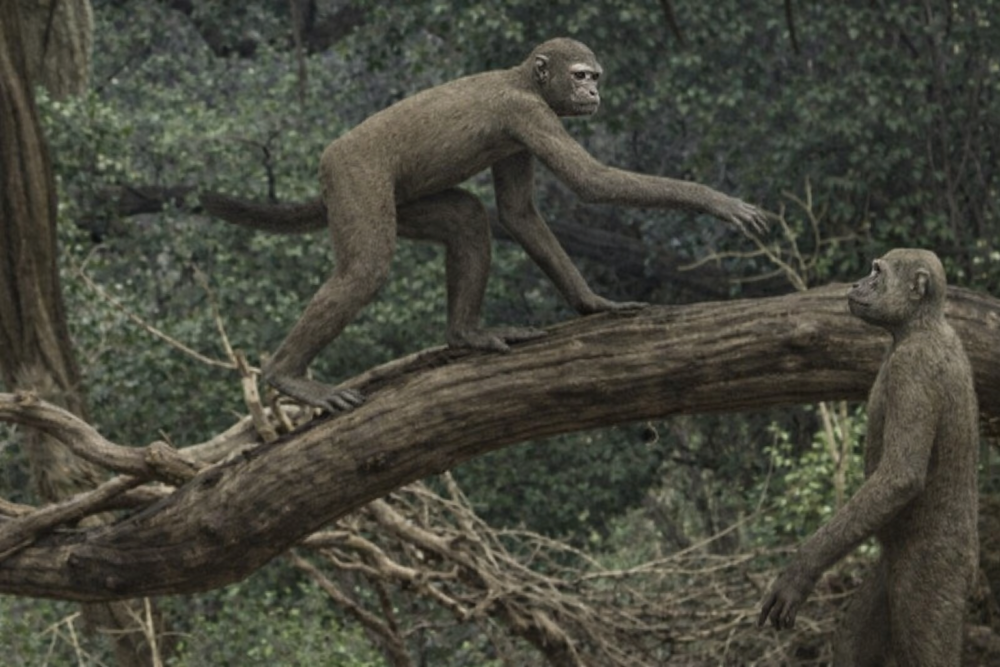
Ardi is classified as Ardipithecus ramidus, a species that does not fit neatly into the category of either ape or human. Her anatomy reflects a transitional form, combining features seen in both groups.
This makes her especially important for understanding what early hominins were like before more familiar species, such as Australopithecus, emerged. Ardipithecus helps bridge a critical gap in the fossil record.
3. Her skeleton was unusually complete for its age
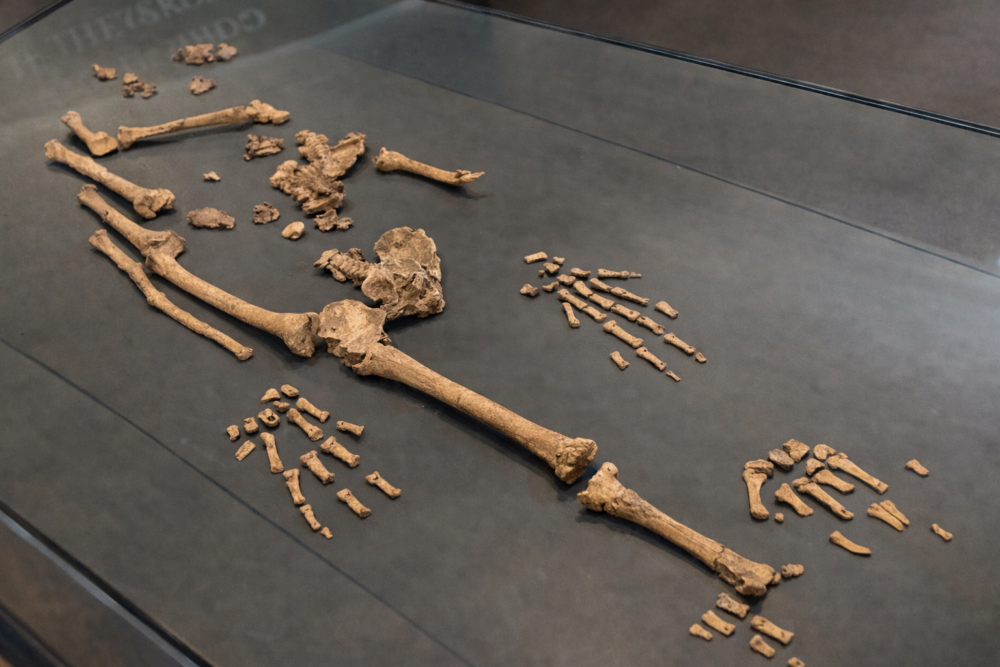
Many early human fossils consist of isolated bones, but Ardi’s remains included much of her skull, pelvis, arms, legs, hands, and feet.
This level of completeness allowed scientists to reconstruct how she moved and lived with far greater confidence. It also reduced guesswork, making Ardi one of the most informative early hominin discoveries ever studied.
4. Ardi walked upright, but not like modern humans

Evidence from Ardi’s pelvis and leg bones shows she could walk upright on two legs while on the ground. However, her body was not built for long-distance walking or running.
Her stride was likely slower and less efficient than that of modern humans. This suggests that upright walking evolved gradually and looked very different in its earliest forms.
5. Her feet reveal a life split between trees and ground
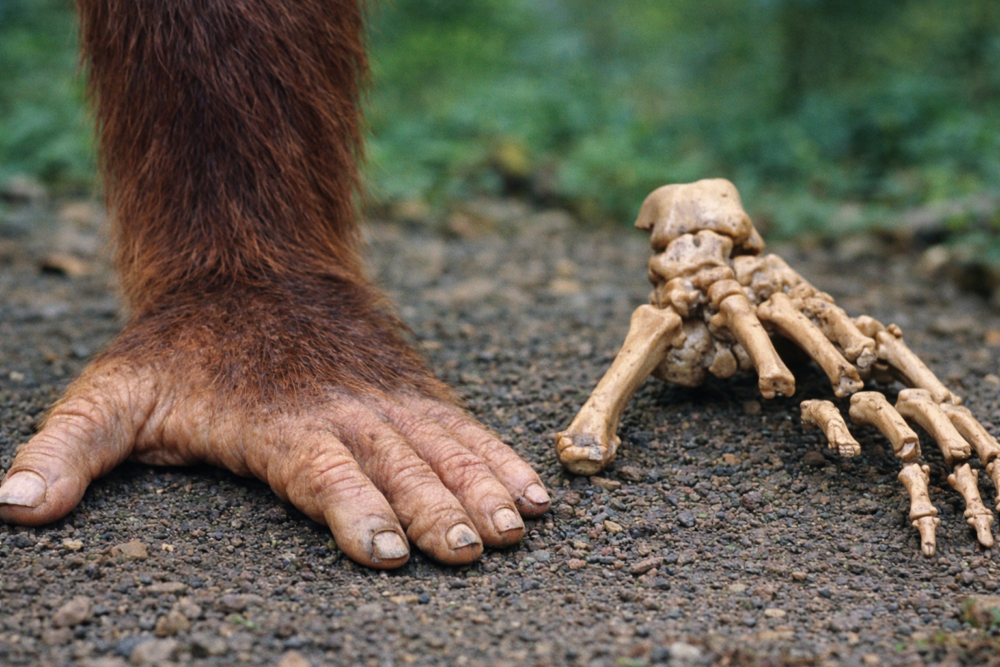
Ardi’s feet provide some of the clearest evidence that early human ancestors lived between two worlds. She had a grasping big toe that stuck out to the side, similar to modern apes, allowing her to grip branches and climb trees effectively.
At the same time, other bones in her foot were stiff enough to support upright walking on the ground. This unusual combination shows that Ardi did not abandon tree climbing when bipedalism emerged.
Instead, she likely moved fluidly between trees and ground, using different strategies depending on her environment and needs.
Follow us and access great exclusive content every day
6. Her hands were not built for knuckle-walking
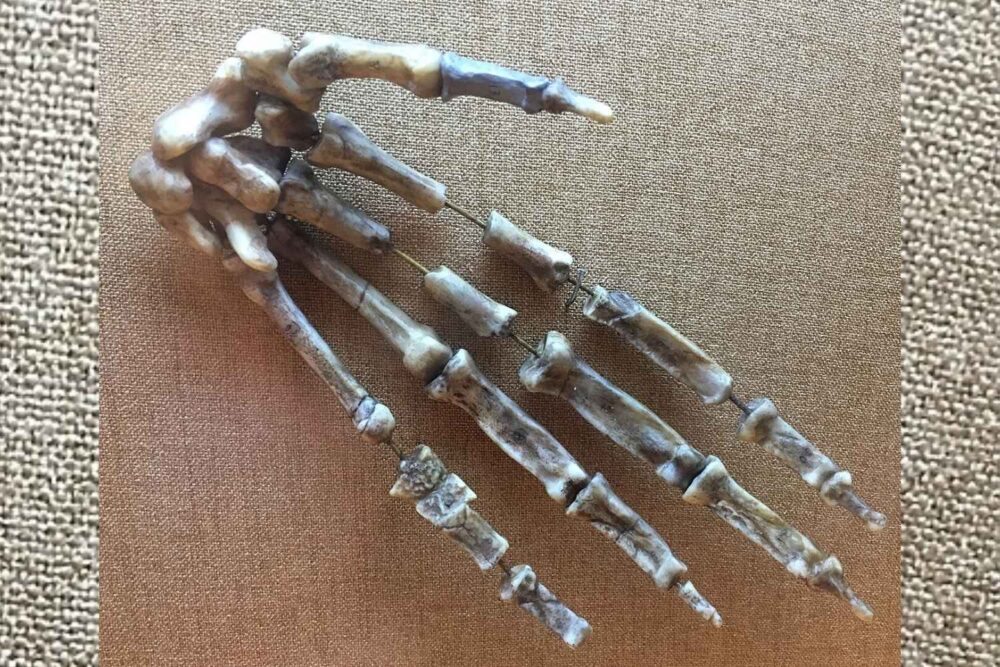
Unlike chimpanzees and gorillas, Ardi’s hands lacked the adaptations needed for knuckle-walking. Her wrists and finger bones suggest she did not move on her knuckles at all. This finding challenged the assumption that humans evolved from knuckle-walking ancestors.
It suggests that modern apes may have developed knuckle-walking after splitting from the human lineage.
7. She lived in a wooded environment

Ardi’s fossils were found alongside plant and animal remains that indicate a forested habitat. This environment included trees, shrubs, and woodland vegetation rather than open grassland.
This discovery challenged the long-held idea that upright walking evolved primarily as an adaptation to life on the savanna, suggesting bipedalism began in more complex, wooded settings.
8. Her body shows evolution was not linear
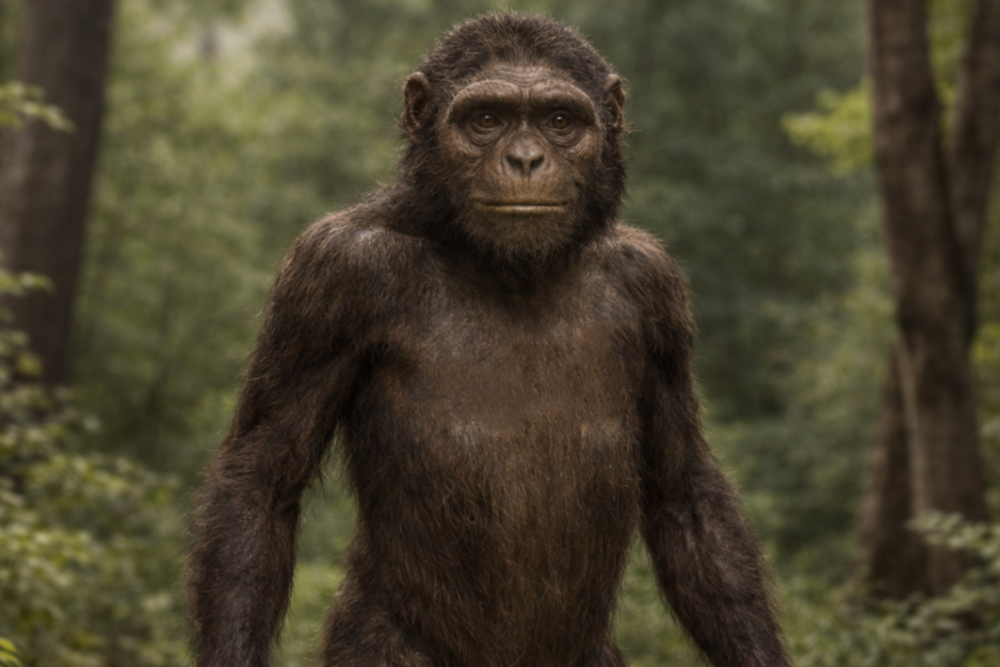
Ardi’s mix of traits demonstrates that human evolution did not follow a straight path from ape to human. Different features evolved at different times, often in unexpected combinations.
Her anatomy shows that early ancestors experimented with multiple ways of moving and surviving before later species settled into more specialized forms.
9. She helps explain how human walking evolved

By studying Ardi’s posture and movement, scientists can trace early steps toward modern human walking. Her skeleton represents an early stage in the evolution of balance and upright posture.
While she was not built like modern humans, her anatomy shows how bipedalism began long before it became the dominant form of movement.
10. Ardi reshaped how scientists interpret early fossils
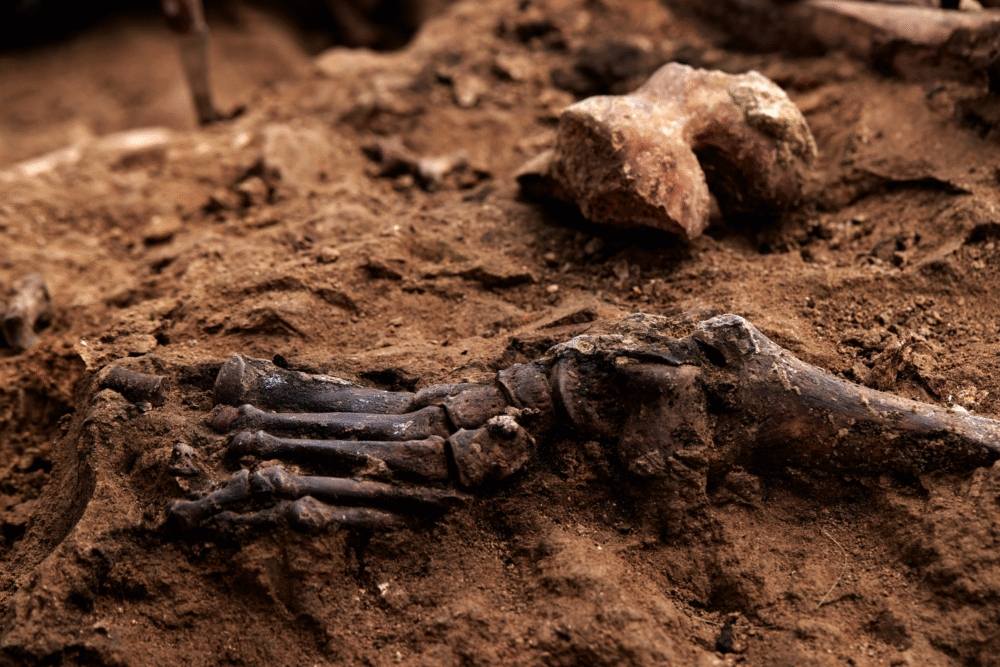
Before Ardi, many evolutionary models relied heavily on comparisons with modern chimpanzees. Her discovery showed that living apes may not accurately represent the common ancestor shared with humans.
This realization changed how researchers interpret fossil evidence and reconstruct early stages of human evolution.
11. Her legacy lies in what she reveals about being human
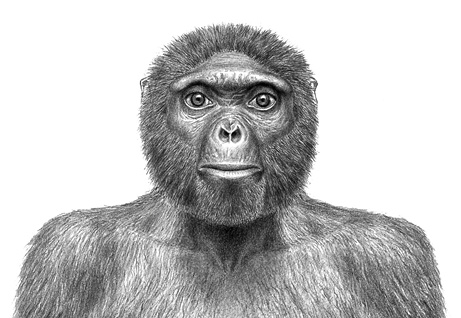
Ardi matters because she captures a moment when human ancestors were neither fully ape nor fully human. Her skeleton reveals how complex and gradual our origins truly were.
By challenging simple narratives, Ardi continues to reshape our understanding of where we came from and what it really means to be human.