
A few quick steps can keep bedbugs from spreading to your luggage—or following you home.
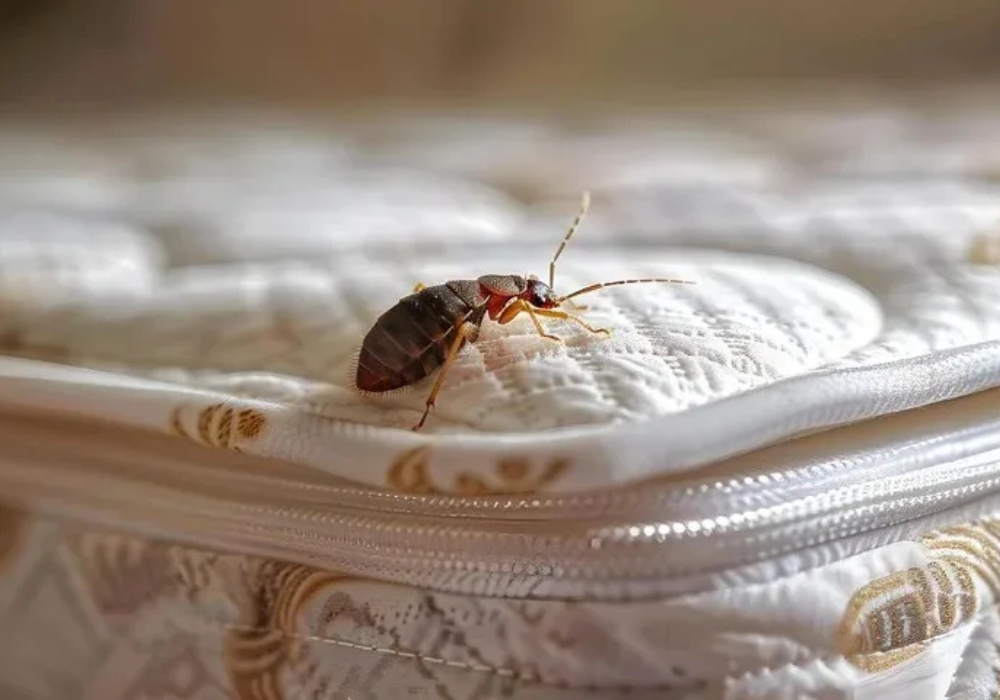
Finding a bedbug in your hotel room can derail a trip instantly, but experts say the right steps can prevent the insects from spreading to your luggage—or following you home. Bedbugs are excellent hitchhikers and can hide in cracks, fabrics, or furniture seams without being noticed. They don’t transmit disease, but they can cause bites, infestations, and costly treatments once they enter a home. Knowing exactly what to do when you see one can help you protect your belongings, avoid further exposure, and work with hotel staff to resolve the problem safely.
1. Stop Moving and Avoid Touching Anything Else in the Room

Experts recommend pausing immediately when you spot a bedbug. Movement can disturb the insect or unknowingly spread eggs or adults to your luggage or clothing. Staying still gives you time to assess the situation without making contamination worse.
Bedbugs can crawl quickly and hide in small crevices, so minimizing contact with surfaces is essential. Avoid sitting on the bed, opening drawers, or placing items on upholstered furniture. This first step helps reduce the risk of picking up additional bugs before you take further action.
2. Confirm That the Insect Is Actually a Bedbug
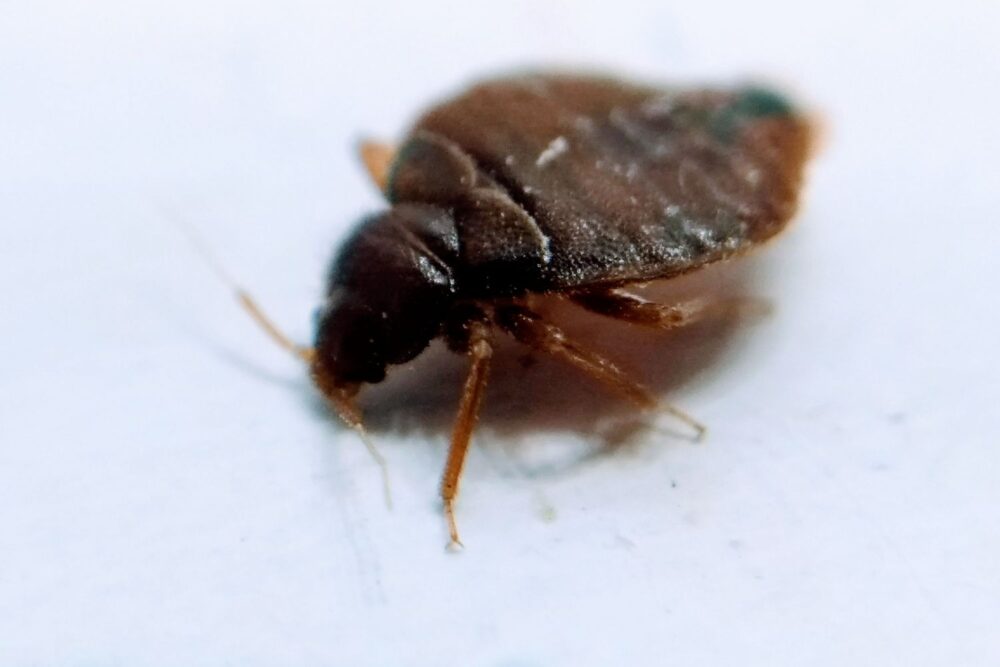
Many travelers mistake beetles, carpet beetles, or fleas for bedbugs. A true bedbug is reddish-brown, flat, and about the size of an apple seed. Checking shape and size helps ensure you’re dealing with the correct pest. EPA and CDC guidelines note that bedbugs have distinctive oval bodies and do not jump or fly.
If you’re unsure, take a clear photo and compare it with reputable sources or show it to hotel staff. Misidentifying insects can lead to unnecessary worry, but confirming the bug early helps you respond appropriately and avoid false alarms.
3. Move Your Luggage to the Bathroom Immediately

Bathrooms have fewer soft surfaces where bedbugs can hide, making them the safest temporary location for your luggage. Experts recommend placing suitcases in the bathtub or on a metal luggage rack positioned away from walls. This reduces the chance of bedbugs crawling into zippers, seams, or fabric compartments.
Keeping items elevated and isolated while you sort out the situation prevents accidental spread. Even if only one insect is found, precaution is crucial—bedbugs are known for hitching rides in personal belongings, especially when left on soft surfaces or near infested areas.
4. Inspect the Bed and Surrounding Furniture for Additional Bugs

Look along mattress seams, box springs, headboards, and side tables for signs of an infestation. Bedbugs leave dark fecal spots, tiny white eggs, shed skins, and sometimes clusters of live insects. Use your phone’s flashlight for a thorough inspection.
Finding multiple signs suggests a larger problem, while spotting only one insect may indicate an isolated incident. A careful inspection helps you describe the situation accurately to hotel staff and decide whether you need to relocate to another room entirely.
5. Notify the Hotel Staff Immediately and Request Assistance

Hotels generally take bedbugs seriously due to health regulations and industry standards. Report your findings to the front desk and show them photos or physical evidence if possible. Staff may call a pest control professional to inspect the room.
In most cases, reputable hotels will offer a new room or alternative accommodation. Request a room that is not adjacent to the affected one, as bedbugs can travel through walls, ceilings, or utility lines. Clear communication ensures the issue is handled promptly and safely.
6. Ask for a Room Far From the Infested Area

If the hotel moves you, experts recommend requesting a room on a different floor or far from the original room. Bedbugs can migrate through wall voids or housekeeping carts, so distance reduces risk.
When entering the new room, perform a quick inspection before unpacking. Even clean, high-end hotels can occasionally experience bedbugs, so checking the mattress seams and furniture helps ensure you avoid a second encounter during your stay.
7. Keep Your Belongings Bagged Until You’re Sure They’re Safe

Seal clothing and personal items in plastic bags or packing cubes until you can check them thoroughly. This prevents hidden bugs from dispersing into the new room. Bedbugs cannot chew through plastic, making bags an effective temporary containment tool.
Once you return home, launder washable clothing on high heat. Heat drying above 120°F is one of the most effective methods for killing bedbugs and their eggs. This precaution ensures no insects travel with you beyond the hotel.
8. Inspect Your Luggage Before Leaving the Hotel

Before checking out or moving to another room, inspect your suitcase, backpack, and carry-on items for signs of bedbugs. Pay special attention to seams, pockets, zipper folds, and straps where small insects may hide.
If you find any evidence, isolate the bag and clean it using heat or vacuuming. Early inspection allows you to address the problem before it becomes more difficult to manage, especially if you have multiple destinations ahead.
9. Use Heat to Kill Any Bugs That May Have Hitched a Ride

Bedbugs are highly sensitive to heat, and temperatures above 120°F can kill all life stages. Laundering clothes on high heat and using a dryer for at least 30 minutes is recommended by the National Pest Management Association. For items that cannot be washed, portable heating bags are effective.
If you suspect your luggage has been exposed, some travelers use heat treatment devices designed for suitcases. Taking these steps early eliminates bugs before they become established in your home environment.
10. Consider Professional Treatment if You Suspect Home Exposure

If you discover bites or signs of bedbugs after returning home, a licensed pest control professional can confirm and treat the infestation. Bedbugs reproduce quickly, making early intervention crucial. Experts use a combination of heat treatments, targeted chemical applications, and monitoring systems to eliminate them.
Trying to treat bedbugs on your own is often ineffective. Professional guidance ensures the problem is resolved thoroughly, preventing further spread and reducing the likelihood of repeated infestations.
11. Staying Alert Helps Prevent Future Encounters

Bedbugs can appear in any hotel, regardless of price or location. Learning how to inspect a room, protect your luggage, and recognize early signs of infestation prepares you for safer travel. These simple habits reduce the risk of bringing bedbugs home and save you time and stress.
Awareness is the most effective prevention tool. By staying vigilant and confident in your response plan, you can continue to travel comfortably—knowing exactly what to do if bedbugs appear again.