
New analysis of Copernicus’ notes reveals how he refined—and doubted—the theory that changed science forever.
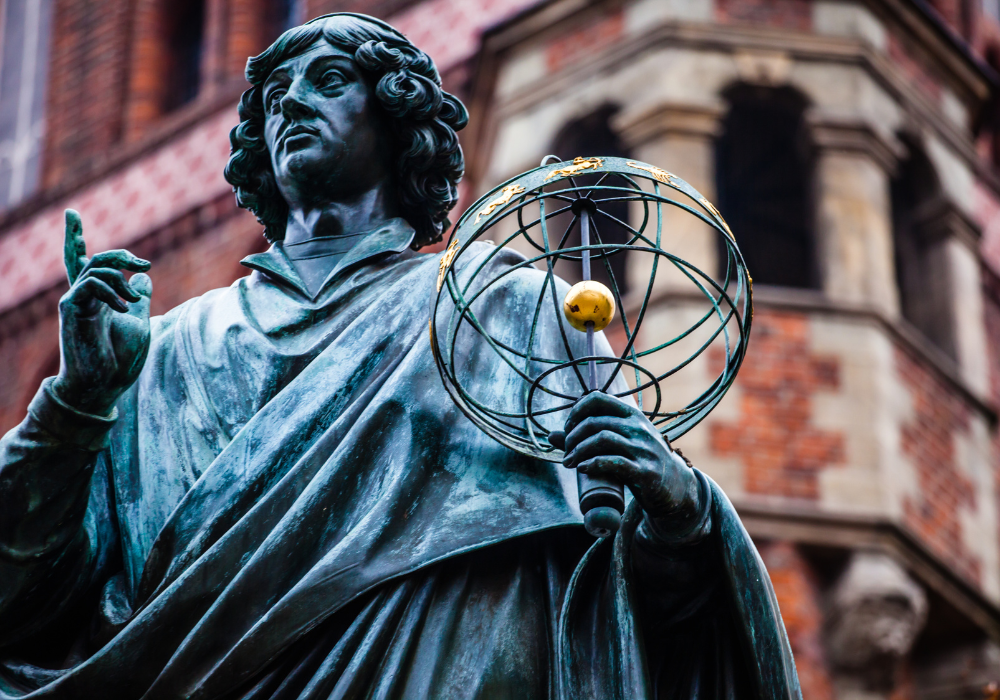
Centuries after Nicolaus Copernicus transformed humanity’s understanding of the universe, researchers have reexamined his original manuscript, De revolutionibus orbium coelestium. Using high-resolution imaging and digital transcription, historians uncovered hidden notes, corrections, and margin sketches showing how Copernicus refined his heliocentric theory in real time. The manuscript reveals not only his evolving calculations but also his hesitation to challenge Church orthodoxy. These insights illuminate how one mathematician’s quiet revisions ultimately redefined science and our place in the cosmos.
1. Copernicus’ Original Notes Reveal His Working Mind
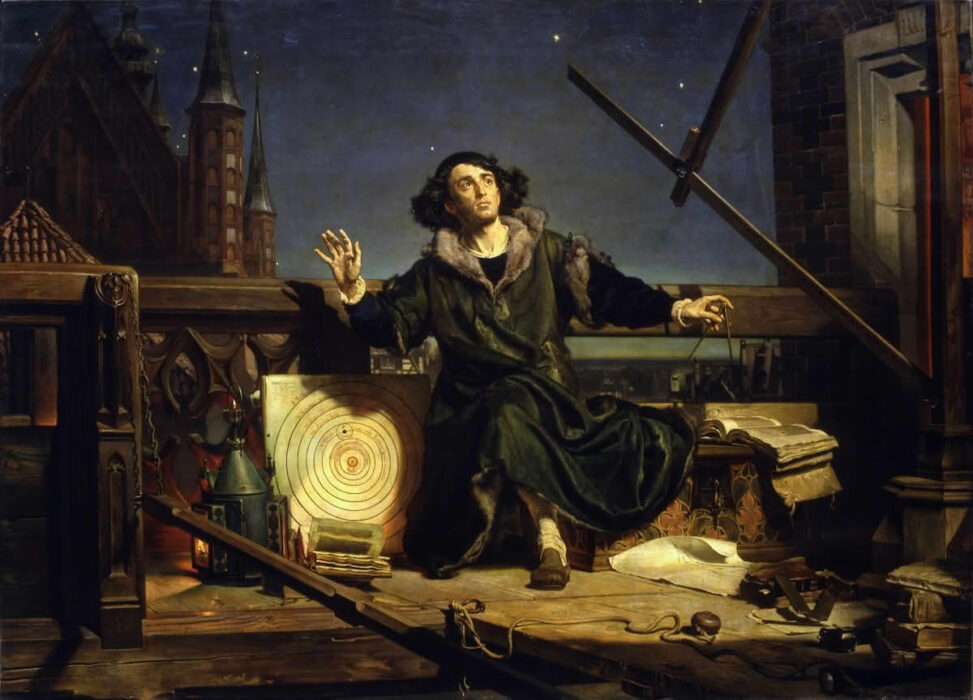
Recent analysis of Nicolaus Copernicus’ handwritten manuscript, De revolutionibus orbium coelestium, offers a rare look at how his revolutionary theory developed. Using high-resolution scans, researchers found countless revisions, crossed-out passages, and mathematical recalculations made directly in his own hand.
These edits show that Copernicus didn’t arrive at the heliocentric model in a single insight. Instead, he refined it slowly through trial, error, and comparison of planetary data—evidence of a disciplined scientist questioning his own results rather than a lone genius struck by sudden inspiration.
2. His Manuscript Was Hidden for Centuries
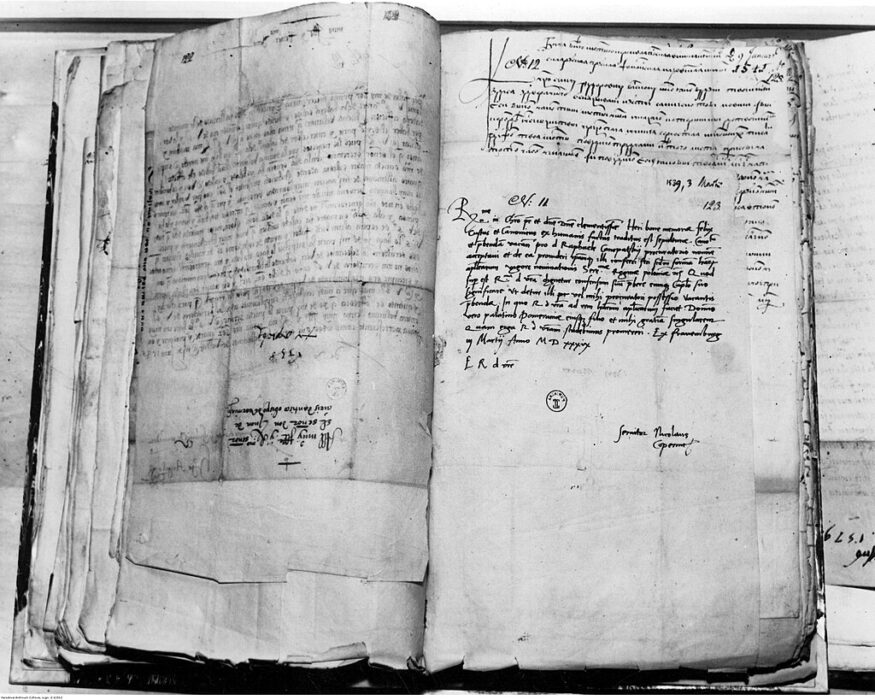
After Copernicus completed De revolutionibus in 1543, the original copy disappeared from public view for generations. It survived wars, censorship, and time—passed through monasteries and private libraries before resurfacing in the 19th century.
Today, the precious manuscript is preserved at the Jagiellonian Library in Kraków, Poland, where modern imaging technology has revealed faint pencil marks and erased text invisible to the naked eye. These rediscoveries help historians reconstruct how Copernicus refined his ideas before publication.
3. He Initially Followed Ancient Models
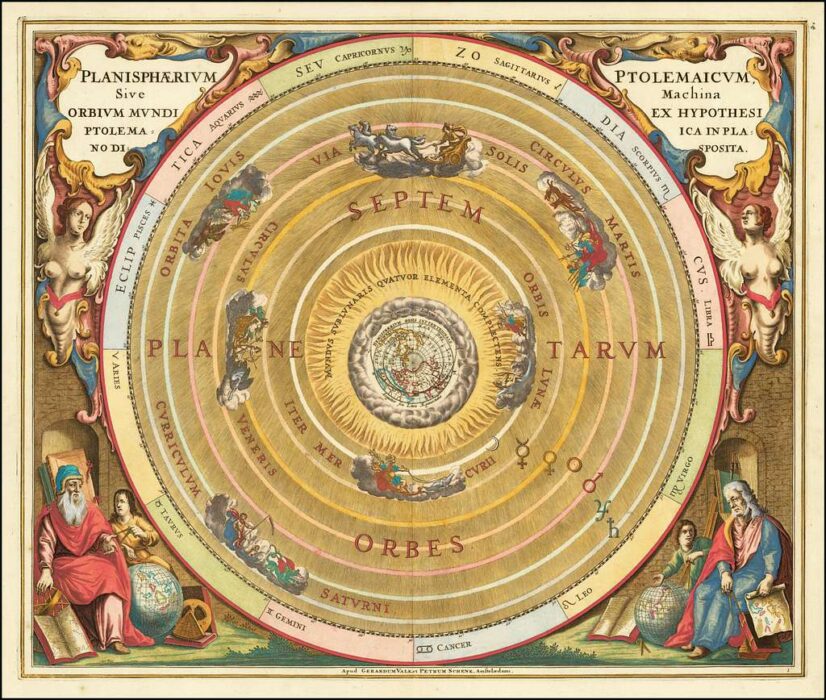
Early drafts of the manuscript show Copernicus starting from the same Earth-centered system used by the Greek astronomer Ptolemy. His early calculations still placed Earth near the universe’s center, suggesting he began as a traditional scholar, not a revolutionary.
Over time, Copernicus became dissatisfied with Ptolemy’s complex planetary orbits, which failed to match observations. The growing inconsistencies in the data prompted him to consider an unthinkable alternative: that the Sun, not Earth, was the true center of the known universe.
4. Copernicus’ Edits Show His Growing Confidence
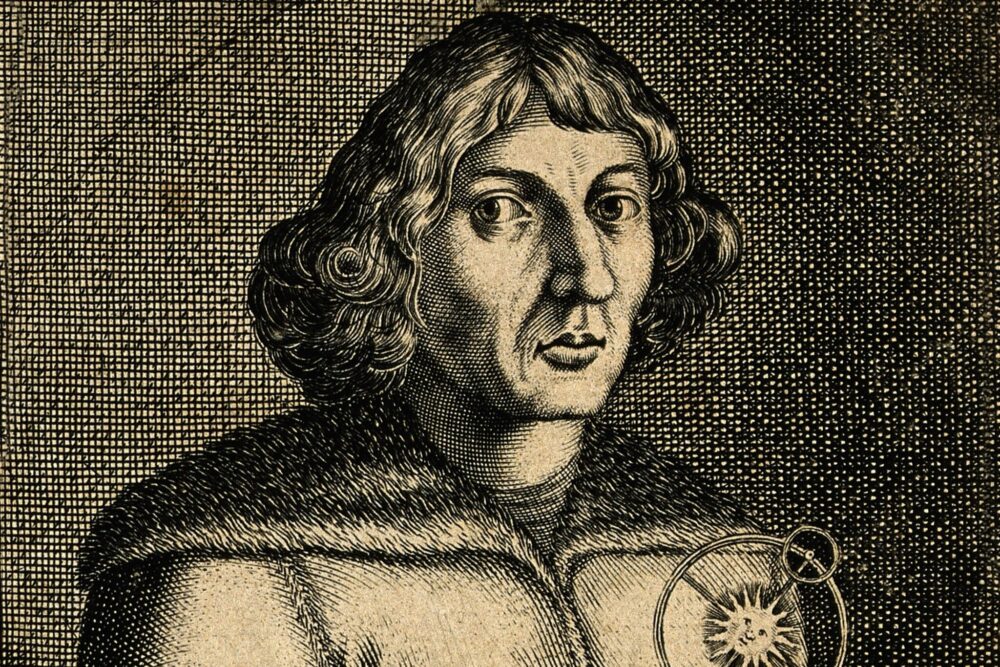
Marginal notes reveal a gradual shift in tone—from cautious speculation to bold assertion. Early lines use phrases like “perhaps” or “it may be that,” but later versions state his heliocentric view as fact.
This evolution reflects both his scientific rigor and his internal struggle. He knew his conclusion defied centuries of accepted wisdom and Church teaching. Yet as evidence accumulated, his annotations became firmer, showing increasing confidence in the mathematics that supported his radical model.
5. His Calculations Were Astonishingly Accurate for His Time

Despite working without telescopes, Copernicus’ orbital tables predicted planetary positions with striking precision. His models placed the planets in the correct order from the Sun and calculated relative distances that are remarkably close to modern values.
Historians credit his accuracy to an innovative mathematical method that replaced circular orbits with more elegant geometric patterns. His precise measurements laid the groundwork for later astronomers, including Kepler and Galileo, to confirm and refine the heliocentric theory through observation.
6. Copernicus Knew His Work Was Dangerous
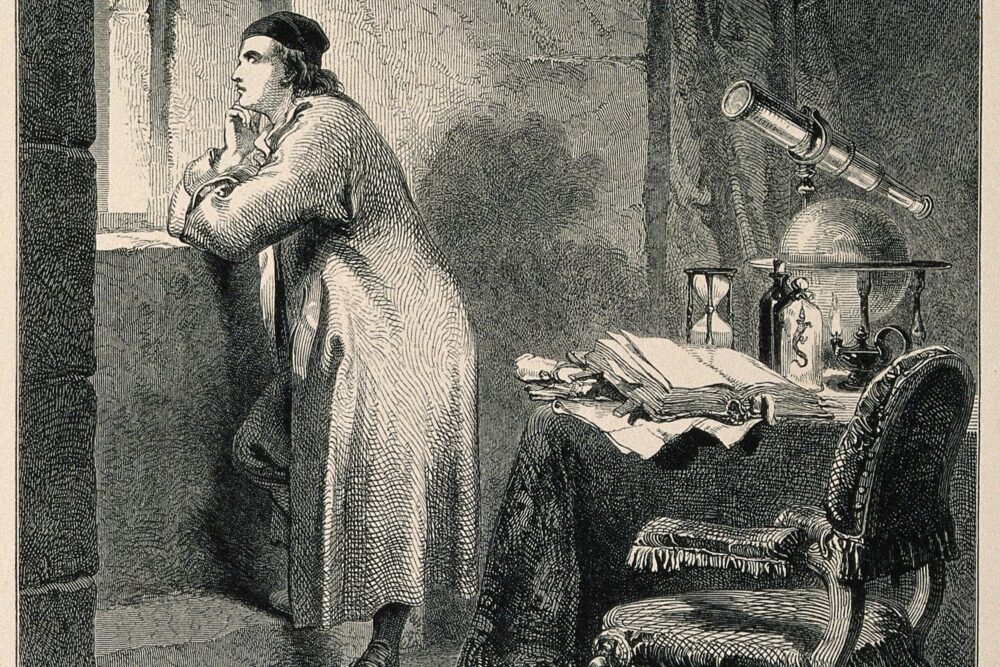
Handwritten notes in the margins suggest that Copernicus was aware of the religious implications of his theory. He softened some statements in later edits, likely to reduce potential backlash from Church authorities.
He delayed publishing his findings for decades, reportedly sharing them only with trusted scholars. When De revolutionibus finally appeared in 1543, Copernicus was on his deathbed—possibly ensuring he would not face the reaction his ideas might provoke.
7. He Received Quiet Support From Church Scholars

Although his theory challenged established theology, several Church-educated mathematicians and astronomers helped Copernicus develop and preserve his work. Letters show that early drafts were circulated among sympathetic clerics who saw scientific value in his methods.
This collaboration helped refine his arguments and ensured the manuscript survived. Contrary to popular myth, Copernicus was not entirely isolated; he was part of a network of Renaissance thinkers pushing for a more mathematical understanding of the heavens.
8. The Manuscript Contains Unpublished Diagrams

In addition to the polished illustrations later printed in his book, Copernicus’ notes include rough sketches of orbital systems that never made it into the final version. These diagrams reveal the trial-and-error process behind his geometric reasoning.
One early sketch even shows a transitional model with both the Sun and Earth offset from the universe’s center—evidence of how he worked through multiple configurations before fully committing to the heliocentric design. Such visuals provide direct insight into his evolving thought process.
9. Modern Imaging Revealed Hidden Revisions

Using multispectral imaging, researchers have uncovered faint graphite markings beneath layers of ink—draft lines, corrections, and erased calculations invisible for centuries. These findings confirm that Copernicus meticulously checked and re-checked his math.
In several cases, the erased figures match values that later appear in the final version, showing that his “hidden work” was essential to achieving accuracy. The new imaging effort, completed in 2023 by Polish and Italian scientists, represents the most detailed digital reconstruction of the manuscript ever made.
10. His Work Redefined Humanity’s Place in the Universe
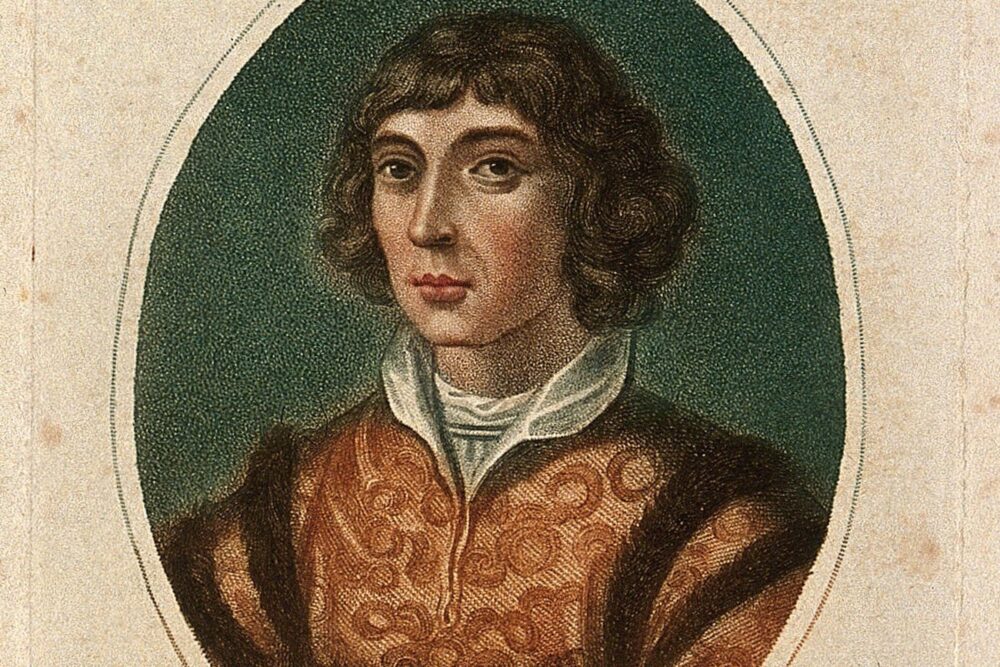
Before Copernicus, the cosmos was a spiritual hierarchy with Earth at its center. His manuscript shattered that worldview, proposing that humanity inhabited a planet among many—an idea that forever changed science and philosophy.
By removing Earth from the cosmic center, Copernicus forced later generations to rethink not just astronomy but humanity’s role in creation. His calculations, recorded by hand nearly five centuries ago, became the foundation of the scientific revolution and the dawn of modern observation.
11. Later Scientists Built Directly on His Notes
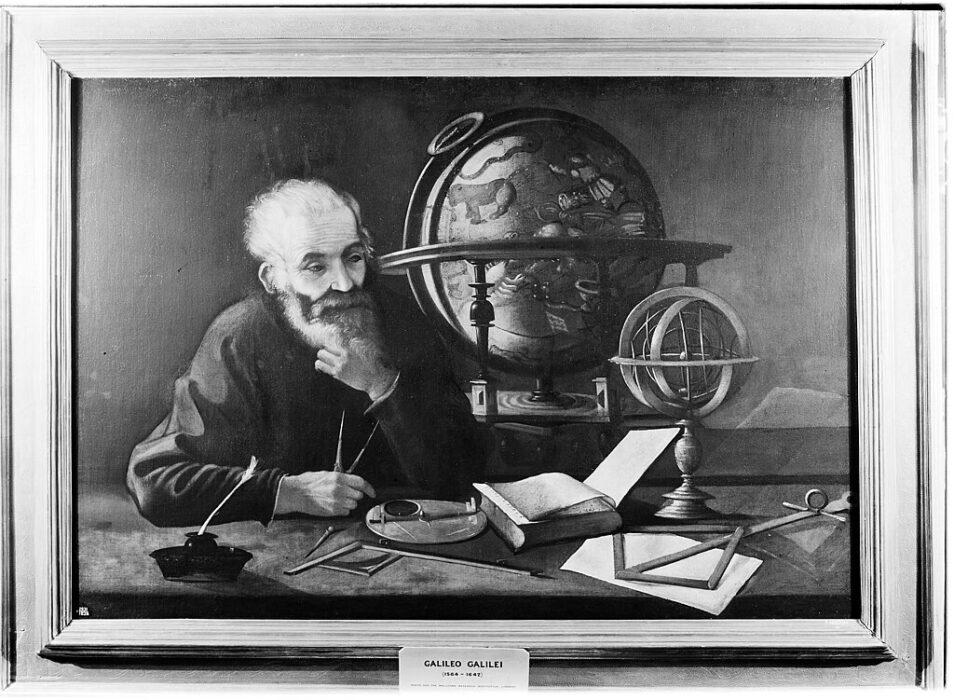
Astronomers like Johannes Kepler and Galileo Galilei drew on Copernicus’ mathematical framework to advance their own discoveries. Kepler’s laws of planetary motion, developed in the early 1600s, directly built upon the geometric principles outlined in De revolutionibus.
Galileo later confirmed the heliocentric model through telescope observations, completing the intellectual chain Copernicus began. Without the handwritten groundwork preserved in his manuscript, these later breakthroughs might never have occurred.
12. The Manuscript Still Holds Unread Secrets

Despite decades of study, experts believe portions of Copernicus’ manuscript remain undeciphered due to faded ink and damaged pages. Ongoing digital preservation projects aim to reveal more of his calculations and marginalia.
Historians hope these future discoveries will further illuminate how Copernicus balanced faith, fear, and reason while reshaping the known universe. Nearly five centuries later, his personal notes continue to inspire scientists and philosophers searching for humanity’s place among the stars.