
Experts say unchecked warming could trigger biodiversity loss on par with Earth’s past extinction events.

The climate crisis is accelerating environmental changes that could push countless species towards extinction. Rising temperatures, habitat destruction, and disruptive weather events are destabilizing ecosystems at unprecedented rates. According to experts from NASA, the IPCC, and the World Wildlife Fund, these shifts affect biodiversity and ecosystem resilience, signaling a potential mass extinction event if current trends continue unchecked. Understanding these signs is key to addressing the crisis effectively.
1. Rapid loss of biodiversity across multiple ecosystems worldwide.
Biodiversity loss occurs rapidly in ecosystems due to increased global temperatures and habitat destruction, which disrupt the balance that species need to thrive. Ancient forests echo with the silence of displaced species, revealing a startling decrease in biodiversity.
A drop in biodiversity heightens vulnerability to diseases and reduces nature’s ability to support life processes. This domino effect impacts food production, clean water availability, and soil health, illustrating why maintaining biodiversity is crucial for ecological balance.
2. Increased frequency of extreme weather events disrupting natural habitats.

Extreme weather events like hurricanes and floods become more frequent, disturbing natural habitats and causing widespread destruction. Coastal regions often witness the aftermath as fragile environments are reshaped overnight, affecting countless species.
The increased volatility of such events intensifies pressure on wildlife to adapt quickly or face extinction. This continuous disruption leads to habitat fragmentation, pushing species closer to the brink as their means of survival are rapidly altered or destroyed.
3. Significant rise in ocean temperatures affecting marine life survival.

Ocean temperatures rise significantly due to higher carbon dioxide levels trapped in the atmosphere, affecting marine life on a fundamental level. Schools of fish retreat to deeper waters, seeking cooler environments that are increasingly hard to find.
Marine ecosystems face immense stress, with coral reefs and marine invertebrates, like sea stars, becoming casualties of this warming. As the foundations of the food web weaken, entire oceanic food chains risk collapse, underscoring the crucial role of stable ocean temperatures.
4. Accelerated melting of polar ice caps altering global climate patterns.
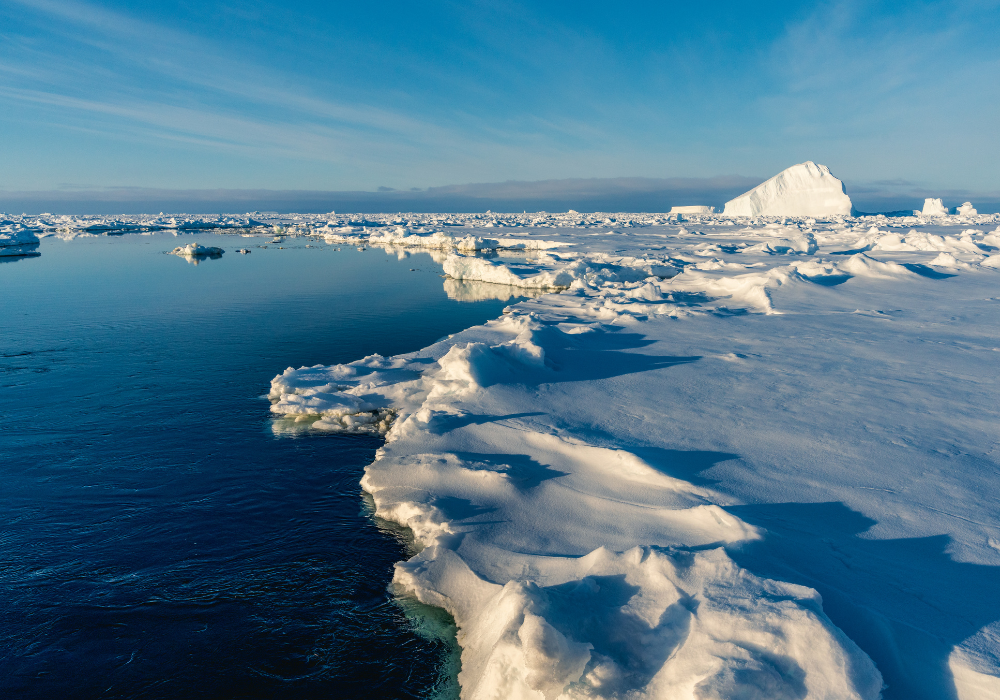
The accelerated melting of polar ice caps releases vast quantities of fresh water into oceans, shifting global climate patterns. Once stable ice surfaces become liquid expanses, fundamentally altering habitats for species adapted to icy conditions.
This melting triggers sea-level rise and impacts global weather systems, inducing changes in ocean currents and atmospheric patterns. The ramifications chain through ecosystems, highlighting the urgency of addressing these climate impacts to prevent widespread ecological shifts.
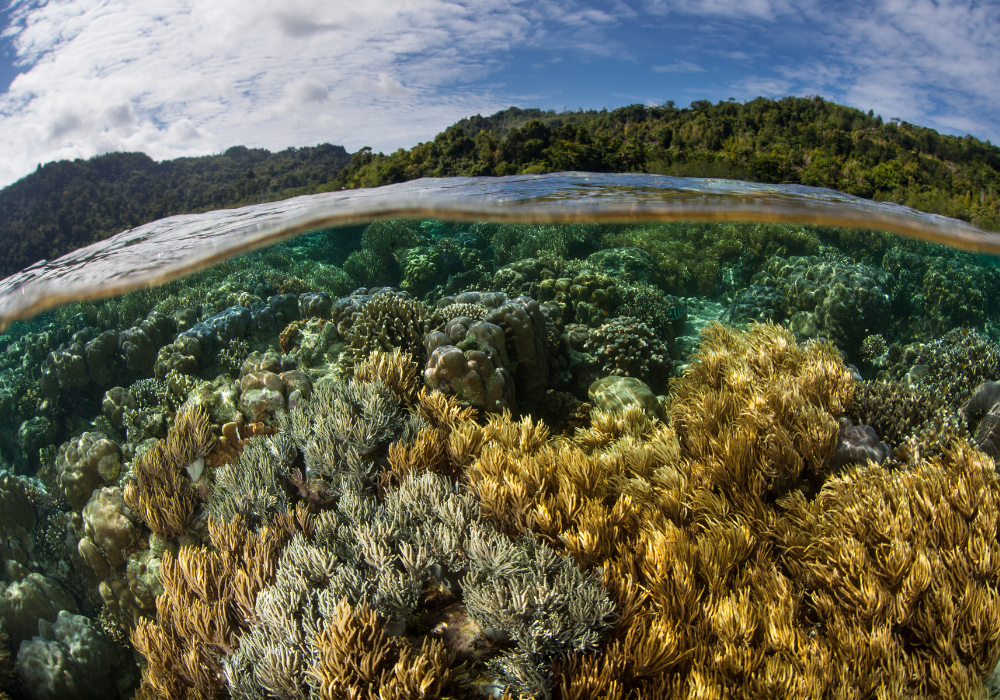
5. Widespread coral bleaching diminishing crucial underwater ecosystems.

Coral bleaching occurs as oceans warm, stripping color and life from vibrant reefs, which serve as underwater ecosystems’ lifeblood. Once bustling with activity, these coral gardens become skeletal landscapes, unable to support the marine diversity they once did.
This damage severely diminishes fish populations and weakens coastal defenses against storms. Losing these vibrant ecosystems means more than the beauty lost; it signifies diminished biodiversity and altered marine food webs, affecting millions who rely on these resources.
6. Sharp decline in pollinator populations threatening food chains.
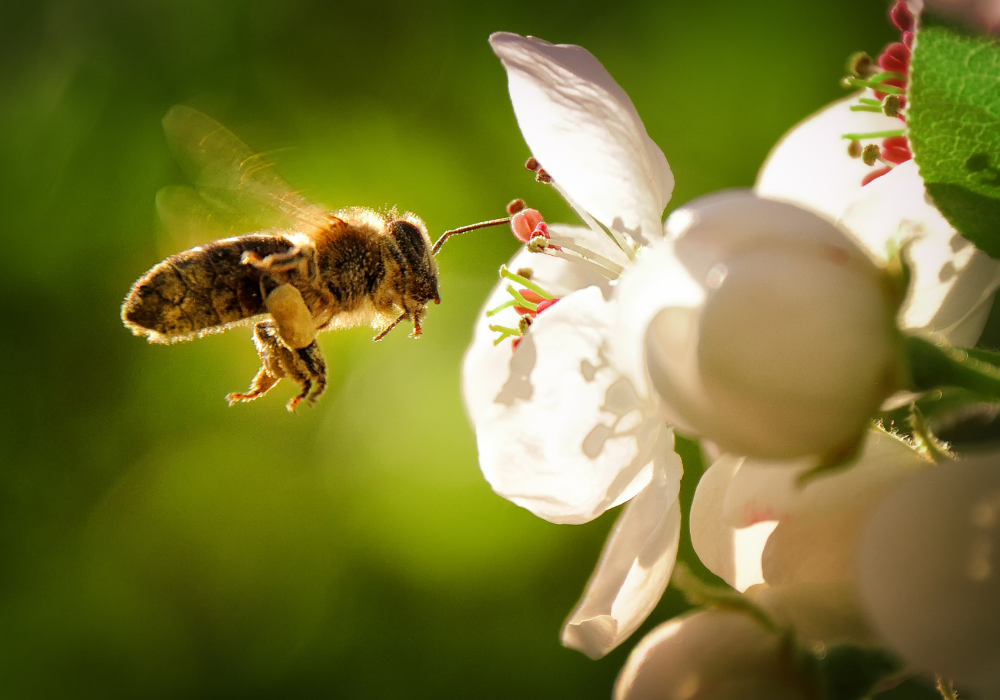
Pollinator populations face alarming declines, threatening essential links in global food chains. Bees and butterflies flutter less frequently around flowers, reducing the world’s capacity to grow food and maintain natural plant reproduction.
Without pollinators, many crops fail to produce fruit, disrupting agricultural systems and natural ecosystems. The intricate balance of food webs unravels, illustrating the interconnectedness of species and underscoring the broad-reaching impacts of such declines on global sustainability.
7. Expansion of dead zones in oceans due to oxygen depletion.

Dead zones in oceans expand drastically as excessive nutrients deplete oxygen levels, suffocating marine life. These areas, once vibrant with aquatic activity, fall silent, inhabited by little more than bacteria as life-supporting oxygen wanes.
Fishing industries suffer, and marine biodiversity plummets in these zones, demonstrating the significant impact of nutrient runoff. These aquatic deserts serve as stark reminders of the need for sustainable agricultural and waste management practices to restore ecological balance.
8. Persistent droughts reducing freshwater availability for many species.
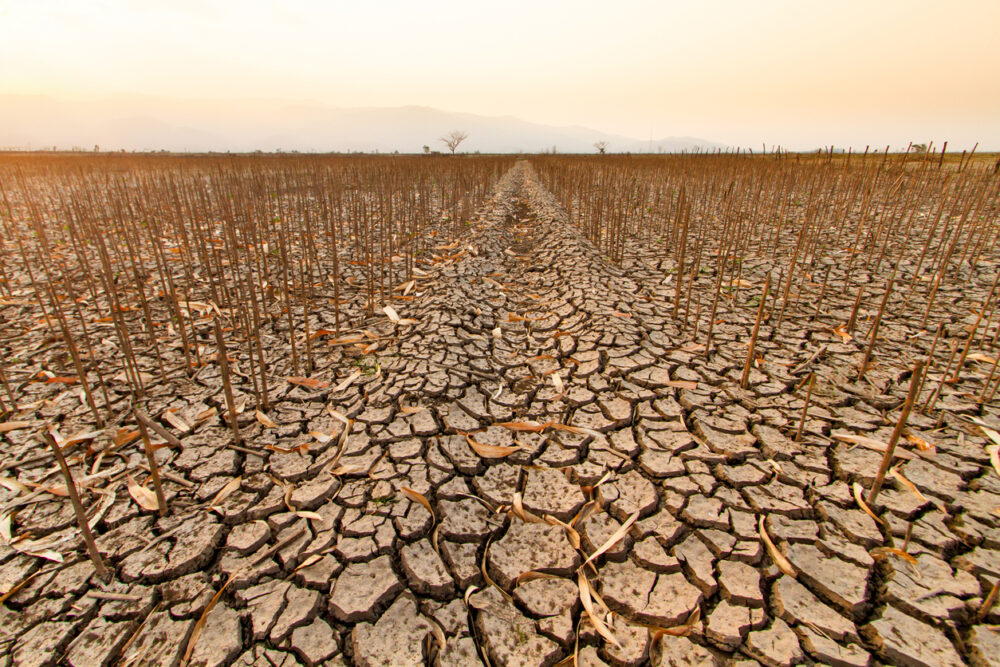
Persistent droughts deplete freshwater resources, vital for countless species’ survival. Rivers shrink and lakes recede, leaving aquatic ecosystems disrupted and many animals without a source of hydration.
Habitats shrink as plants and trees die off, unable to cope with the long-term aridity. This loss has cascading effects through food chains, highlighting the necessity of stable water supplies for maintaining dynamic ecosystems and supporting biodiversity.
9. Shifts in migration patterns causing ecological imbalances.
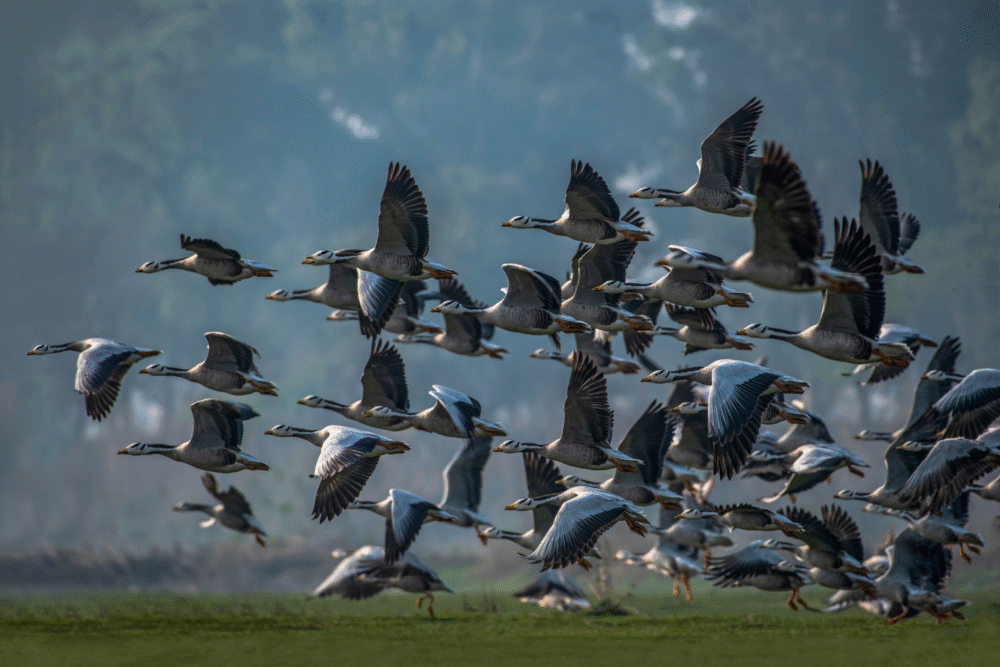
Migration patterns for birds, fish, and other species shift as changing climates alter natural cues. Once-predictable rhythms of nature become erratic, throwing ecological balances into disarray.
Disrupted migrations result in mismatched timing for feeding and breeding, exacerbating stress on populations. This ripple affects the broader ecosystem as predator-prey dynamics change, exemplifying the delicate interdependencies within natural systems that climate shifts can disturb.
10. Spread of invasive species outcompeting native wildlife.

Invasive species spread rapidly, capitalizing on altered habitats to outcompete native wildlife. Fields and forests increasingly host unfamiliar species, displacing local fauna that struggle to adapt to the new competitors.
Native animals face limited resources and heightened competition, resulting in dwindling populations. The unchecked spread of invaders reshapes ecosystems, demonstrating the profound impact of climate-facilitated species movement on global biodiversity and ecosystem health.
11. Increased incidence of wildfires destroying diverse habitats.
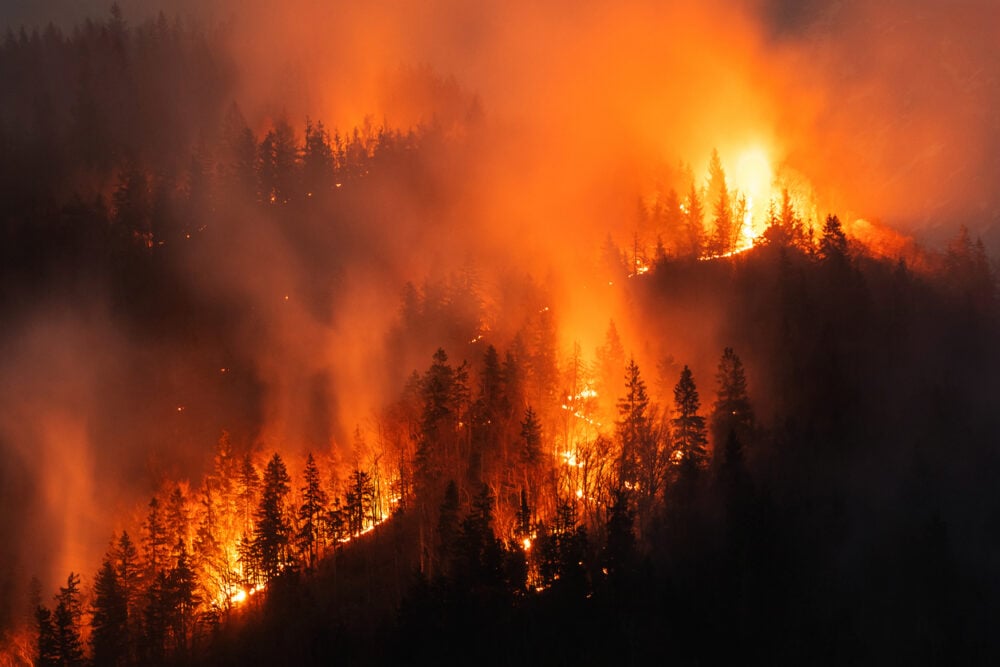
Wildfires grow more frequent and intense, obliterating diverse habitats and leaving charred landscapes in their wake. Dense forests and grasslands bear the brunt, increasingly transforming into deserts of ash and soot.
The destruction of these habitats accelerates species decline and reduces ecological complexity. Recovery from such destruction is slow, further stressing ecosystems already under pressure and amplifying the need for sustainable land management practices.
12. Disruption of seasonal cycles affecting breeding and growth rhythms.
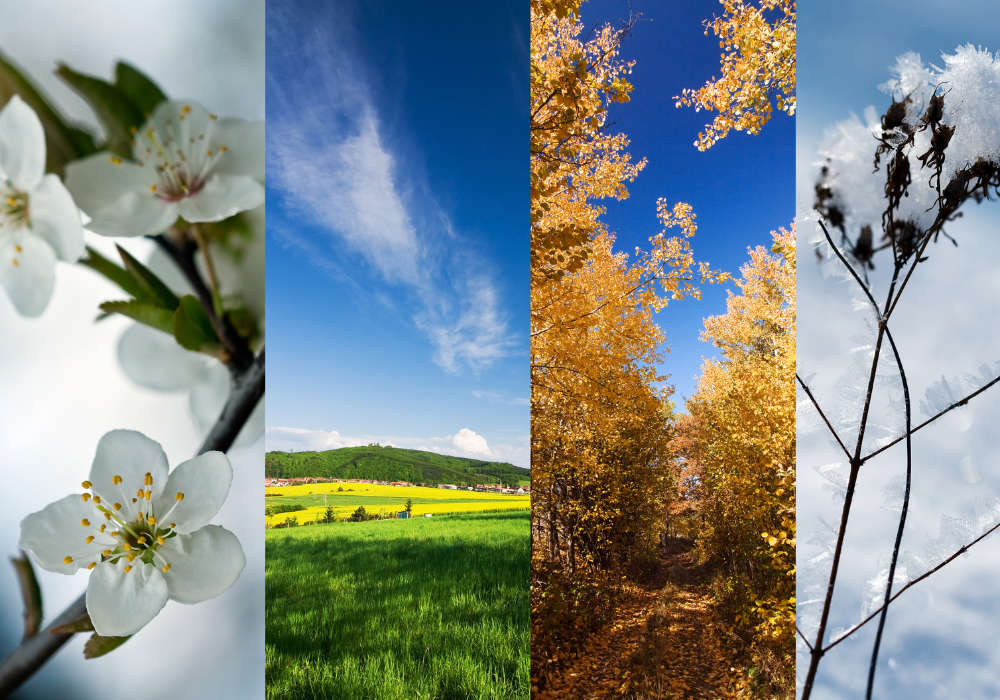
Seasonal cycles change, confusing species that rely on regular patterns for breeding and growth. Flowers bloom prematurely, and migratory birds arrive too soon or too late, disrupting established rhythms.
This disruption forces species into survival mode, with fewer offspring surviving in better times, upsetting established cycles. The impact reverberates through ecosystems, illustrating the importance of stable seasonal patterns for maintaining ecological and biological equilibrium.
13. Rising sea levels leading to loss of coastal ecosystems.
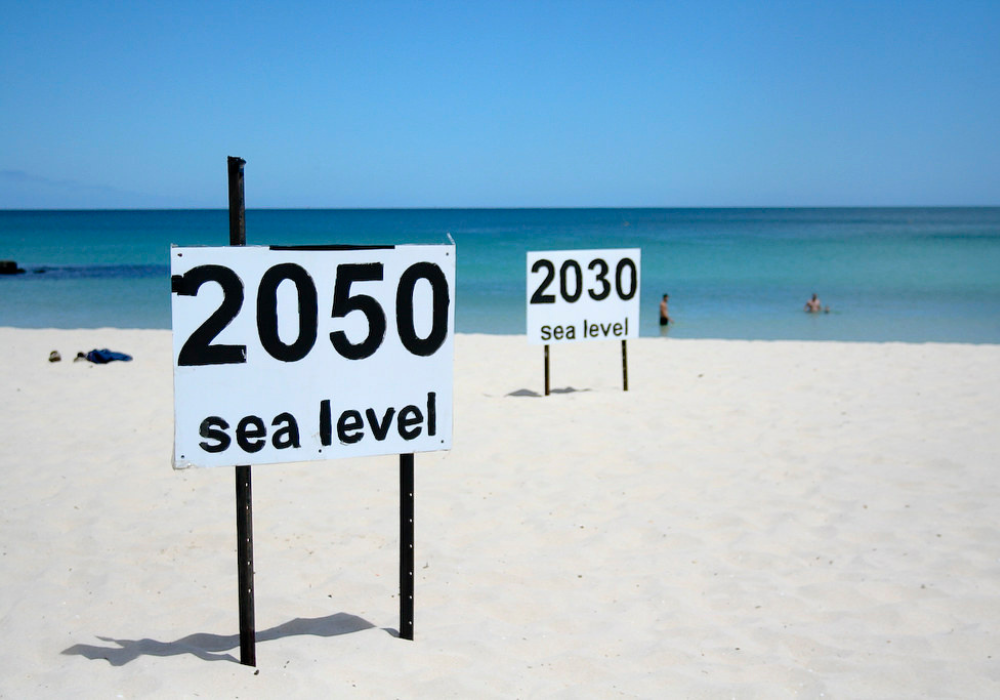
Sea levels rise, swallowing coastal ecosystems and displacing species adapted to these habitats. Once-thriving marshlands and beaches succumb to encroaching waters, transforming coastal landscapes permanently.
As land disappears, species lose critical habitats essential for breeding, feeding, and shelter. Entire communities of life, along with human settlements, face displacement, highlighting the extensive reach of rising seas into both natural and human realms.