
New research warns the Amazon is nearing an irreversible tipping point as deforestation and climate change push it toward collapse.

Scientists say the Amazon Rainforest—the planet’s largest and most vital ecosystem—may be closer to collapse than previously thought. New climate models show that continued deforestation, rising temperatures, and declining rainfall could push vast regions of the forest past a critical tipping point by 2070. Once that threshold is crossed, much of the lush rainforest could transform into dry grassland or savanna, threatening millions of species, disrupting rainfall patterns, and accelerating global climate change.
1. Rising temperatures increase evaporation, drying out large areas of the forest.
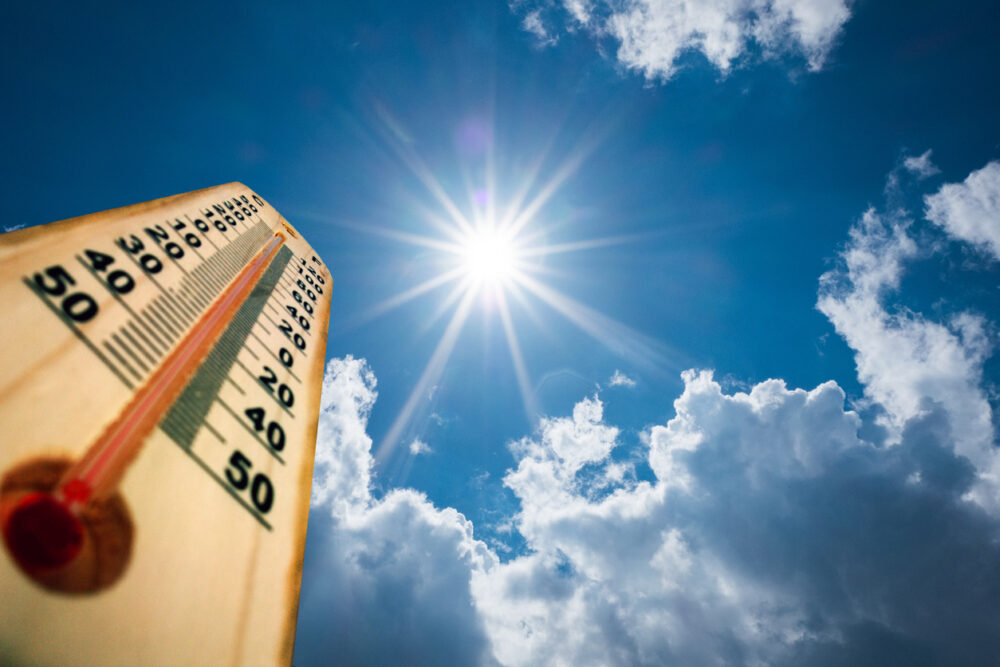
Rising temperatures can lead to increased evaporation rates within the dense canopy of the Amazon Rainforest. This process strips away crucial moisture from the forest floor, akin to a kettle boiling away water. Over time, this drying trend can profoundly alter the landscape.
When vast swaths of the forest lose moisture, the ecosystem struggles to maintain its lush greenery. The result is a cycle where drier conditions feed back into themselves, worsening drought conditions and slowly pushing the environment toward desertification, creating stress on biodiversity.
2. Reduced rainfall patterns lead to consistent drought conditions in the region.
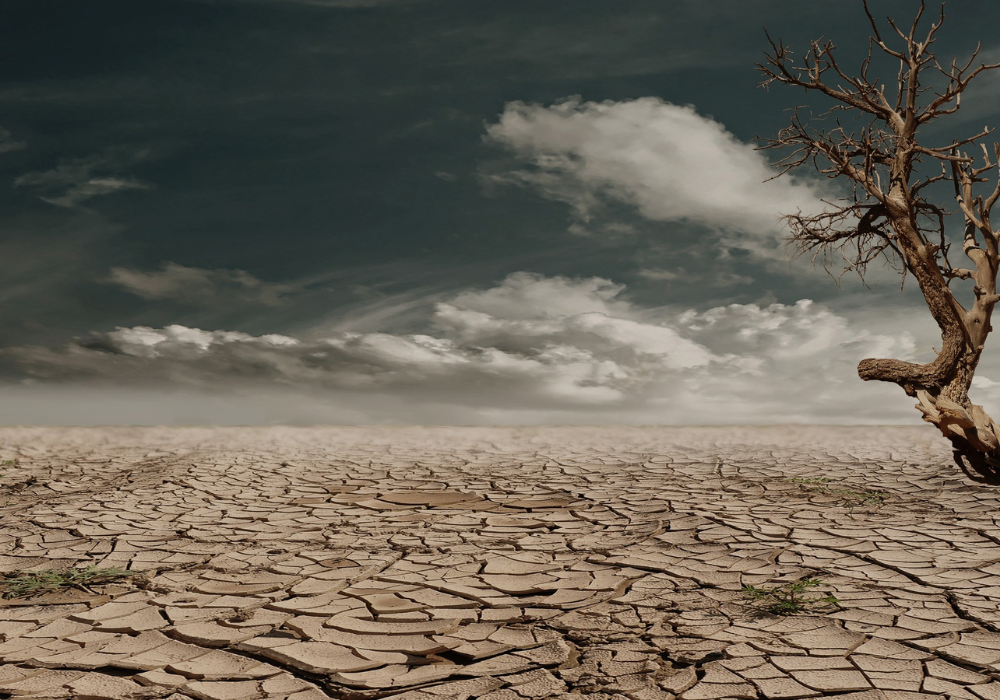
The Amazon relies heavily on consistent rainfall patterns to maintain its rich biodiversity. Shifts in precipitation patterns, however, have led to prolonged drought conditions. These disturbances, though seemingly natural, are often exacerbated by external climate influences.
Drought conditions create a new reality where rivers run low and plant life struggles to thrive. Over time, the vitality of the forest diminishes, leading to an increasingly arid environment that challenges the region’s traditional ecological balance.
3. Deforestation disrupts natural moisture cycles needed to sustain the ecosystem.
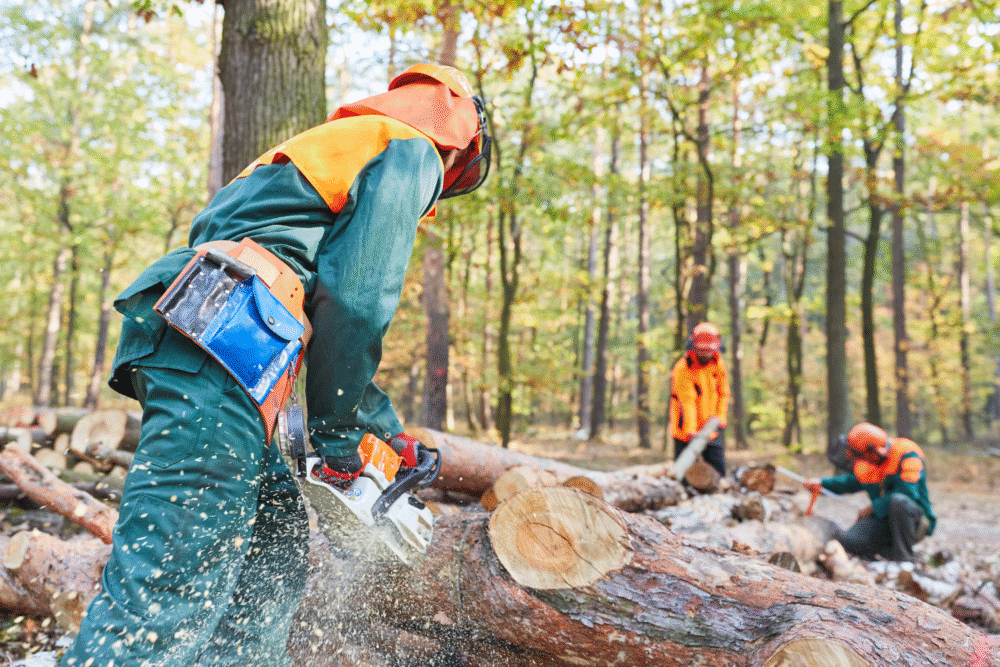
Deforestation removes large tracts of trees, interrupting essential moisture cycles that keep the Amazon thriving. Forests act like giant sponges, absorbing and releasing water through a process known as transpiration. Without this, the ecosystem can’t support its own water needs.
Losses in tree cover break this cycle, leading to reduced localized rainfall and exacerbating dry conditions. The disruption makes it harder for remaining vegetation to survive, gradually transforming vibrant forest areas into barren landscapes more typical of desert environments.
4. Loss of tree cover decreases the rainforest’s ability to retain humidity.

Tree cover plays a vital role in retaining humidity within the Amazon, forming a protective shield against drying winds. The dense foliage traps moisture, creating a microclimate essential for diverse plant and animal life.
Without this protective layer, humidity dissipates much faster, leading to desiccated conditions that threaten the ecosystem’s stability. As humidity levels drop, the Amazon’s ability to resist desertification is compromised, showcasing how critical tree cover is to the forest’s survival.
5. Soil degradation weakens plant growth and reduces overall forest resilience.
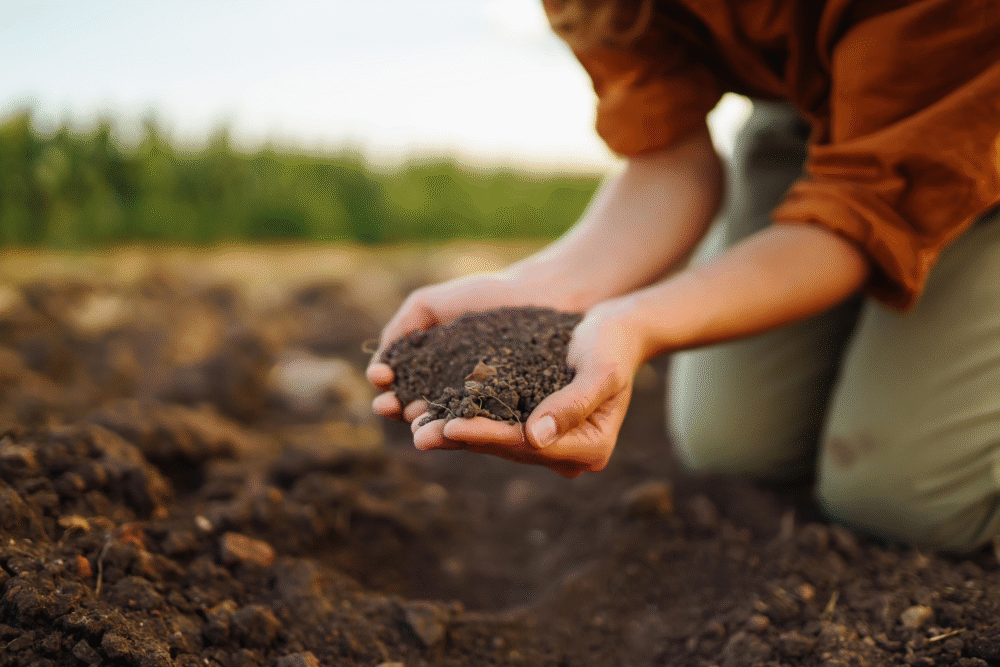
Healthy soil underpins the Amazon’s plant life, facilitating growth and resiliency. However, soil degradation occurs when nutrients are depleted, often due to overuse and erosion. This weakens plant foundations, making it difficult to sustain a thriving forest.
Weakened soils lead to stunted plant growth, reducing the forest’s ability to recover from environmental stresses. Over time, this degradation process turns robust areas into fragile systems, increasingly vulnerable to desertifying processes due to diminished resilience.
6. Prolonged dry seasons stress vegetation, making trees more susceptible to death.
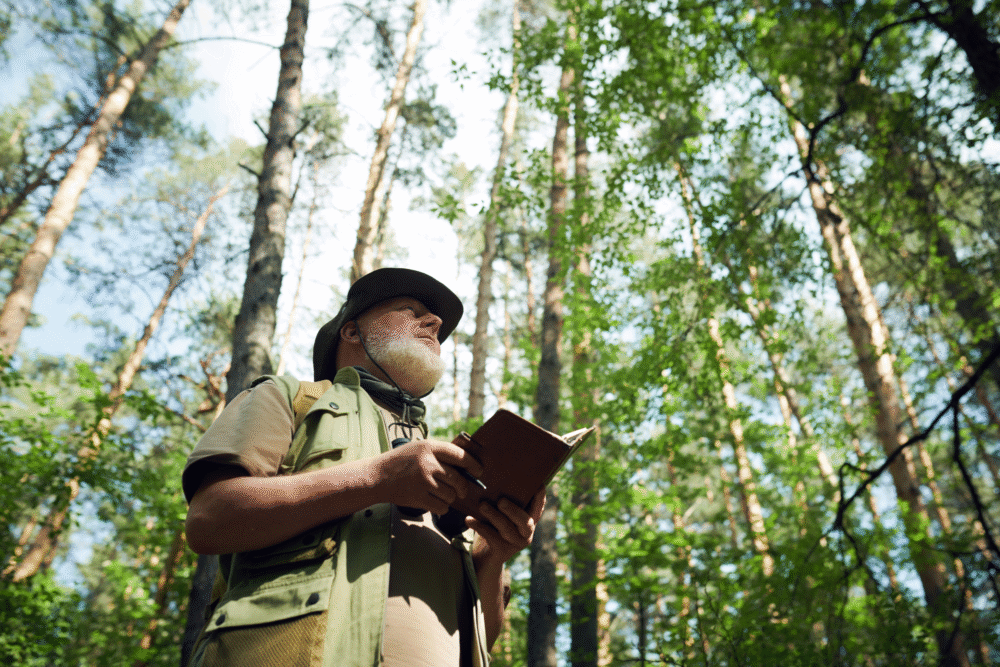
Extended dry seasons test the limits of the Amazon’s intricate ecosystem. During these periods, vegetation faces a harsh environment with less accessible water, resulting in stress-induced vulnerability. Declining rainfall exacerbates this, putting trees at risk of dying.
Tree mortality then occurs at alarming rates, reducing canopy cover and perpetuating the cycle of desertification. As trees die and decompose, less moisture is retained in the ecosystem, driving it further toward aridity and altering ecological norms.
7. Disrupted river flows diminish water availability essential for rainforest survival.

Rivers are crucial lifelines in the Amazon, supporting diverse habitats and maintaining ecological balance. However, disruptions in river flows arise from both natural changes and human interference, reducing water availability for the vast rainforest system.
Diminished water supply affects the health of aquatic and surrounding terrestrial ecosystems. With less water, the rainforest struggles to sustain itself, putting more pressure on an already delicate environment and pushing the territory closer to desert-like conditions.
8. Increased wildfires occur more frequently due to dry, combustible conditions.
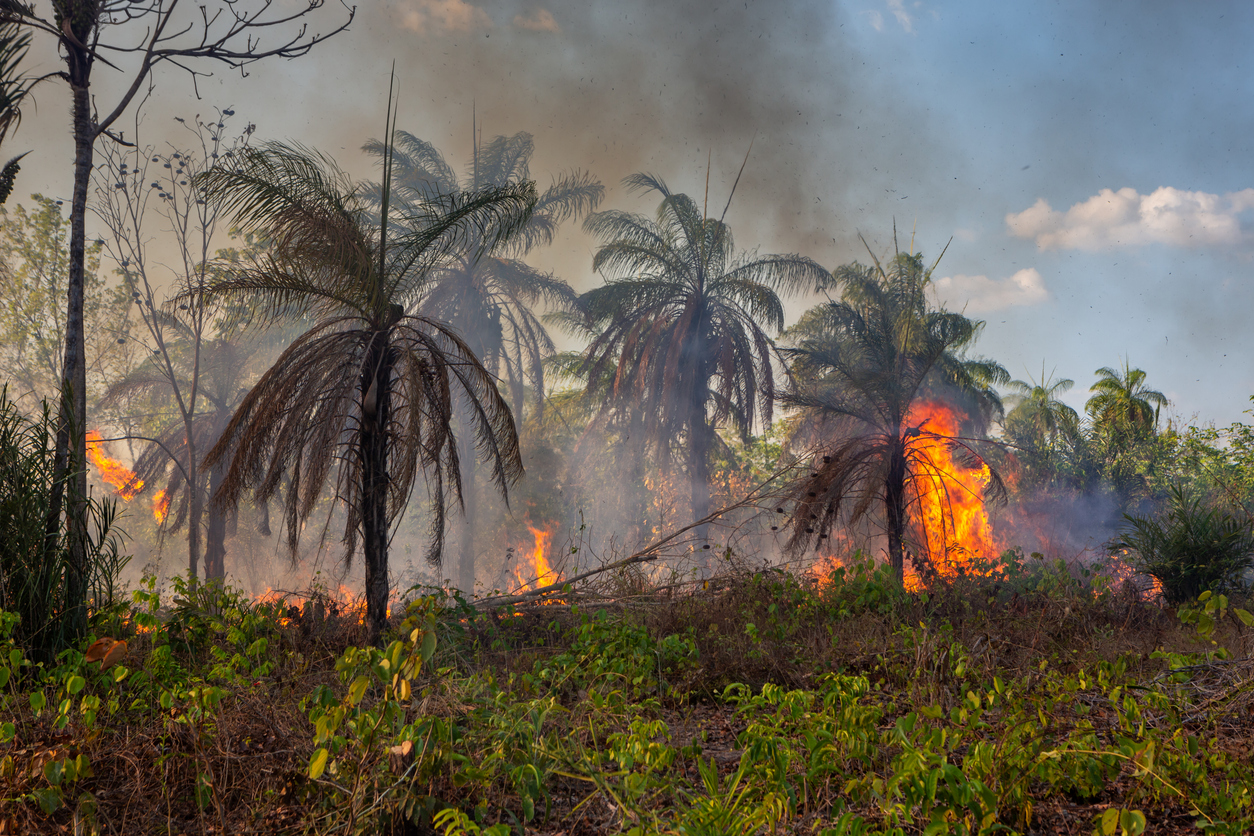
The Amazon, once resistant to fire due to its wet environment, now sees increased wildfire occurrences. Dry and combustible conditions turn vast areas into tinderboxes, ripe for ignition with the slightest spark or lightning strike.
These fires destroy swathes of the rainforest, burning through vegetation and releasing stored carbon into the atmosphere. Wildfires exacerbate arid conditions, accelerating the journey toward desertification due to reduced forest cover and altered habitats.
9. Changes in atmospheric circulation affect cloud formation and rain distribution.
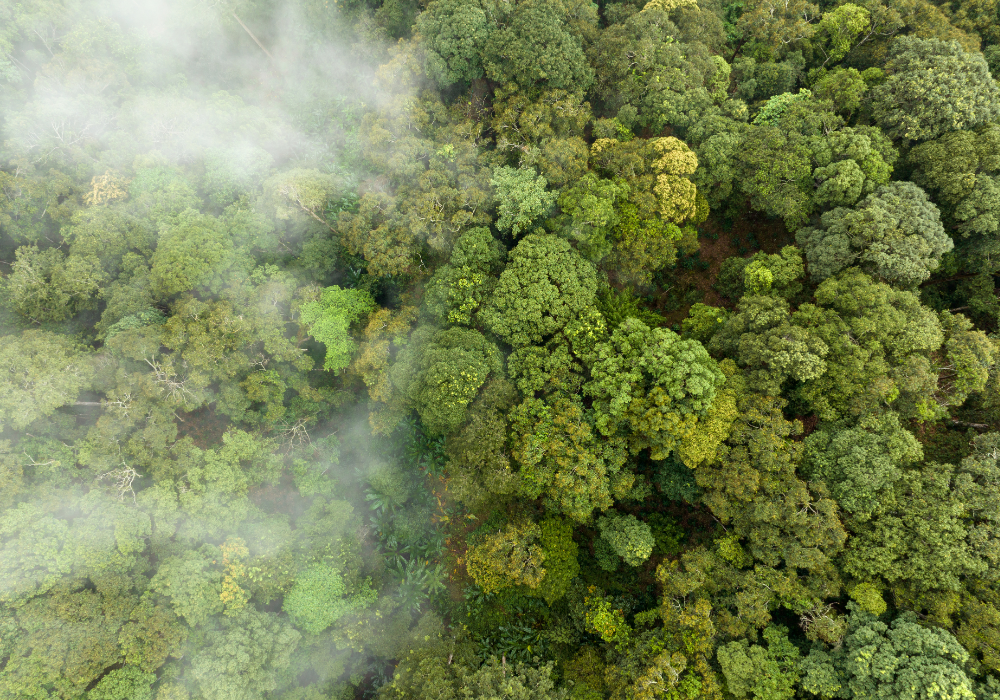
Atmospheric circulation patterns influence how clouds form and distribute rain over the Amazon. Changes in these patterns, often from global climate effects, can alter established rainfall distributions. Without regular rains, the forest’s ability to thrive diminishes.
Altered cloud formation disrupts the intricate balance of the rainforest’s climate, challenging its survival mechanisms. Inconsistent rain reduces plant growth and increases vulnerability, illustrating how shifts in atmospheric behavior can push the ecosystem towards a desert state.
10. Human activities intensify climate impacts, accelerating shifts toward desert conditions.
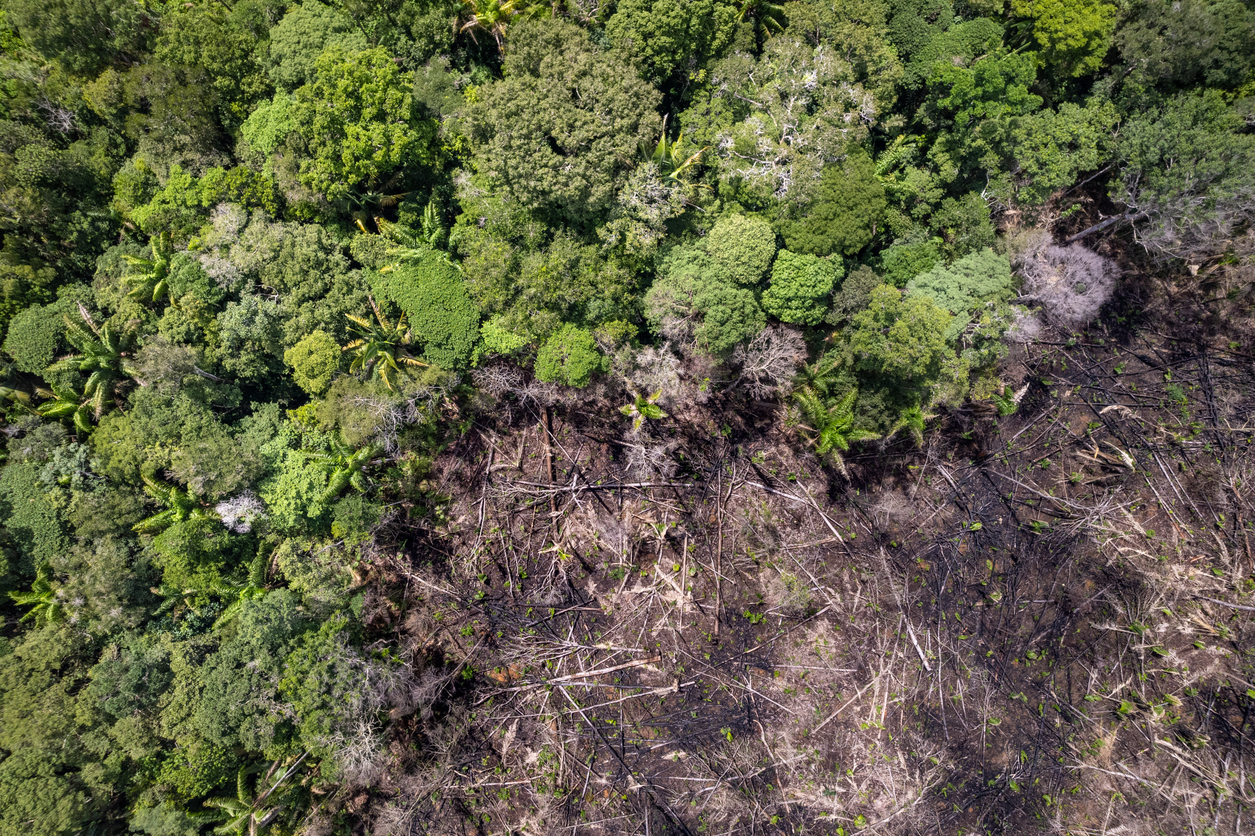
Human activities, from deforestation to industrial emissions, significantly impact the Amazon’s climate. These actions amplify stressors on the ecosystem, speeding up the shift toward desert-like conditions. The interplay between human influence and the environment is complex but undeniable.
Accelerated changes in the Amazon highlight how interconnected human actions and natural systems truly are. The transformation signals the urgent need for understanding and addressing how human-driven climate impacts push the forest toward irreversible ecological thresholds.