
Rising solar activity is disrupting satellites in orbit, raising alarms for Starlink’s vast network.

Scientists are warning that rising solar activity is already knocking Starlink satellites out of orbit, and the problem is expected to worsen. Recent solar storms have disrupted communications, heated Earth’s upper atmosphere, and increased drag on satellites, making it harder for them to stay aloft. According to NASA space weather experts, we’re heading toward the peak of the Sun’s 11-year cycle, which means even more turbulence in space. For Starlink and other satellite systems, the risks are growing fast.
1. The Sun’s Cycle Reaches Its Peak

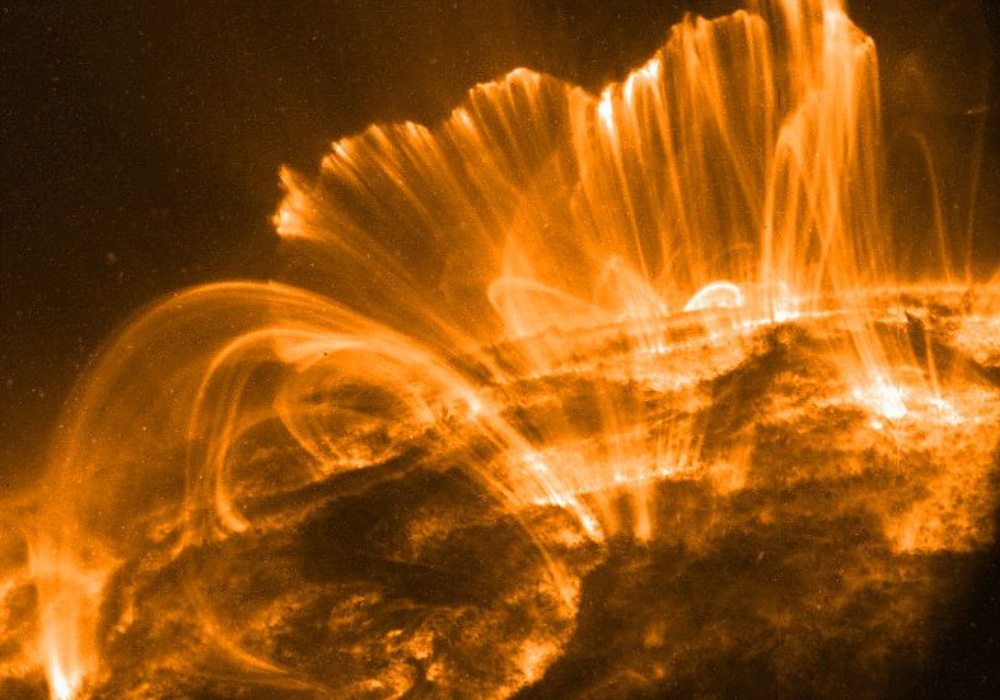
The Sun moves through an 11-year cycle, and scientists say it is now approaching a solar maximum. This phase is marked by an increase in sunspots, solar flares, and powerful geomagnetic storms that affect Earth’s upper atmosphere.
For satellites orbiting close to Earth, these conditions create major challenges. The rise in solar activity means stronger disruptions to satellite orbits, communications, and navigation systems. Experts warn that the growing intensity of solar storms could spell significant trouble for Starlink’s thousands of satellites in space.
2. Solar Storms Are Heating the Atmosphere
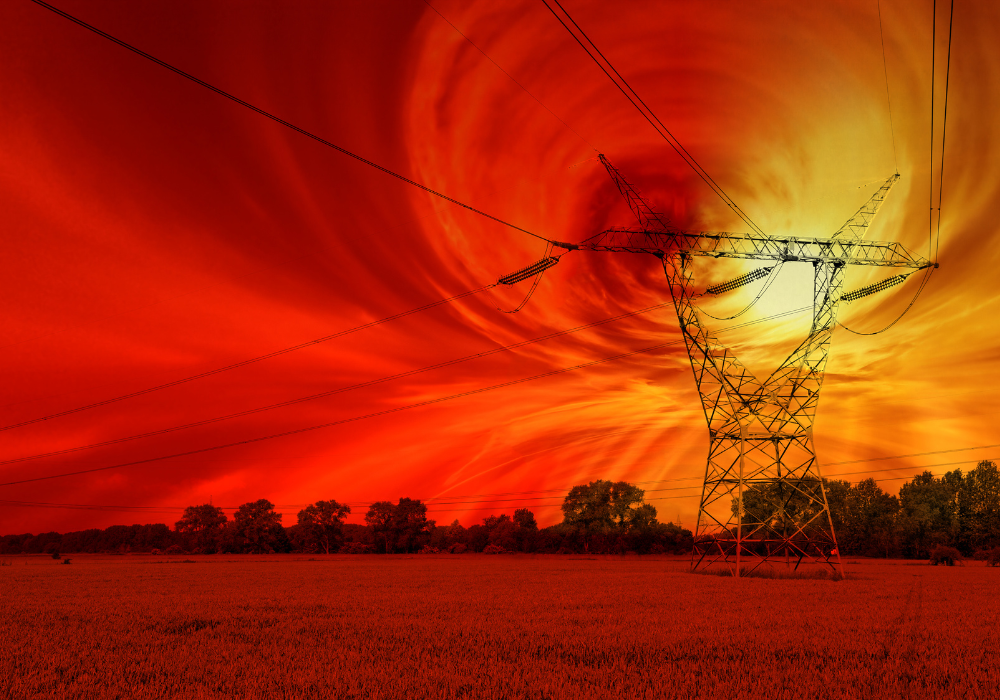
When a solar storm hits Earth, it sends charged particles that heat the upper layers of the atmosphere. This causes the atmosphere to expand, creating additional drag on satellites in low-Earth orbit.
That drag slows satellites down, forcing them to expend energy or rely on adjustments to maintain position. Without corrections, some satellites eventually fall out of orbit and burn up. This process has already damaged Starlink’s fleet and is expected to become even more common as the Sun grows more active.
3. Starlink Satellites Are Especially Vulnerable
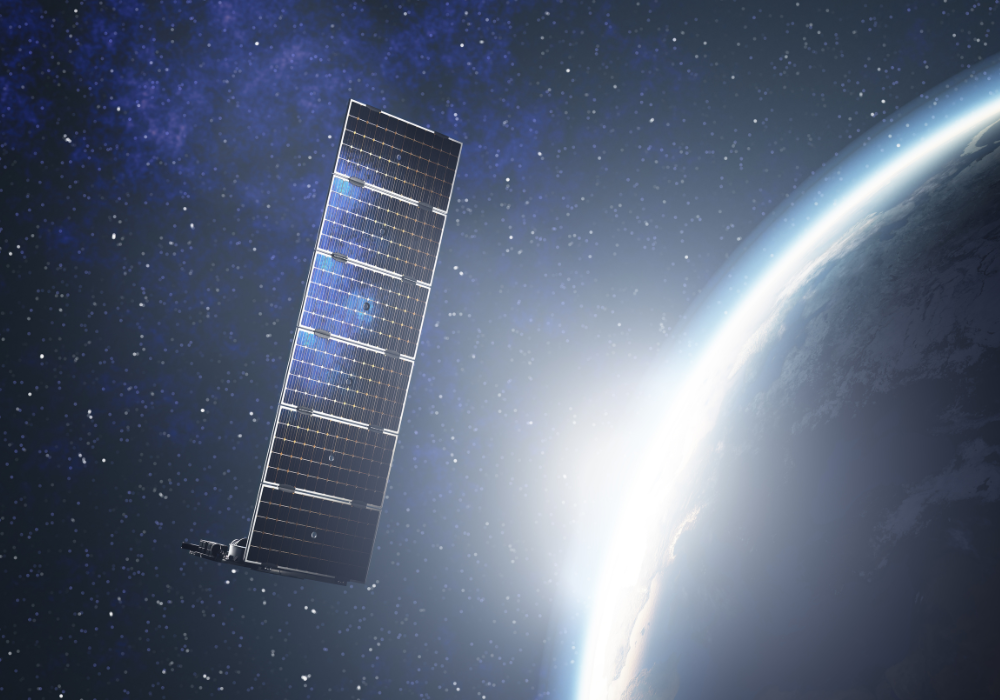
Unlike some spacecraft positioned farther from Earth, Starlink satellites orbit at relatively low altitudes to deliver fast internet service. This position makes them more accessible to users but also more exposed to atmospheric drag caused by solar activity.
The large number of Starlink satellites increases the risk, since even minor changes in orbit can disrupt the network’s overall stability. SpaceX has already lost dozens of satellites during solar storms, and experts caution that these incidents could escalate as the solar maximum approaches.
4. Solar Flares Can Disrupt Communications
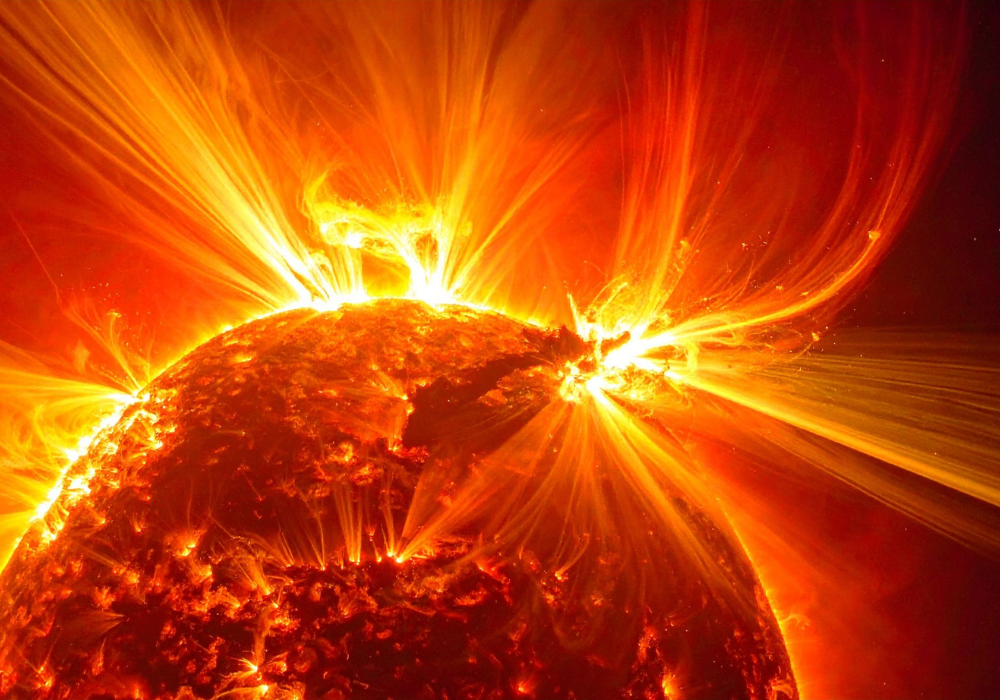
Beyond atmospheric drag, solar flares release intense bursts of energy that can disrupt radio signals and interfere with communications. These effects hit satellite networks especially hard, since they depend on stable transmissions.
For Starlink, which promises global high-speed internet access, interruptions caused by solar flares could mean service outages for users. Scientists stress that stronger storms may bring more frequent interruptions, affecting not only Starlink but also other satellite-based systems that support navigation, weather tracking, and emergency communications.
5. The February 2022 Loss Was a Warning

In February 2022, SpaceX confirmed that a geomagnetic storm destroyed more than 30 newly launched Starlink satellites. The storm increased atmospheric drag, pulling the satellites back toward Earth before they could maneuver to safe altitudes.
This event was one of the first clear demonstrations of how vulnerable low-orbit satellites are to solar activity. Experts said it should serve as a warning for what could happen more frequently as the Sun continues to intensify. For SpaceX, the losses underscored the risks of operating such a large fleet.
6. NASA Warns of Growing Risks
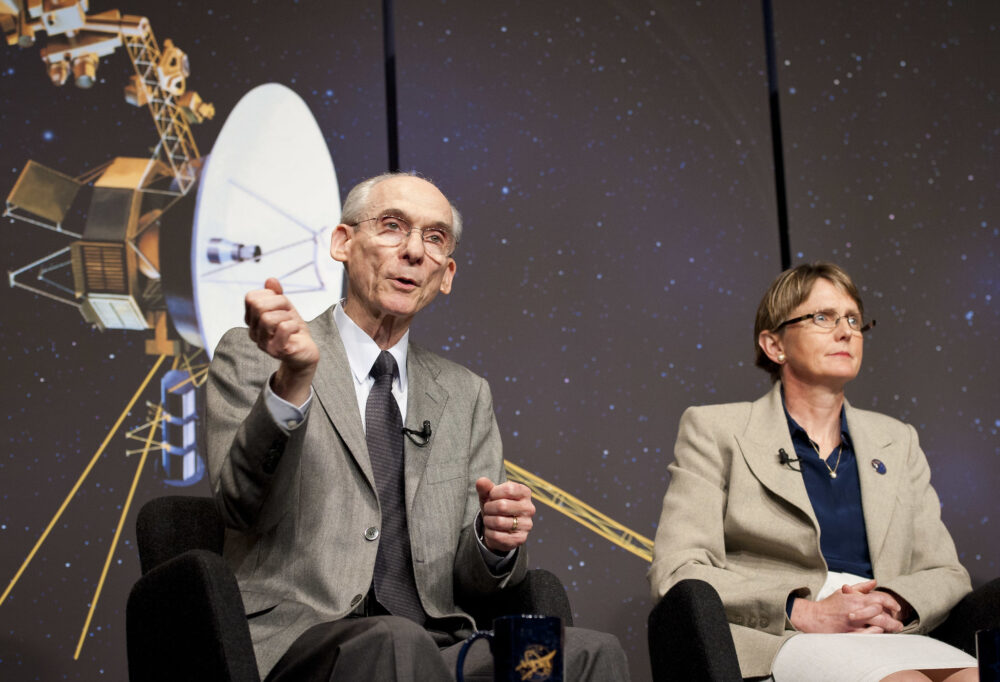
NASA scientists say the increasing strength of solar storms could create serious problems for all satellites in low-Earth orbit. They caution that many current systems were not designed to withstand frequent or extreme solar disruptions.
According to experts, the peak of the solar cycle may produce storms strong enough to knock out satellites, disrupt GPS systems, and even affect power grids on the ground. With thousands of satellites already in orbit, the potential for damage and widespread disruption has never been higher.
7. Solar Storms Threaten Global Connectivity
Starlink plays a major role in providing internet service to rural and underserved areas around the world. If its satellites are disrupted by solar activity, millions of people could lose access to communication, education, and emergency resources.
Connectivity during crises, such as natural disasters or wars, could also be affected if satellites fail. Researchers warn that relying heavily on low-Earth orbit systems creates new vulnerabilities when solar conditions grow extreme. The risks highlight the importance of making satellite networks more resilient to space weather.
8. Other Satellites Face Similar Dangers
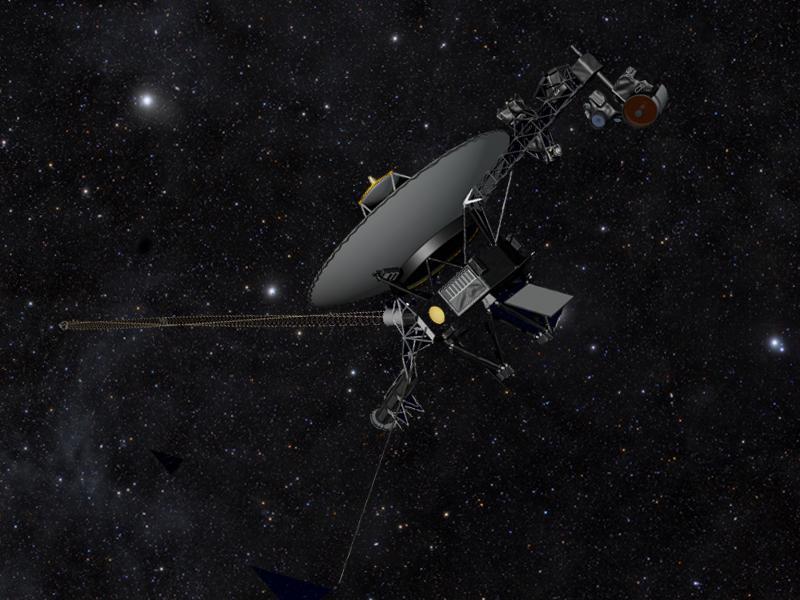
Starlink isn’t the only network at risk. Weather satellites, GPS systems, and even military spacecraft are all exposed to the effects of solar storms. Since many of these satellites operate in similar orbits, they face the same dangers from atmospheric drag and radiation.
A severe storm could potentially damage multiple systems at once, causing global disruptions. This possibility has raised concerns among scientists and governments, who are working to strengthen monitoring and develop strategies to protect critical infrastructure in orbit from solar threats.
9. Monitoring the Sun Becomes Crucial
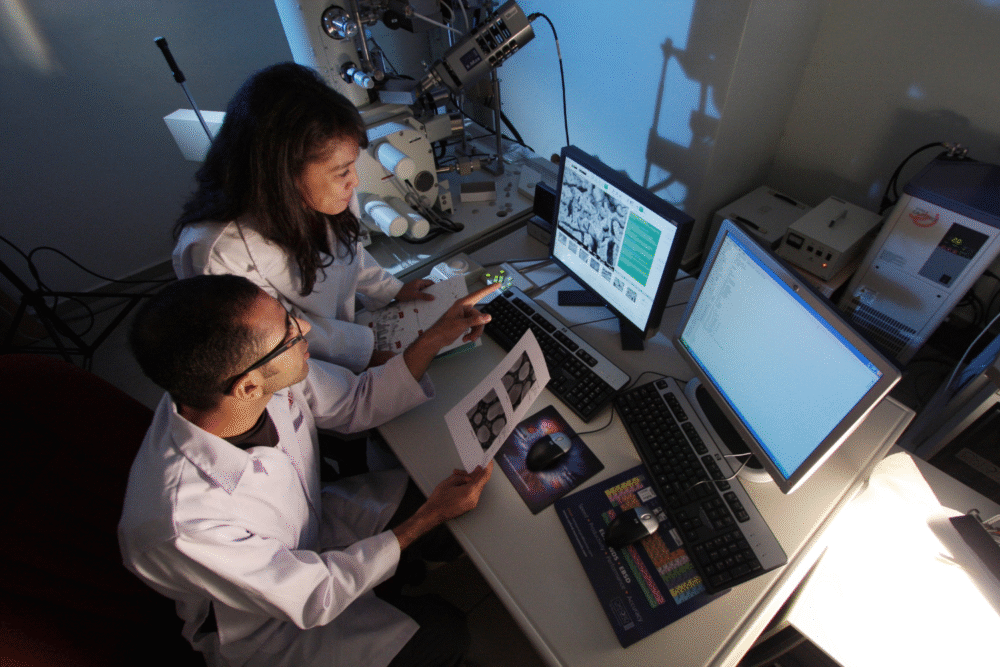
Agencies like NASA and NOAA closely track solar activity, using satellites to monitor flares, sunspots, and geomagnetic conditions. Their forecasts give operators like SpaceX a chance to prepare by adjusting satellite positions or delaying launches.
Still, predicting the exact strength and timing of solar storms remains difficult. Even with improved monitoring, there will always be a level of uncertainty. Scientists stress that better forecasting tools are urgently needed as more satellites are launched into low-Earth orbit every year.
10. The Future of Satellite Networks Is at Stake
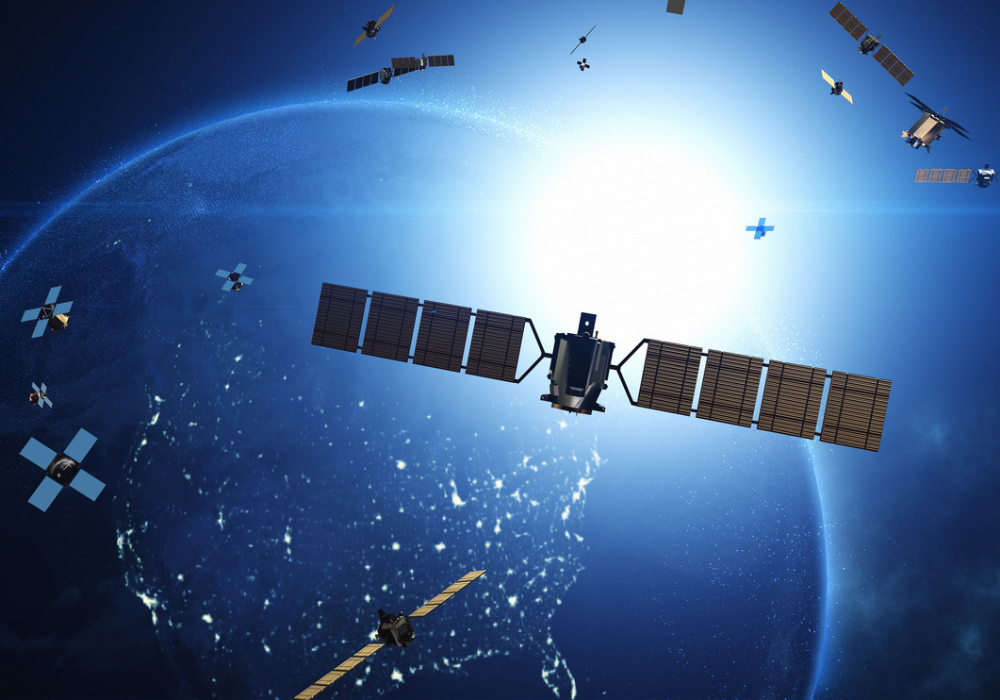
The growing risk from solar storms raises questions about the long-term reliability of low-orbit satellite networks. Companies like SpaceX may need to redesign satellites, improve shielding, or rely on higher altitudes to reduce exposure.
At the same time, researchers say governments must invest more in space weather monitoring and emergency planning. Without stronger protections, the increasing intensity of solar activity could lead to more losses, threatening not only Starlink but the future of global satellite-based communications.