
A bold geothermal experiment aims to turn Oregon’s Newberry Volcano into a powerful clean-energy source.

Scientists are launching a breakthrough geothermal project at Newberry Volcano in Oregon, one of the most closely monitored volcanic sites in the country. By drilling deep into super-hot rock, researchers hope to create an engineered geothermal system capable of producing carbon-free electricity. Newberry is considered a high-risk volcano, but its extreme heat also makes it one of the most promising renewable-energy targets in the United States. The project could help prove whether active volcanic regions can safely power homes, cities, and industries in a clean-energy future.
1. Newberry Volcano Is One of America’s Highest-Risk Volcanic Sites
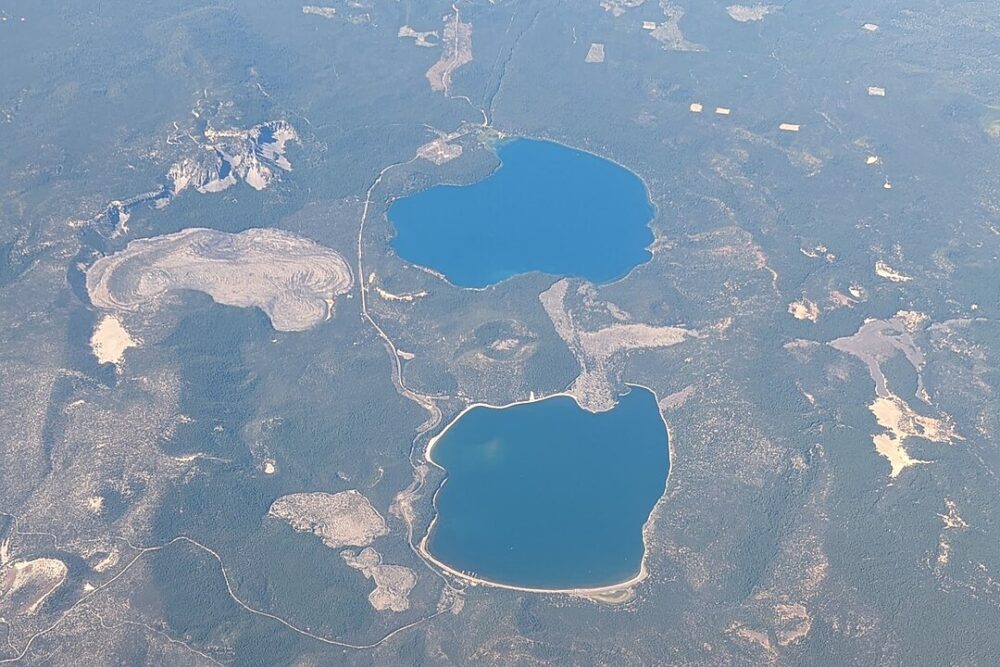
Newberry Volcano is classified by the U.S. Geological Survey as a “very high threat” volcano due to its size, activity history, and proximity to communities. It has erupted repeatedly over the past 400,000 years, and its underground heat remains intense today. These conditions make it a focus of close scientific monitoring.
Those same geothermal conditions also make Newberry an ideal test site for advanced renewable energy. The combination of risk and potential creates a unique opportunity for scientists studying both volcanology and energy technology.
2. Scientists Plan to Drill Deep Into Super-Heated Rock
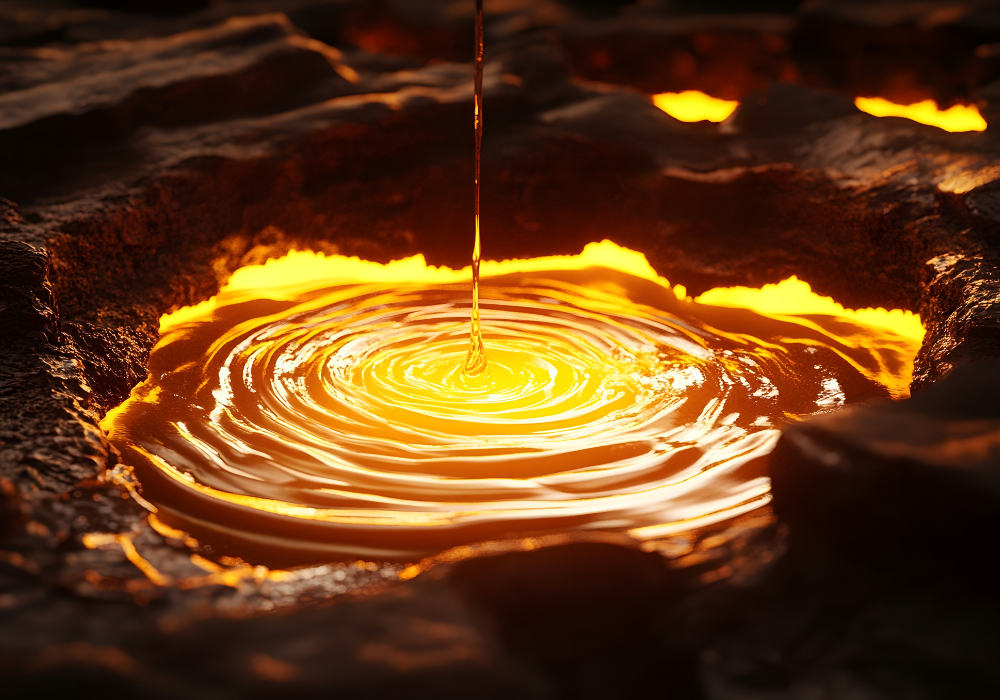
The project involves drilling thousands of feet into volcanic rock heated above 600 degrees Fahrenheit. At these depths, water injected into the rock instantly turns to super-hot steam, which can be used to generate power. This approach is known as an engineered geothermal system, or EGS.
Traditional geothermal energy requires naturally occurring hot water reservoirs. Newberry lacks those reservoirs, but the rock is hot enough to produce steam artificially. That’s why EGS could unlock massive new geothermal resources worldwide.
3. The Site Is Already Home to a Major Geothermal Test Well
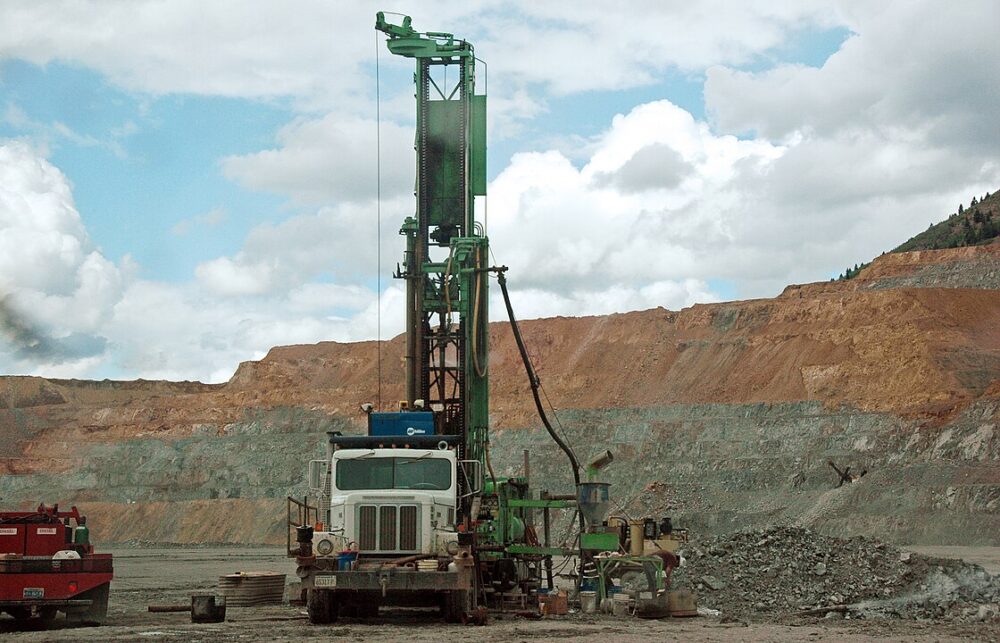
Newberry has been used as a geothermal research site for years, including earlier drilling projects supported by the U.S. Department of Energy. These earlier tests confirmed the presence of unusually hot, stable rock formations beneath the caldera.
This groundwork provides scientists with valuable data about temperature, pressure, and rock strength. Such information makes the current drilling project safer and more predictable than starting from scratch at an untested volcano.
4. Water Will Be Injected Into the Rock to Create a Steam Reservoir
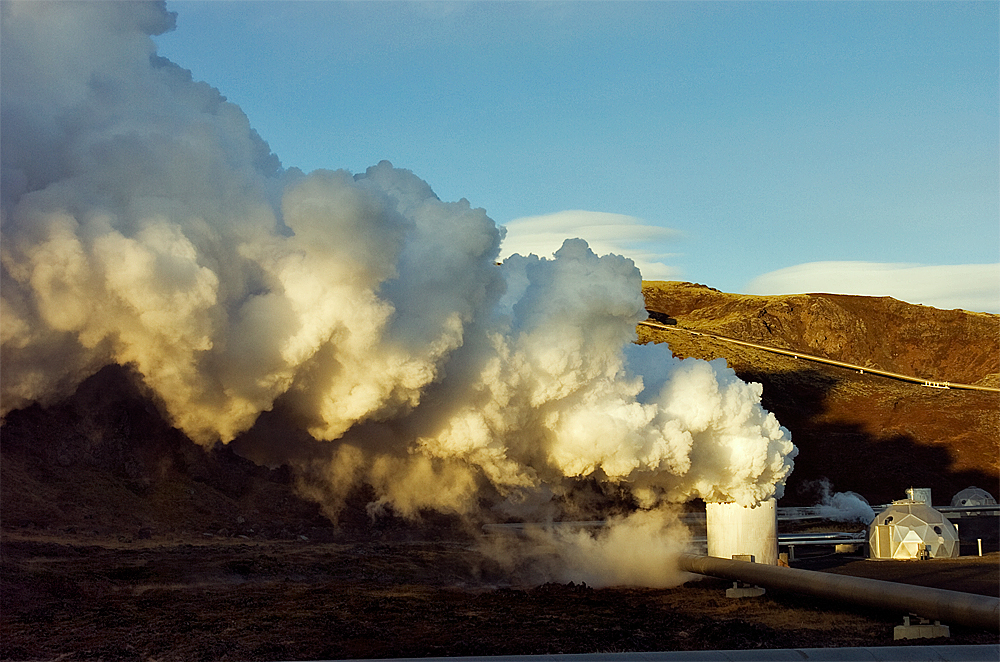
Engineers plan to pump water into fractures deep within the volcano’s hot rock. The water absorbs heat and rapidly transforms into steam, which can then be pumped back to the surface to power turbines. This technique mimics natural geothermal systems but can be built almost anywhere with sufficiently hot rock.
Creating artificial reservoirs requires carefully controlling water pressure to avoid seismic risks. Scientists will use advanced monitoring equipment to ensure the system remains stable as it forms.
5. The Project Could Generate Clean, Carbon-Free Electricity
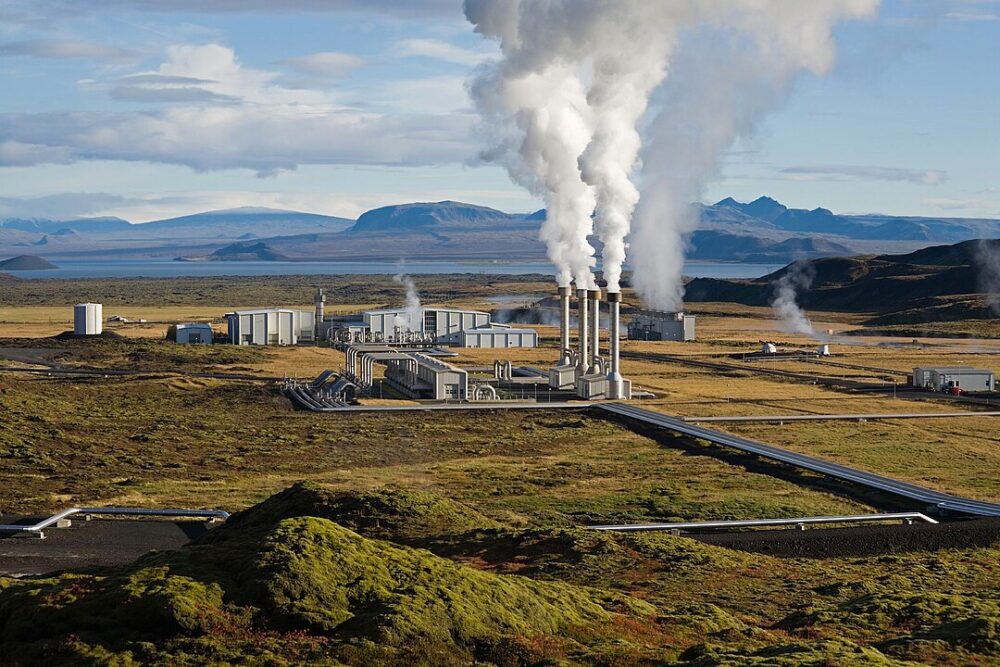
If successful, the technology could supply reliable electricity without burning fossil fuels. Unlike solar and wind power, geothermal energy runs continuously, making it a valuable addition to the renewable-energy grid. Newberry’s heat could support significant energy production with minimal emissions.
A working EGS system would demonstrate that volcanic heat is one of the most underused energy resources in the United States. It could help diversify clean-power options in the Western states.
6. The Team Includes Leading Volcanologists and Energy Researchers
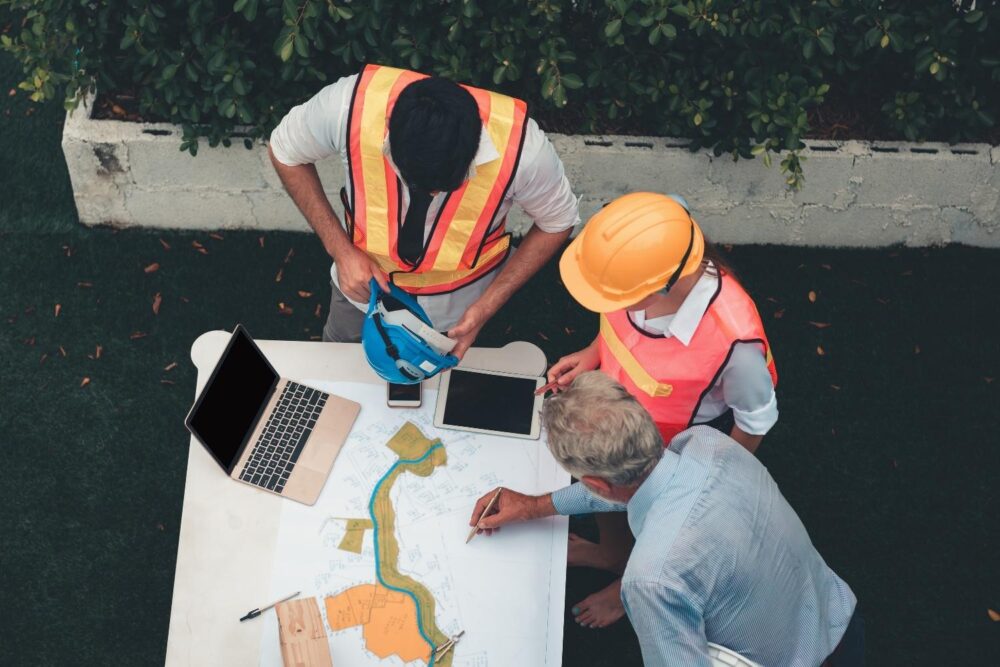
Scientists from federal agencies, universities, and private companies are collaborating on the Newberry project. Their expertise spans volcanology, seismology, drilling engineering, and geothermal power generation. Working together allows them to address both the geological and technological challenges.
The group’s combined experience increases confidence that the drilling can be done safely. Their shared goal is to advance clean energy while protecting nearby communities.
7. Advanced Sensors Will Monitor Earthquakes and Pressure Changes
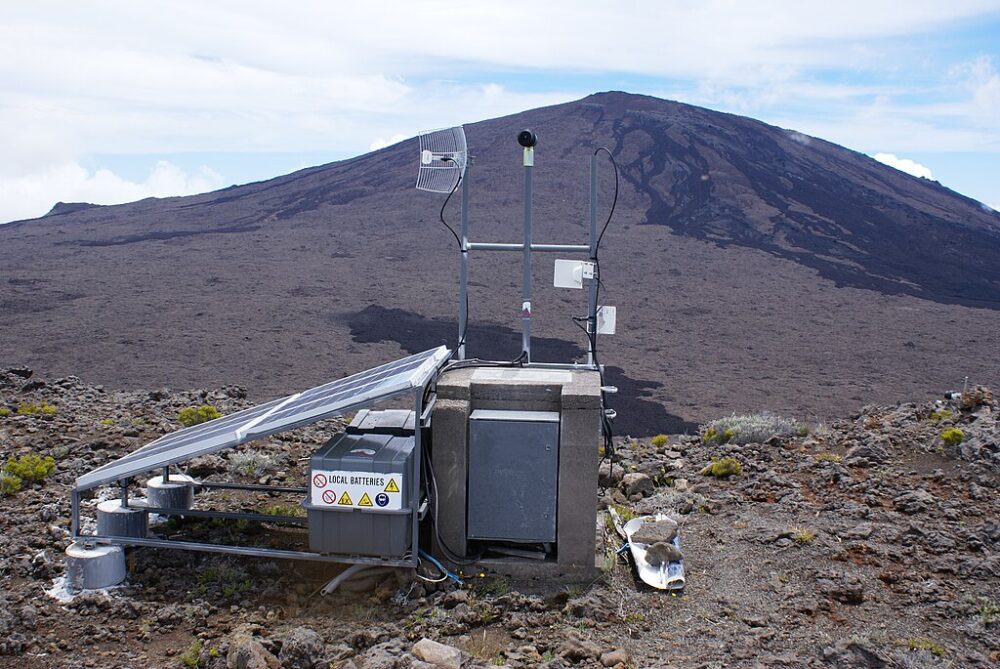
To ensure safety, scientists will monitor the volcanic site using seismic instruments, pressure gauges, and real-time data systems. These tools can detect tiny increases in underground movement or changes in steam pressure. If anything unusual occurs, operations can be paused immediately.
This data will also help researchers better understand how volcanic rock responds to drilling and fluid injection. The findings will be useful for future geothermal projects across the country.
8. EGS Technology Could Unlock Huge Geothermal Resources Nationwide
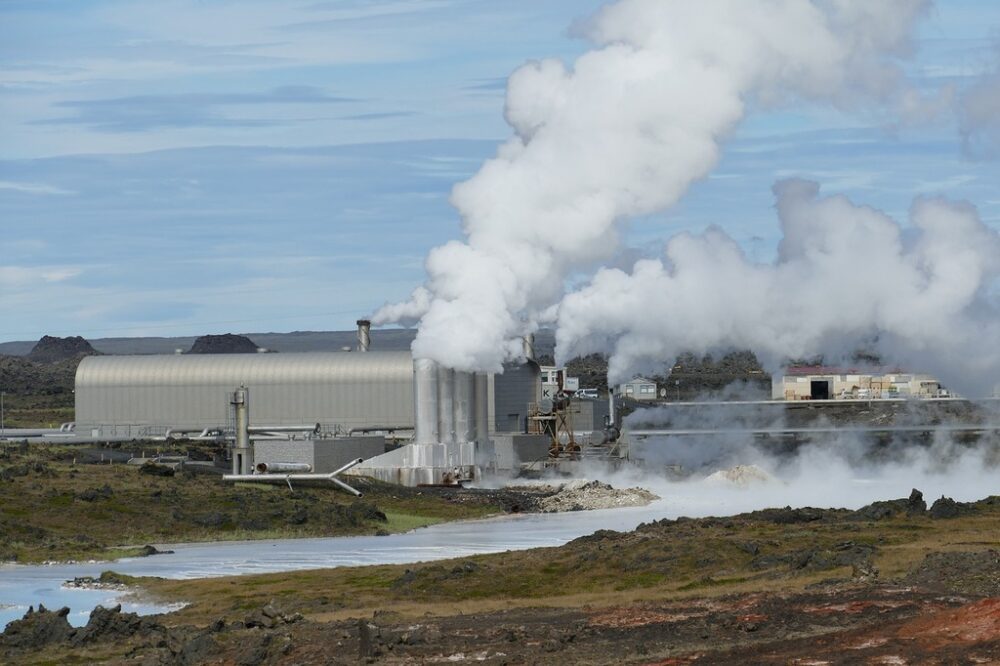
Only a small fraction of the U.S. geothermal potential is currently accessible because most hot rock lacks natural water flow. EGS could change that by creating artificial reservoirs where none exist. Volcanic regions like Oregon, California, and Nevada have enormous untapped heat.
If the Newberry project succeeds, it could trigger wider investment in geothermal energy. That shift could help stabilize the grid and reduce dependence on fossil fuels.
9. Some Locals Worry About Drilling Near a Volcano

While many residents support renewable energy, others have questions about drilling into an active volcanic region. Concerns include induced seismicity, groundwater changes, and the possibility of disturbing the volcano’s natural system. These worries are understandable given Newberry’s classification as a high-threat site.
Scientists say the drilling will be closely monitored and is designed to minimize risk. They emphasize that similar geothermal projects have operated safely in other volcanic regions around the world.
10. Environmental Impacts Are Being Carefully Studied

Before the project expands, researchers must evaluate how geothermal activity might affect local ecosystems, water usage, and wildlife. The area surrounding Newberry Volcano includes forests, lava flows, and sensitive habitats that require careful management.
Environmental reviews help ensure that energy development does not harm the region’s natural resources. Scientists are committed to creating a balance between innovation and conservation.
11. The Newberry Project Could Redefine America’s Energy Future

If the experiment works, it would prove that volcanic heat can be safely harnessed to generate renewable energy at scale. This breakthrough could open the door to similar projects across the West, where underground heat resources are widespread.
The long-term goal is a clean, resilient energy system powered by nature’s own geothermal engines. Newberry Volcano may be the first major step toward turning that vision into reality.