
A new silicon nanotech device generates electricity using nothing but water moving through tiny pores.
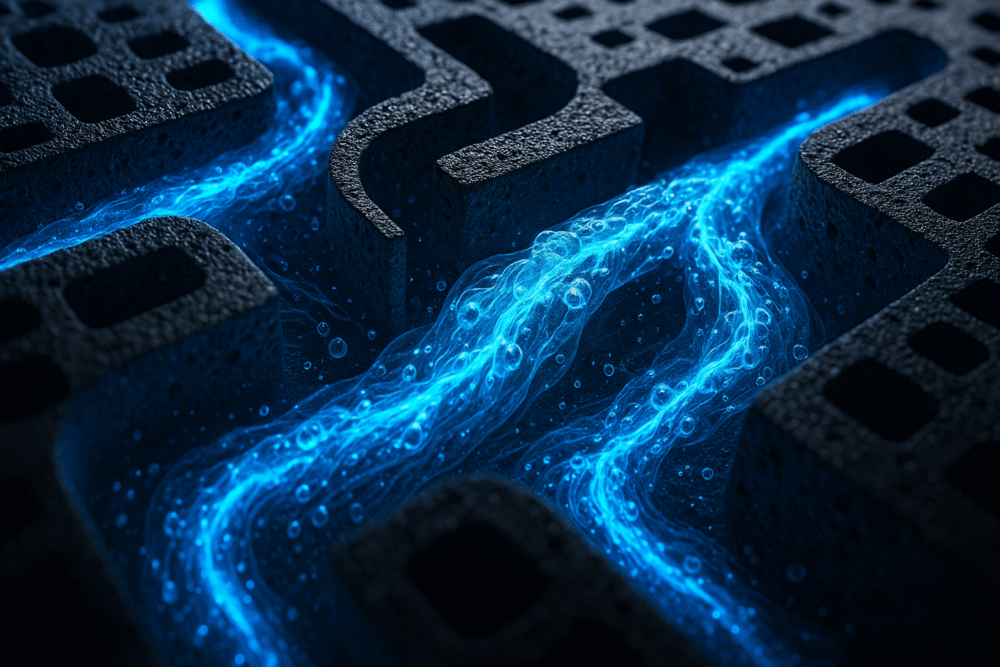
Scientists from Hamburg University of Technology and several European research partners have created a surprising new way to generate electricity—by simply pushing water through tiny pores in silicon. The system uses nanoscale channels to produce electric charge through friction, without chemicals, metals, or traditional battery components. Early tests show unusually high efficiency for this type of technology, and researchers say it could open the door to future devices that harvest energy anywhere water can move. While still experimental, the breakthrough hints at a cleaner power alternative.
1. Water Moving Through Tiny Pores Can Now Generate Electricity

Scientists discovered that pushing water through incredibly small pores in silicon can create usable electric charge. This happens because the water and the silicon surfaces rub against each other at the nanoscale, producing friction strong enough to release electrons. It’s a simple idea, but one that took advanced engineering to make practical.
Because the process relies on movement instead of chemical reactions, the system avoids the wear-and-tear problems seen in normal batteries. It could eventually allow devices to harvest power anywhere water naturally flows or shifts pressure.
2. The Breakthrough Uses a New Type of Nanogenerator
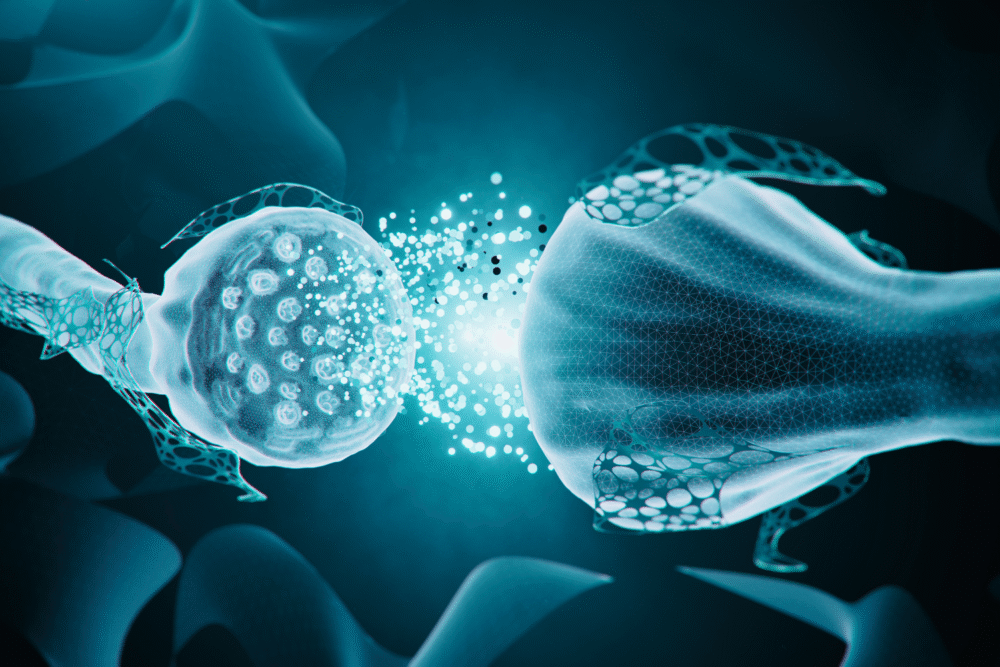
The device is called an intrusion-extrusion triboelectric nanogenerator, or IE-TENG. It works by forcing water in and out of tiny silicon channels under pressure, creating steady pulses of electric charge. These pulses can be captured and stored, much like battery power.
This kind of nanogenerator is different from earlier versions because it uses solid-liquid contact rather than rubbing solid surfaces together. That gives it higher durability and more consistent output, which makes it especially promising for long-term use in real applications.
3. Nanoporous Silicon Was the Key to Making the System Work

The researchers used silicon filled with billions of microscopic pores only a few nanometers wide. These pores create a huge amount of surface area in a very small space, which dramatically increases the amount of friction the water experiences as it moves.
Silicon is also a huge advantage because it’s already used heavily in electronics manufacturing. If the technology scales up, companies could potentially adapt existing semiconductor tools to produce these materials in large quantities.
4. The Device Reached One of the Highest Efficiencies Ever Recorded
In tests, the nanogenerator reached energy-conversion efficiencies of up to around nine percent. That number may seem small, but for solid-liquid triboelectric systems, it’s one of the highest reported so far. Traditional designs usually produce much lower outputs.
This strong performance shows how well the silicon structure and water-flow system were engineered. With further development, scientists believe the efficiency could rise even more, making the technology far more competitive with early-stage alternatives to chemical batteries.
5. It Produces Power Without Using Lithium or Other Rare Minerals
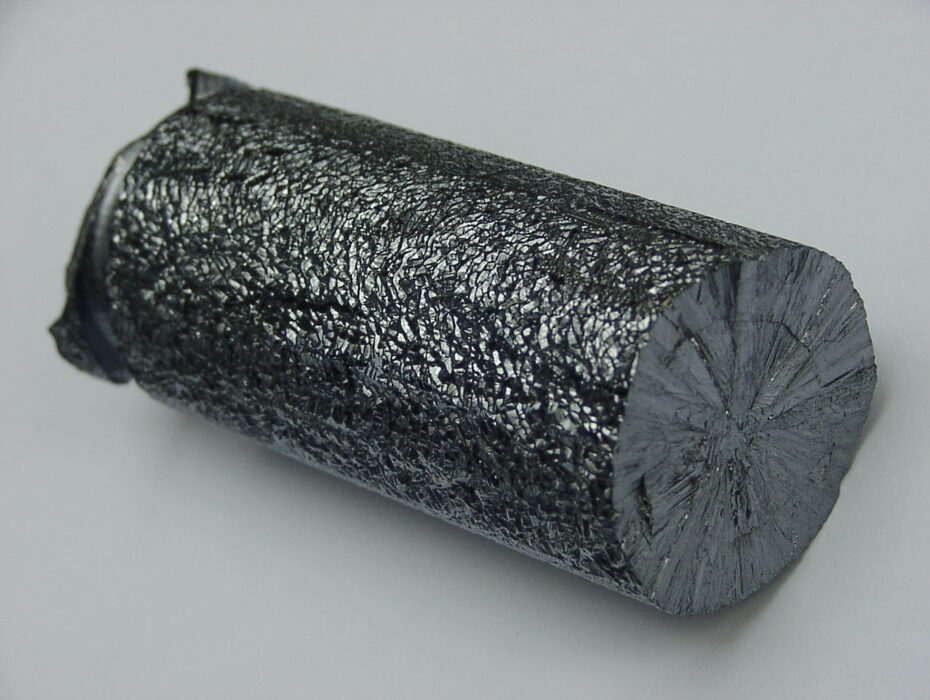
Unlike lithium-ion batteries, which rely on mined minerals, this system needs only silicon and water to function. That means it avoids many supply-chain problems and environmental issues linked to battery production. It could someday reduce demand for metals that are expensive, difficult to mine, or limited in global supply.
Because the device doesn’t rely on chemical reactions, it also avoids many safety concerns, such as overheating or fire risk. That makes it an appealing option for future portable or wearable devices.
6. The Technology Could Be Useful Where Water Pressure Naturally Changes

One of the most exciting ideas is using the technology anywhere water pressure rises and falls. That includes waves, tides, rainfall, pipelines, or even small pressure shifts inside appliances. The device doesn’t need much water movement to generate electricity, making it flexible for many environments.
This could lead to tiny power sources in places that are currently hard to reach with traditional batteries. Over time, it may support sensors, environmental monitors, or remote devices that need a steady trickle of energy.
7. Researchers Say the System Could Last Longer Than Normal Batteries
Because the device isn’t driven by chemical reactions, it doesn’t degrade in the same way standard batteries do. Silicon and water don’t break down from repeated charge cycles, so the system could potentially operate for much longer without losing capacity.
This durability would make it useful for devices that need continuous operation over many years. Long-term reliability is especially important for scientific sensors, smart infrastructure, and deep-sea or underground equipment.
8. The Project Brought Together Scientists From Across Europe

The research was led by Hamburg University of Technology and included contributions from DESY in Germany, CIC energiGUNE in Spain, the University of Ferrara in Italy, the University of Silesia in Poland, and Riga Technical University in Latvia. This large collaboration allowed experts in materials science, physics, chemistry, and nanotechnology to combine their specialties.
Support also came from the “BlueMat – Water-Driven Materials” Excellence Cluster, which focuses on exploring how water interacts with advanced materials. This network helped accelerate the project’s progress.
9. Researchers Used High-End Tools to Study the Tiny Pores

To understand exactly how the water and silicon interacted, scientists used X-ray methods, nanoscale imaging, and advanced measurement tools. These techniques helped them track how water moved inside the pores and how much electricity each cycle produced.
By analyzing the physics on such a small scale, the researchers could fine-tune the pore size, pressure, and surface chemistry to get the best performance. This level of detail is essential for designing future versions of the technology.
10. The Tech Is Still Experimental but Shows Big Future Promise

Even with strong early results, the nanogenerator is still in the research stage. Scientists need to improve the device’s power output, scaling method, and durability under real-world conditions. But the core idea has been proven—and that’s a major milestone for energy science.
If development continues, this approach could eventually power small electronics, sensors, or other low-energy devices. It could also inspire new technologies built around water-movement energy.
11. This Breakthrough Could Spark a New Direction for Clean Power

The results suggest that everyday materials and natural processes could one day help supplement or even replace chemical batteries. Water is abundant, non-toxic, and easy to move, making it an appealing energy source when paired with the right technology.
While the future applications will take time to emerge, this discovery gives scientists a new path to explore. It’s one more example of how nanoscale engineering can reveal surprising new ways to capture and use energy.