
Two mummies discovered in Libya’s Sahara desert reveal a vanished genetic lineage.
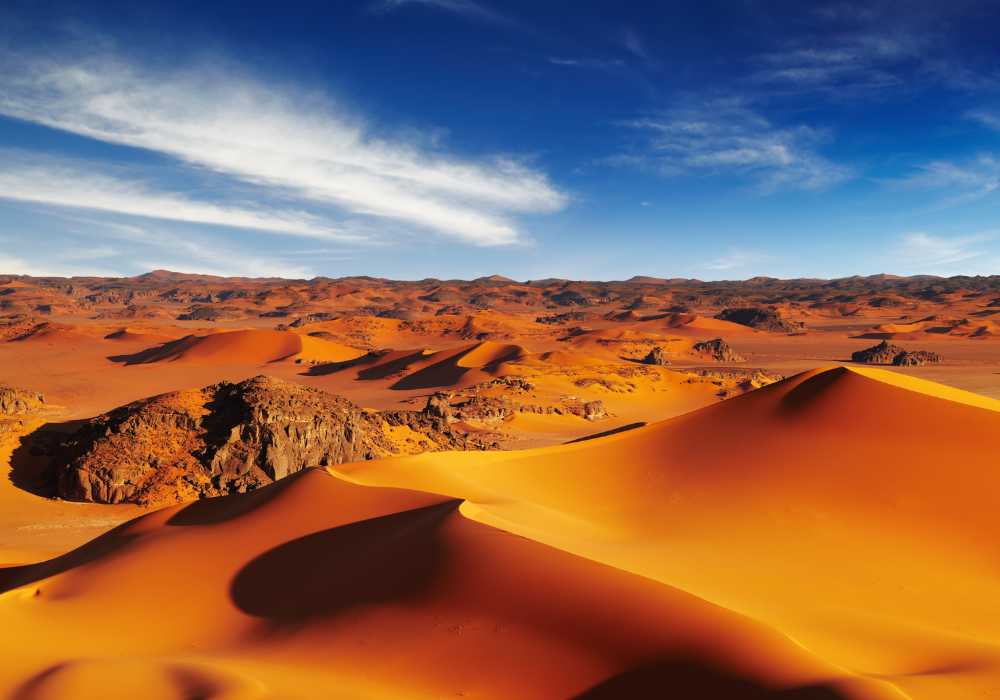
In Libya’s Sahara Desert, scientists have uncovered 7,000-year-old mummies whose DNA doesn’t match any modern human populations. The remains were found in the Takarkori rock shelter, a site already known for prehistoric burials and artifacts. Genetic analysis revealed a lineage that vanished thousands of years ago, leaving no descendants in today’s world. Researchers say the discovery highlights just how many ancient branches of humanity have disappeared and underscores how little we still know about our shared past.
1. Mummies Discovered in Libya’s Sahara Desert
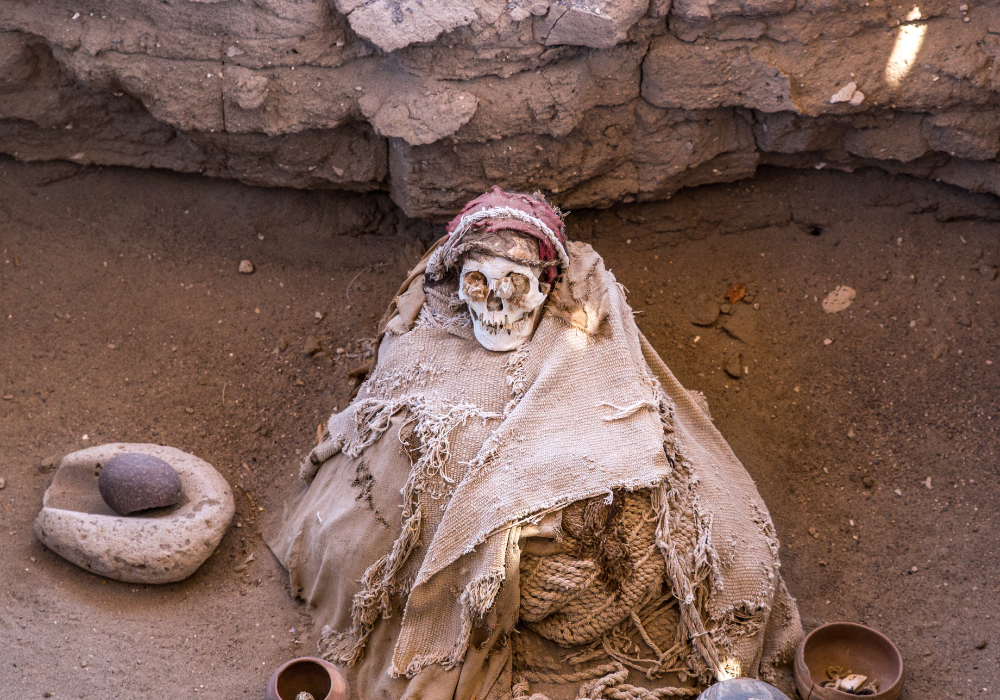
Archaeologists working in the Takarkori rock shelter of southern Libya have uncovered two remarkably preserved mummies dating back about 7,000 years. The burials were found in a region long considered one of the richest archaeological sites in the central Sahara.
The discovery is important not only for its age but also for what it reveals about ancient peoples who lived in North Africa during the early Holocene. These individuals lived in a dramatically different Sahara, one that was wetter and greener than the desert we know today.
2. DNA Reveals a Lost Lineage

When scientists extracted DNA from the Takarkori mummies, they made a startling discovery. The genetic sequences did not match any modern human populations, pointing to a lineage that disappeared thousands of years ago.
This suggests that the people buried here belonged to a branch of humanity that left no living descendants. Such “ghost lineages” are not uncommon in ancient DNA studies, but each new one helps fill in missing pieces of the human story and shows how many groups have vanished over time.
3. The Takarkori Rock Shelter’s Rich History
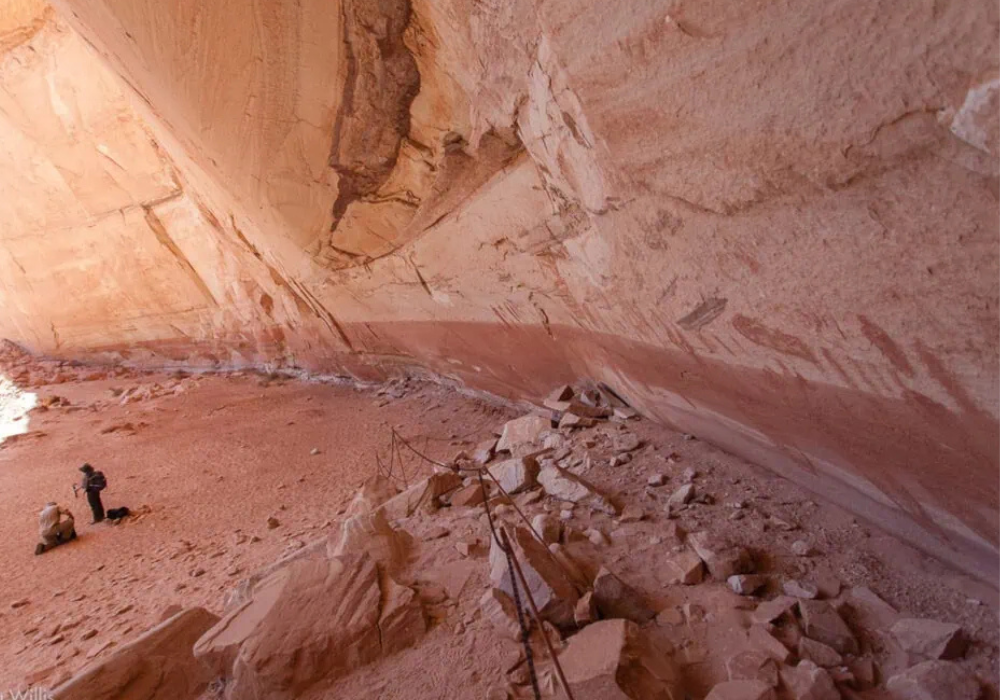
Takarkori has been studied for decades as one of the most important prehistoric sites in the Sahara. The rock shelter contains dozens of burials, rock art, and artifacts spanning thousands of years of occupation.
The area was once a lush savannah dotted with lakes and grasslands. Ancient people thrived here, hunting, fishing, and eventually herding animals. The newly discovered mummies add a unique dimension to Takarkori’s history, offering direct biological evidence of who these people were and how they lived.
4. Preservation in a Harsh Desert

The mummies survived for millennia in a desert climate known for being one of the harshest environments on Earth. Although today the Sahara is extremely dry, during the time these individuals lived, conditions were wetter and more favorable for human settlement.
Their preservation may have been aided by intentional preparation, as well as by the desert’s eventual arid conditions. For archaeologists, finding mummies in this region is rare, making this discovery especially valuable for piecing together ancient lifeways in the Sahara.
5. How These Mummies Differ From Others
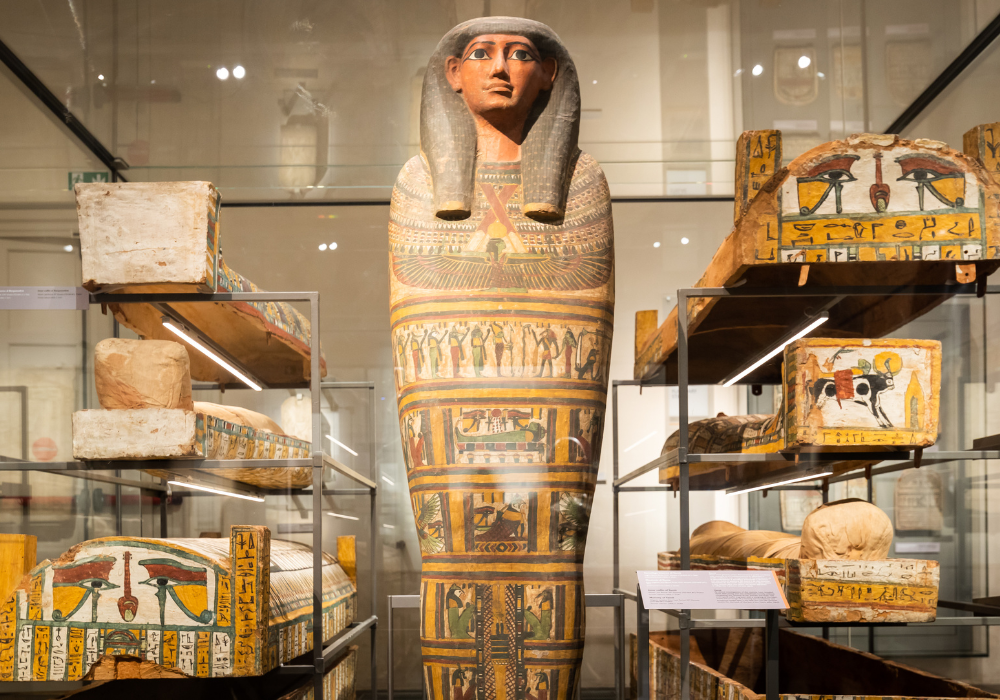
Unlike Egypt’s elaborate royal burials, the Sahara mummies were not part of a grand civilization but a smaller, more localized culture. Yet they demonstrate an early tradition of treating the dead with care and ceremony.
The fact that these individuals were preserved at all suggests cultural practices that valued remembrance and ritual. When combined with their unusual DNA, they show how diverse human societies were in prehistory, even in regions that are often overlooked compared to more famous archaeological sites.
6. A Genetic Signature Lost to Time

The DNA findings revealed a genetic signature absent in any living humans. This means the Takarkori people either died out completely or were absorbed into other groups without leaving lasting genetic markers.
For scientists, this vanished lineage offers evidence of humanity’s deep diversity. Many populations once thrived but later disappeared, taking their unique identities with them. The Sahara mummies now stand as proof of one such group, long forgotten until modern science uncovered their hidden story.
7. The Sahara’s Changing Environment
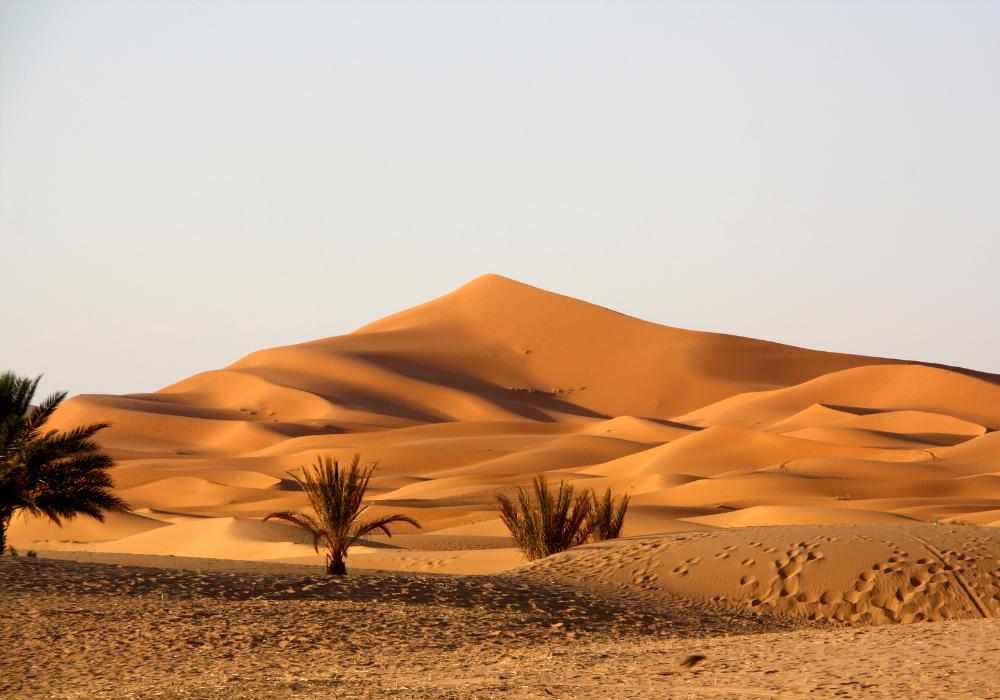
The Sahara of 7,000 years ago looked very different. Instead of vast dunes and barren landscapes, it was home to lakes, grasslands, and wildlife. Archaeological finds suggest it supported thriving communities of people and animals.
As the climate dried over time, many groups were forced to adapt, migrate, or vanish. The Takarkori mummies provide direct evidence of one community that lived during this “Green Sahara” period and then disappeared as the environment shifted into the desert we recognize today.
8. Insights From Ancient DNA Technology

The ability to recover DNA from remains thousands of years old is a relatively recent achievement. Advances in genetic sequencing now allow scientists to unlock information that would have been impossible to study just decades ago.
In the case of the Takarkori mummies, this technology revealed the surprising discovery of an entirely unknown ancestry. Such breakthroughs highlight the importance of ancient DNA in rewriting our understanding of human history, showing how many lost chapters remain buried in remote sites across the world.
9. A Puzzle for Archaeologists
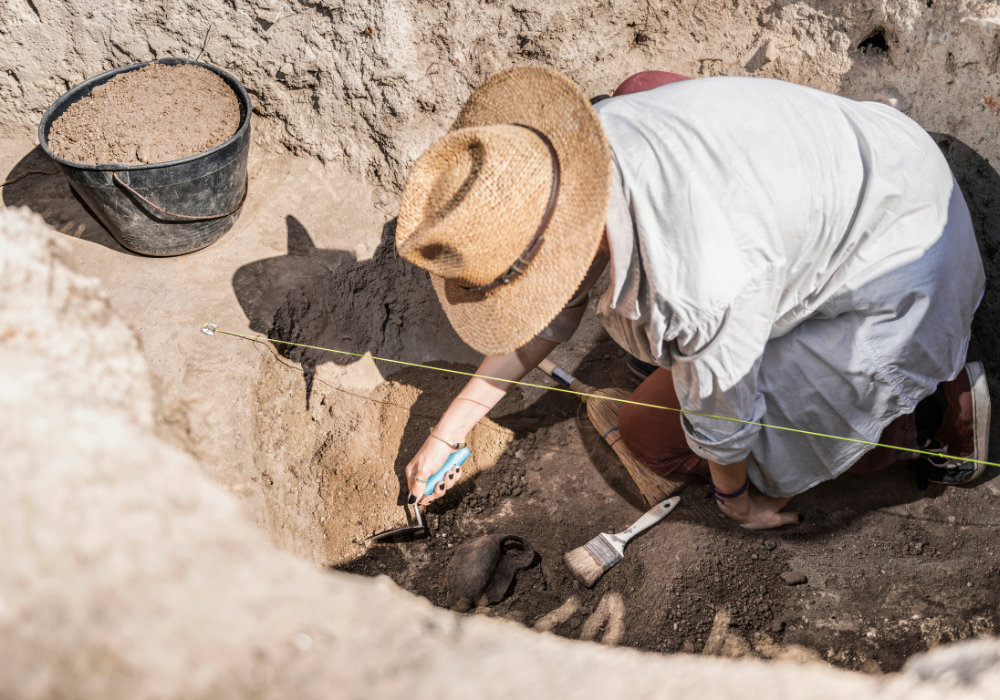
The discovery raises more questions than it answers. Who exactly were the Takarkori people, and where did they come from? Why did their lineage disappear instead of continuing into modern populations?
Archaeologists hope that further excavations at the site will reveal more burials and artifacts that could help solve the mystery. Each additional find may shed light on the origins, culture, and eventual fate of this vanished group, adding vital clues to the story of the Sahara’s ancient inhabitants.
10. Why These Findings Matter Today

For researchers, the mummies are not just archaeological curiosities—they represent a vital piece of humanity’s past. Understanding how many groups once existed but disappeared helps explain the tangled web of ancestry that shapes who we are today.
The discovery underscores how little we still know about ancient populations, particularly in Africa. It also demonstrates that human history is filled with forgotten peoples who left no descendants, reminding us that survival and continuity were never guaranteed.
11. A Glimpse Into Humanity’s Lost Branches
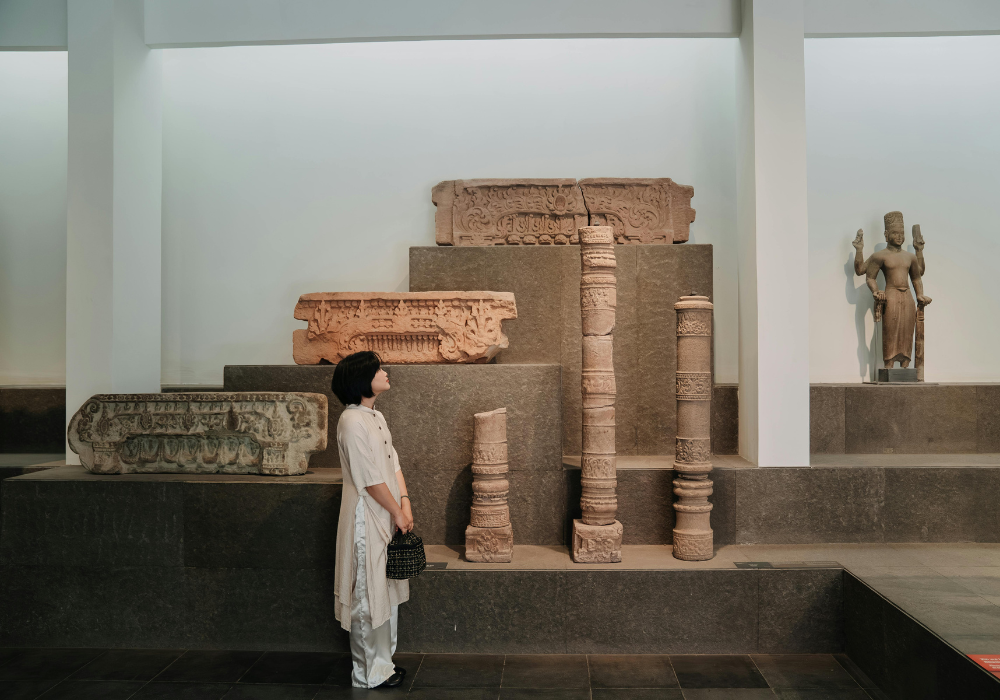
The Takarkori mummies provide a rare glimpse into one of humanity’s many lost branches. Their preserved bodies, distinctive DNA, and remote desert setting combine to tell a story of resilience and disappearance.
While much remains unknown, their discovery expands the map of human diversity and highlights how much of our past is still waiting to be uncovered. For scientists and the public alike, the Sahara mummies are a reminder that the human story is far richer and more complex than we once imagined.