
Fossils from a half-billion years ago reveal an unexpectedly rich ecosystem packed with bizarre early life forms.
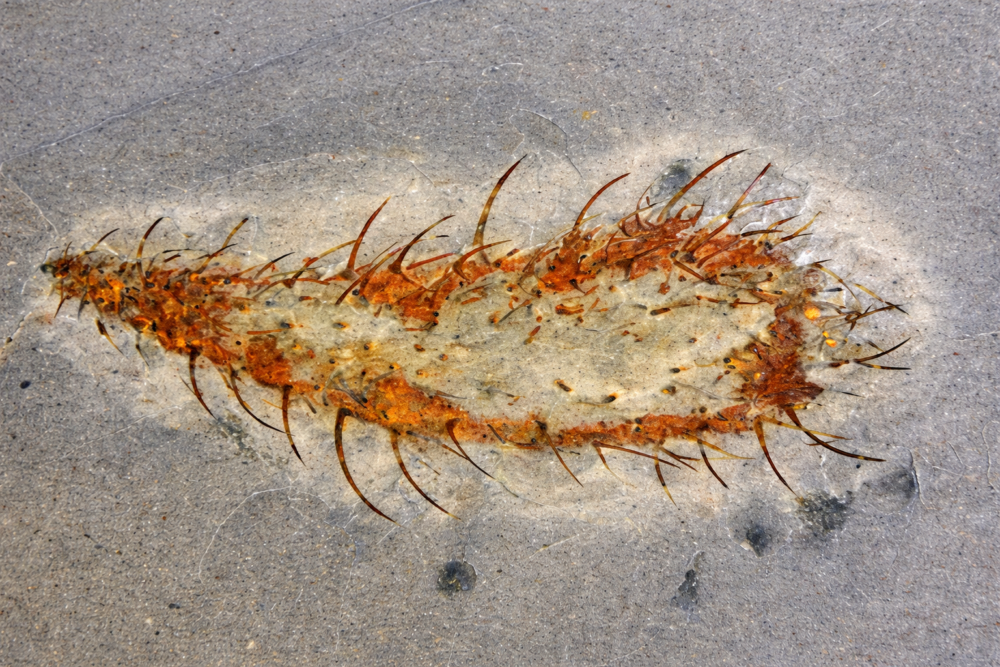
A remarkable fossil site dating back about 512 million years is giving scientists an unusually detailed look at life during one of Earth’s most important evolutionary chapters. Researchers have identified around 90 previously unknown species preserved alongside dozens of already known ones, all locked in extraordinary detail.
The fossils capture soft tissues that are rarely preserved, revealing how early animals moved, fed, and interacted. Together, the finds paint a vivid picture of a thriving marine ecosystem that existed shortly after a major evolutionary burst — and challenge long-held assumptions about early animal life.
1. The Fossils Come From a Critical Moment in Evolution

The newly described species lived during the Cambrian period, a time when complex life rapidly diversified in the oceans. This era saw the emergence of many major animal groups that still exist today.
Because this site dates to a narrow window within that explosion, it offers scientists a snapshot of evolution in action, rather than a blurred record spread across millions of years.
2. Unusual Preservation Made the Discovery Possible
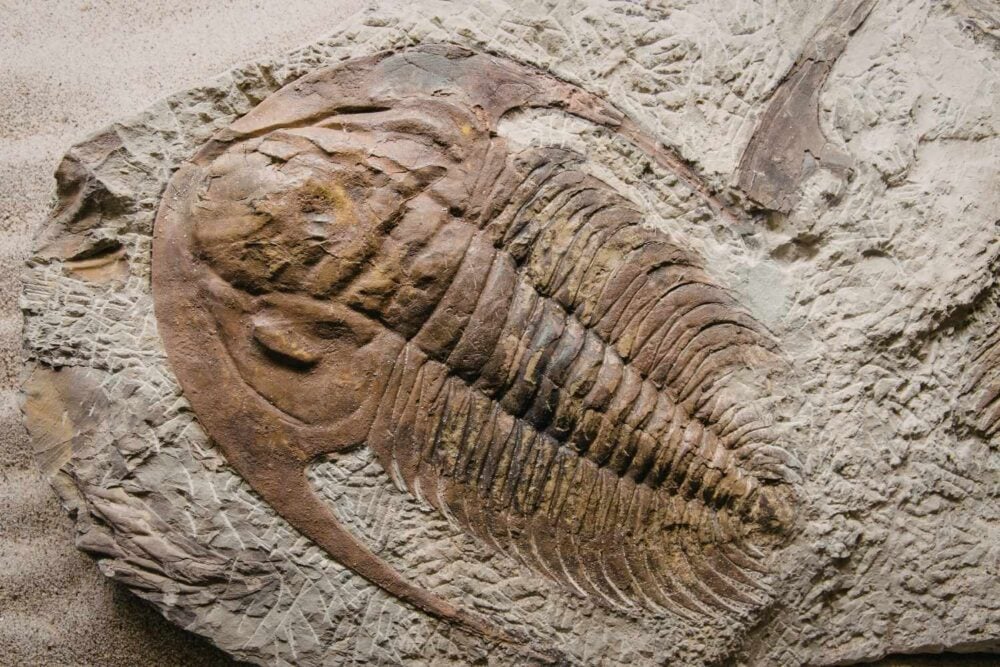
What sets these fossils apart is how well they preserved soft tissues like guts, limbs, and even sensory structures. Normally, only hard shells or bones survive over such deep time.
Special burial conditions protected delicate features from decay, allowing researchers to study anatomy that is almost never visible in fossils this old.
3. Nearly 90 Species Were Previously Unknown
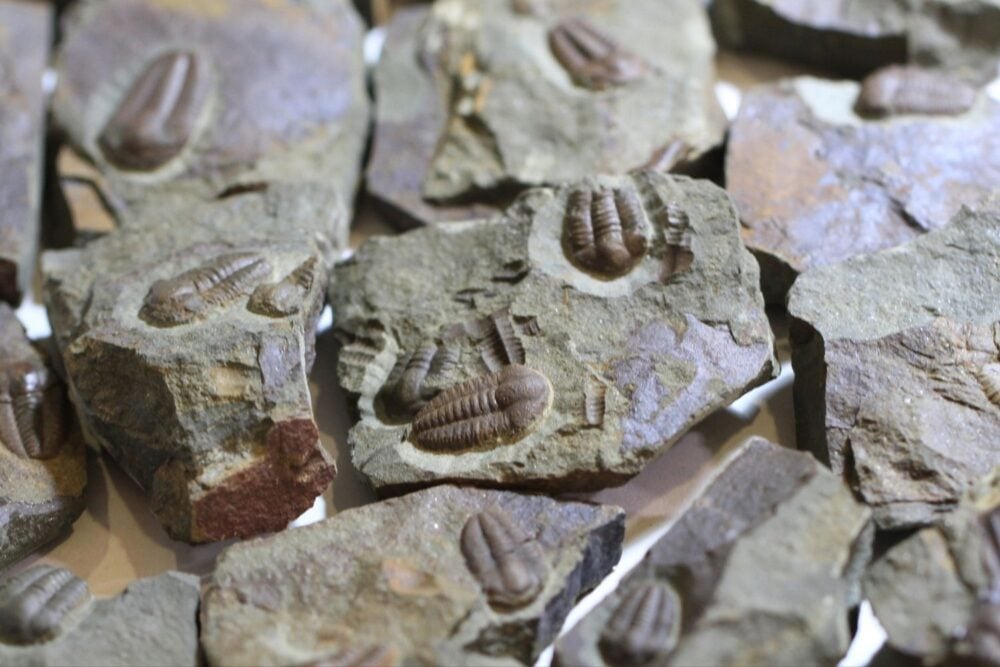
Among the fossils, scientists identified roughly 90 species that had never been documented before. Some resemble early versions of modern animals, while others have body plans unlike anything alive today.
This level of novelty suggests that early ecosystems were experimenting with far more forms of life than the modern world reflects.
4. Many Creatures Look Surprisingly Alien
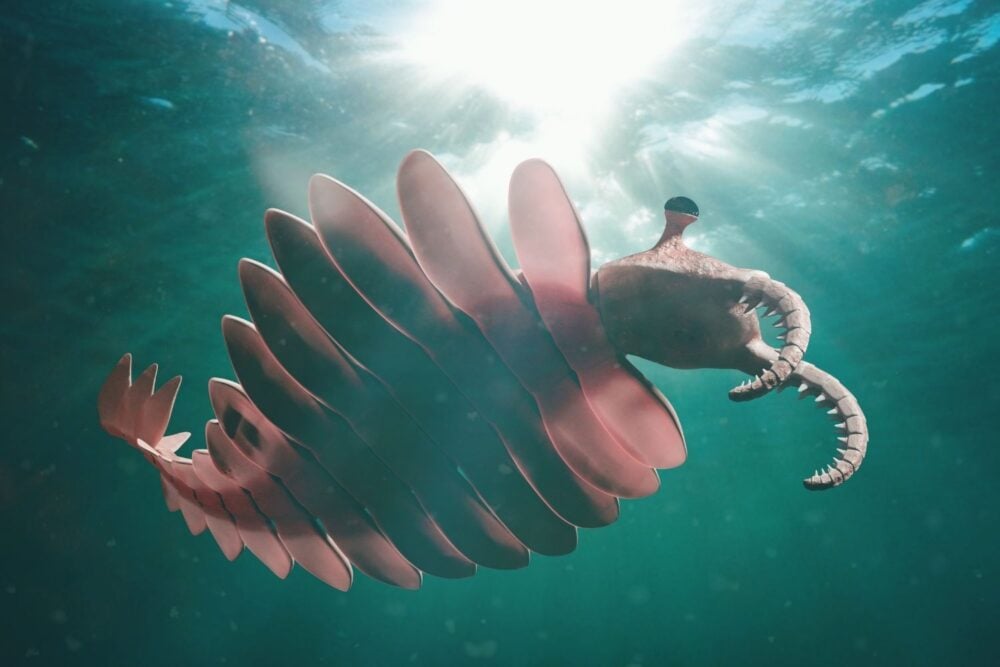
Several species display unusual combinations of traits, including strange appendages, unexpected body symmetry, or unfamiliar feeding structures. To modern eyes, many appear almost alien.
Researchers say these odd designs reflect evolutionary experimentation, with natural selection testing which body plans would persist and which would disappear.
5. The Ecosystem Was More Complex Than Expected
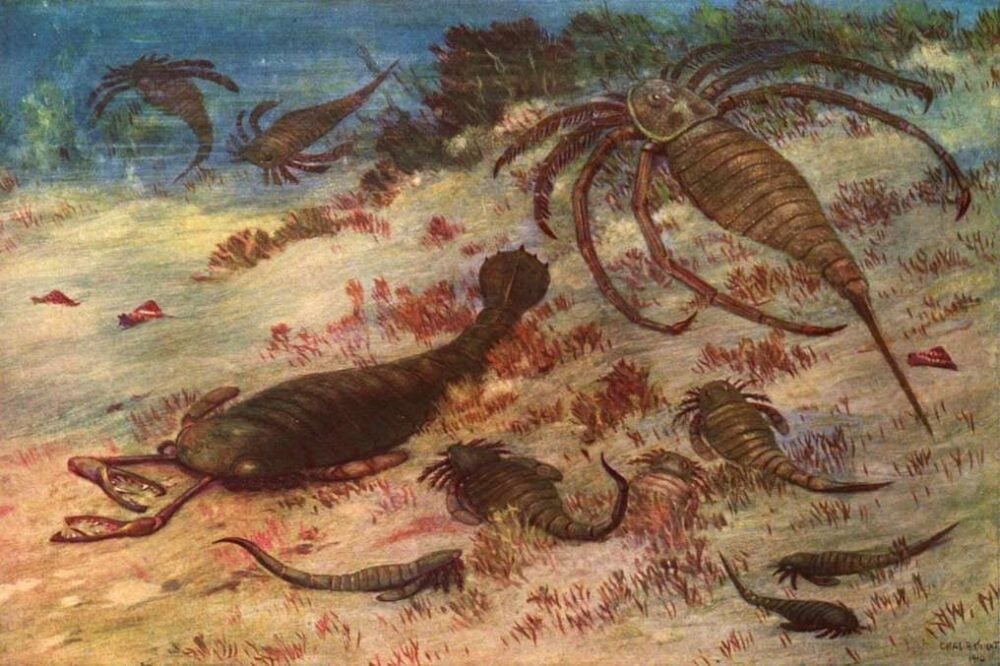
Rather than a simple food chain, the fossils reveal a layered ecosystem with predators, scavengers, filter feeders, and burrowers all sharing the same environment.
This complexity challenges older views that early animal communities were relatively basic. Instead, they appear structured and interconnected much earlier than once thought.
6. Predators Were Already Well Established
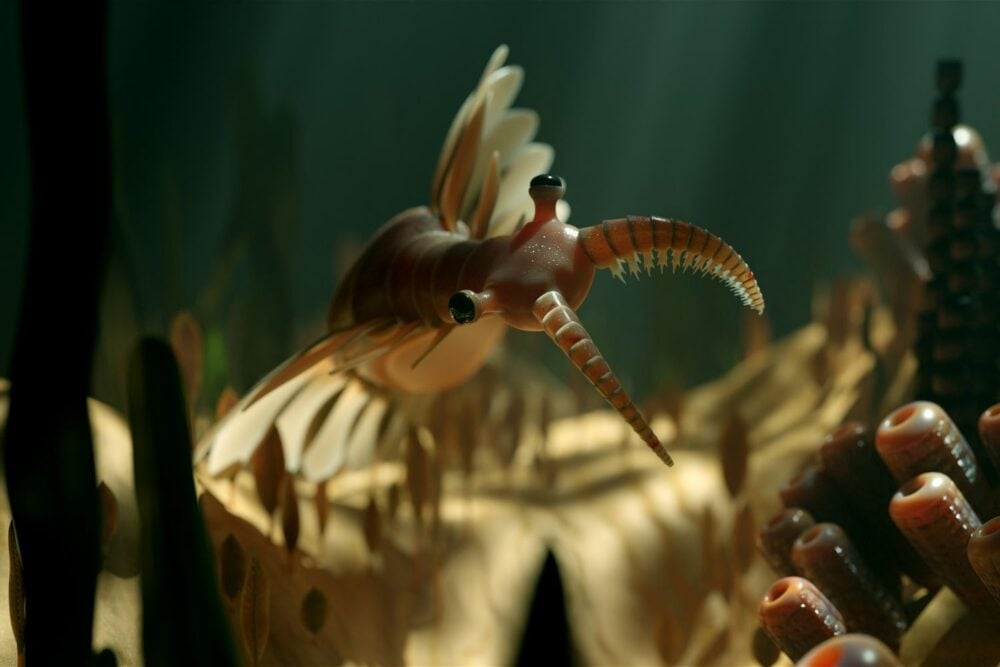
Evidence from the fossils suggests that active predators were already common. Some species show specialized mouthparts and limbs suited for capturing prey.
The presence of predators likely drove rapid evolutionary change, pushing other species to develop defenses, mobility, or new survival strategies.
7. Soft-Bodied Animals Played a Major Role
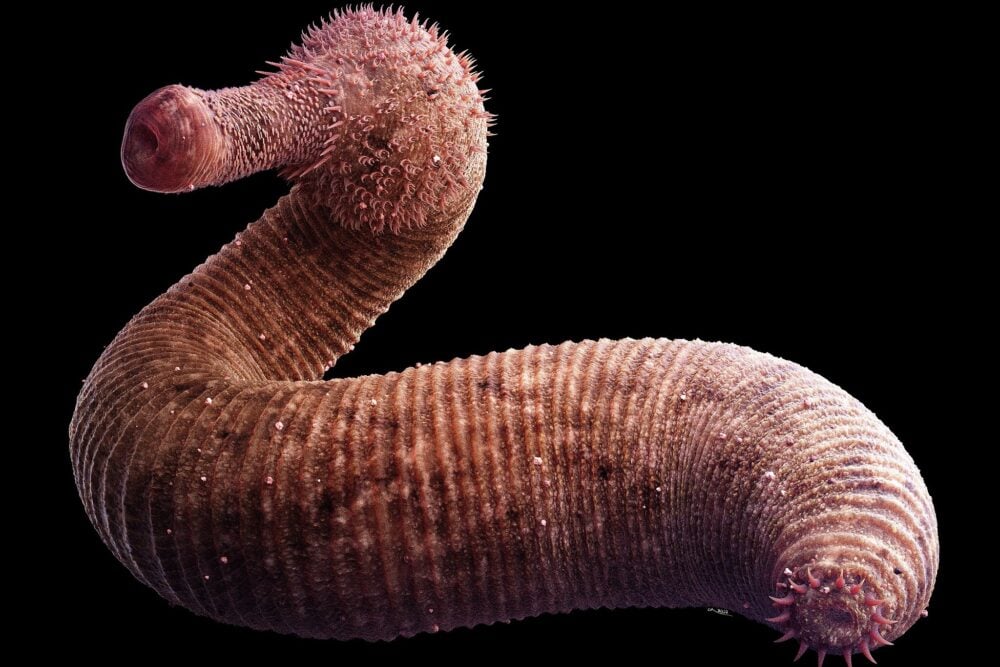
Many of the newly identified species lacked hard shells or skeletons, yet they clearly thrived. This indicates soft-bodied animals were central players in early marine ecosystems.
Because such creatures rarely fossilize, their importance has long been underestimated in reconstructions of ancient life.
8. The Site Preserves Life as It Lived
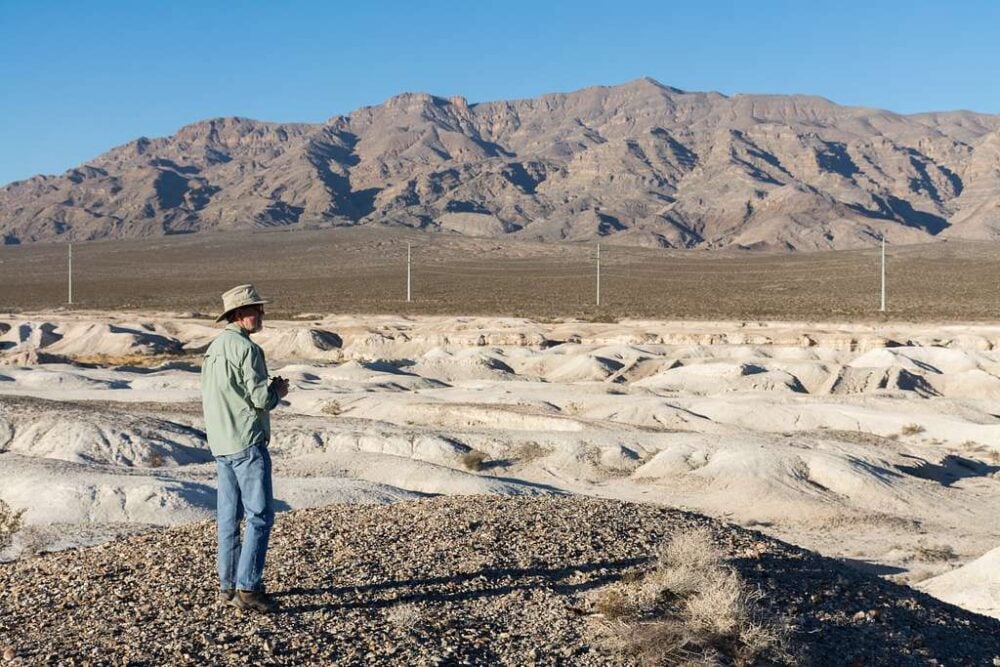
Unlike fossil beds dominated by transported remains, this site appears to preserve animals close to where they lived. That gives scientists a more accurate view of real community structure.
Seeing species together, rather than isolated, helps researchers understand how early animals interacted and shared space.
9. The Discovery Rewrites Parts of the Fossil Record
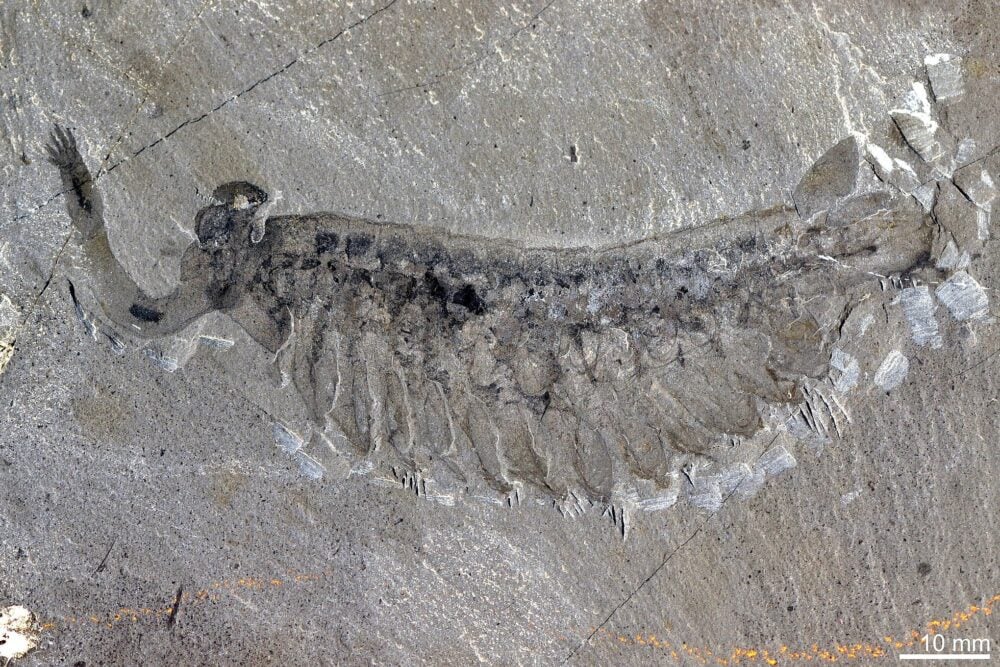
Adding so many new species at once reshapes how scientists interpret evolutionary timelines. Some groups appear earlier or more diverse than previously documented.
This forces researchers to revisit assumptions about when key traits and animal lineages first emerged.
10. Modern Imaging Played a Key Role
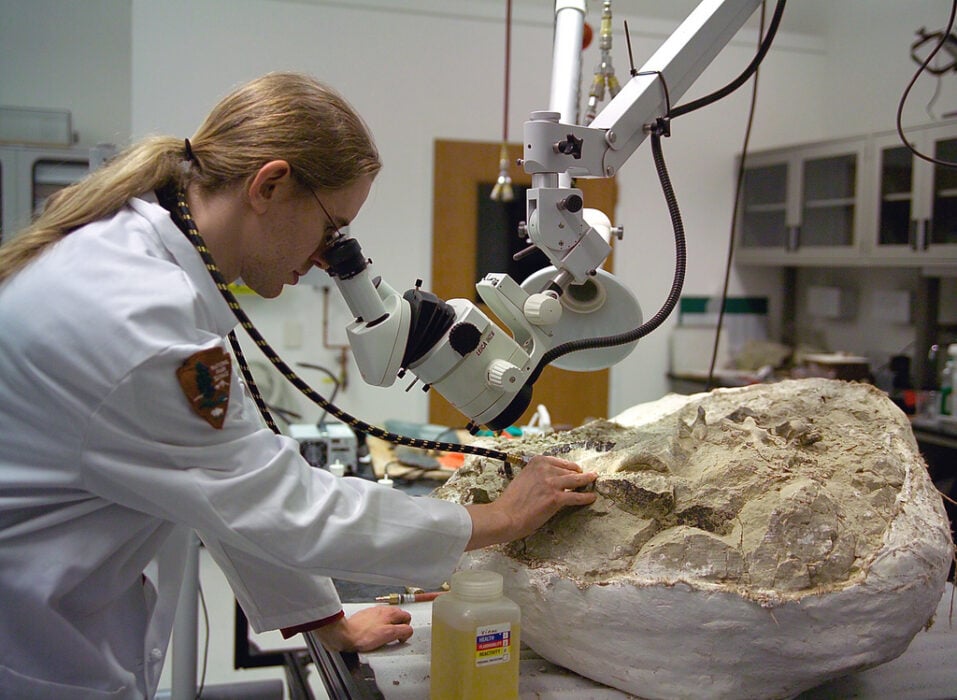
Advanced imaging techniques allowed scientists to examine tiny details without damaging the fossils. These tools reveal internal anatomy that once would have remained hidden.
Technology is now unlocking information from fossils collected decades ago, expanding their scientific value far beyond original expectations.
11. Many Evolutionary Experiments Didn’t Last
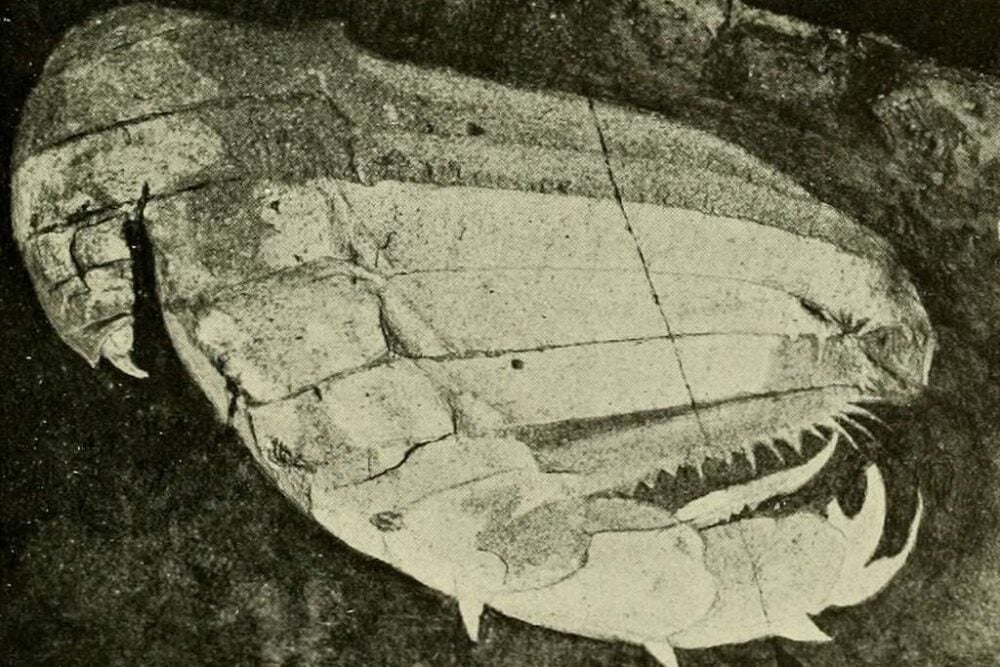
While some body plans led to modern animals, many of the forms seen here vanished entirely. Extinction appears to have been just as active as innovation.
Studying these lost designs helps scientists understand that evolution is not a straight path toward modern life, but a process full of dead ends.
12. The Find Shows How Much Remains Unknown
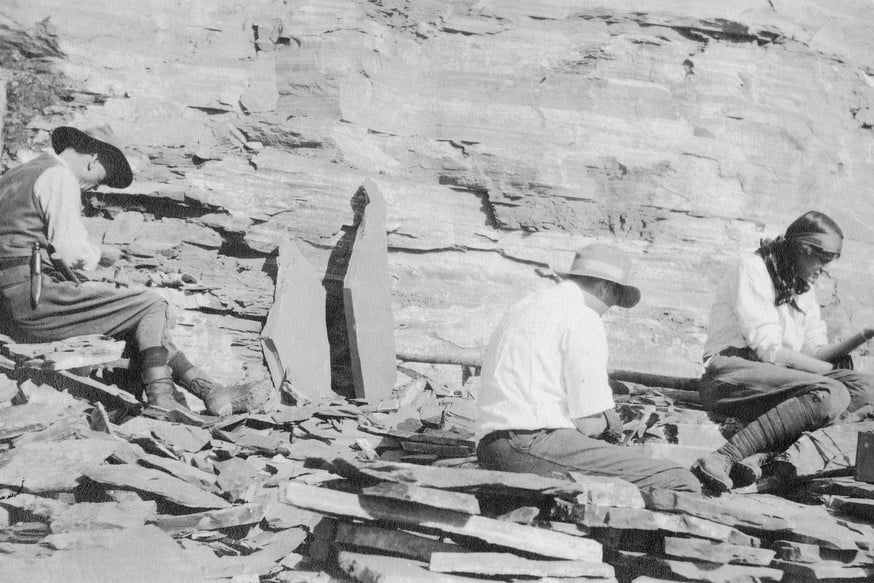
Even after centuries of fossil hunting, discoveries like this show how incomplete the record still is. Entire ecosystems can remain hidden until the right conditions reveal them.
Researchers say this site is a reminder that Earth’s deep past still holds many surprises — and that our picture of early life is still evolving.