
Hidden biological forces may explain a lifespan gap that has puzzled scientists for decades.
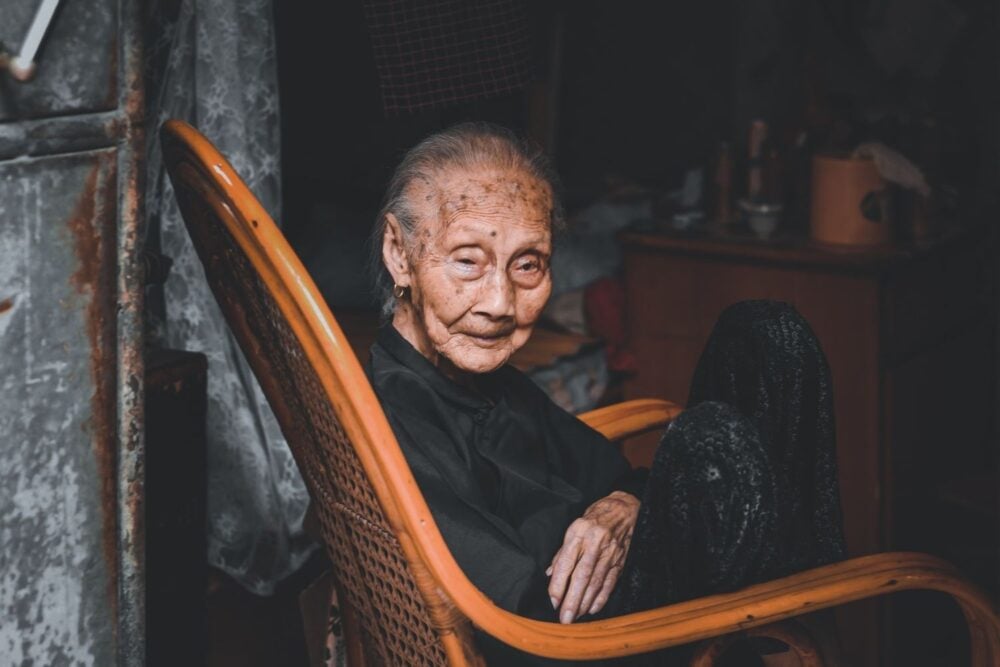
For as long as records have existed, women have generally lived longer than men. This pattern shows up across countries, cultures, and historical periods, even when lifestyle and healthcare access are similar.
While behavior and social factors matter, they don’t fully explain why the gap persists. Recent scientific work suggests the answer lies deeper, in how male and female bodies are built, how genes operate over time, and how evolution shaped survival differently for each sex.
1. The lifespan gap appears across many species

Scientists found that females outlive males in many mammals, not just humans. This includes species with very different environments, diets, and social structures.
Because the pattern repeats so widely, researchers believe it reflects a fundamental biological trend. It’s unlikely to be driven only by modern habits or cultural norms. Instead, the roots appear to stretch back millions of years.
2. Sex chromosomes create an uneven genetic starting point
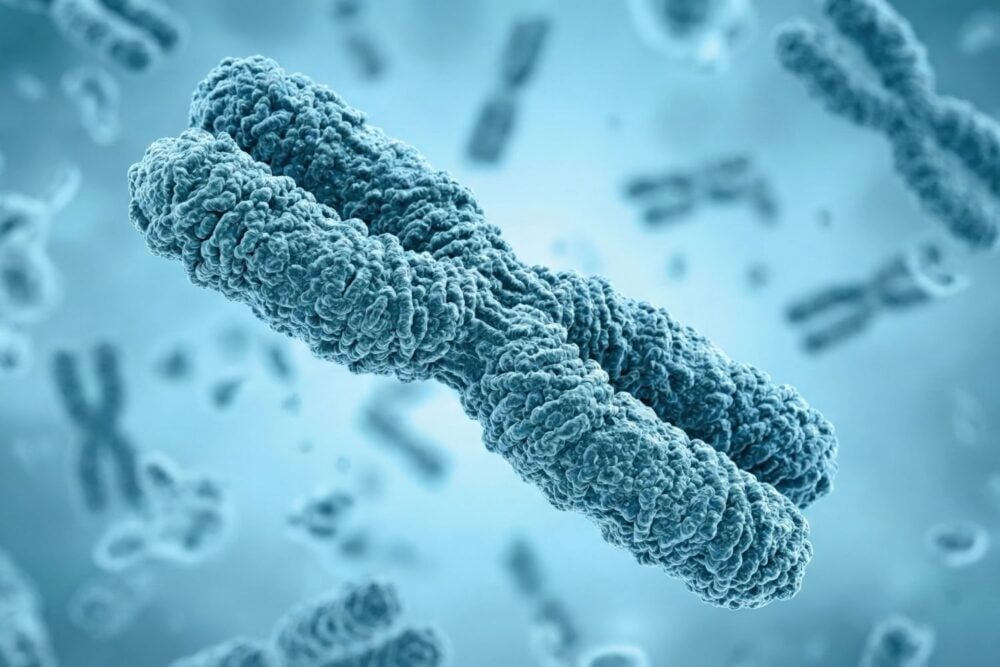
Females usually have two X chromosomes, while males have one X and one Y. This difference matters more than it might seem at first glance.
The extra X chromosome provides a kind of genetic safety net. If one X carries a harmful mutation, the other can often compensate. Males don’t have that same backup, making them more vulnerable from birth.
3. Harmful mutations tend to affect males more directly

When damaging genes appear on the X chromosome, males are more likely to express them fully. There’s no second X to soften the impact.
Over a lifetime, this increases the chance of disease or early failure in key systems. Females may carry the same mutations without suffering the same consequences. That hidden protection can translate into longer average lifespans.
4. Hormones shape long-term health differently
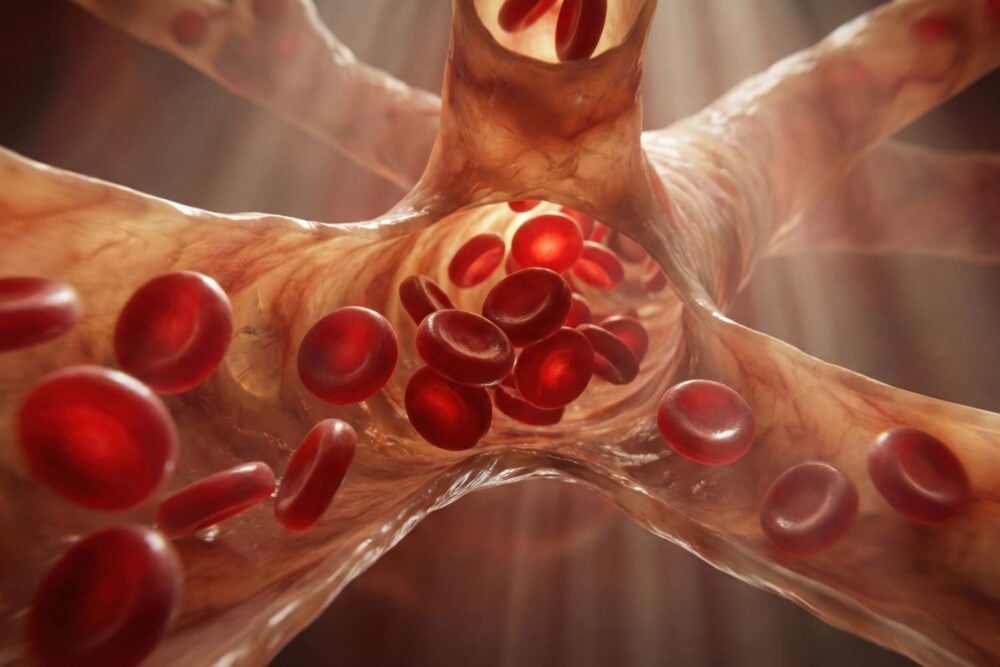
Hormones influence far more than reproduction. Estrogen, in particular, has been linked to better immune responses and healthier blood vessels earlier in life.
Testosterone plays essential roles too, but it’s also associated with higher stress on the body and greater risk-taking behavior. Over decades, these hormonal effects may subtly steer health in different directions. Aging isn’t just about time—it’s about how the body responds to stress year after year.
5. Immune systems don’t age at the same pace

Research suggests female immune systems often remain more resilient for longer. This helps fight infections and reduces complications from illness.
Male immune systems, on average, tend to weaken earlier. That can lead to higher vulnerability as people age. Over a lifetime, even small immune differences can significantly affect survival.
6. Evolution favored longer female survival

From an evolutionary standpoint, longer-lived females often improved the survival of offspring. Mothers and grandmothers contributed care, protection, and knowledge.
Traits that supported female longevity may have been reinforced across generations. Males faced different evolutionary pressures, often linked to competition rather than long-term survival. These ancient forces still echo in modern biology.
7. Risk-taking amplifies biological differences

Men are statistically more likely to engage in risky behaviors, both historically and today. While culture plays a role, biology may influence these tendencies as well.
Higher exposure to danger increases injury and early death. When combined with underlying biological vulnerability, the effect grows stronger. Biology and behavior don’t act separately—they reinforce each other.
8. The pattern persists even in similar environments

The lifespan gap appears even when males and females share similar diets, medical care, and living conditions. This suggests environment alone can’t explain the difference.
When external factors are controlled, the survival advantage remains. That consistency strengthens the argument for biological causes. It’s not just how people live, but how their bodies are built.
9. Modern medicine narrows—but doesn’t erase—the gap

Advances in healthcare have helped men live much longer than in the past. Many causes of early death are now preventable or treatable.
Still, women continue to outlive men in most populations. Medicine can reduce risk, but it can’t completely override genetic and biological factors. The gap may shrink, but it rarely disappears.
10. Longevity isn’t driven by a single factor

No single gene, hormone, or behavior explains the difference on its own. Instead, longevity emerges from many small advantages accumulating over time.
Genetics, immunity, hormones, and behavior interact across decades. Together, they shape how bodies cope with stress, disease, and aging. Longevity is the result of a long-running process, not one decisive moment.
11. The findings change how scientists think about aging
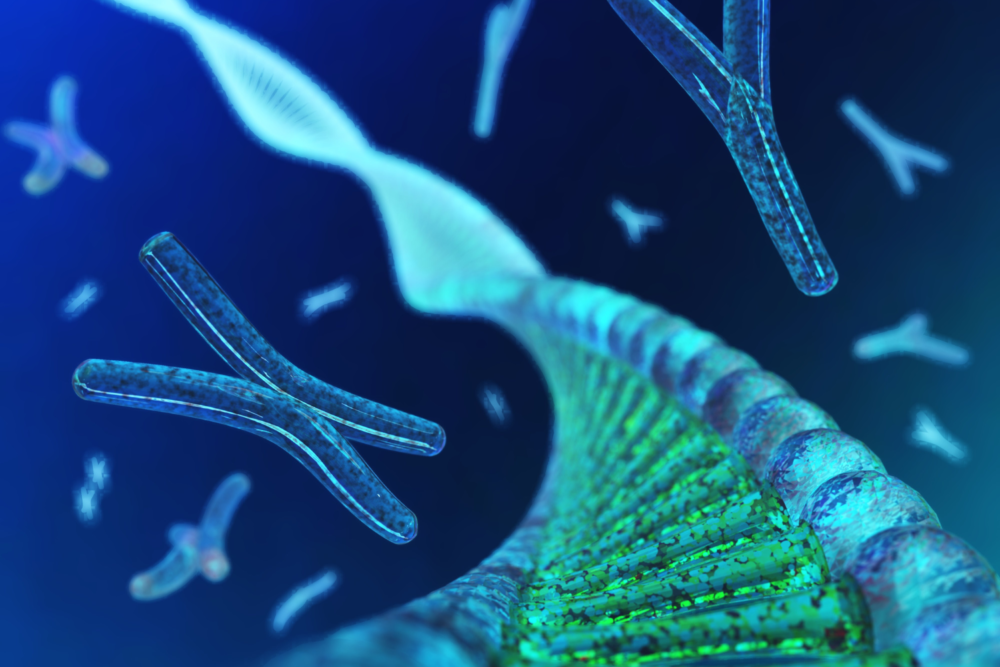
Rather than seeing lifespan as mostly shaped by lifestyle, researchers are paying more attention to biology’s role. Aging now looks like a deeply sex-specific process.
These insights don’t mean longevity is fixed or unchangeable. But they do explain why the gap has proven so stubborn across history. The difference between male and female lifespans appears to be written into life itself.