
Researchers discovered more than 1,000 active nests after a massive Antarctic iceberg broke away from the coast.

When a massive iceberg recently broke away from the Antarctic coast, it revealed something few scientists expected—over 1,000 active nests belonging to Antarctic petrels, a seabird that breeds only in the region’s most remote and icy areas. The discovery was made during a Norwegian Polar Institute expedition to Queen Maud Land, where researchers used drones and satellite imagery to survey the exposed terrain. The finding offers new insight into how wildlife adapts to one of Earth’s harshest environments.
1. A Massive Iceberg Breaks Away in Remote Antarctica
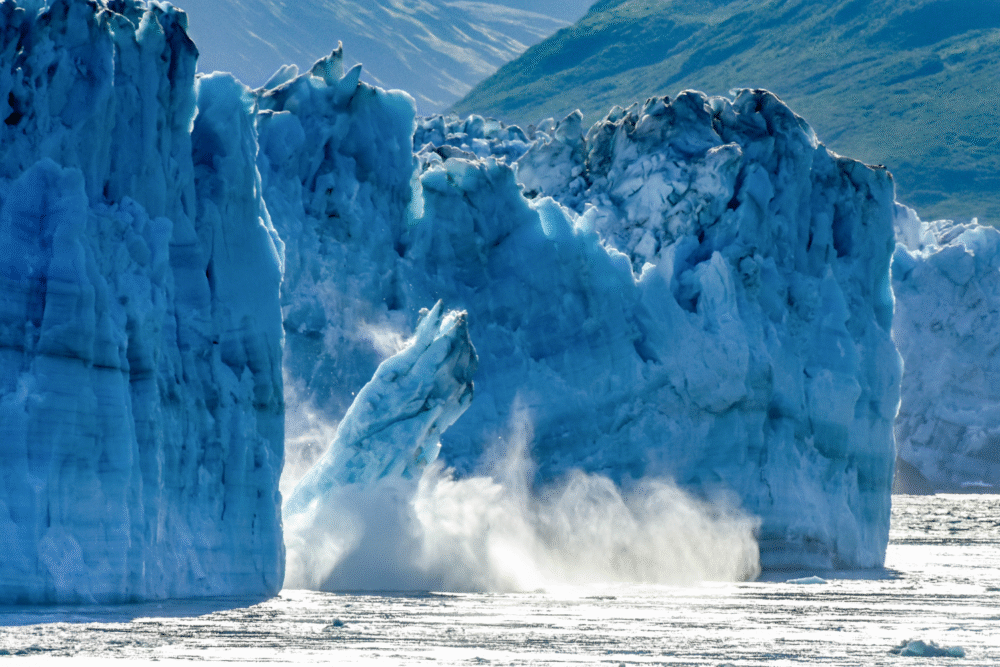
Earlier this year, a vast iceberg detached from the Antarctic coastline near Queen Maud Land, exposing terrain that had been covered by ice for centuries. The break occurred naturally when a large section of the Brunt Ice Shelf separated and drifted into the Southern Ocean.
Scientists from the Norwegian Polar Institute took advantage of this rare event to survey the newly exposed area. What they discovered stunned even veteran polar researchers—a thriving nesting site hidden beneath the ice.
2. Researchers Found More Than 1,000 Seabird Nests
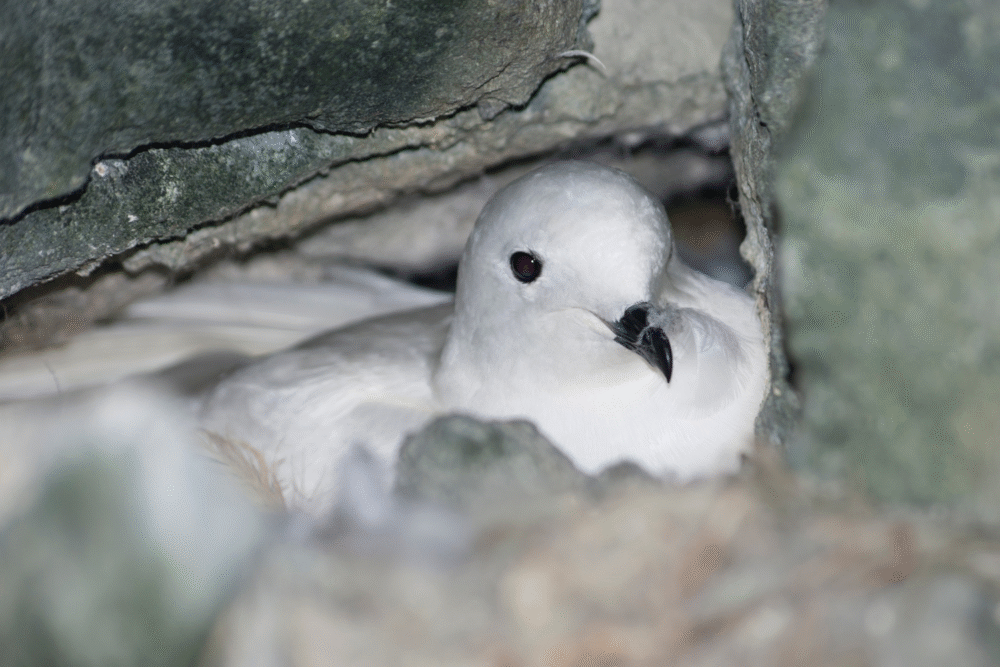
When the research team arrived, they identified over 1,000 active nests belonging to Antarctic petrels, a species that typically nests on isolated cliffs and ice-free ridges. The discovery confirmed that the birds had quickly taken advantage of the newly revealed ground following the iceberg’s separation.
Using drones and high-resolution cameras, scientists documented the site’s layout, revealing a dense concentration of petrel nests unlike anything previously observed in this part of the continent.
3. The Birds Are Antarctic Petrels—Adapted to Extreme Cold

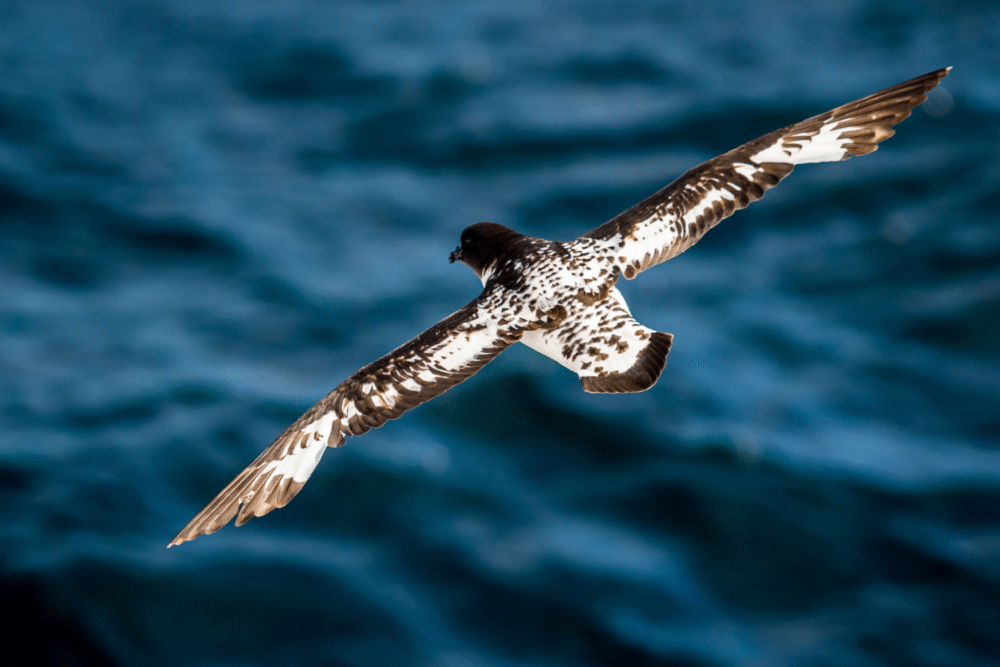
Antarctic petrels (Thalassoica antarctica) are one of the few bird species that breed exclusively in Antarctica. They thrive in subzero temperatures, nesting on rocky outcrops where snow and ice briefly recede each summer.
The newly revealed colony shows how resilient these seabirds can be, finding suitable breeding grounds even in areas recently exposed by glacial retreat. Their presence provides valuable insight into how wildlife responds to rapid environmental change.
4. The Discovery Was Made by a Norwegian Polar Institute Expedition
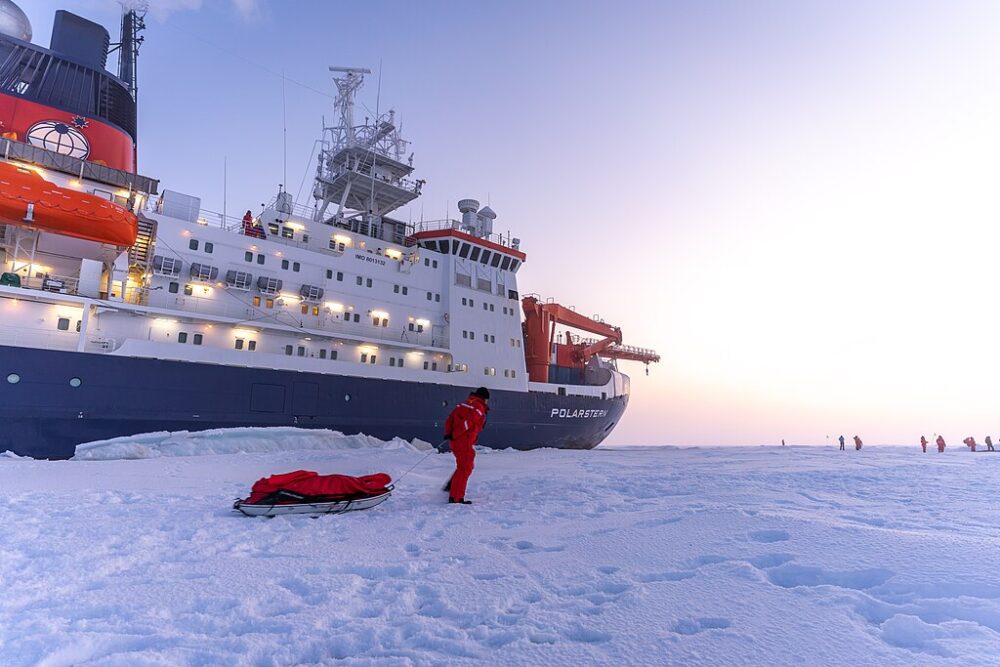
The finding came during a 2023–2024 research expedition led by the Norwegian Polar Institute, which was surveying the effects of ice loss along the coast of Queen Maud Land. Scientists were using aircraft, drones, and satellite data to map ice movement and habitat changes.
The team’s attention was drawn to a newly exposed rocky area at the edge of the former ice shelf, where dark shapes spotted from the air turned out to be thousands of nesting seabirds.
5. Drones and Satellites Revealed the Full Extent of the Colony

Because of the region’s remoteness and harsh weather, researchers relied on drone flights to gather detailed imagery. The aerial views allowed them to count nests accurately and assess the colony’s structure without disturbing the birds.
Satellite data from previous years confirmed that this area had been completely ice-covered until recently. The sudden appearance of nesting birds indicates how quickly ecosystems can establish themselves once new ground is available.
6. The Site Lies Along Queen Maud Land’s Rugged Coastline
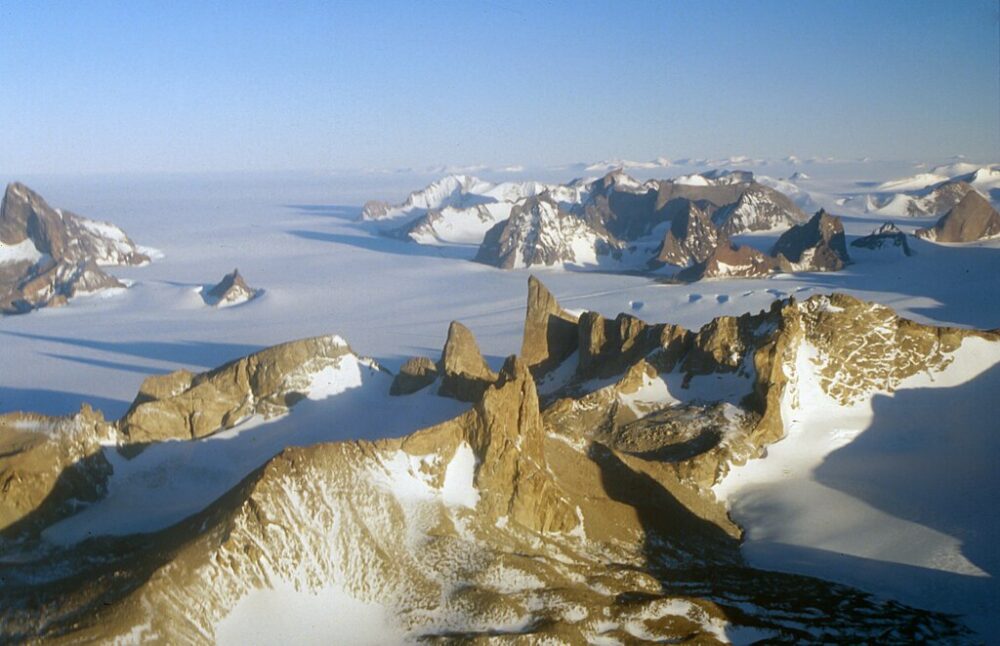
Queen Maud Land is a region of East Antarctica claimed by Norway, known for its high cliffs and massive glaciers. The nesting site lies along an area where the Antarctic Ice Sheet meets the ocean, making it particularly vulnerable to melting and calving events.
This coastline has become a focus for polar scientists tracking how warming oceans affect the stability of ice shelves. The iceberg’s detachment offered a rare glimpse into an ecosystem in transition.
7. Antarctic Petrels Rely on Stable Ice and Open Water
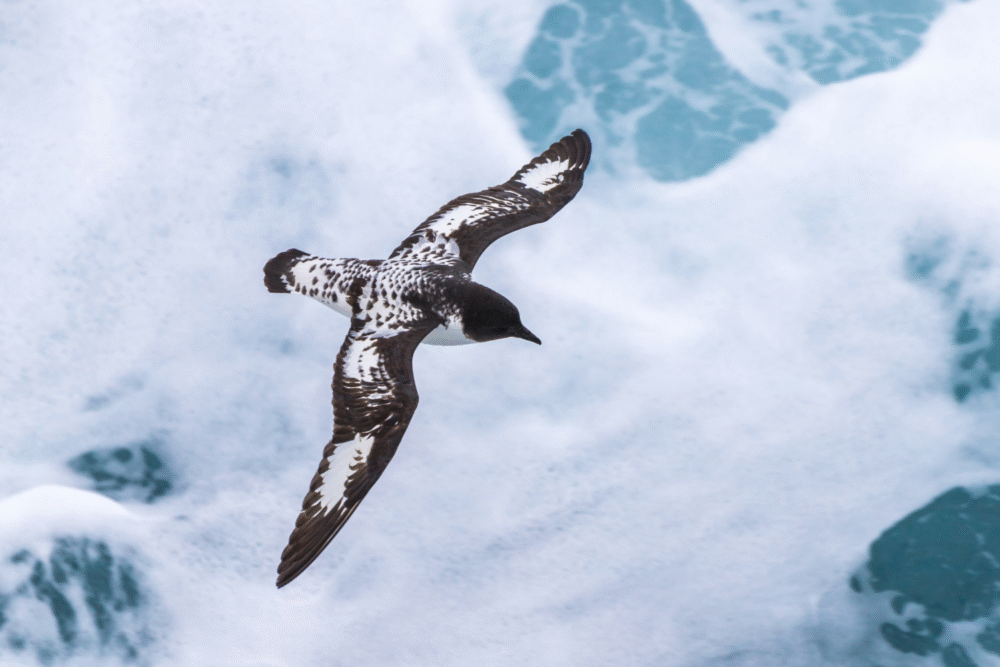
Antarctic petrels feed mainly on krill and small fish, diving into open water leads between sea ice. They nest far from predators, typically choosing snow-free rocky slopes near the coast.
The discovery of such a large colony near a recently detached iceberg suggests that the birds can adapt to changing ice conditions, provided they still have access to both nesting sites and nearby feeding grounds.
8. The Iceberg’s Breakoff Was Part of a Natural Cycle
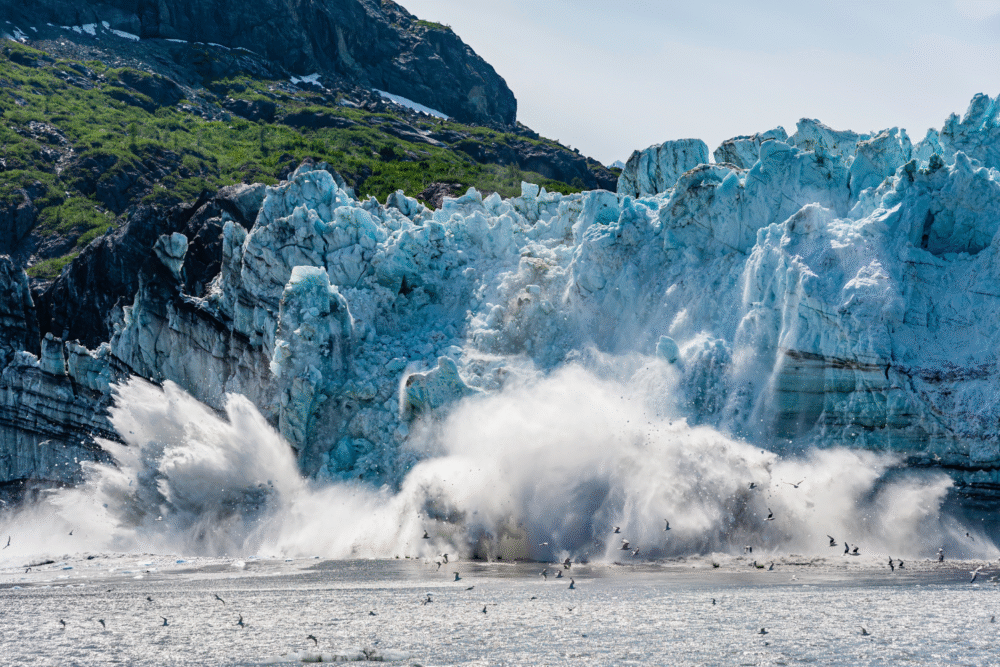
Although the discovery highlights environmental change, scientists caution that this specific iceberg detachment appears to have been part of a natural calving cycle, not directly linked to global warming. Ice shelves periodically break apart as stress builds over time.
Still, climate change is increasing the frequency and scale of these events across Antarctica. Researchers are closely monitoring how new breakoffs and melt patterns may affect both local wildlife and global sea-level rise.
9. The Discovery Offers a Rare Ecological Snapshot
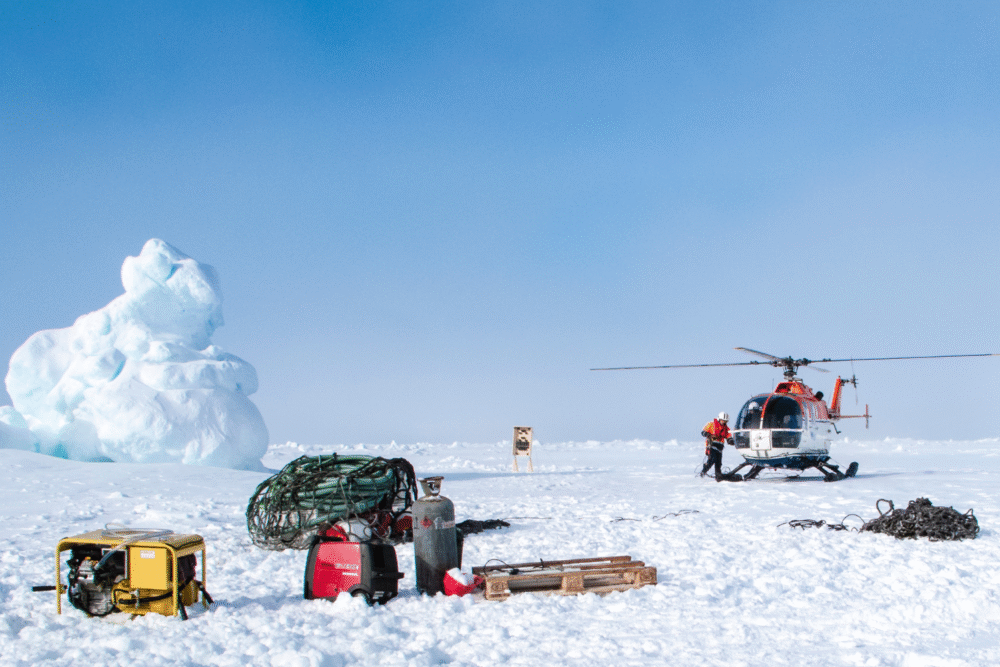
Because so much of Antarctica remains covered by ice, opportunities to study newly exposed ecosystems are rare. The petrel nests provide scientists with a unique view of how life quickly establishes itself in freshly uncovered terrain.
Studying these colonies can help researchers predict how Antarctic species might respond to future ice loss—whether through adaptation, migration, or decline as habitats shift.
10. The Colony’s Success Shows Nature’s Resilience
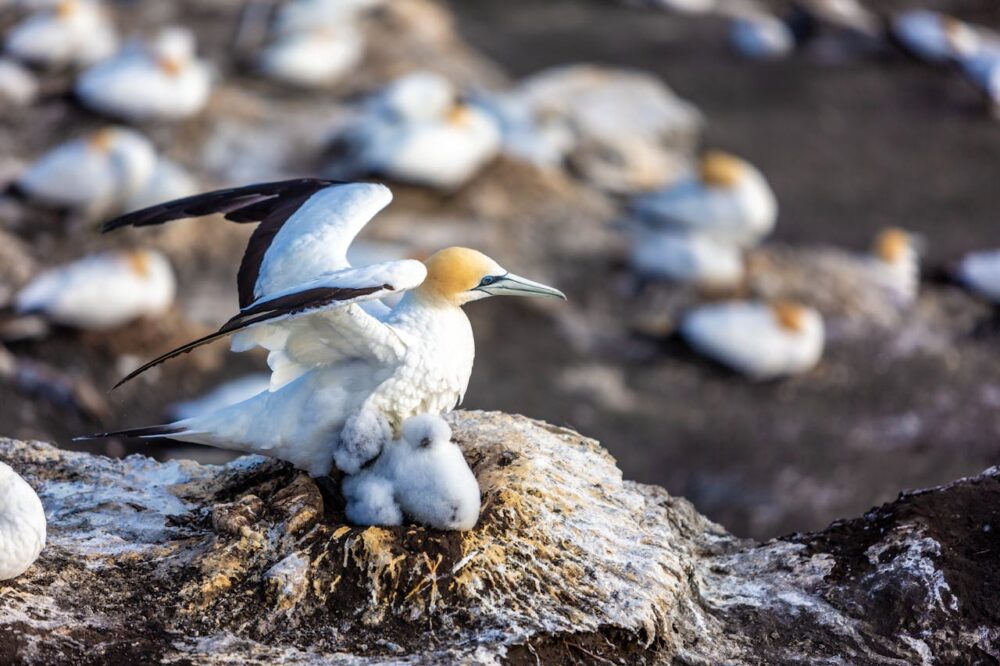
Despite Antarctica’s extreme conditions, the petrels’ rapid colonization of the exposed ground demonstrates nature’s capacity for recovery and adaptation. These seabirds have found a way to thrive amid dramatic landscape changes.
However, researchers warn that resilience has limits. Continued ice loss or shifts in prey availability due to warming oceans could eventually threaten even hardy species like the Antarctic petrel.
11. Scientists Say the Find Highlights the Urgency of Ongoing Monitoring
The discovery underscores why long-term scientific monitoring in Antarctica remains vital. Iceberg calving events not only reshape coastlines but also reveal hidden ecosystems that could disappear as quickly as they appear.
By tracking these newly uncovered habitats, researchers can better understand how global warming interacts with natural ice dynamics—and how life in the coldest parts of the planet continues to adapt in real time.