
New research reveals that rapid Arctic warming may stretch Europe’s warm season deep into spring and autumn.

New research suggests that summers across Europe could lengthen by as much as 42 extra days by the end of the century if warming continues at its current pace. Scientists analyzed ancient lake sediments and modern climate patterns to understand how seasonal boundaries shift during warm periods. The findings show that rapid Arctic warming is a major driver of longer European summers, with heat arriving earlier in spring and lingering well into autumn. While this estimate applies specifically to Europe, similar trends of extended warm seasons are emerging worldwide.
1. Scientists Found Evidence of Longer Summers in Ancient European Climate Records

Researchers studied lake sediments that preserve seasonal clues from thousands of years ago, including markers that distinguish warm and cold periods. These natural records revealed that during earlier warm intervals in Europe’s past, summers were noticeably longer than today.
The same climate mechanisms are reappearing now, driven by rapid human-caused warming. By comparing ancient patterns to modern observations, scientists concluded that Europe may be entering a similar period in which summer conditions dominate more of the year.
2. Europe’s Warming Trend Is Driven by a Rapidly Heating Arctic
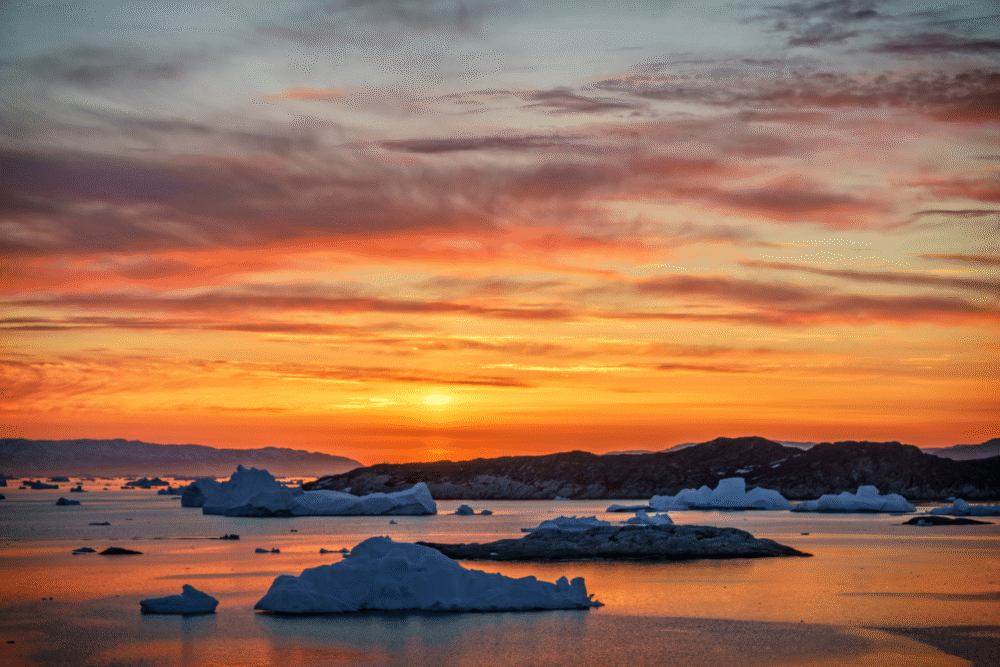
The Arctic is warming much faster than the global average, and that imbalance affects weather patterns far to the south. As the temperature gap between the Arctic and the equator shrinks, atmospheric currents weaken, allowing warm summer patterns to persist longer over Europe.
This weakened gradient plays a key role in lengthening seasonal boundaries. When summer air masses linger, they delay the onset of cooler autumn conditions and start warming earlier in spring, effectively stretching summer in both directions.
3. Climate Models Show Europe Could Gain 42 Extra Summer Days by 2100
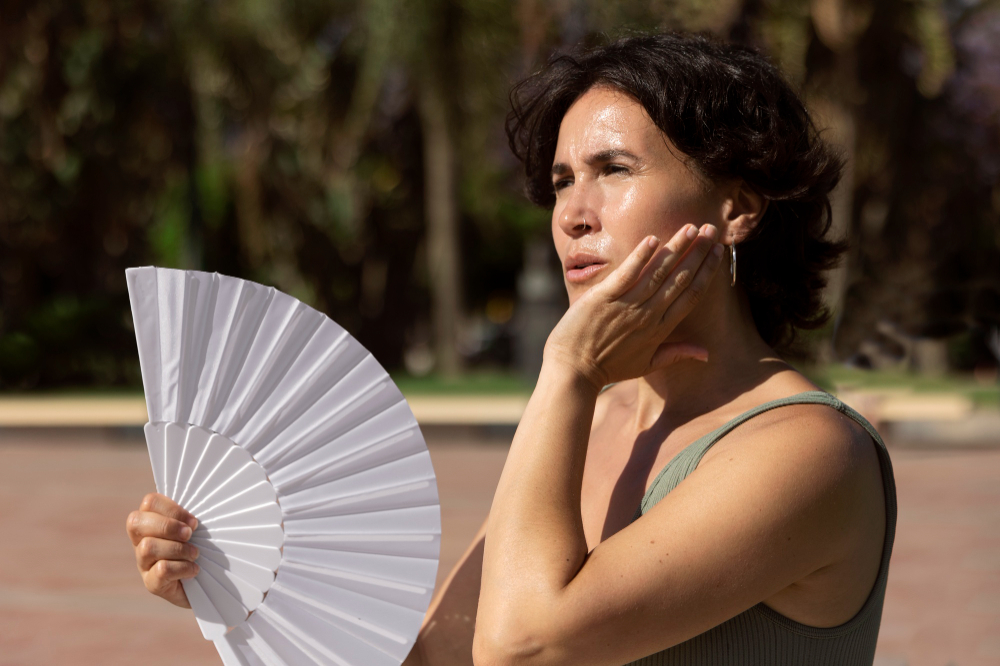
Based on current warming trends, climate simulations suggest Europe’s summer could expand by up to six weeks by the end of the century. The 42-day estimate represents a high-emissions scenario in which temperatures continue rising and Arctic warming remains intense.
While exact outcomes depend on future carbon emissions, researchers agree that Europe is already on a path toward noticeably longer warm seasons. Even moderate warming would lengthen summer, though not to the full extent projected under high-emissions conditions.
4. Heat Waves Are Expected to Intensify as Summers Grow Longer
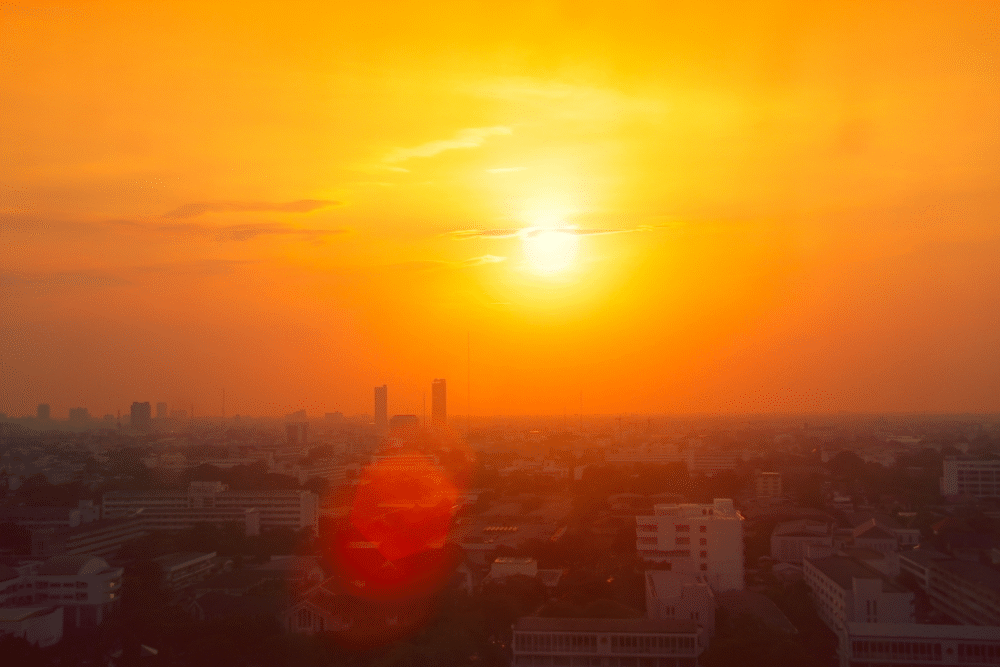
As Europe’s summer season expands, heat waves are likely to become more frequent, longer-lasting, and more intense. Recent years have already shown this trend, with widespread heat across southern and central Europe causing record temperatures and severe stress on infrastructure.
Longer summers increase the window for extreme heat events to occur. Combined with higher baseline temperatures, this means dangerous conditions could become more common in regions previously unaccustomed to prolonged heat.
5. European Agriculture Faces Significant Risks From Extended Summer Heat
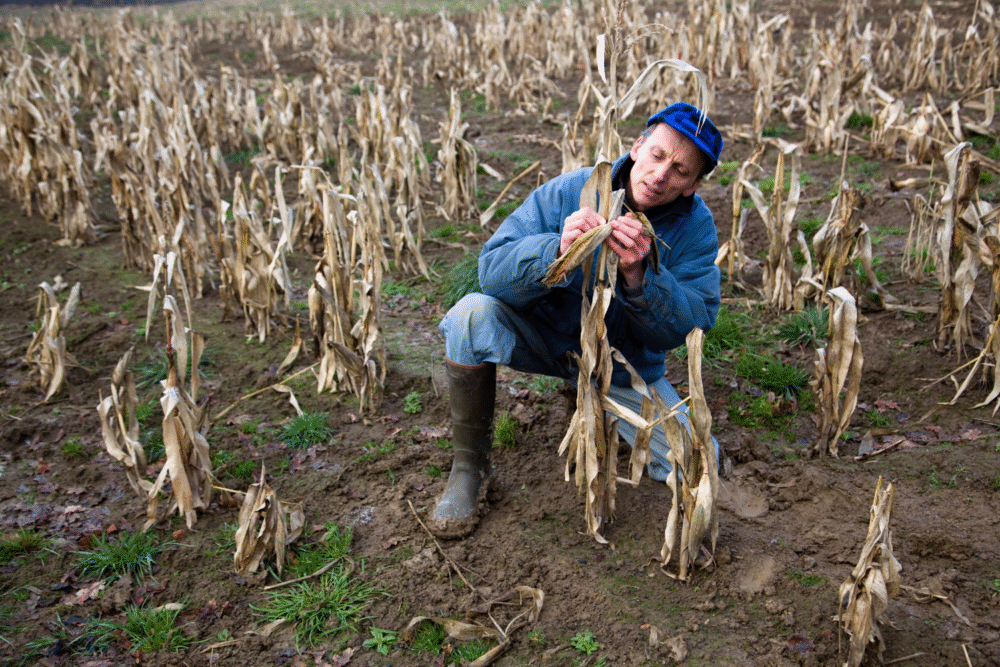
Crops that rely on specific seasonal timing may struggle as summers stretch deeper into the year. Excessive heat can damage plant development, reduce yields, and increase water demand. Farmers may need to adjust planting schedules or adopt more heat-resilient crops to adapt.
Extended warmth could also expand pest populations and shift growing seasons. These changes may challenge traditional farming practices across Europe, especially in regions already vulnerable to drought or high temperatures.
6. Ecosystems Could Be Disrupted by Shifting Seasonal Cycles

Plants and animals depend on the timing of seasonal cues for migration, reproduction, and growth. A longer, hotter summer could disrupt these natural rhythms. Some species may shift their habitats northward or to higher elevations in search of cooler conditions.
Other species may struggle to adapt quickly enough, potentially reducing biodiversity in sensitive environments. Forests, wetlands, and alpine regions could face significant ecological stress as seasonal boundaries change.
7. Europe’s Wildfire Season May Expand With Prolonged Heat
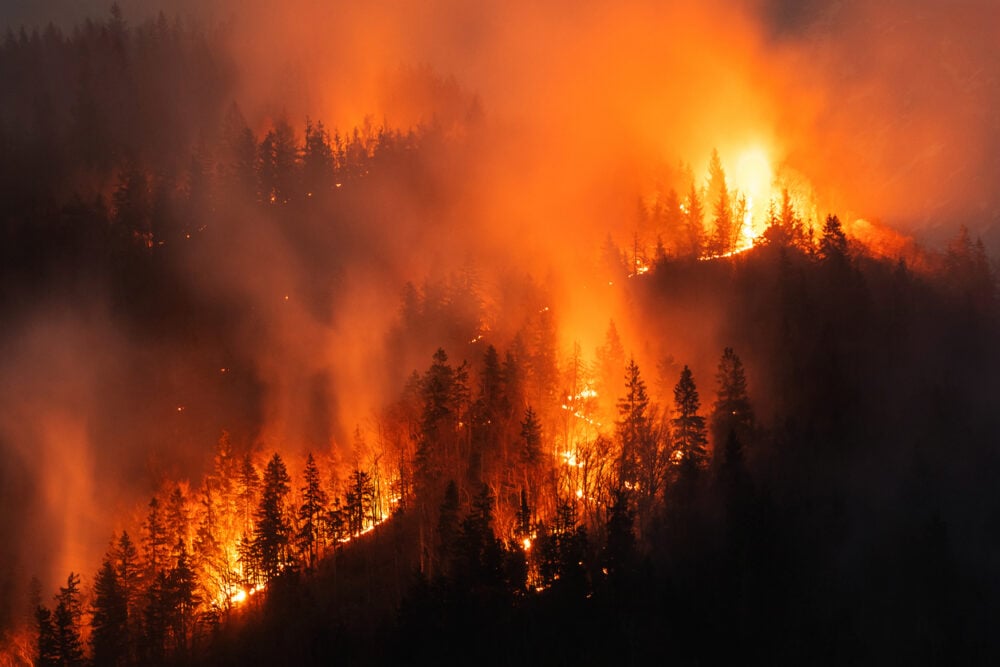
Longer, drier summers raise the likelihood of wildfires in regions prone to drought. Extended periods of heat can dry out vegetation, creating more fuel for potential fires. As summer stretches, the risk window for fire activity increases.
Countries around the Mediterranean and parts of central Europe have already seen rising wildfire activity in recent years. A longer summer could magnify these risks, requiring improved preparedness and fire-management strategies.
8. Water Resources May Be Pressured as Summers Extend

Longer summers mean extended periods of evaporation and potentially reduced snowpack in mountain regions that feed Europe’s rivers. This could affect water availability for agriculture, drinking supplies, and hydropower.
Regions already facing water shortages may experience heightened stress during prolonged summer heat. Careful water management will become increasingly important as seasonal changes affect both supply and demand.
9. Public Health Risks Increase as Heat Persists Longer

Extended summer conditions raise concerns about heat-related illnesses. Vulnerable individuals such as older adults, children, and those with chronic health conditions may face higher risks during long periods of elevated temperatures.
Health systems may need to expand heat-preparedness plans, including cooling centers, public communication strategies, and stronger support for at-risk populations. Longer summers also increase nighttime heat, reducing relief during critical recovery hours.
10. Some Regions Could Experience Limited Benefits — With Important Trade-Offs
Longer summers may extend tourism seasons or allow northern regions to grow a wider range of crops. Some countries may see reduced heating costs during shorter winters.
However, these potential benefits come with significant drawbacks, including greater heat extremes, ecological disruptions, and increased pressure on water and energy resources. Any benefits are likely to be outweighed by the broader impacts of a hotter climate.
11. Europe’s Seasonal Shift Highlights the Importance of Climate Action

The projected lengthening of summer is directly tied to global warming trends. Reducing greenhouse gas emissions could limit how dramatically seasons change and slow the rate of warming driving these shifts.
Scientists emphasize that Europe still has time to mitigate the most extreme outcomes. Preparing for longer summers while pursuing emission reductions will be crucial for protecting communities, ecosystems, and economies across the continent.