
Climate reconstructions suggest repeated droughts slowly reshaped one of the world’s earliest urban societies.
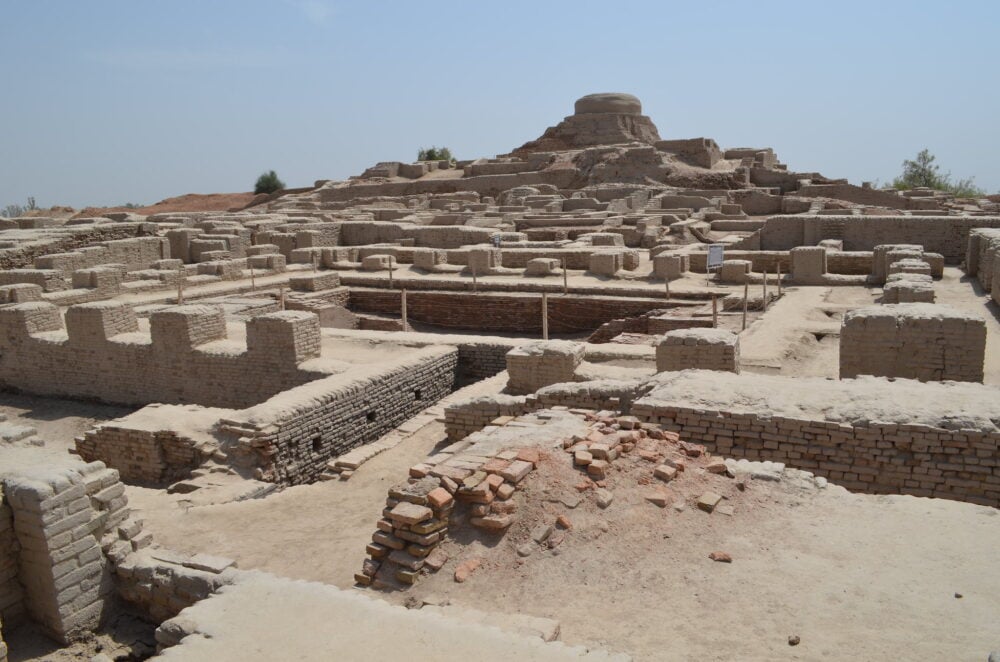
Around 5,000 years ago, the Indus Valley Civilization emerged as one of the world’s first advanced societies, spreading across what is now Pakistan and northwest India. Its cities featured planned streets, advanced drainage systems, and wide-ranging trade that rivaled ancient Egypt and Mesopotamia.
By about 3,900 years ago, however, the civilization began a long transformation that reduced its major cities and dispersed its population.
New scientific research suggests this change was driven not by sudden collapse, but by centuries of recurring drought that steadily strained water supplies, agriculture, and urban life.
1. One of the world’s earliest urban civilizations
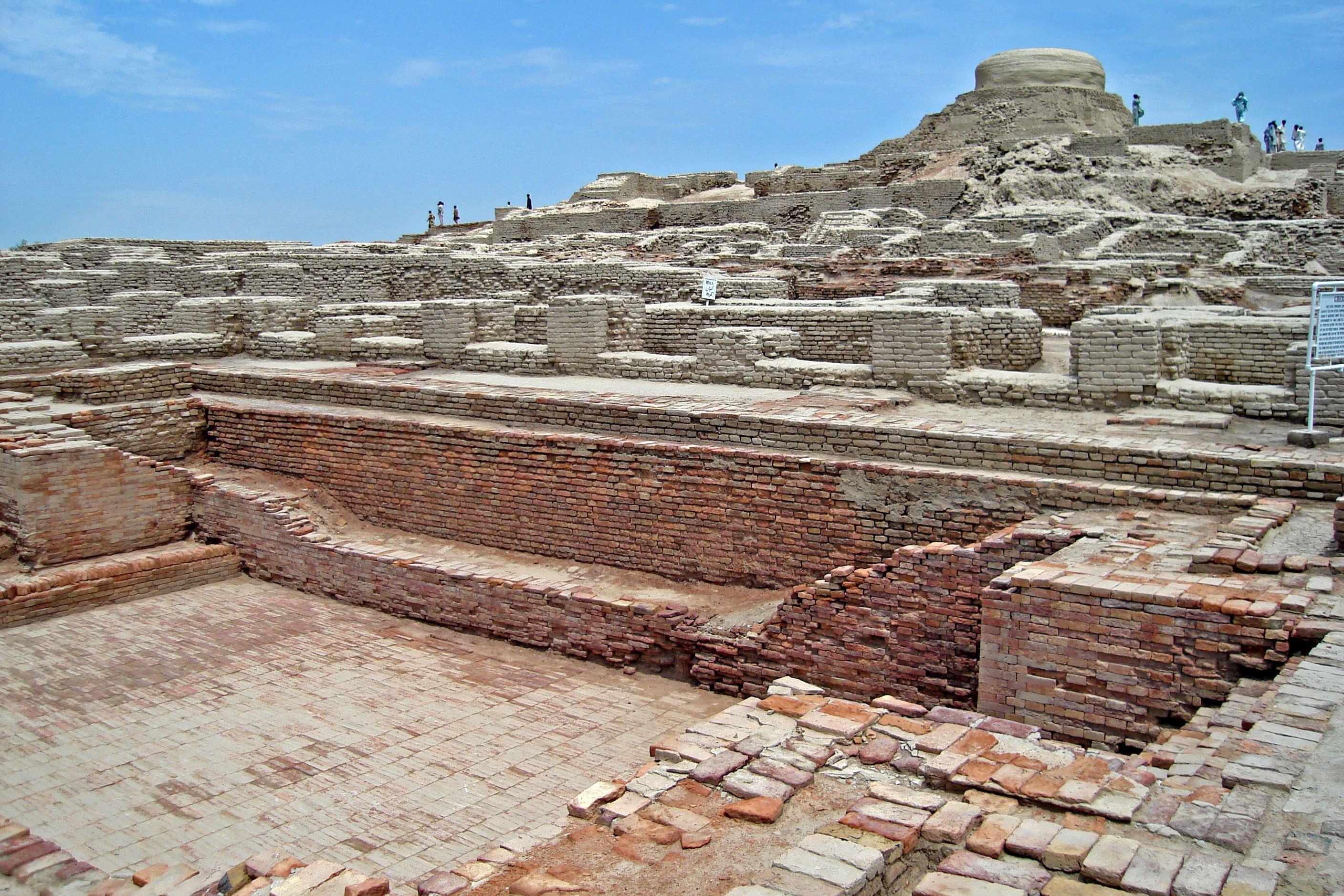
The Indus Valley Civilization was a Bronze Age society that thrived between roughly 5,000 and 3,500 years ago along the Indus River and its tributaries. Its cities were known for grid layouts, standardized construction, and sophisticated water management.
At its height, the civilization covered thousands of square miles and supported large populations. Despite its complexity, its written language remains undeciphered, leaving its decline a long-standing mystery. Scientists now believe environmental stress played a major role in reshaping this society.
2. Scientists reconstructed ancient climate conditions
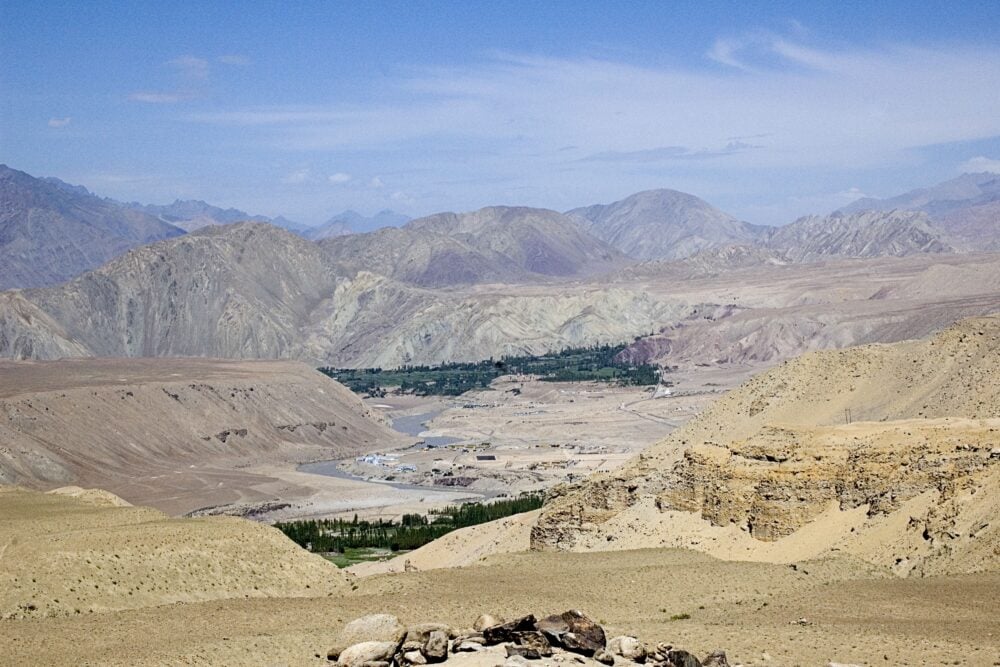
Researchers combined geological and environmental evidence to understand past climate patterns. This included cave formations, lake records, and sediment analysis that reflect long-term rainfall and temperature changes.
These records were paired with climate and hydrological models to estimate how water availability changed over centuries. The results show repeated periods of reduced rainfall across the region, pointing to sustained drought rather than short-term dry spells.
3. Prolonged droughts became a defining feature
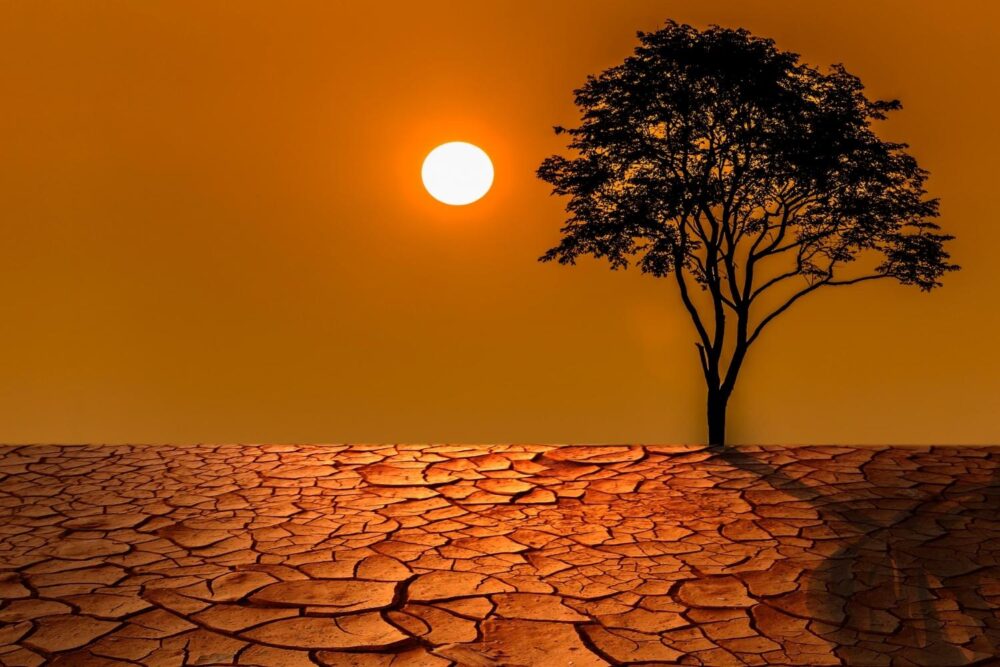
The research identified several extended droughts, some lasting more than 80 years. During these periods, monsoon rainfall weakened significantly, reducing overall water availability.
Even modest drops in rainfall would have had serious consequences over decades. Agriculture, which relied on predictable flooding and seasonal rains, would have become increasingly unreliable, putting steady pressure on food production.
4. Water scarcity altered where people lived
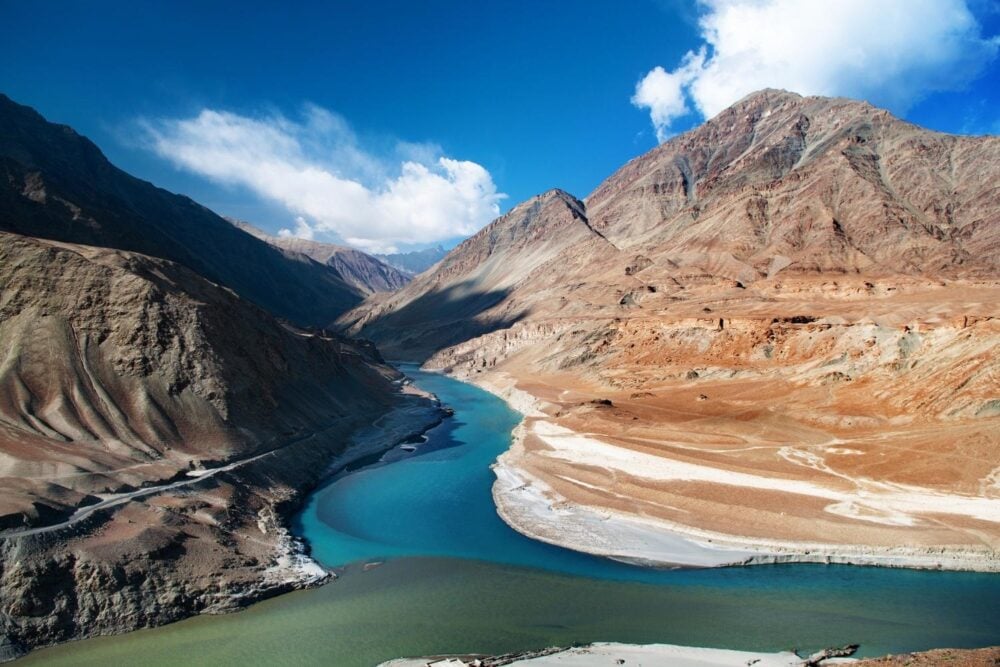
As water sources became less dependable, communities began adjusting their settlement patterns. Early on, towns were spread widely across the region.
Over time, people clustered closer to more reliable rivers and waterways. This shift suggests adaptation rather than abandonment, as populations moved to areas better suited to changing environmental conditions.
5. Cities gradually declined instead of collapsing
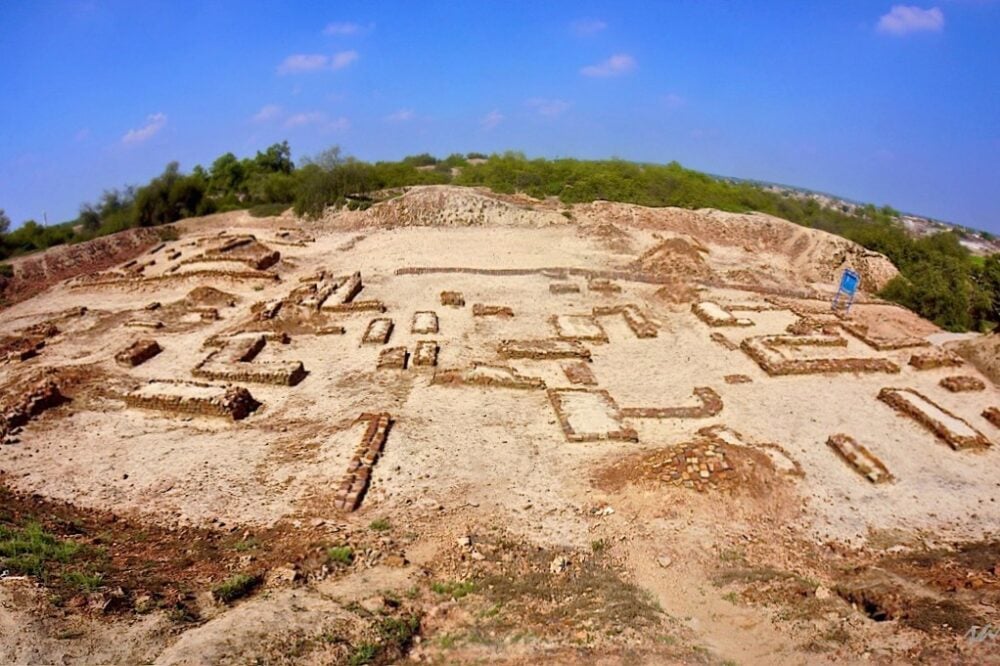
Archaeological evidence shows no signs of sudden destruction or mass catastrophe. Instead, major cities slowly lost population over centuries.
Large urban centers gave way to smaller towns and villages. This process, known as deurbanization, reflects a long transition rather than a dramatic end to the civilization.
6. Water management systems came under strain
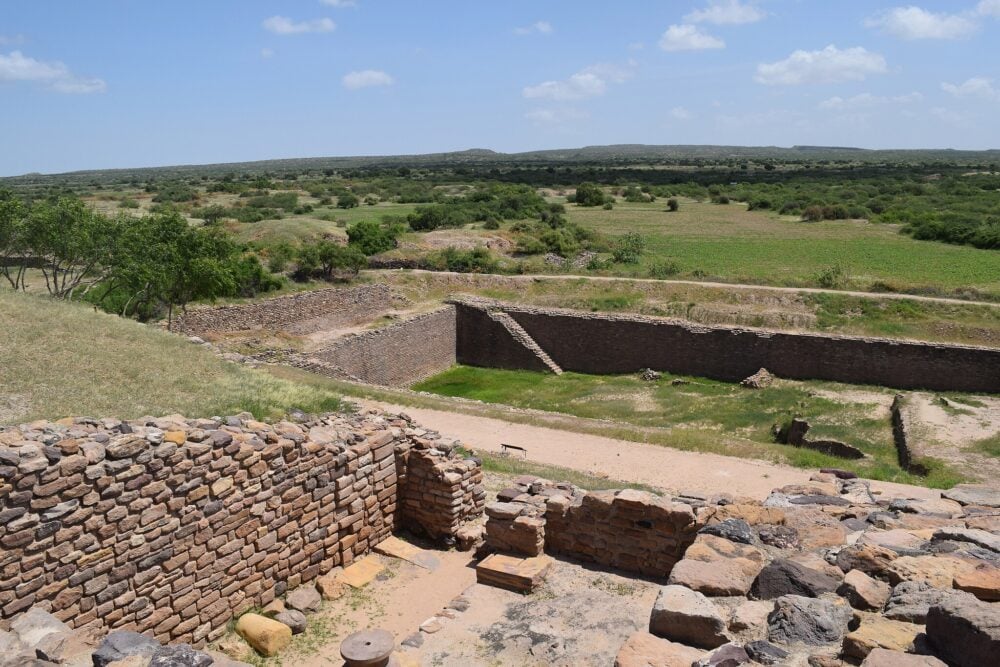
The Indus Valley Civilization relied on wells, reservoirs, and drainage networks to support dense urban populations. These systems worked well under stable conditions.
As droughts became more frequent and severe, maintaining these systems grew more difficult. Reduced water flow undermined the infrastructure that had once made large cities possible.
7. Agriculture and trade were disrupted

Water stress likely reduced crop yields and limited surplus production. Farmers may have shifted crops or farming locations to cope with changing conditions.
Trade networks, which depended on surplus goods and stable settlements, may have weakened unevenly across the region. Economic stress would have added to pressures already facing urban centers.
8. Archaeology shows gradual cultural change
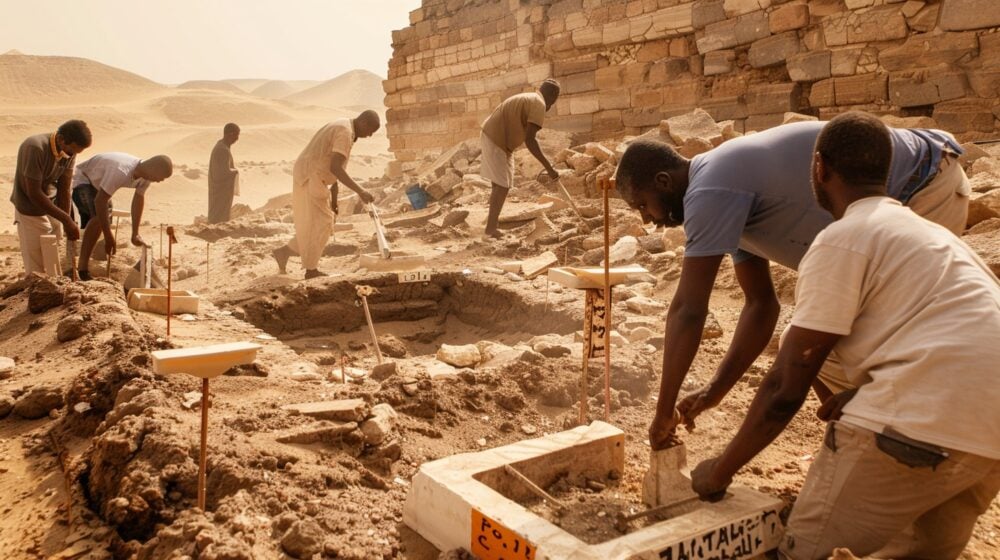
Artifacts and settlement layouts reveal slow changes in daily life rather than abrupt breaks. Urban planning became less standardized, and regional variation increased.
This evidence supports the idea that people adapted culturally and socially as conditions changed. The civilization evolved rather than abruptly disappearing.
9. Climate interacted with human decision-making

Researchers emphasize that drought alone did not determine outcomes. Human choices about where to live, what to farm, and how to organize society mattered greatly.
Different regions responded in different ways, depending on local conditions and resources. This interaction between environment and human agency shaped the civilization’s long transition.
10. The findings challenge collapse narratives
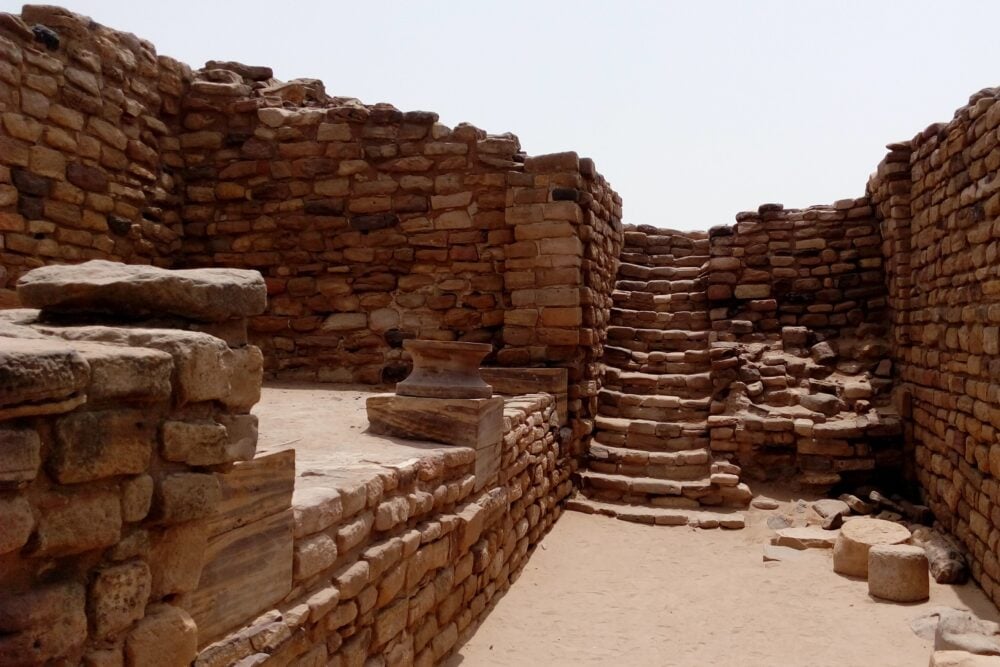
The research suggests ancient civilizations often changed gradually under environmental stress. Long-term climate pressure can slowly weaken even advanced urban systems.
This challenges popular ideas of sudden collapse and highlights the importance of persistence and adaptation in human history.
11. The story offers lessons for today
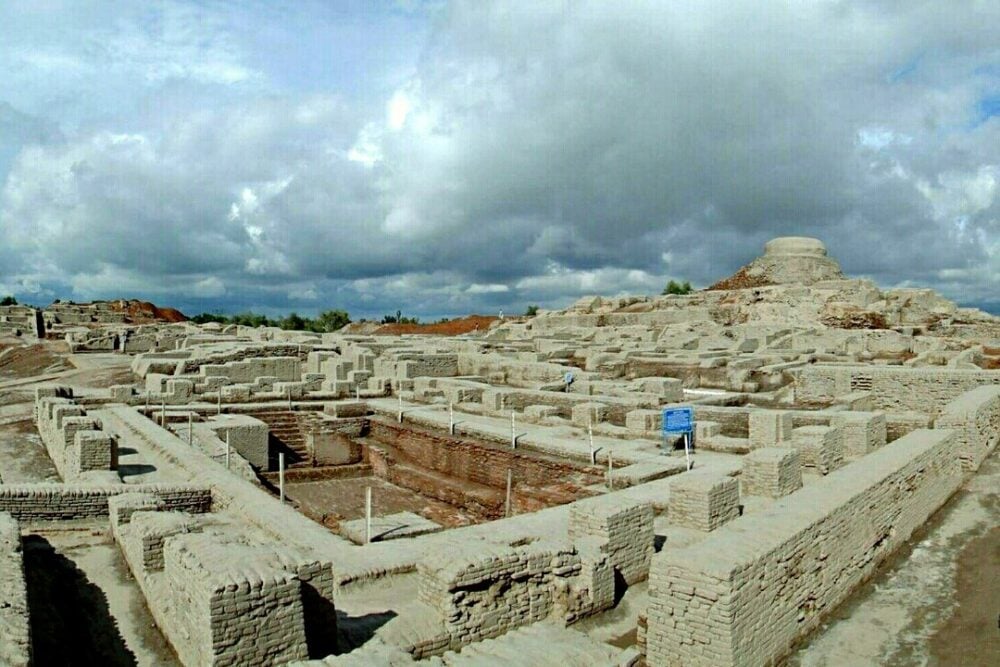
Modern societies also depend heavily on stable water supplies. The Indus Valley experience shows how prolonged drought can reshape settlement, economy, and infrastructure over time.
Studying ancient responses to climate stress may help inform how present-day societies prepare for similar challenges.
12. A civilization transformed, not erased
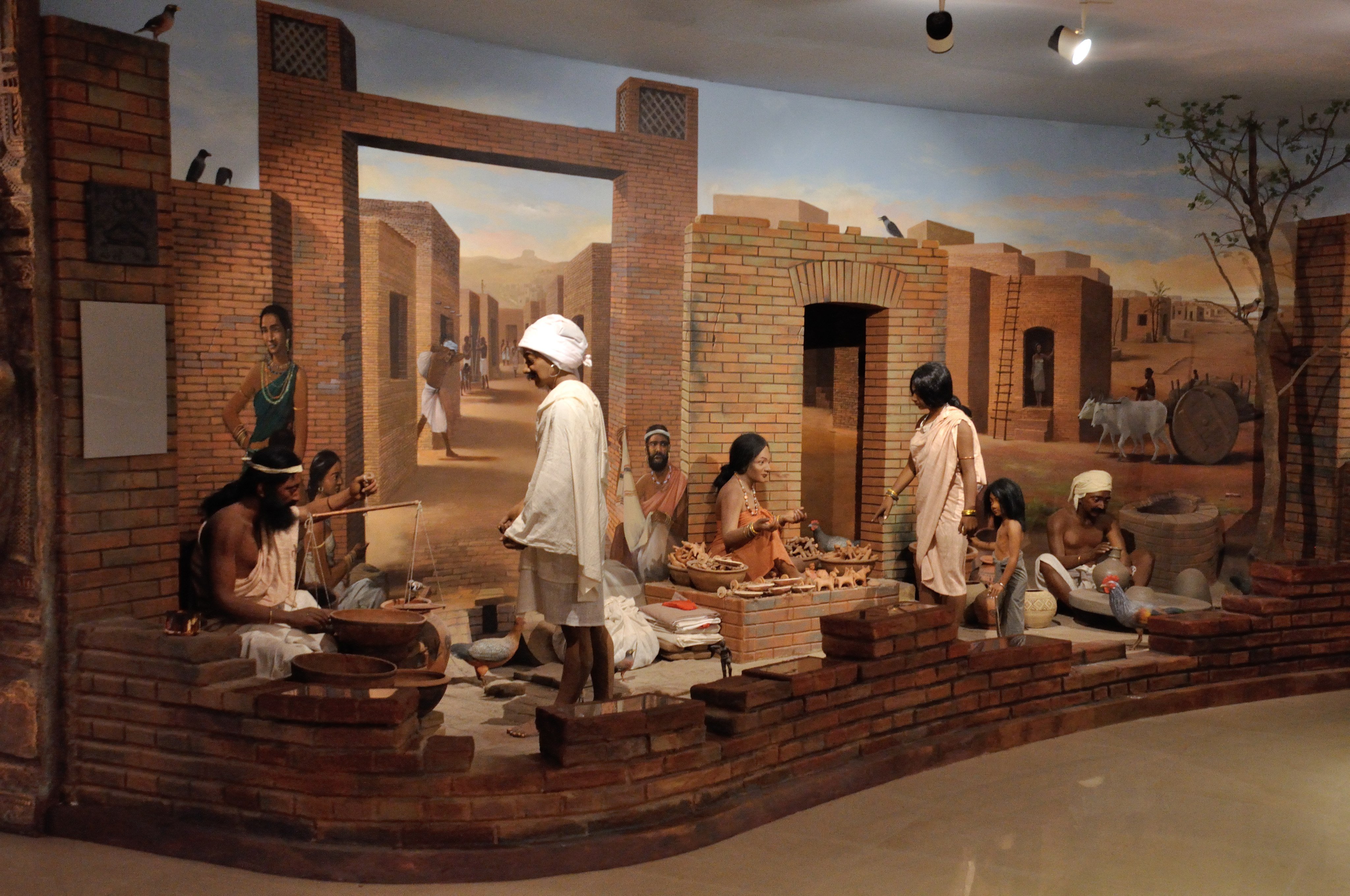
The Indus Valley Civilization did not vanish overnight. Its people dispersed, adapted, and carried cultural traditions into new forms of settlement.
Rather than a sudden disappearance, the evidence points to a long process of change driven by environmental pressure. It remains one of history’s clearest examples of how climate can quietly reshape civilization over centuries.