
Researchers have used stem cells to regenerate the tiny hair cells inside the inner ear, offering new hope for reversing hearing loss.
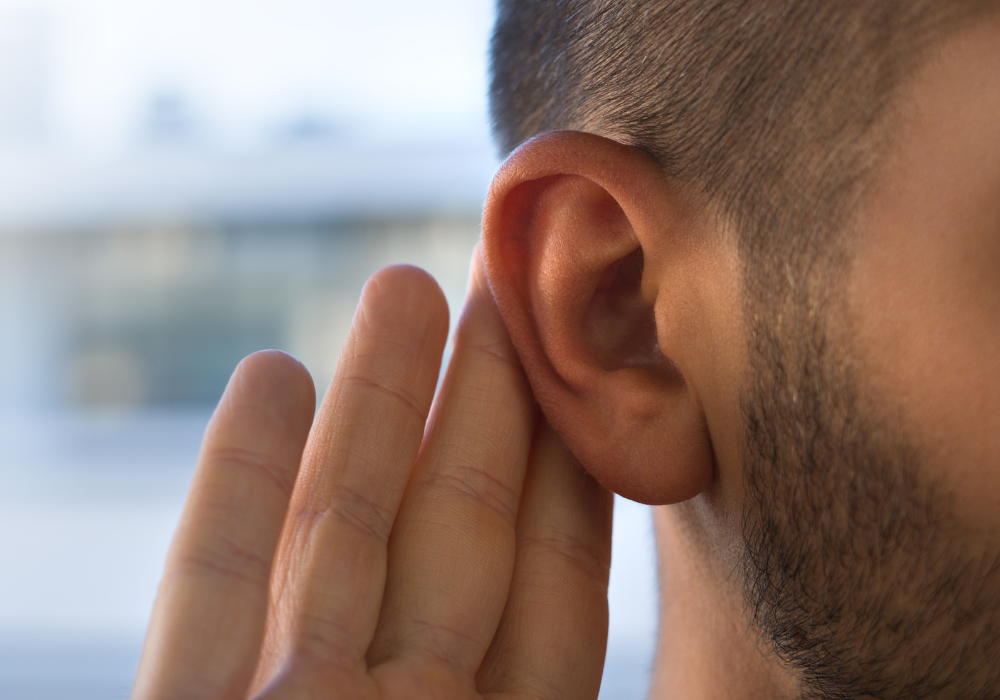
In a breakthrough that could change how hearing loss is treated, scientists have successfully used stem cells to regrow the delicate hair cells that enable the inner ear to detect sound. These sensory cells, once destroyed by age, noise, or illness, cannot naturally repair themselves—but new lab-grown versions are showing promise in restoring hearing function. Early trials in animals have already produced encouraging results, and researchers say human clinical testing could begin within the next few years.
1. Scientists Have Regrown the Ear’s Missing Hair Cells

The key to restoring hearing lies in the inner ear’s tiny sensory cells, called hair cells. These delicate structures convert sound vibrations into electrical signals for the brain—but once damaged, they don’t naturally regenerate.
Using stem cells, scientists have now grown new hair cells in the lab that behave like the originals. These cells can detect sound frequencies and may one day be transplanted into the ear to replace those lost to age, loud noise, or infection.
2. Stem Cells Can Transform Into Any Type of Tissue
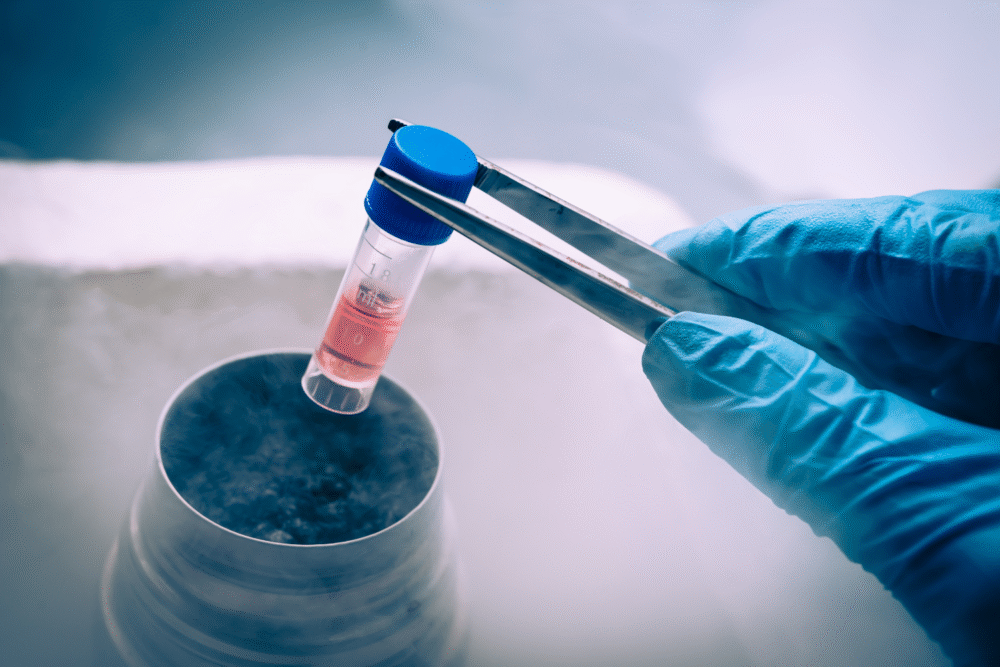
Stem cells are special because they can develop into almost any kind of cell in the human body, including the specialized hair cells found in the cochlea. Researchers use chemical cues to guide stem cells into forming these sound-detecting structures.
This ability opens the door to treating not only hearing loss but also other conditions caused by damaged sensory or nerve cells. Scientists say understanding how to control stem cell differentiation is the key to future regenerative therapies.
3. Breakthroughs Came from Decades of Hearing Research

The success of this approach is built on years of study into how the inner ear develops. Scientists discovered the genetic “switches” that tell certain stem cells to become auditory hair cells during embryonic growth.
By reactivating those same genes in adult stem cells, researchers can now trigger the creation of new hearing cells in a lab setting. This discovery represents one of the most significant steps toward repairing human hearing at its source.
4. Early Experiments Have Restored Hearing in Animals

In laboratory tests, mice with damaged hearing regained partial sound detection after receiving stem cell-derived hair cells. These cells integrated into the cochlea and began transmitting electrical signals once again.
While animal results don’t guarantee success in humans, they demonstrate that regeneration is biologically possible. Researchers say the next phase will be refining how to safely transplant and activate these cells inside the much larger and more complex human ear.
5. The Therapy Targets the Root Cause of Hearing Loss
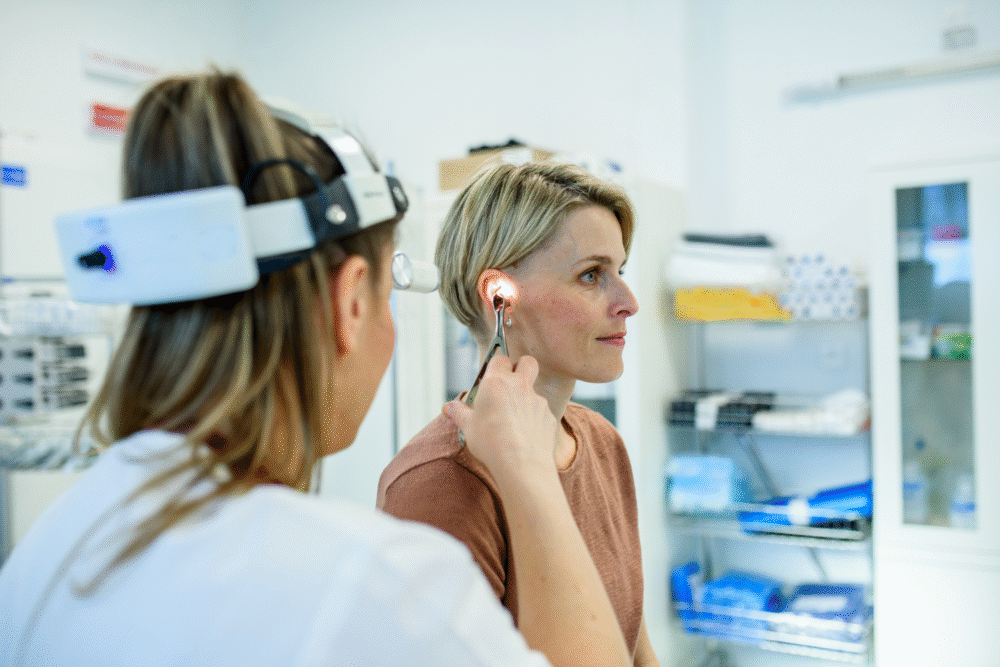
Unlike hearing aids or cochlear implants, which amplify or simulate sound, stem cell therapy aims to repair the underlying damage. By restoring the body’s natural ability to hear, this approach could provide a permanent solution.
If successful, it would represent the first true biological cure for sensorineural hearing loss—the most common form of deafness caused by hair cell death from aging, noise exposure, or certain medications.
6. Human Trials Could Begin Within the Next Few Years
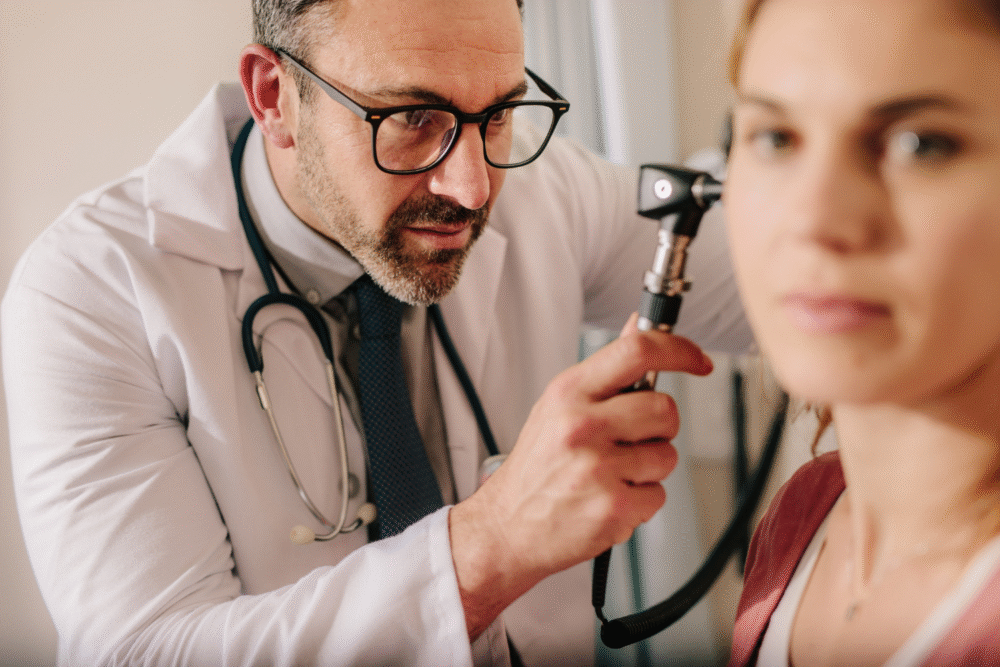
Some biotech companies, including Frequency Therapeutics and Rinri Therapeutics, are already preparing clinical trials to test stem cell-based hearing treatments in humans. Early studies will focus on safety and functional improvement in volunteers with partial hearing loss.
If proven effective, these therapies could transform hearing medicine in the coming decade. Scientists caution that large-scale trials and regulatory approval will still take time, but the momentum is stronger than ever.
7. The Challenge Lies in Getting New Cells to Connect Properly
Creating new hair cells is only part of the challenge—the regenerated cells must also connect correctly to the auditory nerve. Without these neural connections, the brain can’t interpret sound accurately.
Researchers are experimenting with growth factors and signaling molecules to help new cells “wire” themselves into the cochlear network. These breakthroughs could also improve future treatments for nerve damage-related hearing disorders.
8. The Discovery Could Help Millions Worldwide

According to the World Health Organization, more than 430 million people worldwide suffer from disabling hearing loss. The majority have no access to effective treatments beyond amplification devices.
Stem cell therapy could dramatically change that reality. By regrowing lost hair cells, it could restore hearing for millions who rely on lip-reading or sign language, improving communication, education, and quality of life across generations.
9. Age-Related Hearing Loss Could Eventually Be Reversible

Hearing naturally declines with age as hair cells deteriorate from wear and tear. Unlike other tissues, the cochlea can’t replace them once they die. This is why many older adults experience gradual hearing loss.
Stem cell-based regeneration could one day reverse this process by replenishing these critical sensory cells. Scientists envision a future where aging no longer means inevitable hearing decline, and regenerative medicine becomes a standard part of elder care.
10. Researchers Are Also Studying Gene-Cell Combinations

Some teams are exploring hybrid approaches that combine stem cells with gene therapy. By reprogramming existing cochlear cells, they may coax the ear to regenerate hair cells naturally from within.
This dual strategy could reduce the need for invasive transplants. If successful, patients might one day receive a simple injection that activates dormant repair mechanisms already present in their inner ears.
11. The Same Approach Could Restore Balance Function

The ear’s balance system relies on hair cells similar to those used for hearing. Damage to these cells can cause chronic dizziness and vertigo, which have few effective treatments today.
Because the underlying biology is nearly identical, stem cell therapies developed for hearing loss may also help patients with balance disorders. Restoring these sensory cells could stabilize movement and reduce fall risk in older adults.
12. A New Era of Regenerative Hearing Medicine Is Emerging

For decades, hearing loss was considered irreversible—but stem cell science is changing that narrative. Researchers now believe the ear can be repaired with precision at the cellular level.
While a fully approved stem cell cure is still years away, the progress marks a historic shift in medical science. The ability to regrow hearing cells may soon move from laboratory theory to life-changing reality, redefining what’s possible for millions living in silence.