
The fossil’s strange mix of features is forcing researchers to rethink early human evolution.
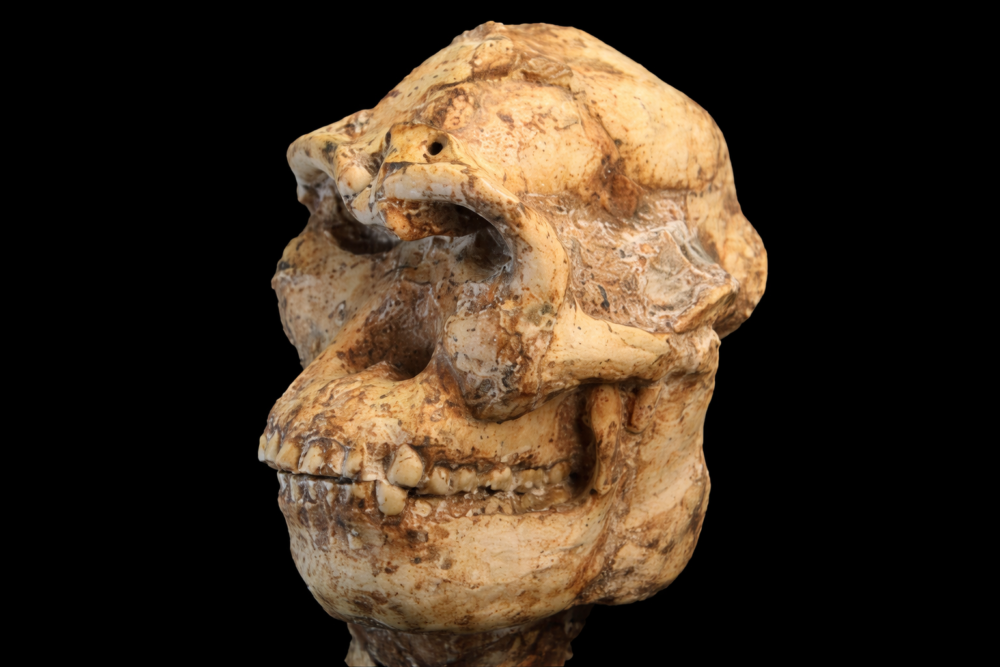
So you just saw a headline about a 3 million year old skull that does not fit the family tree, and now you are wondering what Australopithecus prometheus even is. Same. This name sits right in the middle of a long, very nerdy argument about who counts as a separate species.
A. prometheus was proposed from South African fossils found at Makapansgat, with a type specimen called MLD 1. Some researchers keep it as its own species, while others say it is basically Australopithecus africanus with a different label.
Either way, the debate matters because it changes how many human relatives lived at once, and how messy our origins really were.
1. A name borrowed from myth, attached to real bone
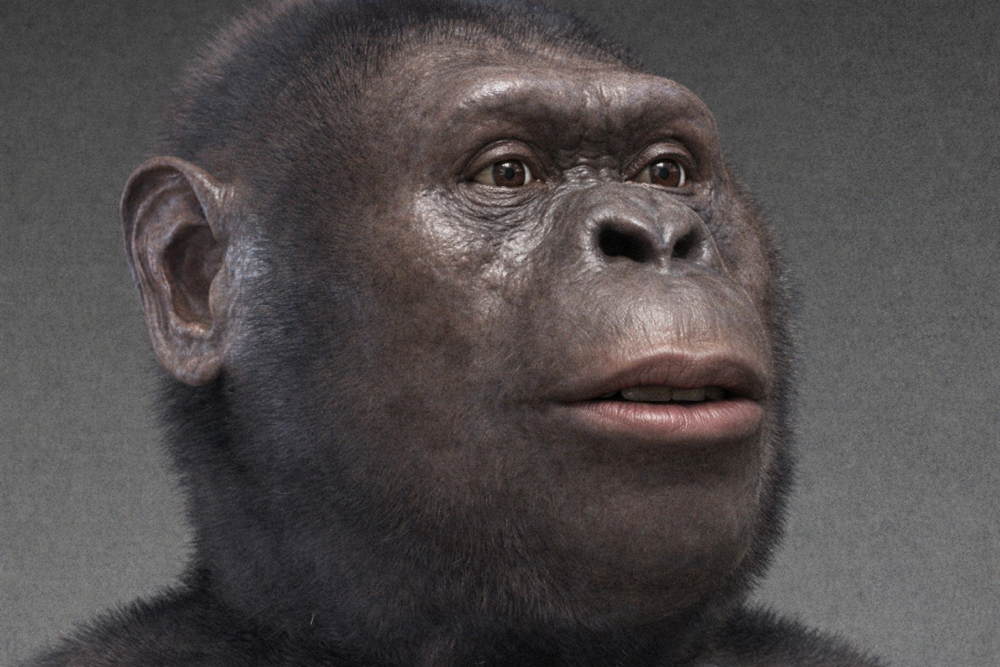
Australopithecus prometheus sounds like sci fi, but it is a real taxonomic label. It was proposed in the 1940s after fossils from Makapansgat, South Africa, were described as different from the better known Australopithecus africanus.
Not everyone agrees it deserves its own species name, which is why you will see it pop up in debates, not in every textbook. In paleoanthropology, names are basically hypotheses, and they get tested again and again as new fossils, scans, and fresh arguments arrive.
2. Meet the type specimen: MLD 1
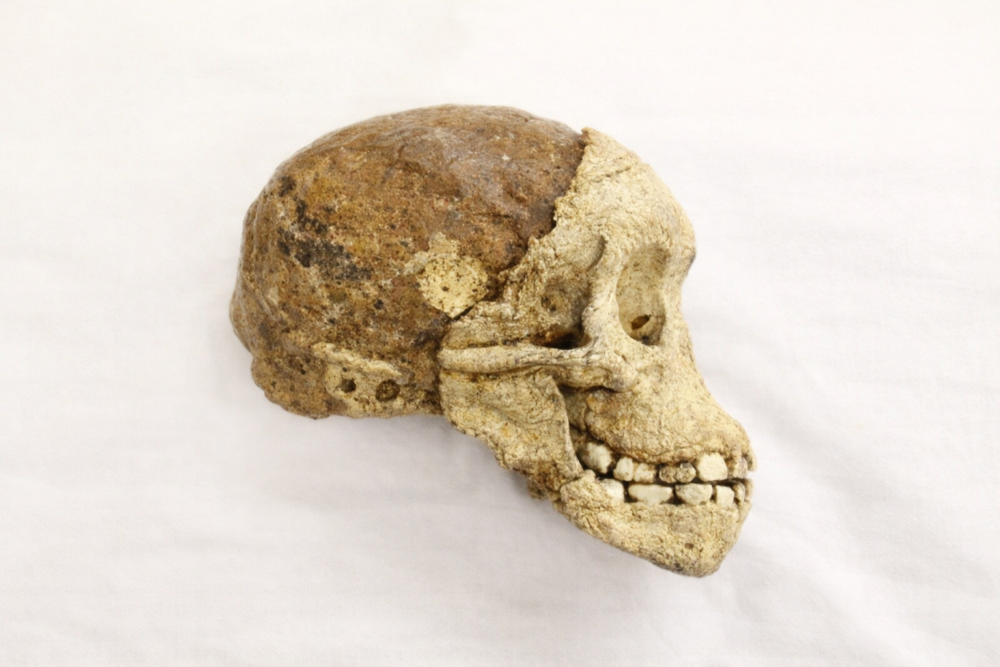
Every species name needs an anchor, and for A. prometheus that anchor is a fossil called MLD 1 from Makapansgat. It is not a full skeleton, but it preserves enough skull and jaw anatomy to compare with other australopiths.
Researchers look at shape details like the face, teeth, and parts of the braincase. If those traits form a consistent package across multiple fossils, a species case gets stronger. If they overlap a lot, the name may collapse back into A. africanus.
3. Makapansgat: the cave that keeps showing up

Makapansgat is not just one dramatic discovery. It is a whole South African cave complex with layers that captured animals, stone, and early hominin remains. That context matters because it helps scientists estimate age and environment, not just anatomy.
The fossils there point to a landscape that mixed wooded areas and open patches. That kind of habitat would reward flexible movement and diet. When people argue about A. prometheus, they are also arguing about what kind of world shaped it.
4. Why A. prometheus gets tangled with A. africanus
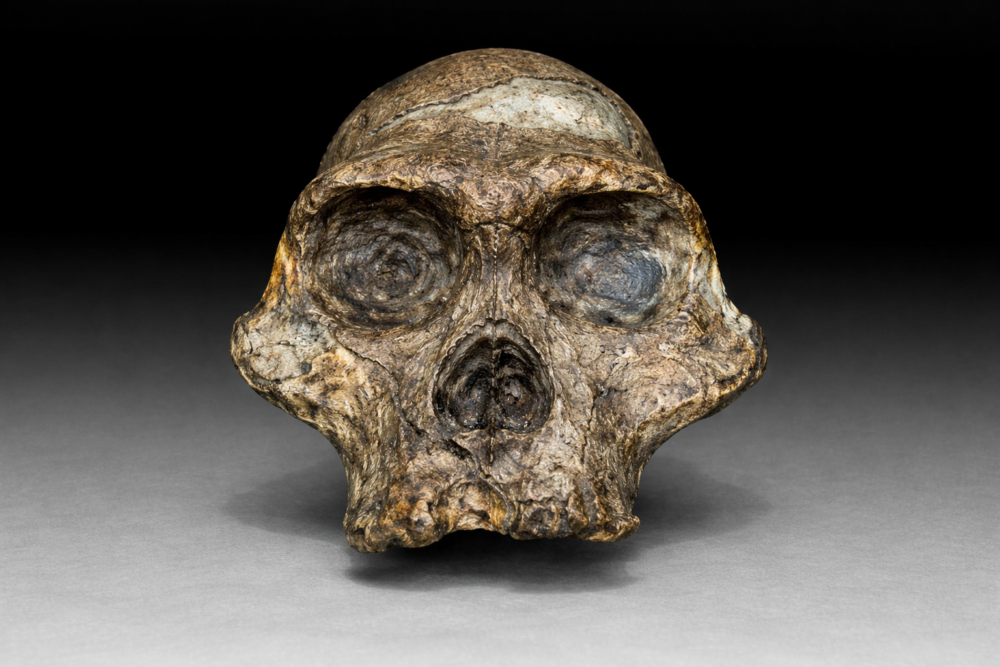
Australopithecus africanus is the famous South African australopith, and it shares a lot of traits with the Makapansgat material. That overlap is why some researchers treat prometheus as a synonym rather than a separate branch.
The split usually comes down to how you weigh variation. Are differences a sign of a new species, or just normal range within one species, like height differences in humans today. The answer changes how crowded the early hominin landscape looks, and who we think was related to whom.
5. The Little Foot effect on the whole debate

A nearly complete skeleton nicknamed Little Foot, found in the Sterkfontein cave system, poured fuel on the prometheus argument. Its discoverer Ronald Clarke has long argued it fits A. prometheus, not A. africanus, based on cranial and other features.
More recent analyses have challenged that assignment, saying Little Foot does not match the A. prometheus type specimen cleanly. That is a big deal because if Little Foot is not prometheus, then what is it, and what does that mean for the rest of the South African fossils.
6. What scientists mean when they say it does not fit
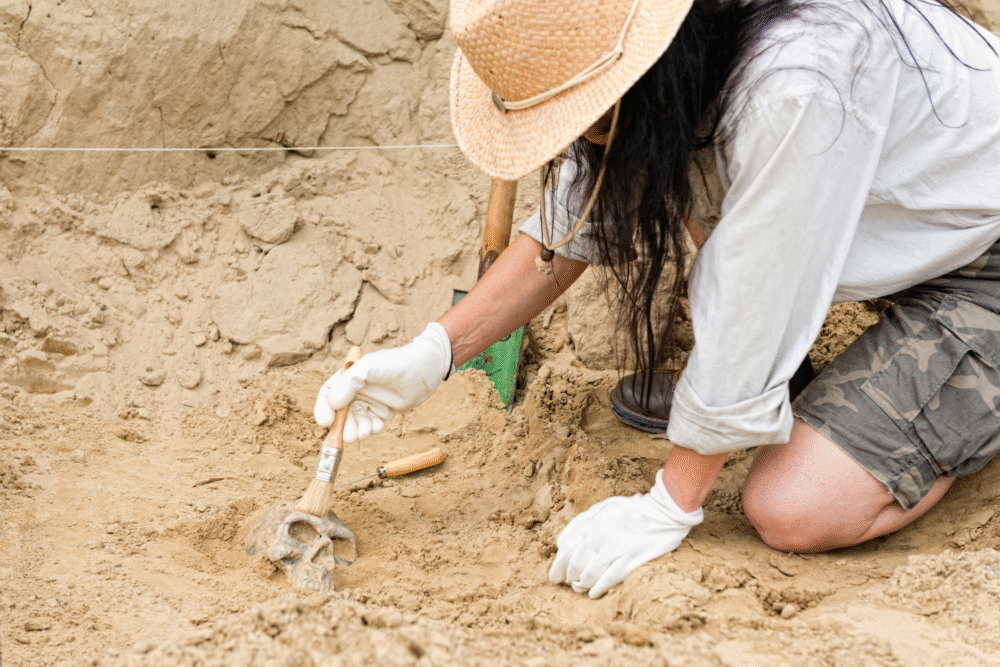
Here is the simplest way to think about Australopithecus prometheus: it is a test case for how scientists draw lines in deep time. The fossils are real, but the category is human made, and it gets redrawn when better comparisons show up.
Some researchers argue the Makapansgat material represents a distinct species with its own blend of traits. Others see the same fossils as part of A. africanus, especially if you allow for sex differences, age, and normal variation.
So prometheus is not a tidy answer. It is a reminder that evolution does not label its work, and our family tree is built from fragments and careful argument.
7. What A. prometheus probably looked like day to day

Even without a full skeleton, scientists can bracket what A. prometheus was like by comparing related australopith fossils. Think small bodied, bipedal, and still pretty good at climbing, not a modern human stride machine.
The skull and teeth hints suggest a diet that could handle tougher foods when needed, plus whatever was seasonally available. The vibe is versatility, not specialization. That flexibility may be why multiple australopith species could share the same regions without one instantly wiping out the others.
8. The age question and why it is always messy

Headlines love clean numbers, but fossil ages are usually ranges built from geology and dating methods. Makapansgat and Sterkfontein layers span long stretches of time, and different teams sometimes favor different models for how those cave deposits formed.
That matters because if prometheus is older or younger than we think, it changes who could have overlapped with whom. A species that lived at the same time as others supports the idea of a crowded, branching evolution. A species separated by time can look distinct simply because evolution kept moving.
9. How a skull can look unique without being a new species

Skulls change with sex, growth, and even individual quirks. In living primates, males and females can look so different you might think they are separate species if you only had fossils. That is one reason scientists fight over labels like prometheus.
Paleoanthropologists use lots of measurements and specific landmarks to avoid vibes based classification. Still, the fossil record is patchy, so some traits may look unique just because we have not found the missing middle yet. New finds can turn a mystery species into a normal one overnight.
10. Why this argument matters beyond one fossil name
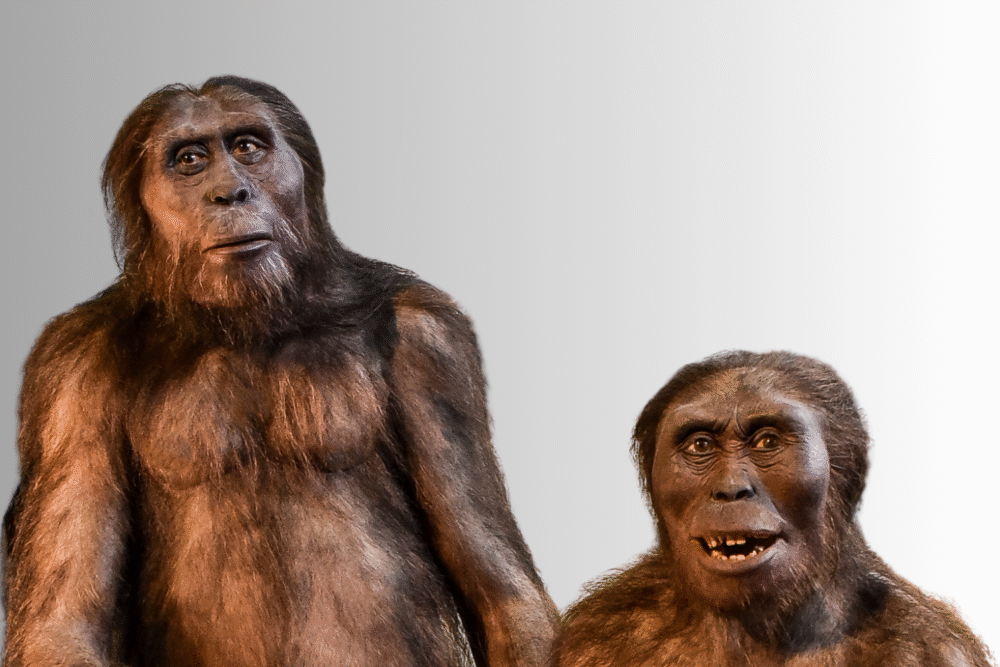
Australopithecus prometheus is not just an inside baseball naming fight. If it is real as a separate species, it means South Africa hosted more than one kind of upright walking hominin at the same time, each with its own anatomy.
That supports a view of human evolution as a braided stream, not a single ladder. Multiple lineages can experiment in parallel, and only later do a few leave descendants. The more diversity we confirm, the less sense it makes to talk about one straight line from ape to us.
11. What to watch for in the next round of research

The next big moves will come from careful skull base studies, 3D scans, and bigger comparison samples. Researchers will keep testing whether Little Foot aligns with prometheus, africanus, or something entirely different, and they will likely revisit Makapansgat fossils with modern tools.
If a new species is formally proposed, it will need a clear diagnosis that others can reproduce. Until then, A. prometheus will stay in that fun, frustrating zone: a plausible species name that forces scientists to explain exactly why they draw the boundaries they do.