
Researchers say the ancient organisms are active and adapting after millennia in Arctic ice.
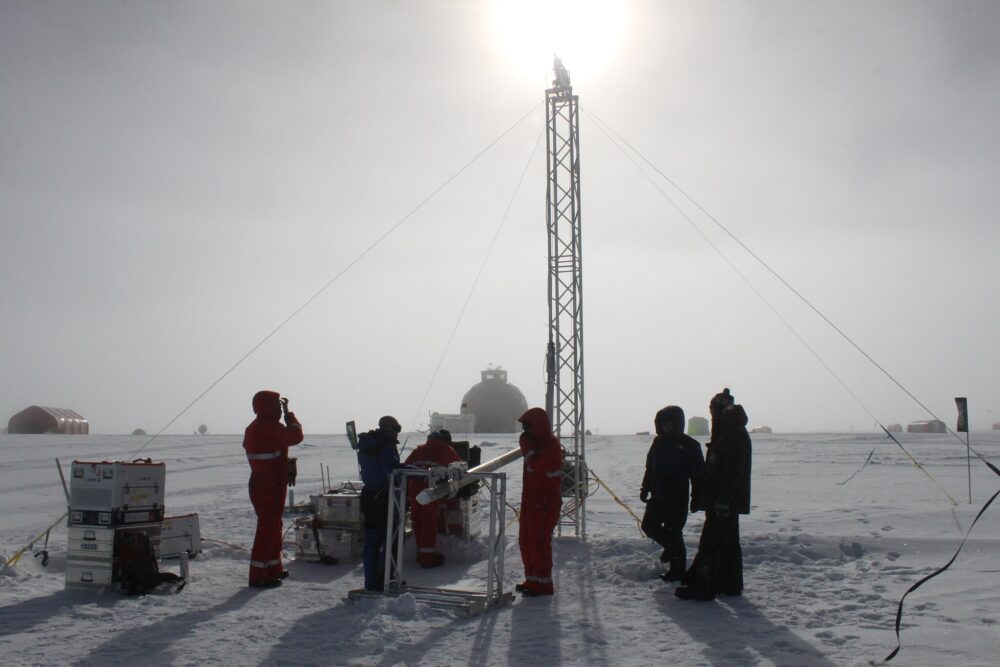
In a breakthrough that sounds like science fiction, researchers have revived ancient microbes that were trapped in Arctic permafrost for roughly 40,000 years. The study, conducted by an international team of microbiologists, revealed that the microorganisms weren’t dead—they were merely dormant. Once thawed under controlled conditions, the microbes began to metabolize and reproduce. Scientists say the discovery sheds light on how life can endure extreme cold for millennia, while also raising questions about potential ecological and biosecurity risks.
1. The Discovery Was Made in Siberian Permafrost
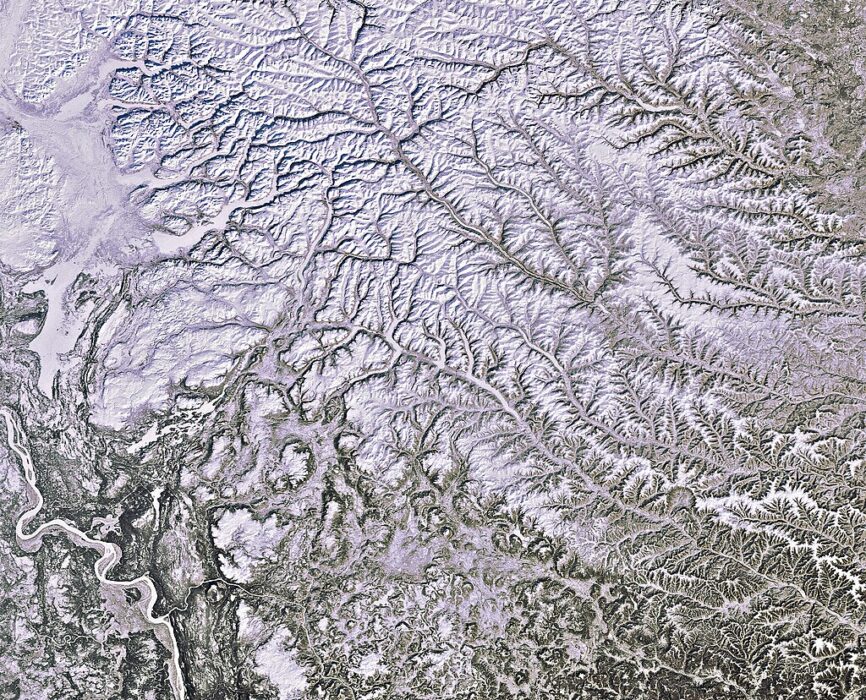
Researchers collected ice and soil samples from deep layers of Siberian permafrost—some frozen since the last Ice Age. These sediments have remained sealed off from air and sunlight for tens of thousands of years.
By carefully thawing the material in a sterile lab, the team detected microbial activity within days. Using genomic sequencing, they identified several previously unknown bacterial strains, showing that life can persist in frozen isolation for extraordinary lengths of time.
2. The Microbes Were Still Biologically Active

Contrary to expectations, these were not fossilized or dead cells. Under the microscope, scientists observed movement and metabolic activity—signs of living organisms.
Some microbes began dividing within 48 hours after exposure to warmer temperatures and nutrients. Researchers confirmed that these organisms had intact DNA and functioning cell membranes, meaning they had survived in a state of suspended animation rather than complete dormancy.
3. Not the First Ancient Life Revived—but the Oldest So Far
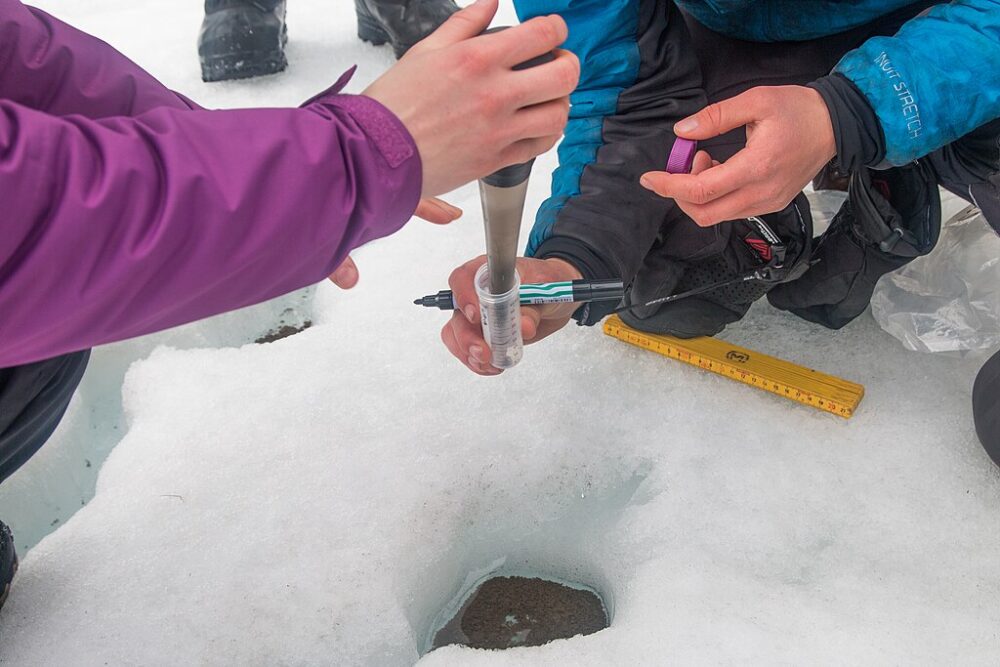
Scientists have previously revived microbes from salt crystals and Antarctic ice dating back thousands of years, but the Arctic samples may represent the oldest living organisms ever reactivated.
The microbes’ survival suggests they have evolved extraordinary mechanisms for DNA repair and cellular preservation. These adaptations could help explain how life might endure extreme cold elsewhere in the solar system, such as on Mars or icy moons like Europa.
4. Researchers Used Extreme Precautions During Revival
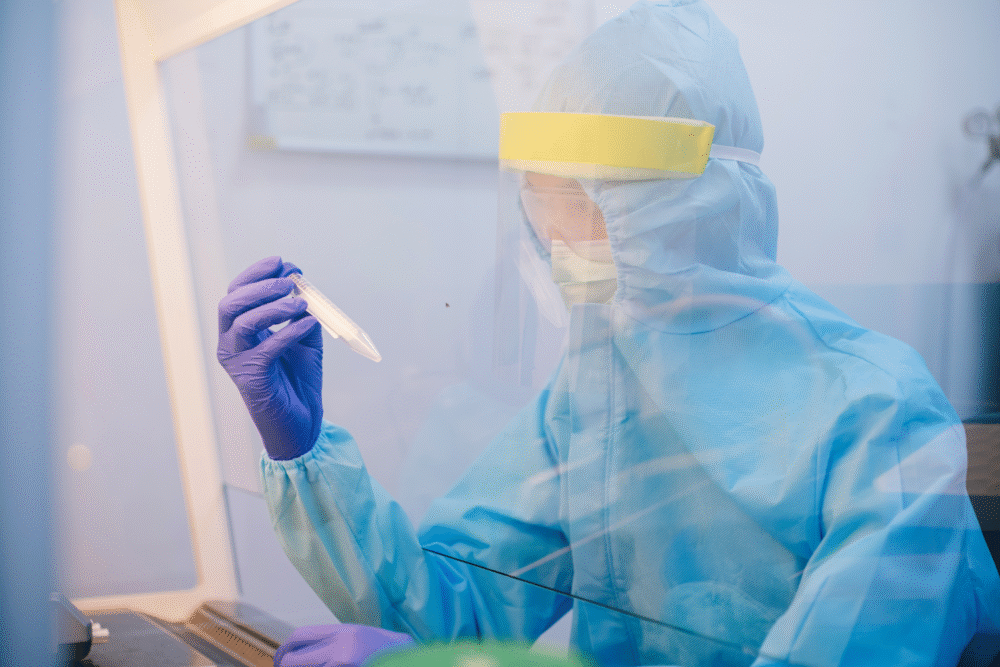
The team followed strict biosecurity protocols to prevent contamination or accidental release. Each thawing experiment took place in isolated, high-containment facilities designed to handle ancient pathogens safely.
Researchers stress that these microbes are unlikely to pose a threat to humans—they are mostly harmless soil bacteria—but the study highlights the need for caution as more frozen ecosystems thaw. The Arctic permafrost contains countless unknown microorganisms that could emerge as global temperatures rise.
5. Climate Change Could Release Dormant Microbes Naturally
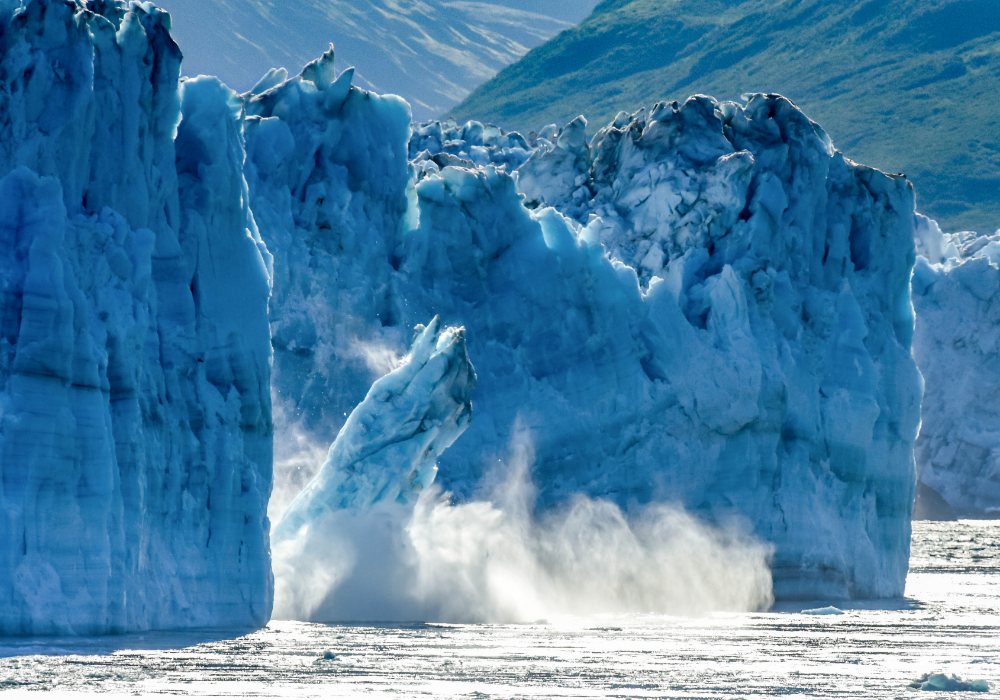
Scientists warn that this research also offers a glimpse of what could happen as permafrost continues to melt. Rising Arctic temperatures are already releasing long-frozen organic matter—and potentially ancient microbes—into modern ecosystems.
Most of these microbes would likely die upon exposure, but some could adapt or interact with present-day bacteria in unpredictable ways. Researchers emphasize that understanding these ancient forms of life now is crucial for anticipating future ecological effects.
6. The Findings Expand Our Understanding of Life’s Limits

This discovery redefines what scientists know about the limits of life. The microbes’ ability to withstand freezing temperatures, lack of oxygen, and radiation exposure demonstrates remarkable resilience.
The findings strengthen theories that life could survive harsh extraterrestrial environments. If microscopic life can persist for tens of thousands of years in Arctic ice, similar organisms might endure on frozen planets and moons under equally extreme conditions.
7. The Microbes Offer Clues to Ancient Ecosystems
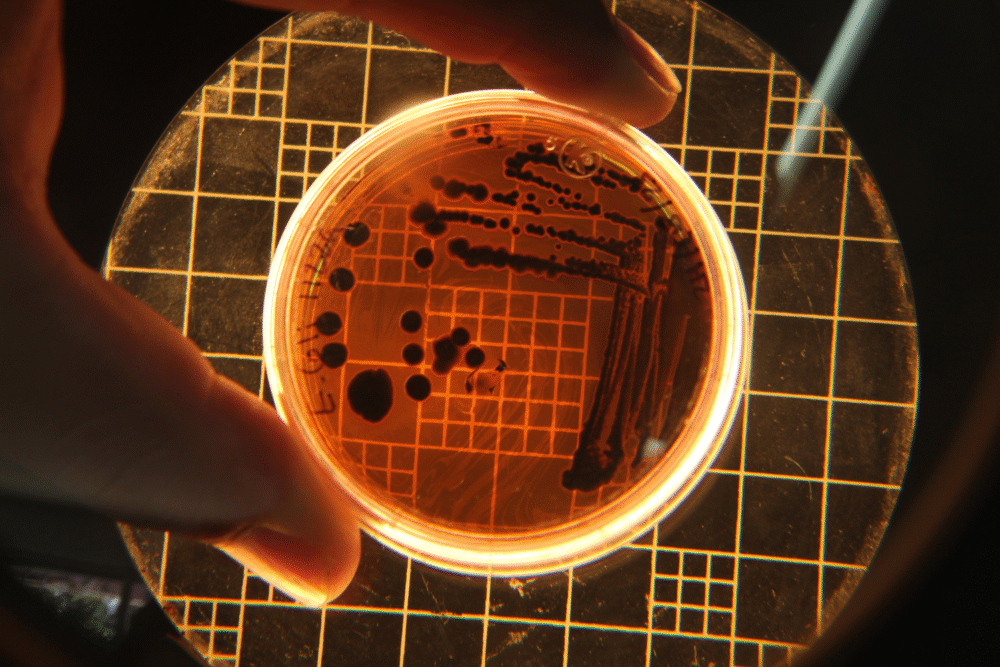
By studying the revived microbes’ genetic makeup, scientists can reconstruct aspects of Earth’s Ice Age ecosystems. These organisms once thrived in soils teeming with mammoths, woolly rhinoceroses, and prehistoric plants.
Their DNA provides insights into ancient nutrient cycles and microbial communities that supported early life on land. Understanding these systems could help scientists model how ecosystems respond to long-term climate change.
8. Some Ancient Viruses Have Also Been Found in Ice
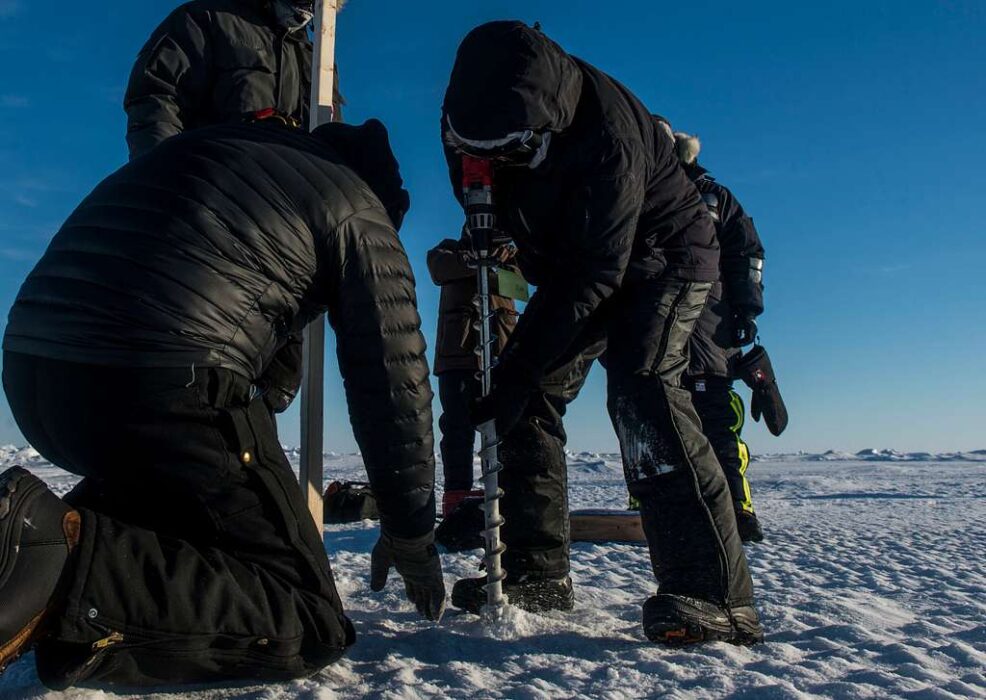
In related studies, researchers have identified ancient viruses preserved in Siberian permafrost, some tens of thousands of years old. These “zombie viruses” are not infectious to humans, but they reveal how viral particles can remain intact for millennia.
The coexistence of ancient bacteria and viruses underscores how frozen regions act as time capsules. Scientists say these discoveries remind us that thawing permafrost is not just releasing carbon—it’s reviving pieces of Earth’s biological past.
9. The Research Raises Ethical and Safety Questions

While the revived microbes themselves are not dangerous, the concept of reawakening ancient life forms has sparked debate among scientists. Some argue it’s vital to understand microbial resilience; others warn of unknown consequences.
As permafrost thaws naturally, studying these organisms may help predict future risks. However, researchers stress that such work must balance scientific curiosity with strict containment standards and transparent global oversight.
10. A Window Into Life’s Persistence

For now, the ancient Arctic microbes remain contained in laboratory conditions under strict monitoring. Their revival offers compelling insight into the durability of life under extreme environments. Scientists say the finding demonstrates that biological systems can survive for tens of thousands of years in near-total dormancy without losing viability.
These results deepen our understanding of microbial evolution, permafrost ecology, and astrobiology. They also underscore how little we know about the organisms locked beneath Earth’s frozen soils—and how thawing regions could reveal, or release, pieces of the planet’s ancient biosphere.