
Scientists warn wildfire pollution is reshaping delicate ocean environments.

Los Angeles wildfires leave a mark far beyond the charred landscapes, extending deep into marine ecosystems. Recent scientific research reveals that wildfire runoff and ash deposition significantly alter ocean water quality and nutrient balance. These changes affect everything from microscopic microbes to coral reefs, reshaping coastal habitats and influencing the delicate interplay between land and sea. Understanding these impacts highlights the interconnectedness vital to protecting both environments.
1. Wildfires increase sediment and nutrient runoff into the ocean near burn areas.
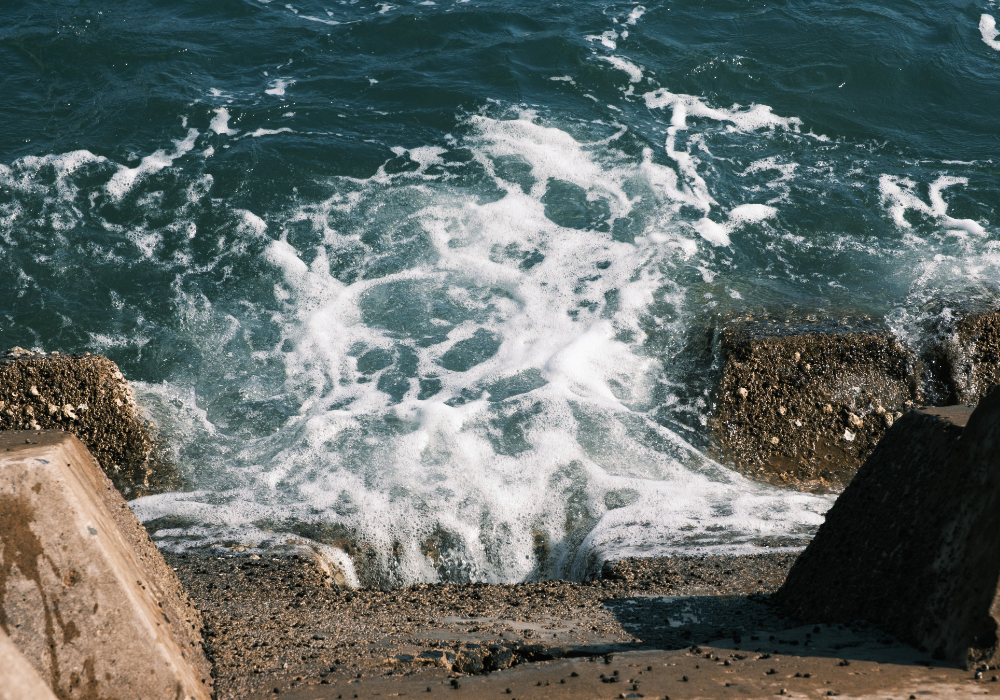
Wildfires leave charred landscapes, increasing the sediment and nutrients that streams carry away. When these altered streams reach the ocean, they change the underwater world. Runoff laden with nutrients can lead to new dynamics in marine ecosystems, affecting their delicate balances.
It’s not just the land that feels these impacts. In the ocean, increased nutrients from this runoff can alter marine environments, potentially harming or benefiting marine life. Scientists monitor these changes closely to unravel how land events shape marine habitats, revealing the intertwined health of both ecosystems.
2. Elevated nutrient levels can trigger harmful algal blooms along the coastline.
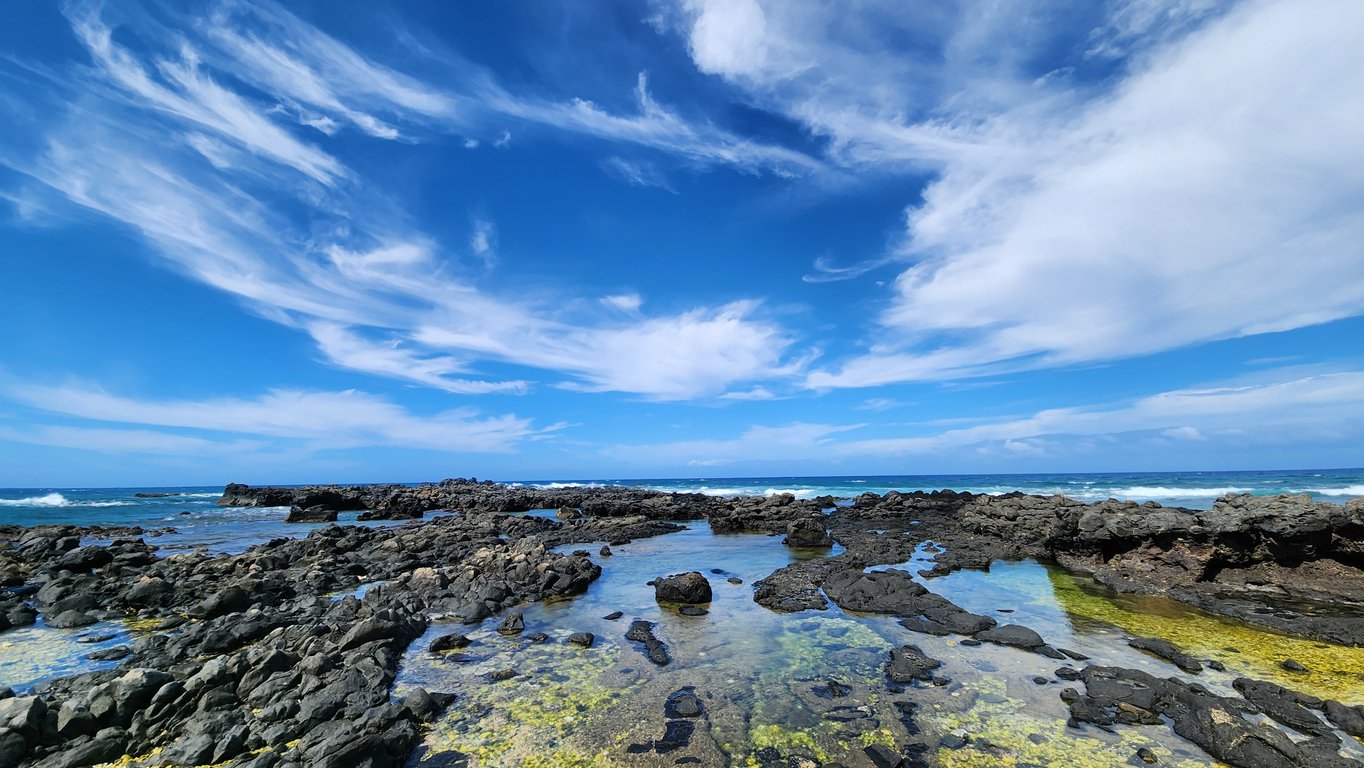
Extra nutrients in coastal waters create the conditions for harmful algal blooms to thrive. These blooms, often visibly green or red, block sunlight and affect marine life health. Nutrient overflow from land plays a crucial role in these phenomena.
The blooms’ effects can be seen in struggling fish and cloudy beaches, impacting human and marine life alike. Shoreline economies often feel the pinch as these blooms disrupt fishing and tourism. Understanding bloom dynamics helps scientists predict their occurrences and mitigate impacts on marine communities.
3. Ash deposits from fires alter the chemical composition of seawater locally.

Ash from wildfires settles across vast areas, eventually reaching the ocean. This ash changes the seawater’s chemical makeup with elements like phosphorus and calcium. These altered chemical ratios can influence marine organisms, especially those sensitive to environmental shifts.
For marine species, such changes may mean altered survival or reproductive success. Fish, corals, and other marine life often respond to even slight shifts in water chemistry. Continuous research helps clarify the long-term implications of these ash deposits on ocean health and biodiversity.
4. Increased runoff from fires reduces water clarity, impacting marine photosynthesis.
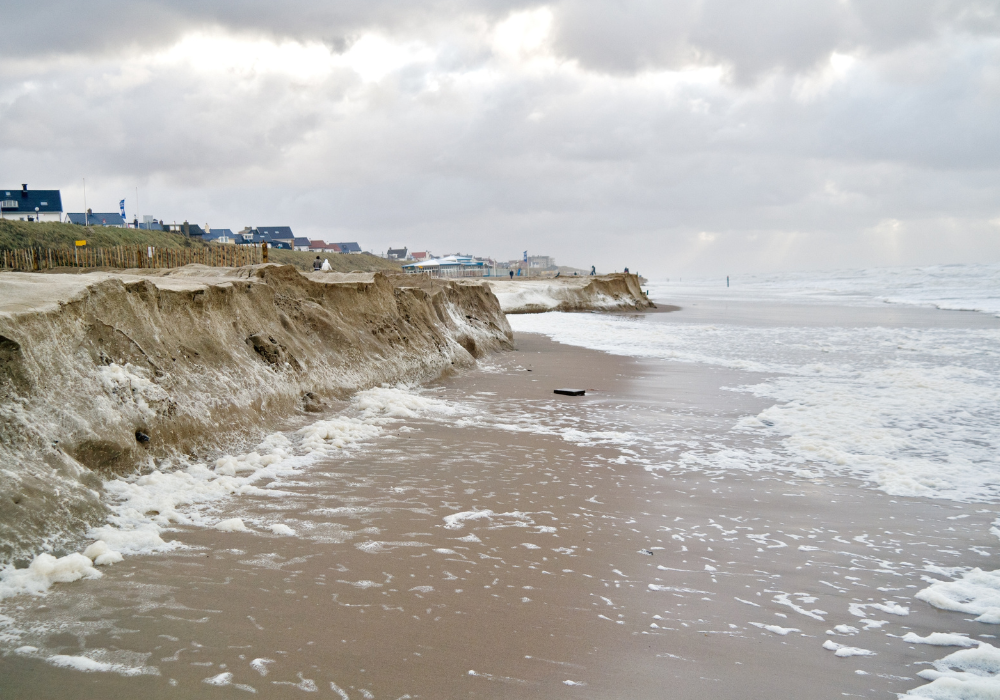
After fires, rivers send increased runoff to the sea, clouding the water. This turbidity reduces sunlight penetration, affecting organisms like phytoplankton that rely on photosynthesis. Less light means less energy available for these critical producers of the marine food web.
In clear ocean waters, photosynthesis drives productivity, sustaining diverse life forms. A drop in clarity can limit these processes, reducing the food available to many marine species. By understanding these shifts, scientists work to foresee adjustments in marine ecosystems, adapting conservation efforts accordingly.
5. Wildfire smoke contributes to atmospheric deposition affecting ocean surface chemistry.
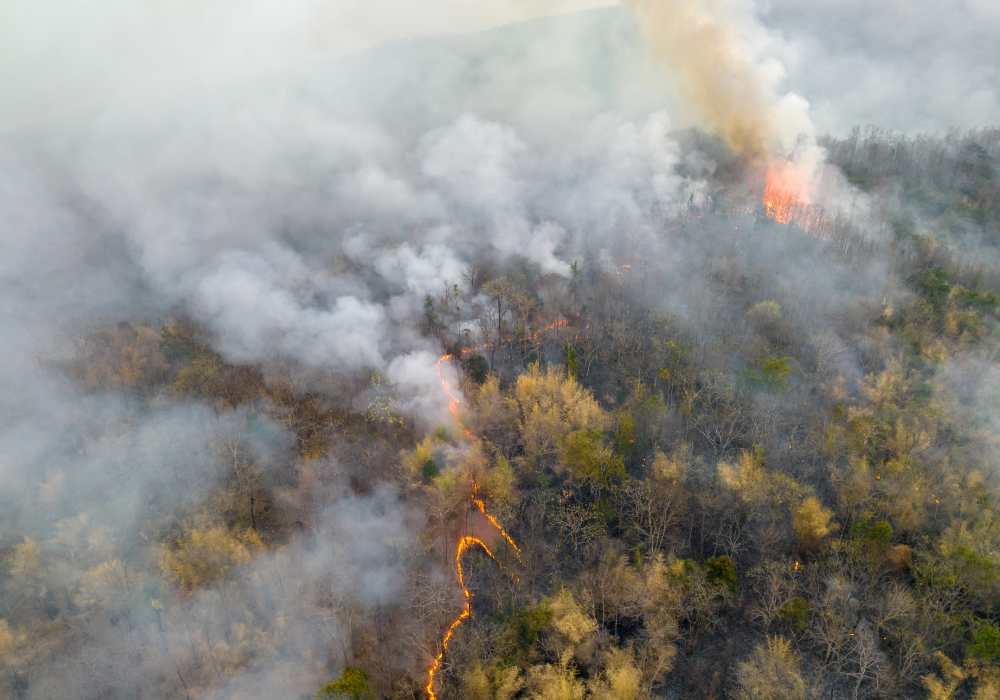
Smoke from wildfires carries particulates over the ocean, eventually settling and altering surface water chemistry. These changes involve complex interactions with oceanic processes. Introducing new particles can trigger unforeseen chemical reactions with surface water components.
Different compounds from smoke can either inhibit or enhance natural chemistry, potentially affecting marine life. Long-term changes in atmospheric conditions might alter how these particles settle, leading to shifts in sea chemistry with ongoing repercussions for marine organisms and their habitats.
6. Burned vegetation debris serves as organic matter feeding certain marine microbes.
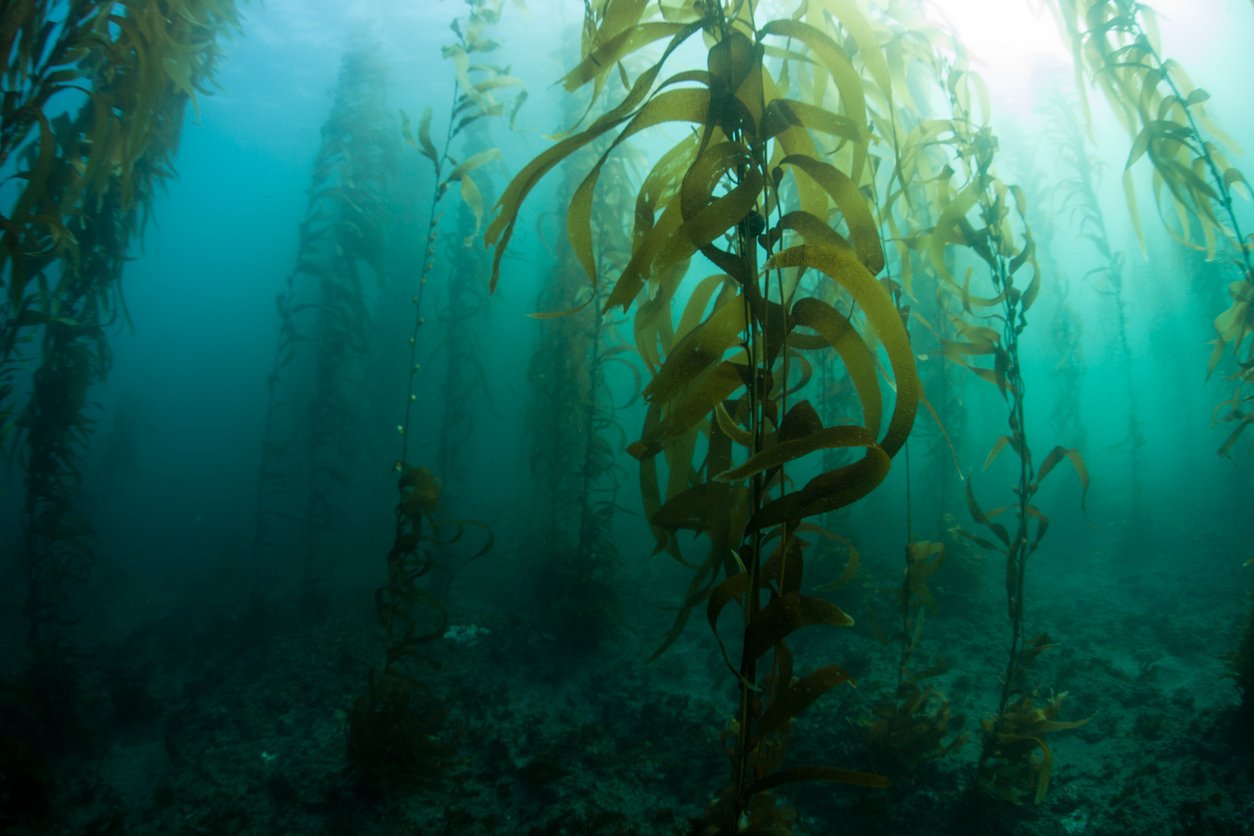
Fire charred debris, reaching the ocean, becomes part of the marine nutrient cycle. This organic matter, rich in carbon, serves as food for bacteria and microbes, altering microbial dynamics. Such changes can ripple through the food web, affecting marine life forms reliant on microbes.
In these dynamic shifts, researchers observe increased microbial activity, influencing ecosystem functions. Different marine species will respond based on changes in available food sources. Studying this flow of organic matter helps clarify marine ecosystem responses to terrestrial disturbances.
7. Thermal changes linked to fires influence coastal water temperatures temporarily.

The intense heat from fires can temporarily alter local water temperatures. These thermal changes, although transient, influence marine species’ behavior and physiology along the coast. Temperature-sensitive organisms like corals and shellfish are particularly affected, experiencing shifts in metabolism and growth rates.
As coastal waters warm, heat-stressed marine life may struggle to survive, adapting their activities or moving to cooler areas. Understanding the short-lived yet critical impacts of these temperature swings provides insight into the resilience and adaptability of ocean ecosystems.
8. Toxic compounds from wildfire runoff may affect sensitive marine species populations.
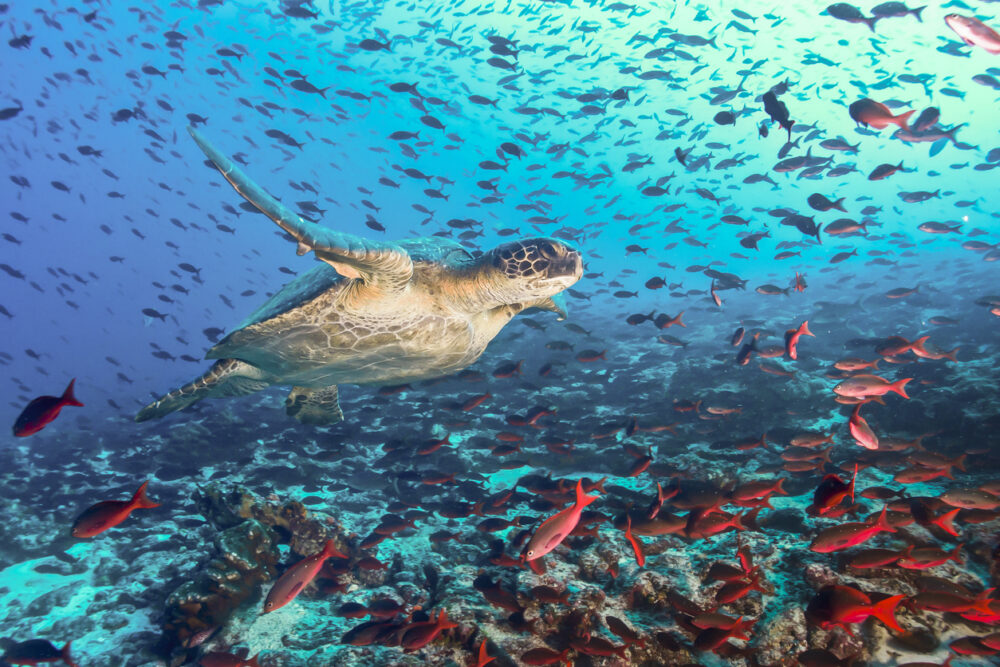
Runoff from wildfires can introduce toxic compounds into marine environments. These substances pose risks to fish, invertebrates, and other sensitive marine species. Toxins in runoff may accumulate in food chains, influencing higher trophic levels eventually, including marine mammals and seabirds.
Affected species face survival challenges, potentially experiencing reduced health or reproductive success. Scientists study these toxins to gauge their effects on marine populations and seek solutions to minimize harm. Monitoring reveals ongoing threats and shapes conservation strategies aimed at protecting vital marine life.
9. Sediment introduced by fires can smother coral reefs and seagrass beds.
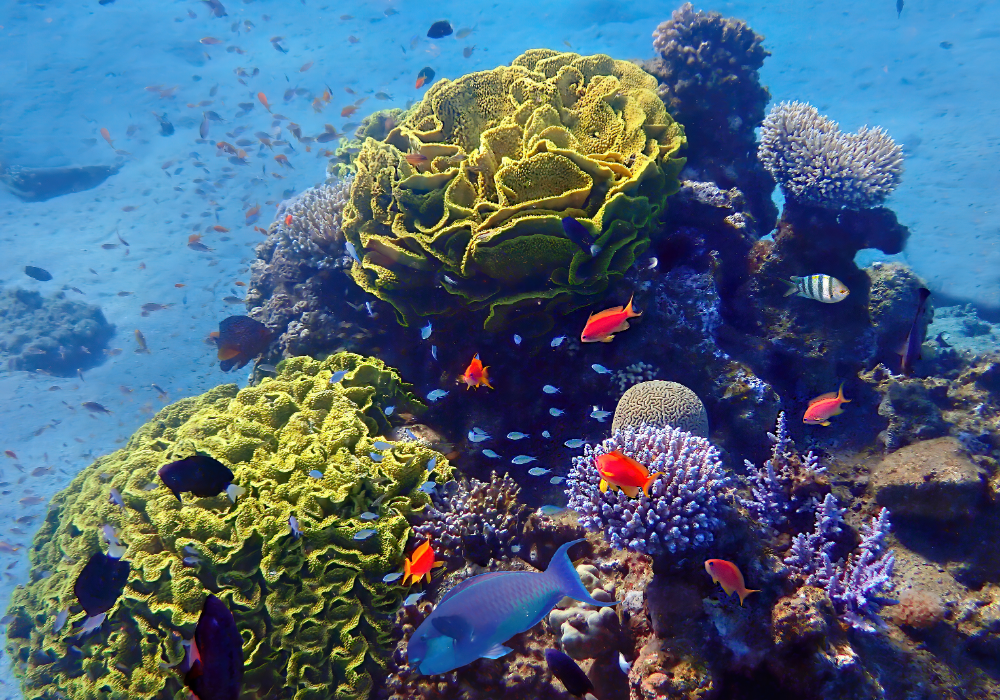
Sediment carried by runoff after fires can bury coral reefs and seagrass beds. This smothering effect disrupts essential photosynthesis, cutting off light and air. Corals, already stressed, might face increased difficulty in repairing and growing.
Seagrass beds, key habitats for many marine species, also languish under layers of debris. Their decline has a domino effect on the biodiversity that depends on these lush underwater gardens. Conservationists strive to mitigate sedimentation impacts to preserve these crucial ecosystems.
10. Post-fire runoff patterns disrupt normal coastal nutrient cycling and balance.
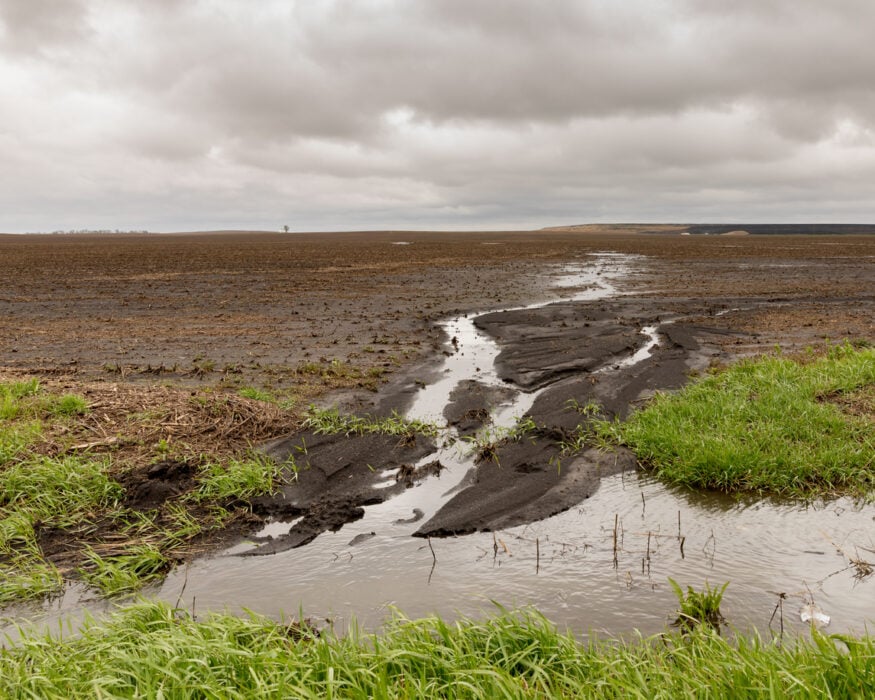
Runoff patterns change significantly post-fire, altering nutrient flow to coastlines. This disruption impacts natural cycles, creating imbalances in resource distribution. Nutrient-rich areas might experience overgrowth, while others suffer depletion, effectively rearranging marine habitats in unexpected ways.
Marine species accustomed to stable conditions may struggle to survive or adapt, facing scarcity or abundance of resources. Understanding these shifts helps predict the future of these delicate ecosystems. Continuous research shines light on maintaining balance amid environmental disturbances.
11. Wildfires indirectly impact ocean ecosystems by altering freshwater input dynamics.
Freshwater input from rivers influences ocean ecosystems profoundly. Wildfires disrupt this input, affecting flow rates and chemical compositions of coastal waters. Altering these dynamics changes salinity and nutrient levels, setting off chain reactions within marine environments.
Coastal species, adapted to stable conditions, face substantial challenges with such unexpected changes. Marine life tangled in these shifting inputs might experience altered growth and survival rates. Researchers focus on how freshwater flux influences broader ecological patterns, aiming to protect interconnected ecosystems from land to sea.