
The unexpected Ice Age find is helping scientists unlock secrets about one of prehistory’s most mysterious giants.
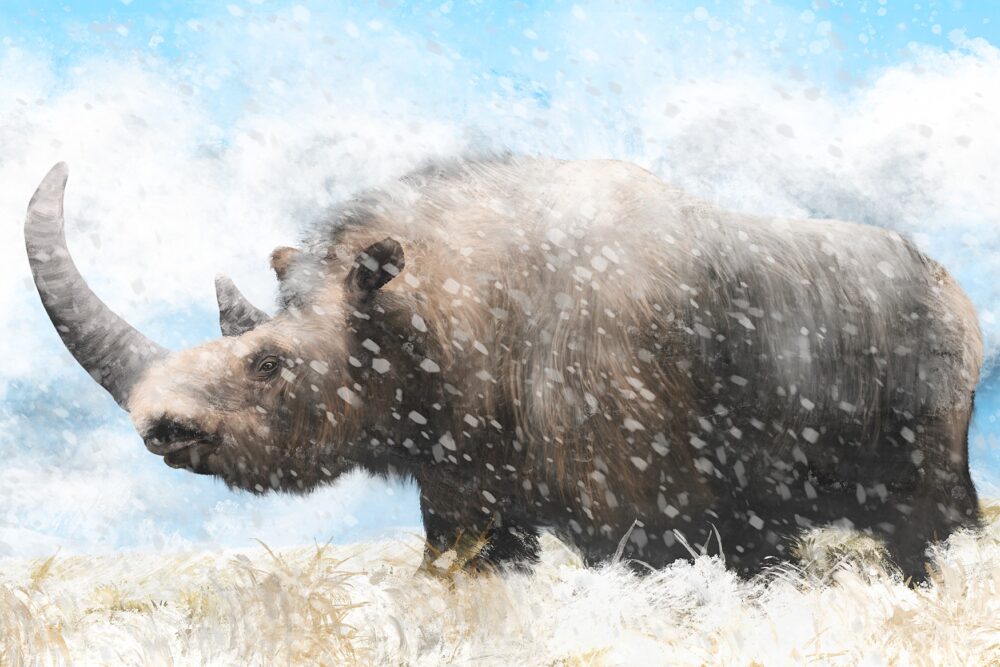
In a first for ancient DNA research, scientists have successfully recovered and sequenced the entire genome of a woolly rhinoceros previously thought lost to extinction, by analyzing tissue found inside the stomach of a 14,400-year-old wolf pup preserved in Siberian permafrost.
Researchers conducted the work using undigested meat from the pup’s final meal to reconstruct the rhino’s genetic blueprint.
This breakthrough not only shows that high-quality DNA can be recovered from unexpected places, it also offers new clues about how these Ice Age giants disappeared from the fossil record.
1. How a Wolf Pup’s Last Meal Became a Major Scientific Breakthrough

Around 14,400 years ago, a young wolf pup in what is now northeastern Siberia ate its last meal, a chunk of woolly rhinoceros meat, before both died and were preserved in permafrost. Scientists recently excavated this exceptionally well-preserved pup near the village of Tumat. Inside its stomach, they found undigested tissue from a woolly rhinoceros, a species that disappeared at the end of the Ice Age.
After extracting the meat, researchers used modern DNA sequencing techniques to reconstruct the rhino’s complete genome, marking the first time an entire genome has been recovered from the contents of another animal’s stomach. This rare find opens up new possibilities for studying extinct animals that left few remains behind.
2. Why This Genome Recovery Is a World First

In ancient DNA research, recovering complete genomes from fragmentary remains is often difficult because DNA degrades over time. In this case, the tissue found in the wolf pup’s stomach remained intact enough, thanks to freezing conditions, to allow scientists to sequence the full genetic code of the woolly rhino.
This achievement is significant because it demonstrates that even tiny pieces of preserved tissue can yield entire genomes when conditions are right. It suggests that other unlikely samples might also hold valuable DNA, expanding the range of specimens researchers can study to understand extinct species.
3. What the Genome Tells Us About Woolly Rhino Populations
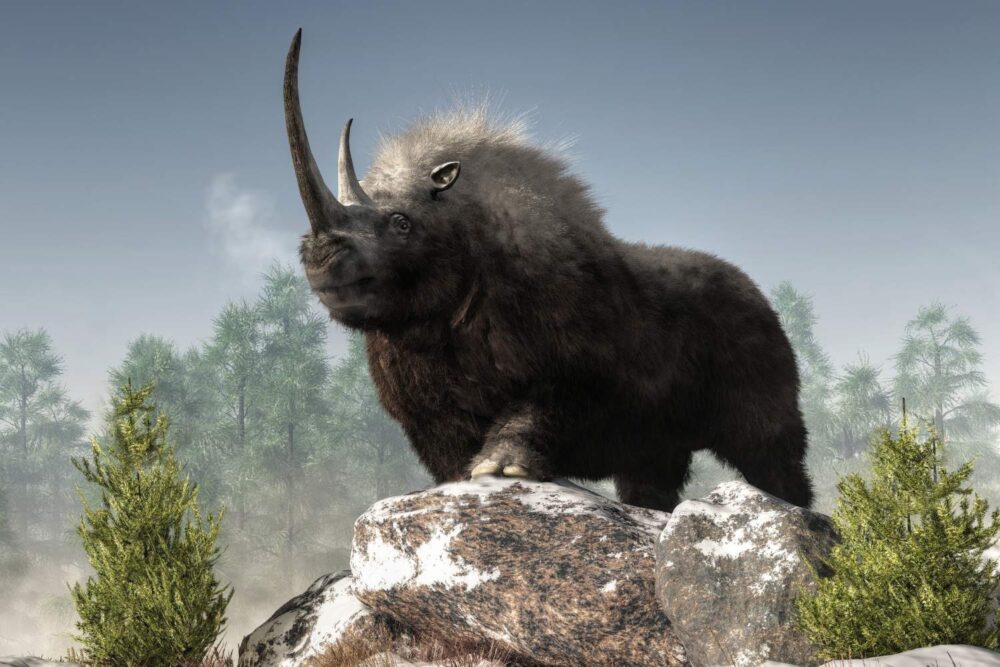
By comparing the newly sequenced genome with other ancient rhino specimens dated to roughly 18,000 and 49,000 years ago, researchers found that the species maintained strong genetic diversity until very close to its extinction.
Unlike some extinct animals that show genetic signs of inbreeding or population weakening before disappearing, this woolly rhino did not show those warning signs. That suggests its extinction was likely rapid and triggered by external factors, rather than a slow genetic collapse.
4. Climate Change Likely Played a Major Role in Extinction

The woolly rhinoceros disappeared from the fossil record nearly 14,000 years ago, near the end of the Ice Age. As the climate warmed, the cold-adapted steppe-tundra ecosystem it depended on began to shrink. Many scientists believe this rapid environmental shift was a key driver in the species’ collapse rather than long-term genetic decline.
While minor human hunting cannot be completely ruled out, the genetic evidence suggests climate change was the primary cause of the rhino’s disappearance, highlighting how sensitive megafauna were to abrupt ecological transformation.
5. Why Permafrost Is a Treasure Trove for Ancient DNA
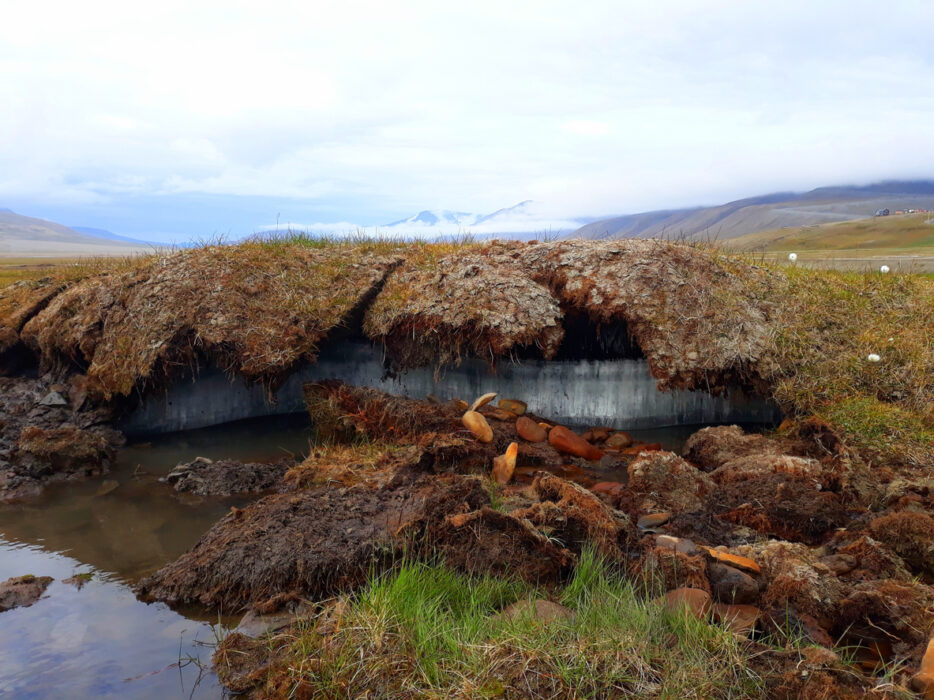
Permafrost, ground that remains frozen year-round, can preserve organic material for tens of thousands of years. In this case, the Tumat region of northeastern Siberia kept the wolf pup’s body and stomach contents exquisitely intact.
Without such cold preservation, the delicate DNA in the rhino tissue would have long since degraded. This find underscores how permafrost areas are invaluable for paleogenomic research, offering snapshots of past ecosystems that would otherwise be lost.
6. What We Learn About Ice Age Predators
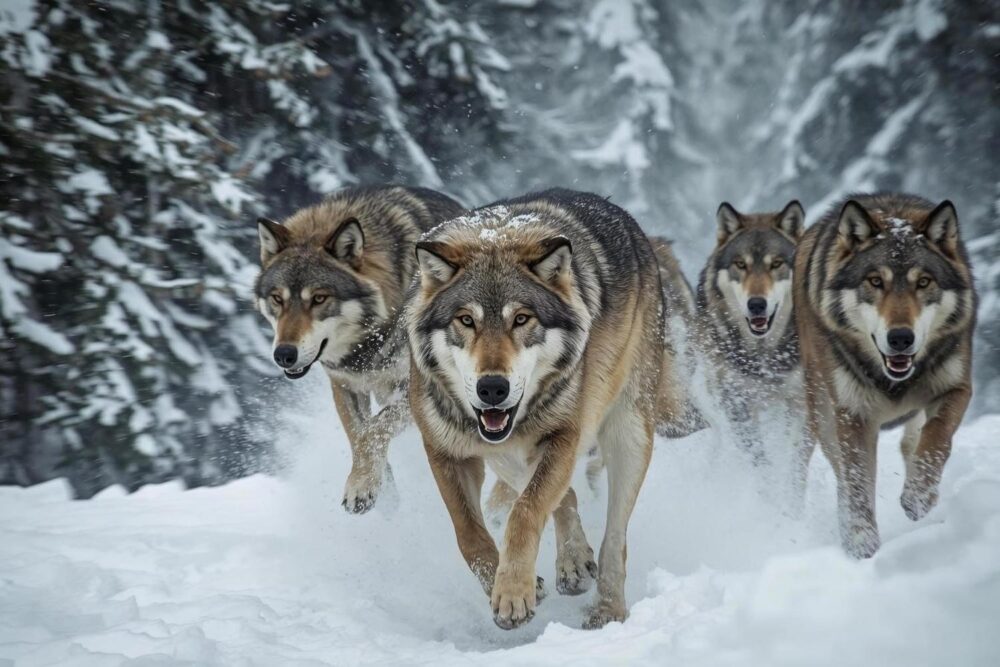
The discovery also provides insight into the diet and behavior of Ice Age wolves. Finding woolly rhino tissue in the stomach of a young pup suggests that wolf packs likely hunted or scavenged large megafauna close to their time of death.
Whether the pup ate the rhino itself or was fed by an adult wolf remains unclear, but the presence of such large prey in a young carnivore’s last meal is a compelling detail about predator-prey interactions at the end of the Pleistocene.
7. The Genome’s Importance for Extinction Research

Whole genomes provide a far richer picture of a species’ biology than partial fragments of DNA. By sequencing the entirety of the woolly rhino genome, scientists can study patterns of evolutionary change, genetic diversity, and traits that may have helped the animal survive in harsh climates.
This level of detail allows researchers to make more informed comparisons with other extinct and extant species, deepening our understanding of how genetics interacts with environmental change to influence survival.
8. The Study’s Contribution to Paleogenomics

Sequencing ancient genomes has revolutionized knowledge of extinct animals like Neanderthals, mammoths, and now the woolly rhinoceros. However, the Tumat wolf find pushes the frontier by showing that even secondary sources, such as stomach contents, can yield complete genomes.
This means that future discoveries of unusual or fragmented remains might also contain valuable DNA, expanding scientific opportunities to study Earth’s lost biodiversity.
9. What This Means for Conservation Today
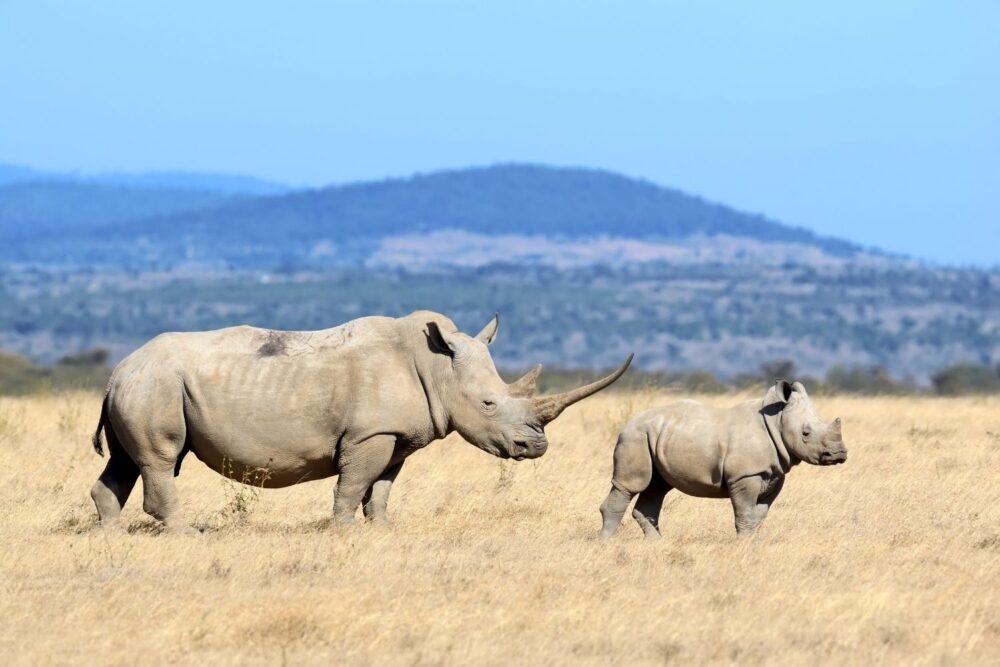
Understanding how past species responded to rapid climate change helps scientists predict how current animals might fare under ongoing warming. The woolly rhino’s rapid extinction after a period of genetic health serves as a cautionary lesson: even species with strong genetic diversity can succumb quickly when environments shift dramatically.
That insight adds urgency to modern conservation efforts for large mammals facing habitat loss due to human-driven climate change.
10. How This Discovery Inspires Future Research
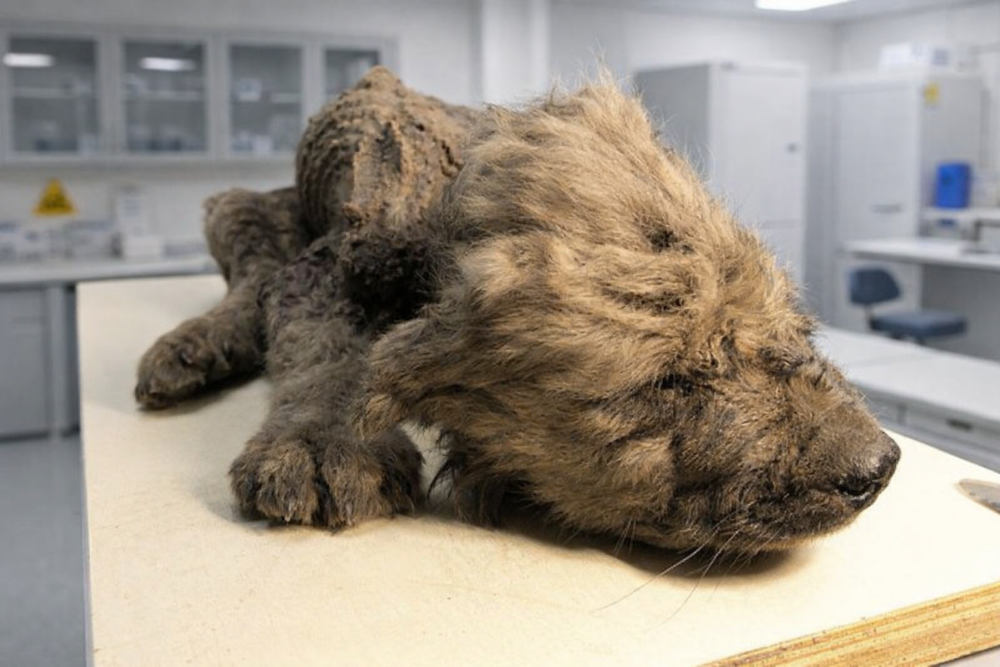
Researchers hope this breakthrough will encourage scientists to reconsider where they look for DNA in ancient specimens. The success of the Tumat pup study shows that high-quality genomes can come from surprising places and that unexpected finds may still hold untapped scientific value.
As scientists refine their techniques, even more ancient DNA may be recovered from previously overlooked sources, further illuminating Earth’s evolutionary history.
11. Ice Age Mysteries Still Left to Uncover
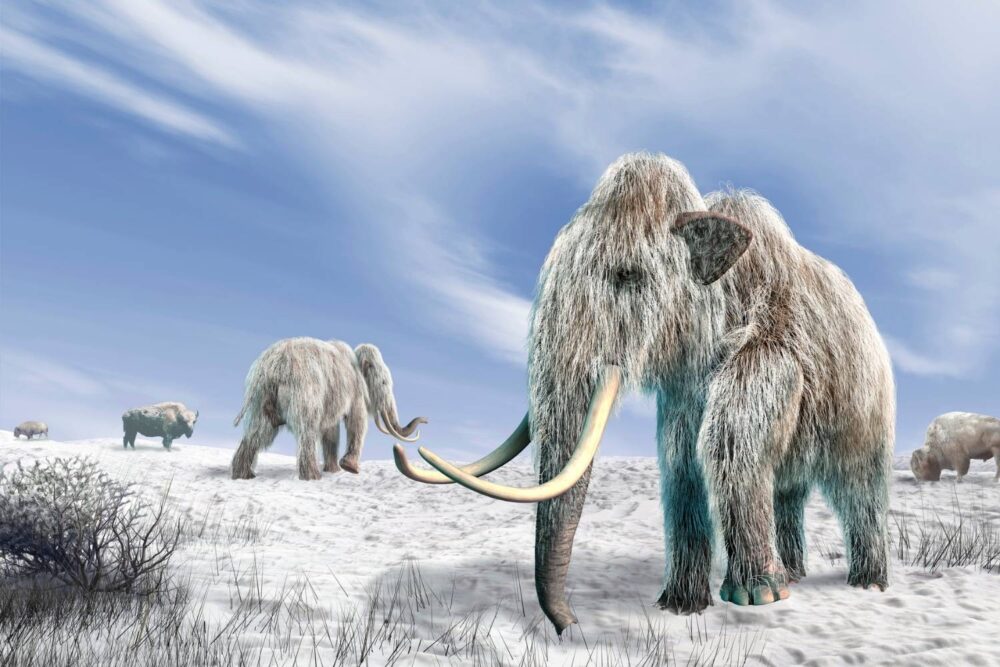
While the woolly rhino genome is now fully sequenced from this unique sample, many other Ice Age species remain poorly understood. Each new genomic discovery, whether from a bone, tooth, or stomach fragment, adds pieces to the puzzle of how Pleistocene ecosystems functioned.
Scientists will continue to explore permafrost regions, fossil beds, and other sites in hopes of uncovering additional DNA that could clarify extinction dynamics and ancient biodiversity. The Tumat discovery is a powerful reminder that even after millennia, nature can preserve remarkable secrets waiting to be unlocked.