
A record-breaking Antarctic drill reveals ancient climate clues that could reshape predictions of Earth’s future.
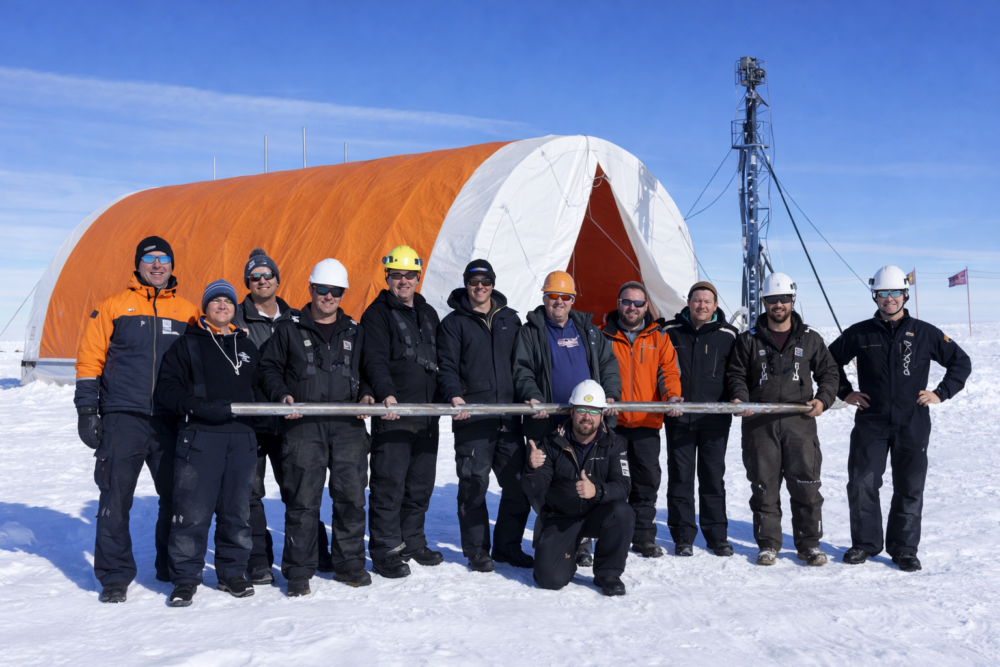
A team of international scientists has successfully drilled the deepest rock and sediment core ever recovered from beneath an ice sheet, capturing roughly 23 million years of Earth’s climate history in frozen mud and rock. The 228-meter core was extracted from beneath about 523 meters of ice at Crary Ice Rise on the edge of the West Antarctic Ice Sheet, a region that holds enough ice to raise global sea levels by several meters if it were to melt.
Unlike ice cores, which only extend back hundreds of thousands of years, this sediment core preserves direct physical evidence from much warmer periods in Earth’s past. Scientists believe it could help clarify how sensitive Antarctic ice is to warming and whether certain temperature thresholds trigger irreversible ice loss.
1. Scientists embarked on an unprecedented polar drilling mission
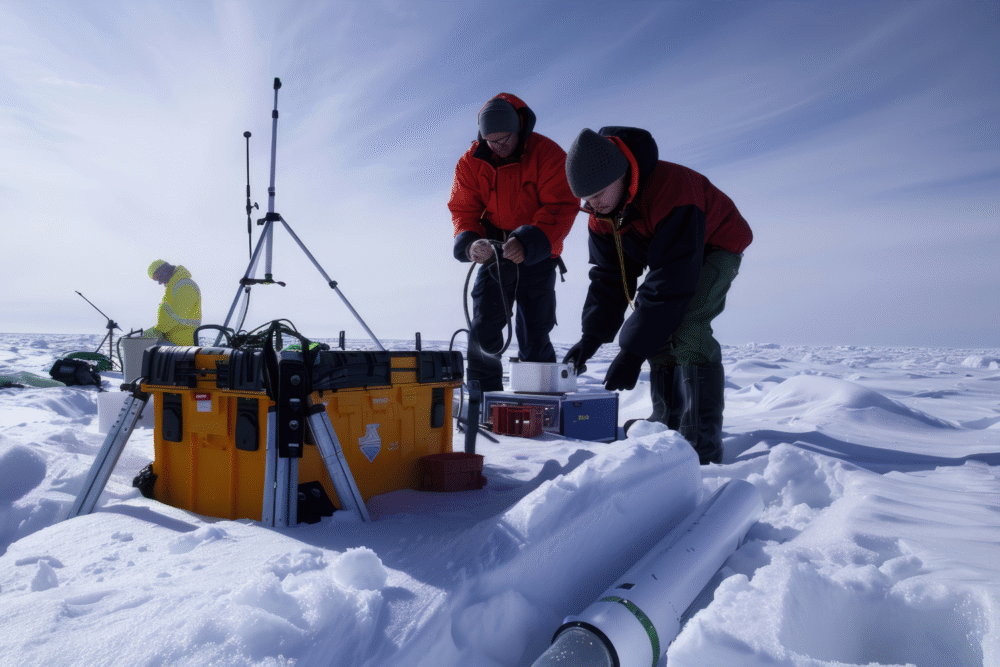
An international team of researchers established a remote field camp more than 700 kilometers from the nearest Antarctic station, working in extreme cold and isolation to reach sediments buried deep beneath the ice. Their goal was to drill through more than half a kilometer of ice, something never before accomplished at this thickness.
The expedition was part of a large international effort focused on understanding how the West Antarctic Ice Sheet responds to warming. Researchers knew progress would be slow and conditions punishing, but the payoff promised a geological archive stretching millions of years beyond existing records.
2. They drilled through 523 meters of ice to reach ancient sediments

Before reaching rock, the team had to penetrate 523 meters of solid ice using specialized drilling equipment designed to operate at subzero temperatures. Beneath the ice lay layers of sediment deposited over millions of years.
When the drill finally reached mud and rock, scientists knew they had succeeded in something rare. This wasn’t just ice history, but a direct record of environmental change preserved in sediment that predates modern ice sheets.
3. The 228-meter core preserves a climate archive millions of years long
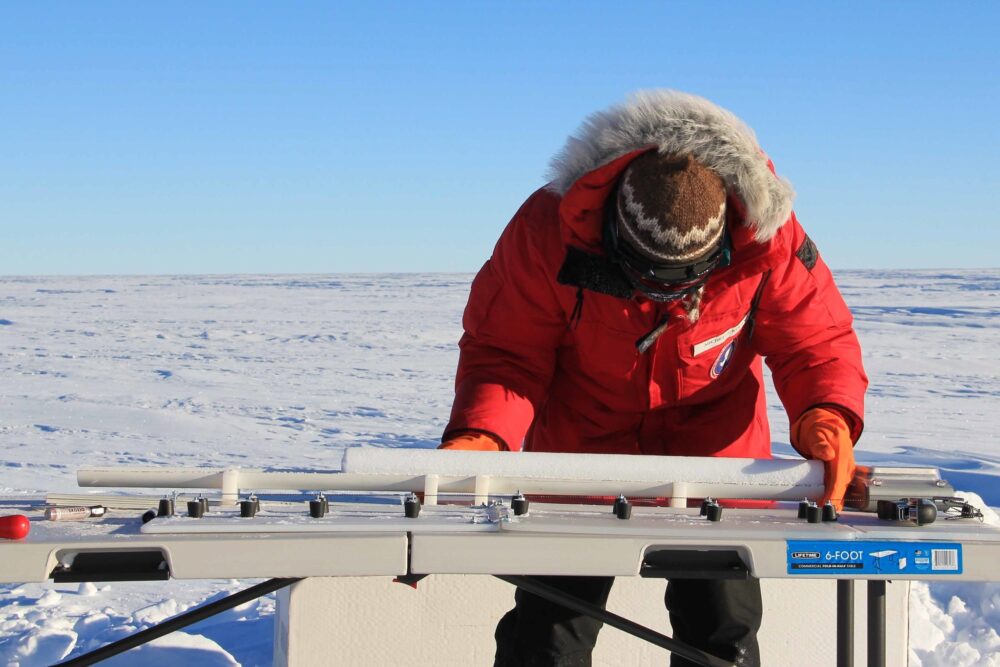
Once recovered, scientists began examining the core’s layers, which include mud, sand, and rock deposited over roughly 23 million years. Fossilized microscopic organisms embedded in the sediment help date each layer.
These layers capture periods when Earth’s climate was significantly warmer than today. Unlike ice cores, which record atmospheric gases, this core preserves physical evidence of changing landscapes and ocean conditions beneath the ice.
4. The sediments reveal periods of open water near Antarctica

Early findings include shell fragments and marine organisms that require sunlight and open water, suggesting parts of West Antarctica were once free of permanent ice. These environments contrast sharply with today’s thick ice cover.
Such evidence indicates that ice shelves retreated repeatedly in the past. Understanding when and how that happened helps scientists gauge how vulnerable modern Antarctic ice may be to warming oceans.
5. The core helps identify ice sheet tipping points
One key question driving the research is whether Antarctic ice has a tipping point beyond which large-scale collapse becomes inevitable. The sediment core records periods of warmth that allow scientists to test that idea.
By comparing ancient climate conditions with modern temperatures, researchers can estimate how much warming triggered ice retreat in the past. This information is critical for predicting future stability.
6. Ancient ice loss led to major global sea-level rise
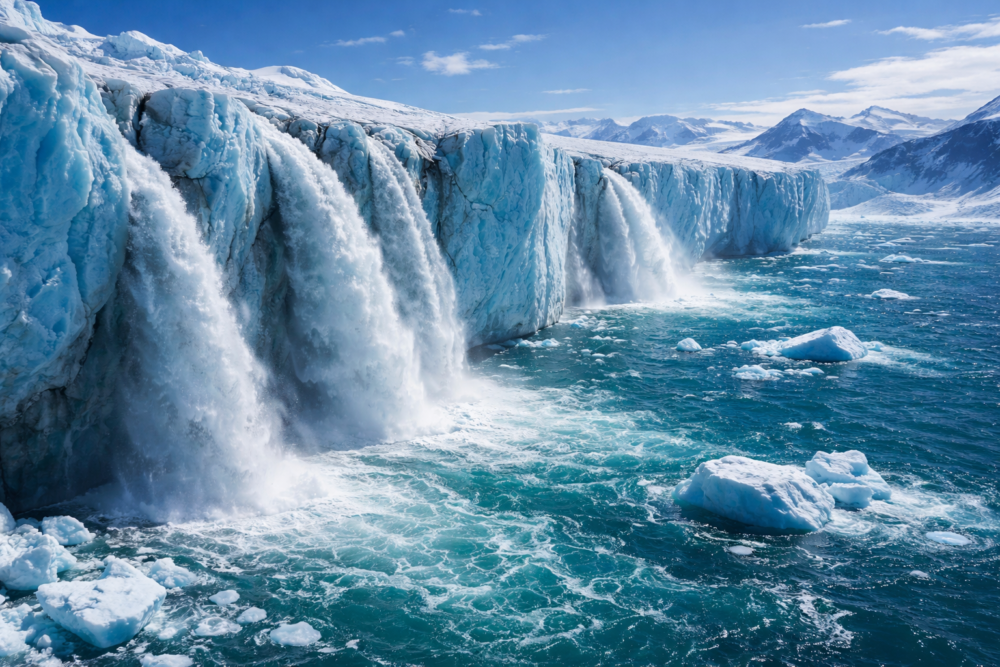
When Antarctica lost ice during past warm periods, sea levels rose worldwide. The sediment layers help scientists reconstruct how quickly that ice disappeared and how oceans responded.
These insights are especially relevant today as rising seas threaten coastal cities. Past ice behavior remains one of the most reliable guides for estimating future sea-level change.
7. Analyzing the core will take years of detailed work
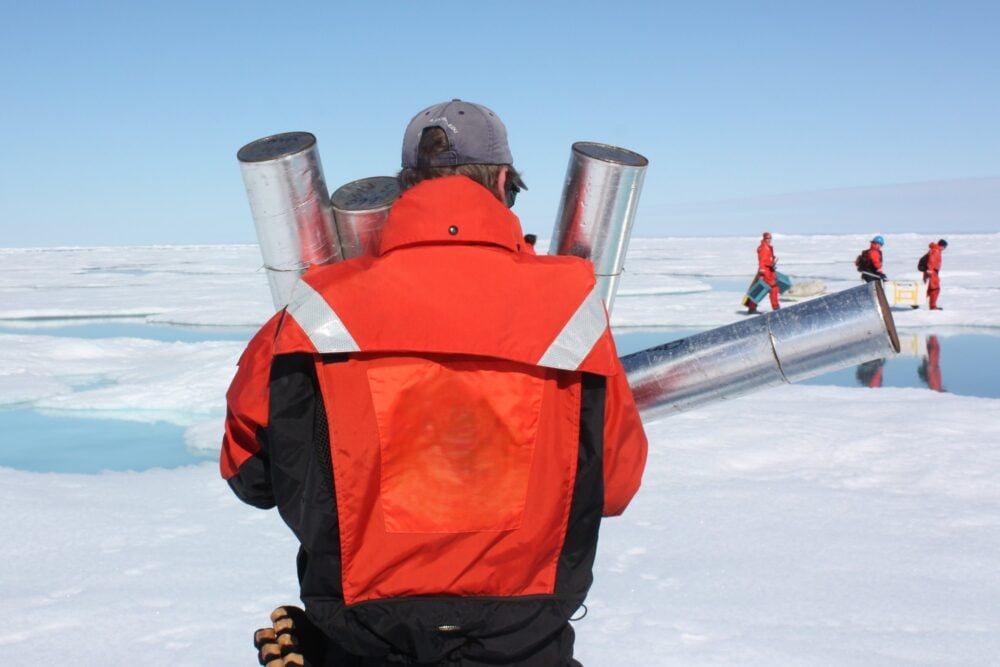
Recovering the core marked only the beginning of the research process. Scientists will spend years analyzing different layers using fossil identification, chemical analysis, and mineral dating.
Different laboratories around the world will focus on specific aspects of the core. Together, these studies will build a detailed picture of how Antarctica’s environment evolved over millions of years.
8. The core fills a major gap in Antarctic climate records
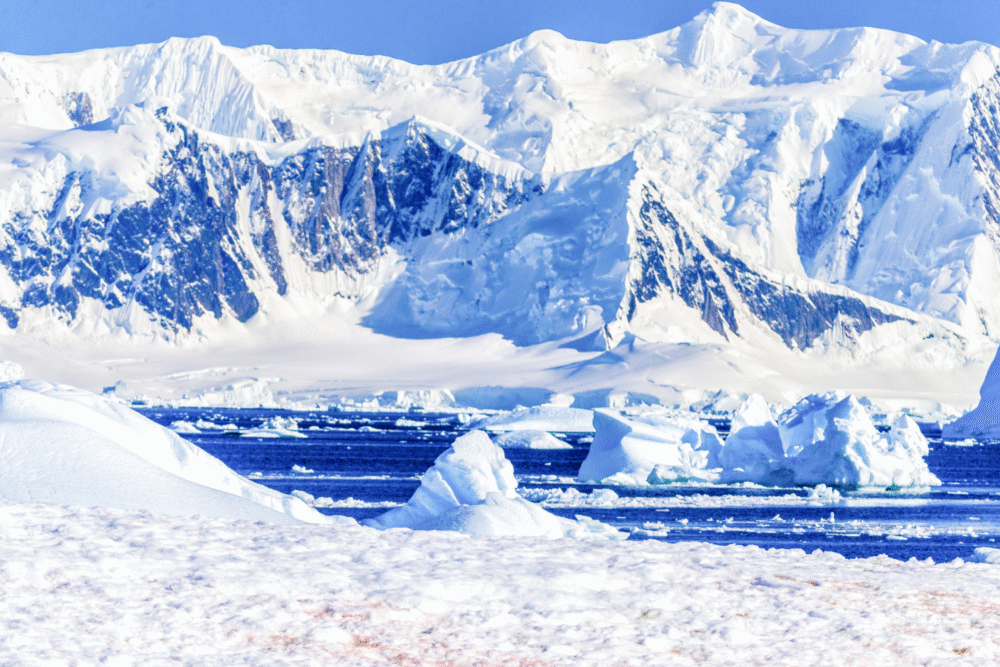
Until now, most Antarctic climate data came from ice cores or offshore marine sediments. Those records either cover limited time spans or indirect views of ice sheet behavior.
This core, drilled from beneath the ice itself, provides a rare and direct record of what happened underneath the ice sheet over deep time, filling a long-standing scientific gap.
9. The project reflects extensive international collaboration
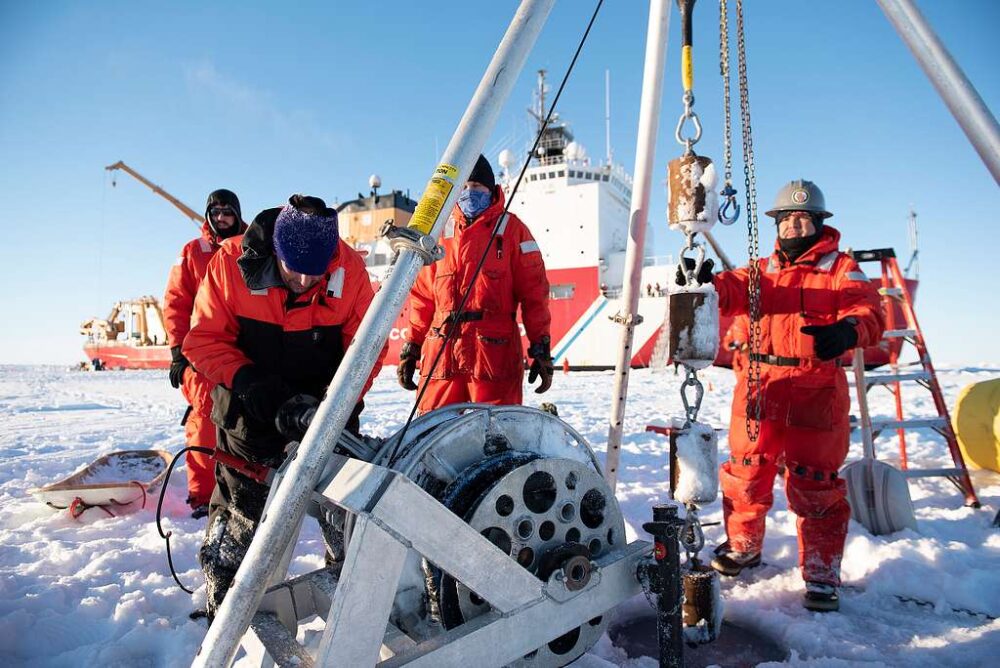
The drilling effort brought together scientists, engineers, and climate experts from multiple countries. Such collaboration was essential given the technical difficulty and cost of Antarctic fieldwork.
Pooling expertise and data ensures the findings will be widely shared and carefully verified. The project highlights how understanding polar ice has become a truly global scientific priority.
10. The core’s age makes it uniquely valuable
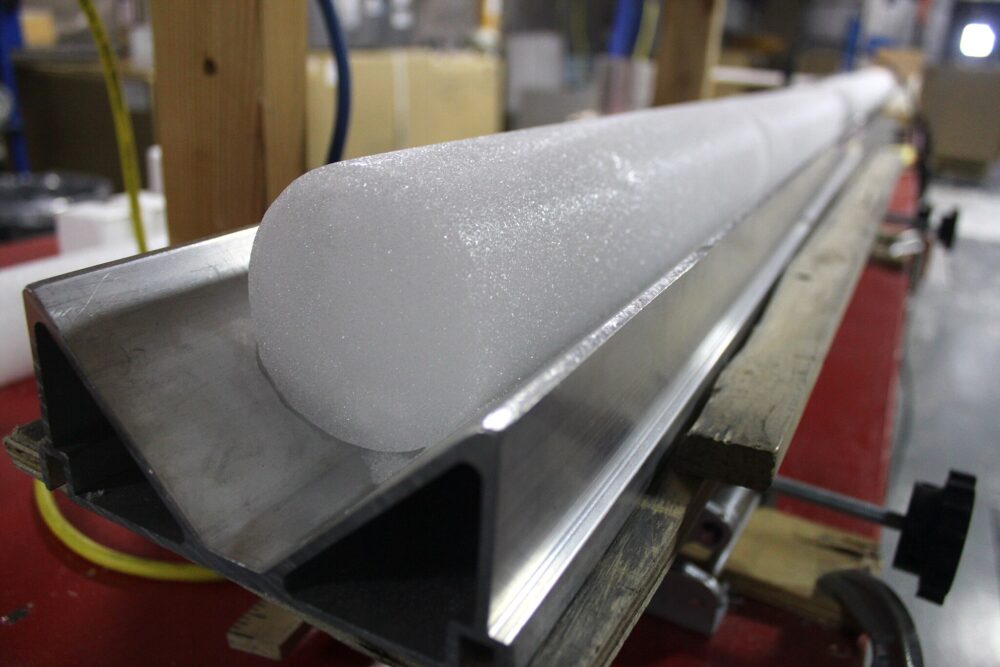
Spanning roughly 23 million years, the core includes periods warmer than what scientists expect later this century. That makes it especially valuable for testing climate and ice-sheet models.
If models can accurately reproduce ancient ice retreat seen in the core, scientists can be more confident in their projections of future Antarctic behavior and sea-level rise.
11. Why this discovery matters far beyond Antarctica
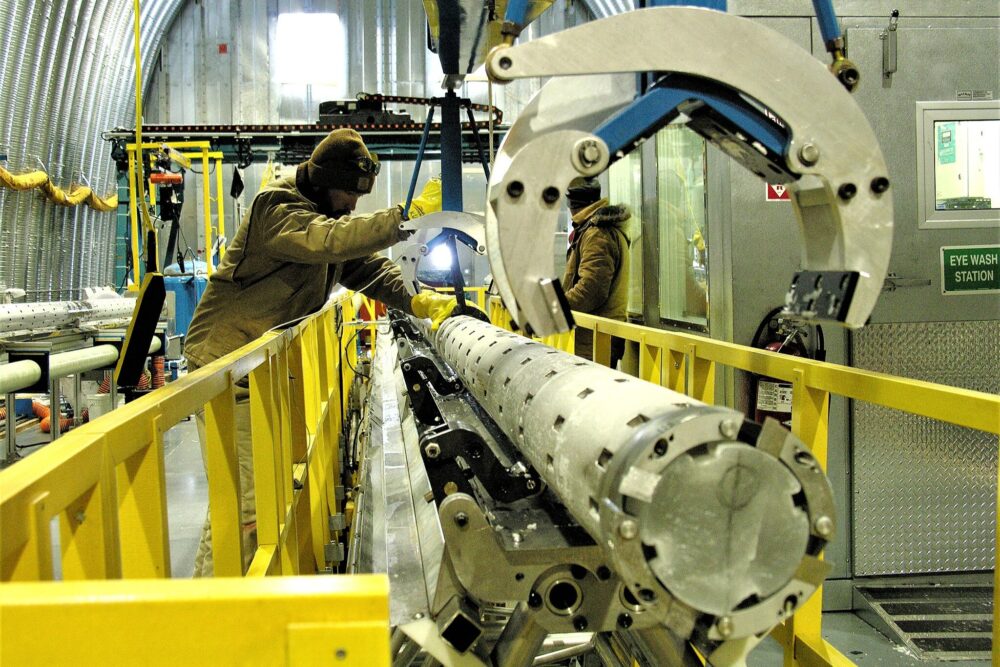
This rock and sediment core is more than a scientific milestone. It provides a long-term perspective on how Earth responds to warming and ice loss.
By studying the deep past, scientists hope to better anticipate future risks. The lessons preserved beneath Antarctica’s ice could help guide decisions affecting coastlines and communities around the world.