
Scientists Just Found a Human Ancestor Even Older Than Lucy — Living Right Next Door
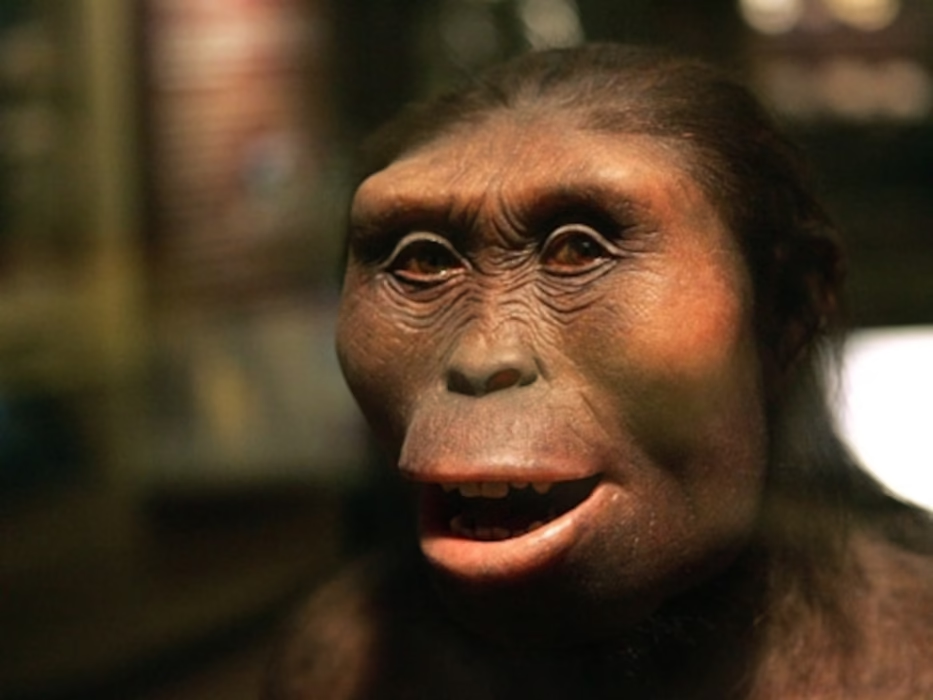
A new analysis of fossils from Ethiopia suggests Lucy’s species, Australopithecus afarensis, was not the only ancient hominin living in the region 3.5 million years ago. Scientists say these remains belong to Australopithecus deyiremeda, an even older human ancestor that overlapped with Lucy in both time and geography. The discovery challenges long-held beliefs that Lucy’s species dominated the area uncontested. Instead, early human evolution may have involved several closely related species living side by side, reshaping our understanding of how the human family tree developed.
1. Fossils Reveal an Older Hominin Lived in Lucy’s Region

Researchers analyzed jaw and tooth fossils found in Ethiopia’s Afar region. These remains are distinctly different from those of Australopithecus afarensis, the species that includes Lucy. Instead, they match another hominin known as Australopithecus deyiremeda, which is considered older and from a different lineage.
The dating of these fossils places them between 3.5 and 3.3 million years old — the same period Lucy lived in the region. This overlap means the hominin landscape was more diverse than previously understood.
2. The Discovery Challenges the Idea That Lucy’s Species Dominated
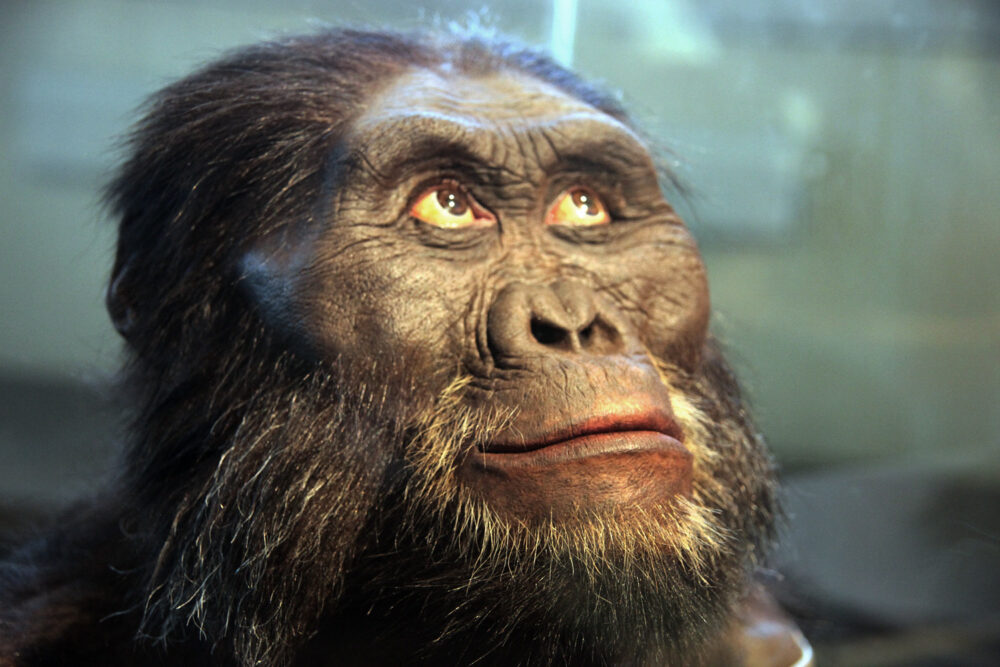
For decades, Lucy’s species was thought to be the only hominin in the area at that time. The new fossil evidence overturns this assumption, showing that at least two species lived in the same landscapes. Their coexistence suggests early human evolution was not a simple, linear process.
Instead, multiple hominins may have shared habitats and resources. This finding adds complexity to the evolutionary picture and supports the idea that several species contributed to the broader human story.
3. The Older Species Has Distinctive Jaw and Tooth Features

The fossils attributed to Australopithecus deyiremeda have unique characteristics that set them apart from Lucy’s species. Their jaws are more robust, and their teeth show different shapes and wear patterns. These anatomical differences help scientists identify them as a separate species.
Such features also hint at possible differences in diet or feeding behavior. The variation supports the idea that multiple hominins coexisted by using the environment in different ways to avoid direct competition.
4. Both Species Lived in the Afar Region of Ethiopia

The fossils come from Ethiopia’s Woranso-Mille area in the Afar region — the same broad area where Lucy’s remains were discovered. This geographic overlap is key to understanding their relationship and the local hominin diversity.
That two species occupied the same region suggests the environment was rich enough to support them both. It also shows that several evolutionary branches were present long before later species emerged.
5. The Species Overlap Between 3.5 and 3.3 Million Years Ago
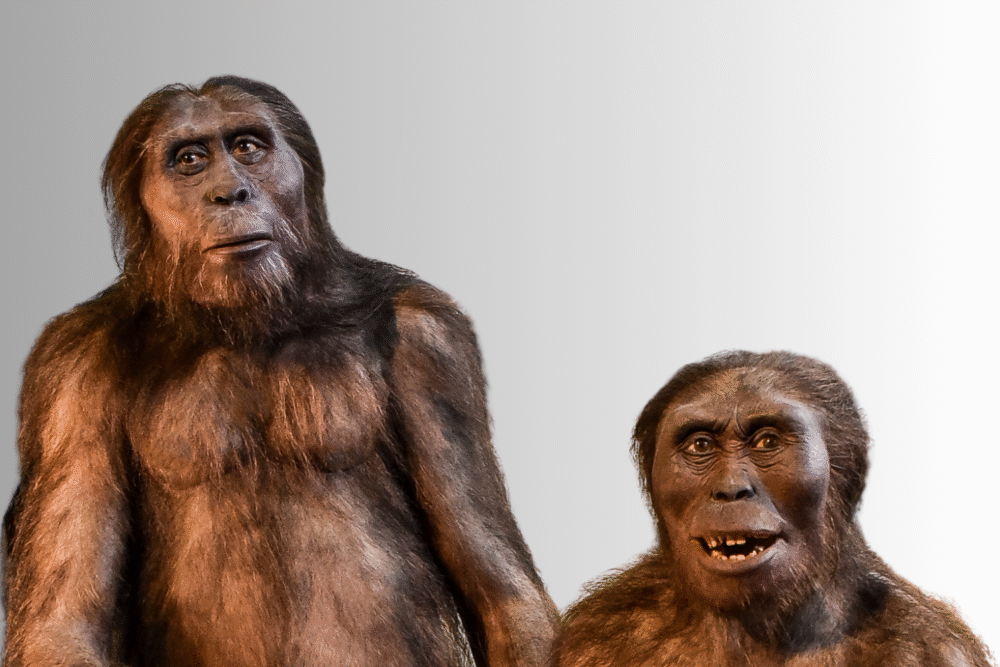
The dating of the fossils is precise enough to show a clear time overlap between Lucy’s species and Australopithecus deyiremeda. Both lived in the region between 3.5 and 3.3 million years ago, meaning they would have encountered the same landscapes and possibly the same resources.
This timeframe makes the discovery particularly important. It contradicts earlier theories that only one hominin occupied East Africa at that point in evolution.
6. The Finding Suggests Human Evolution Was Not a Straight Line

For years, textbooks depicted early human evolution as a simple hierarchy with one species replacing another. But the coexistence of Lucy’s species with an older hominin shows that evolution was branching, not linear. Multiple species overlapped, experimented with different adaptations, and contributed to the evolutionary landscape.
This branching model more accurately reflects the complex nature of hominin development. It highlights how diverse the early stages of human evolution really were.
7. Researchers Say More Species May Have Lived Alongside Lucy
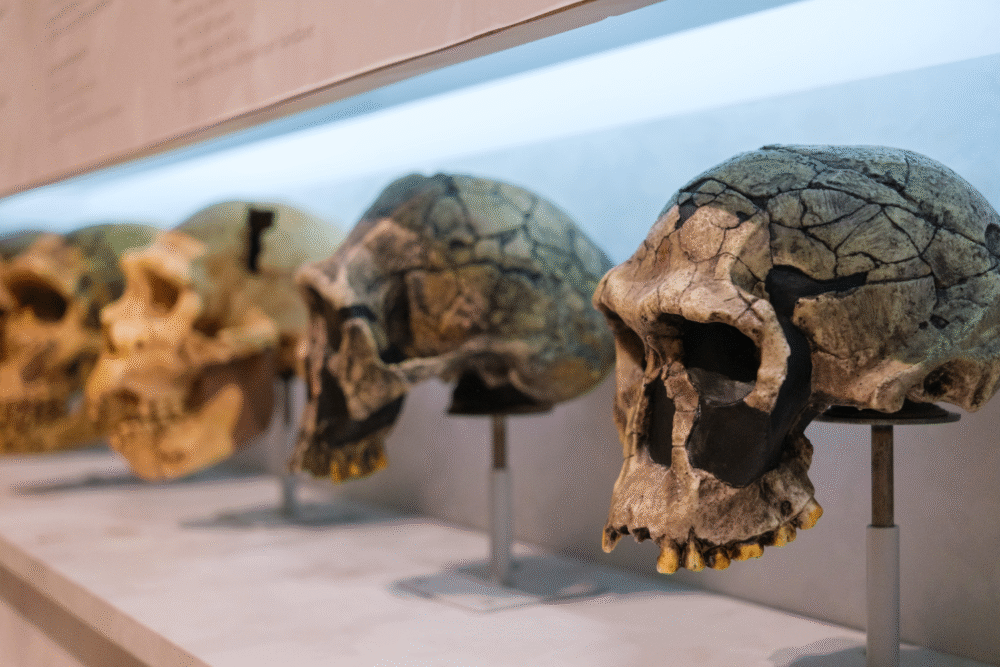
The discovery of Australopithecus deyiremeda living alongside Lucy suggests that other yet-undiscovered hominins may have also shared the region. Scientists believe the fossil record is still incomplete and that additional species may have existed in the same timeframe.
This possibility underscores how dynamic and crowded the early hominin environment may have been. Each discovery brings researchers closer to understanding the full range of species present at that time.
8. The Fossils Help Redraw the Human Family Tree
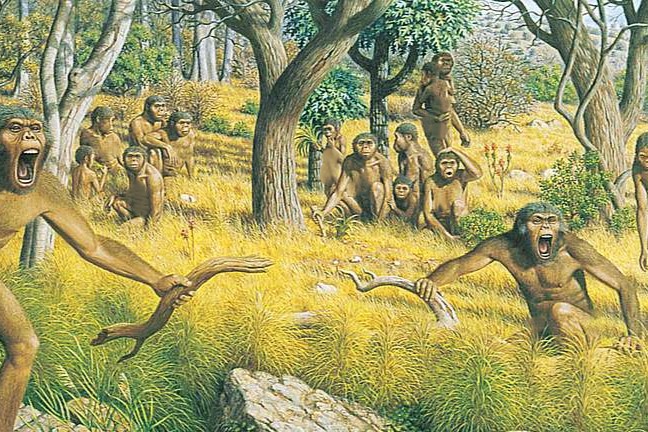
By confirming that Lucy coexisted with an older species, researchers can update the structure of the human family tree. The presence of multiple branches at the same time supports a model of evolution involving diversification rather than simple progression.
These findings help refine the placement of both species in the broader timeline and clarify how different hominins relate to later human ancestors.
9. Differences in Anatomy Suggest Different Ecological Roles
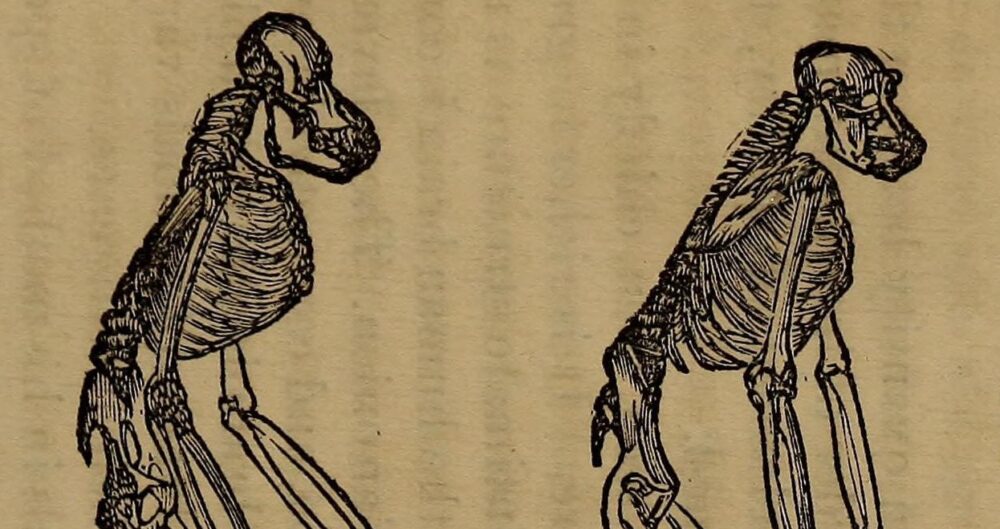
The robust jaws and unique teeth of Australopithecus deyiremeda imply a different ecological niche from Lucy’s species. They may have eaten tougher or more varied foods, allowing them to avoid direct competition with Australopithecus afarensis.
These dietary differences highlight how multiple species could thrive in the same environment. Their coexistence hints at a diverse ecosystem where various hominins exploited distinct resources.
10. The Findings Reinforce the Importance of East Africa in Human Origins

The Afar region continues to produce some of the most significant hominin discoveries. This latest finding further cements East Africa’s role as a major center for early human evolution. The region’s rich fossil beds allow scientists to uncover species diversity that was invisible for decades.
With each new discovery, the area offers deeper insight into how early hominins interacted, survived, and evolved in a shared environment.
11. Scientists Say This Is Only the Beginning of What Fossils May Reveal

Researchers involved in the study emphasize that the fossil record is still developing. The discovery of an older hominin living alongside Lucy opens the door to even more complex findings. Scientists expect future excavations to uncover additional species or new details about how early hominins lived.
This ongoing research promises to reshape our understanding of human origins. The more fossils uncovered, the clearer it becomes that the early hominin world was far more diverse than once imagined.