
New research has uncovered a hidden feature deep inside the Moon—and it’s changing how scientists view our closest neighbor.

A new analysis led by researchers from France’s CNRS and Université Côte d’Azur has offered the most detailed glimpse yet into the Moon’s hidden interior. Drawing on decades of seismic data from Apollo missions, precise laser measurements, and advanced computer modeling, the team created a more complete picture of what lies beneath the lunar surface. Their findings, published in Nature, challenge long-held assumptions about the Moon’s formation, early behavior, and ongoing evolution—revealing that its interior holds more surprises than scientists expected.
1. Scientists Finally Got Their Most Detailed Look Inside the Moon
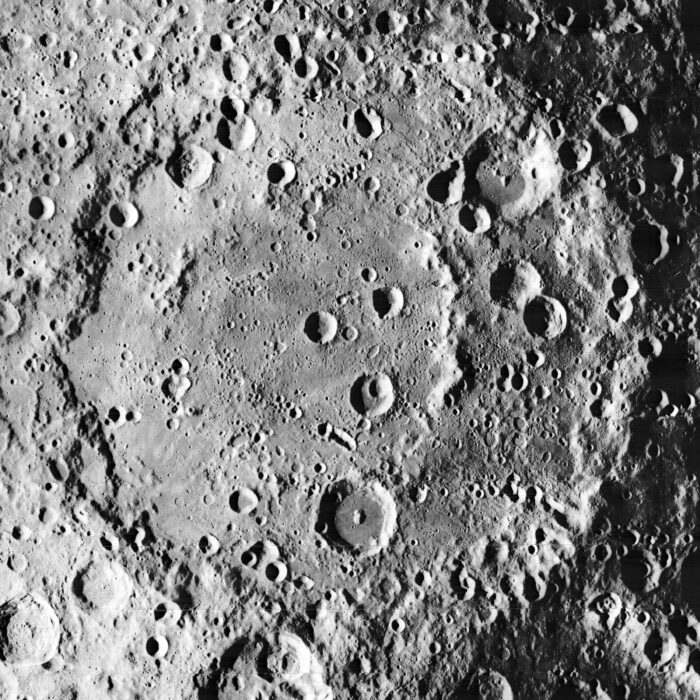
For years, scientists relied on limited Apollo-era data to guess what the Moon looked like on the inside. This new study, led by researchers from France’s CNRS and Université Côte d’Azur, combines seismic readings, laser measurements, and advanced computer modeling to create the clearest interior map ever made.
The results reveal structures scientists long suspected but could not confirm, offering a far more complete understanding of how the Moon formed and evolved over billions of years.
2. A New Modeling Technique Helped Solve a 50-Year Lunar Mystery

The research team used an advanced approach called thermo-elastic modeling, which simulates how heat, pressure, and material properties behave deep inside a planetary body. This method gives scientists a more accurate picture of internal layers and how they interact.
By comparing these simulations with real seismic data from the Apollo missions, the researchers were able to validate their results. This combined approach produced the most confident analysis of the Moon’s interior to date.
3. The Moon Has Distinct Layers Similar to Earth
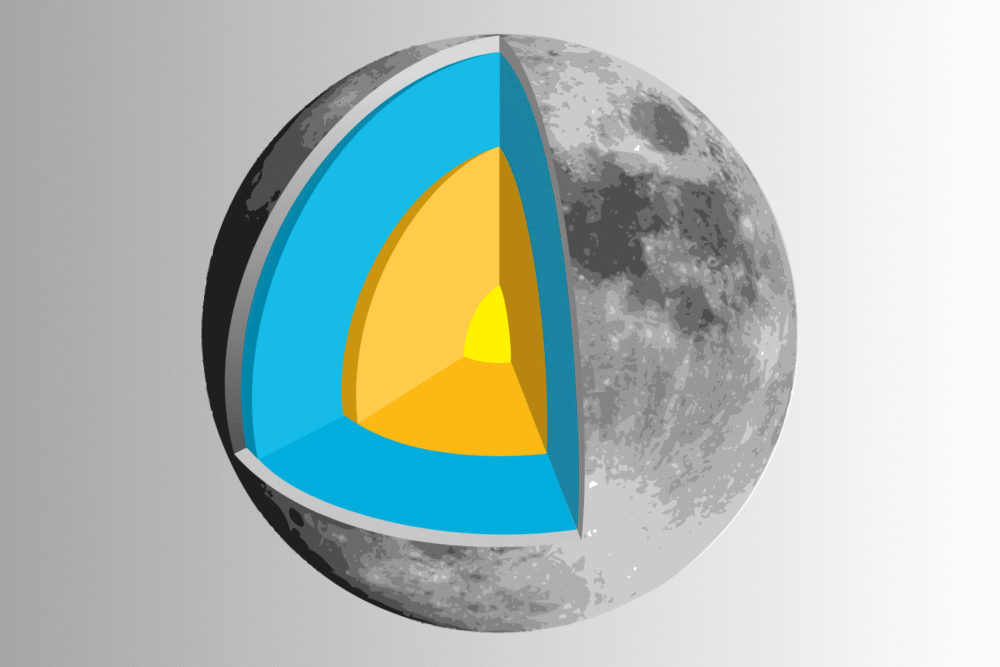
The study confirms that the Moon has a crust, mantle, outer core, and inner core, but the exact size of these layers has been debated for decades. The new findings show a more complex interior structure than many researchers expected.
These refined measurements support the idea that the Moon once had significant internal heat and geological activity. They also help explain how the Moon cooled and evolved differently from Earth after its formation.
4. The Moon’s Inner Structure Helps Explain Its Ancient Magnetic Field
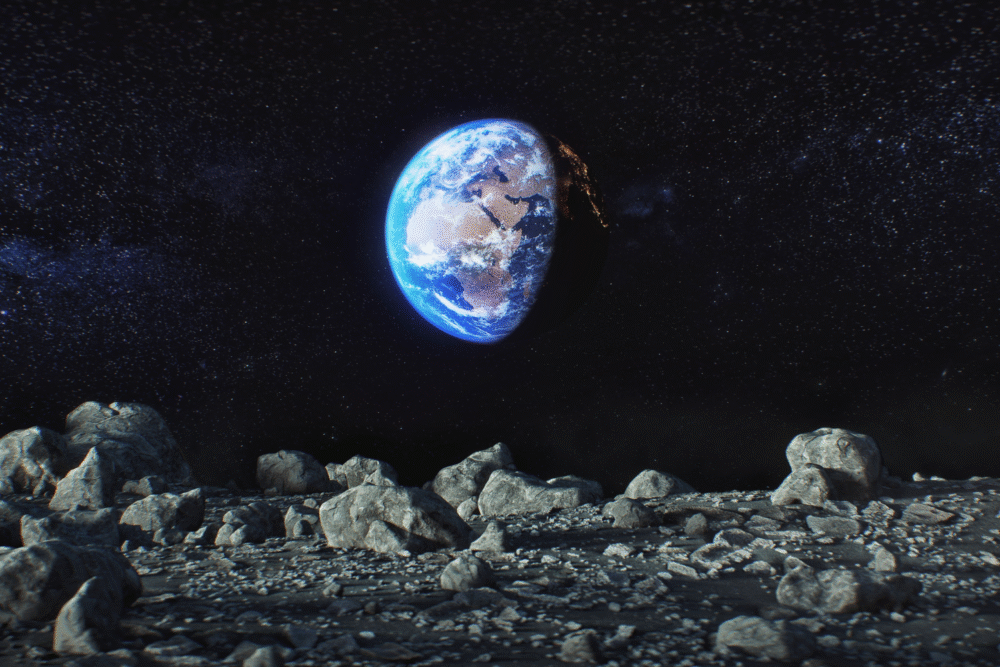
One longstanding mystery is how the Moon once generated a magnetic field strong enough to leave traces in ancient lunar rocks. The newly identified core structure provides a potential explanation for that early magnetism.
A layered core system could have driven a “core dynamo,” a process where moving liquid metal generates a magnetic field. Understanding this helps scientists reconstruct the Moon’s early history and why its magnetism eventually disappeared.
5. The Findings Strengthen the Giant-Impact Theory

The Giant-Impact Hypothesis suggests the Moon formed after a Mars-sized object collided with early Earth, throwing debris into orbit that eventually coalesced into the Moon. The new interior data matches what scientists expect from a body formed by such an extreme event.
This alignment helps explain why the Moon and Earth share similar chemical signatures while still having important structural differences. It also provides new clues about the violent beginnings of our solar system.
6. Laser Measurements Played a Key Role in the Discovery
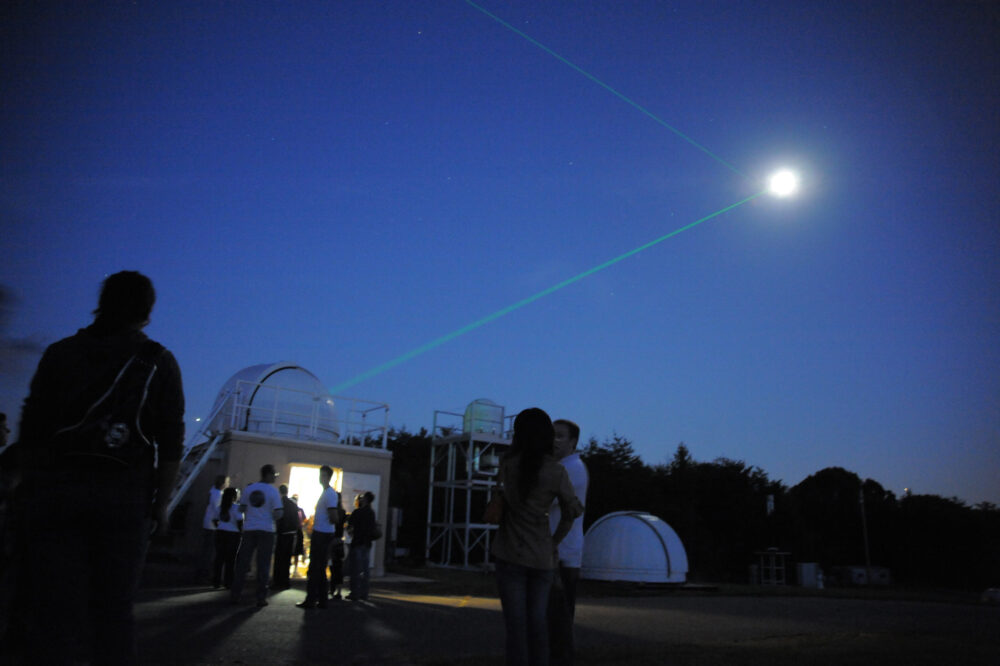
Scientists used decades of lunar laser ranging—tracking how long it takes for laser beams to bounce off reflectors left by Apollo astronauts—to study tiny changes in the Moon’s rotation and distance from Earth. These subtle motions reveal details about the Moon’s internal structure.
When combined with seismic and modeling data, these laser readings helped confirm the presence of specific layers inside the Moon. This cross-checking strengthens the study’s conclusions and reduces uncertainty.
7. Seismic Data From the Apollo Missions Remains Invaluable
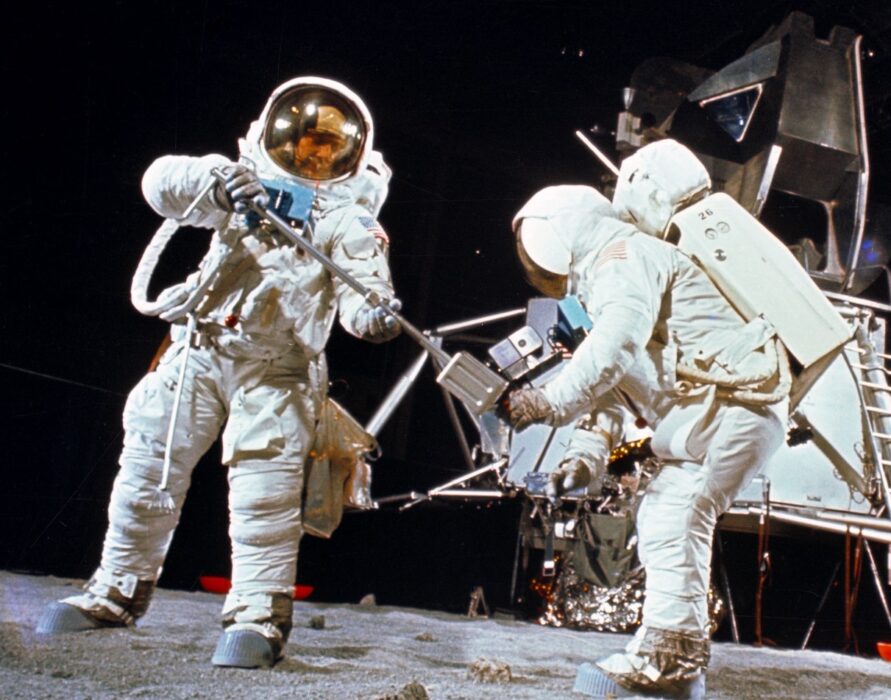
The Apollo astronauts placed seismometers on the Moon more than 50 years ago, and the data they collected continues to shape lunar science. Those recordings captured moonquakes and impacts that sent vibrations through the lunar interior.
By reanalyzing this seismic information with modern tools, scientists can extract new details that were impossible to see in the 1970s. This shows how historic data can still produce groundbreaking discoveries when paired with today’s technology.
8. The Moon’s Cooling History Is Becoming Clearer

The new findings help scientists understand how the Moon cooled from a molten body to the solid world we see today. Its core and mantle structure reveal how heat moved through the lunar interior in its early life.
This information helps researchers create better models of the Moon’s thermal evolution, giving insight into when volcanic activity stopped and how quickly the Moon became geologically inactive.
9. The Study Helps Explain Why the Moon Behaves the Way It Does

The Moon’s rotation, orbit, and even its slight wobble—called libration—are influenced by its internal structure. A more accurate understanding of its core changes how scientists interpret these motions.
This knowledge helps refine our understanding of the Earth-Moon system, including tidal interactions, orbital stability, and the long-term behavior of both bodies. It may also improve future lunar navigation and landing systems.
10. The Findings Could Influence Future Lunar Missions
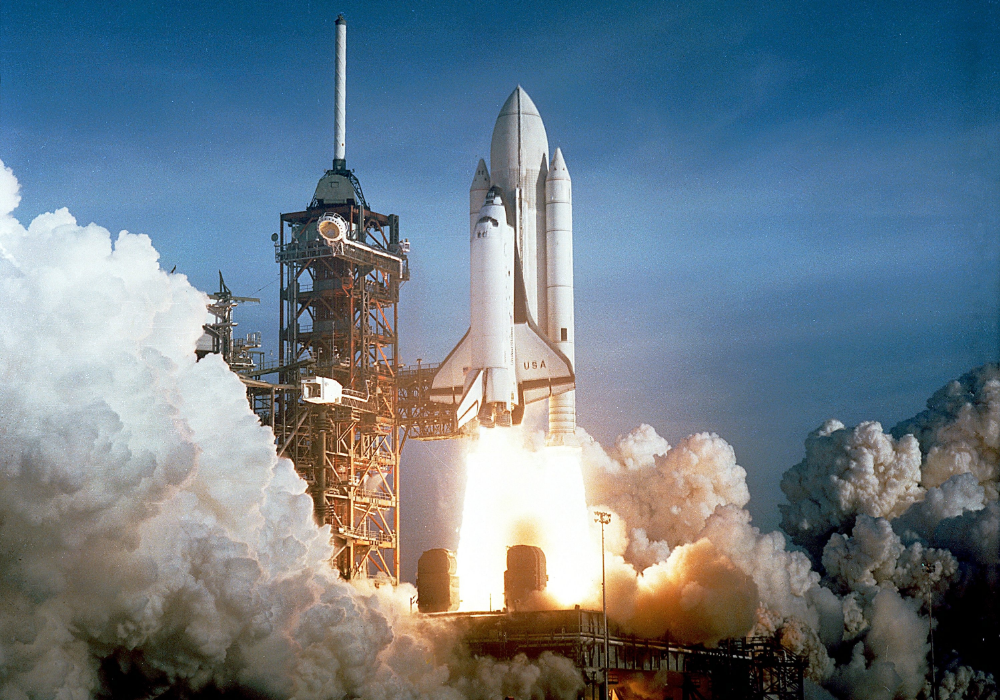
A clearer picture of the Moon’s interior helps space agencies plan future missions more effectively. Understanding how deep layers behave can guide decisions about landing sites, drilling projects, and exploration priorities.
As NASA, ESA, and private companies prepare for renewed lunar exploration, this research provides valuable scientific context. It ensures that upcoming missions can target areas most likely to reveal new clues about the Moon’s history.
11. Scientists Say This Is Just the Beginning
Even with these new insights, researchers emphasize that the Moon still holds many secrets. More data from future missions, lunar seismometers, and sample-return projects could refine the interior model even further.
The study shows how combining old data with modern technology can unlock major discoveries. Scientists believe even more breakthroughs are likely as exploration ramps up and analytical tools continue to improve.