
The ocean floor still has a talent for making scientists gasp.
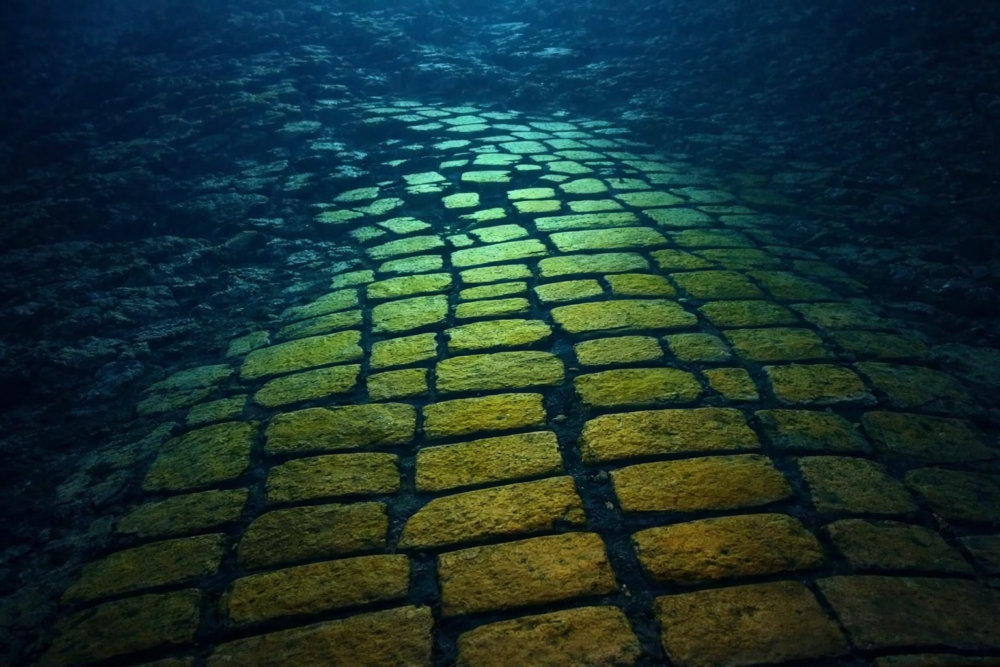
In 2022, researchers cruising the deep Pacific saw something that looked straight out of a storybook: a path of yellowish “bricks” laid neatly across the seafloor. It was so uncanny it sparked instant chatter about Oz and Atlantis, even though the truth is far more geological than magical.
The formation turned out to be real, natural, and weirdly perfect looking. And it’s a great reminder that the deep ocean still loves surprises.
1. The “yellow brick road” was spotted during a Nautilus expedition.

Scientists found the formation during a 2022 expedition aboard the Ocean Exploration Trust’s exploration vessel E/V Nautilus. It wasn’t a planned “search for a road” moment, just a lucky catch during deep-sea exploration.
That’s what makes it so fun. This wasn’t staged or exaggerated into existence. A remotely operated vehicle simply rolled over the area, cameras running, and suddenly the seafloor looked like it had been tiled on purpose.
2. The road sits more than 3,000 meters below the surface.

This feature lies over 3,000 meters deep, around 9,843 feet down, which is a kind of depth that makes human imagination spiral. At that point, there’s no sunlight, huge pressure, and a sense that anything could be hiding in the dark.
It was found on Nootka Seamount, part of the Liliʻuokalani Ridge inside Papahānaumokuākea Marine National Monument, north of Hawaii. That location alone makes the discovery feel even more remote and mysterious.
3. The surrounding region is enormous and barely explored.
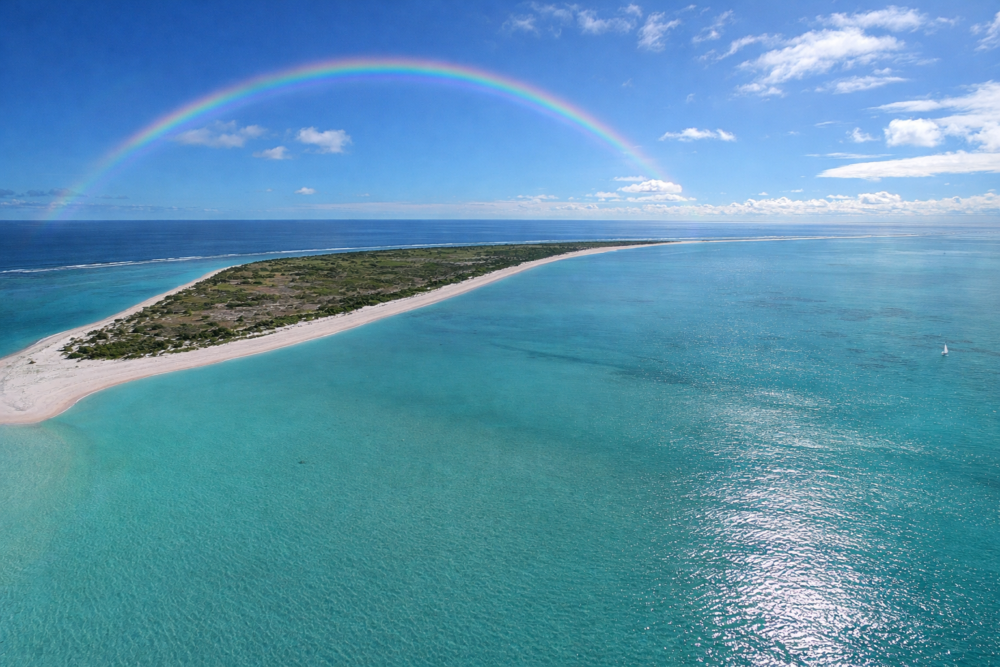
Papahānaumokuākea Marine National Monument is a massive protected zone, bigger than all U.S. national parks combined. Yet only about 3 percent of its seafloor has been explored, which is honestly wild to think about.
So when people ask, “How did we not know this was there?” the answer is simple. Most of the deep ocean is still unvisited. Discoveries like this aren’t rare because they don’t exist, they’re rare because we haven’t looked.
4. The surface looked oddly flat and dry, like a lakebed.

The footage showed a flat area that looked strangely arid, almost like a dried-up lakebed. That visual is part of why it hit people so hard. Deep ocean scenes usually look messy, soft, or draped in sediment.
Instead, this spot looked clean and sharp-edged. It had structure. It had geometry. It had the kind of “too neat” appearance that makes people assume a human explanation even when none exists.
5. The “bricks” came from fractured volcanic rock.
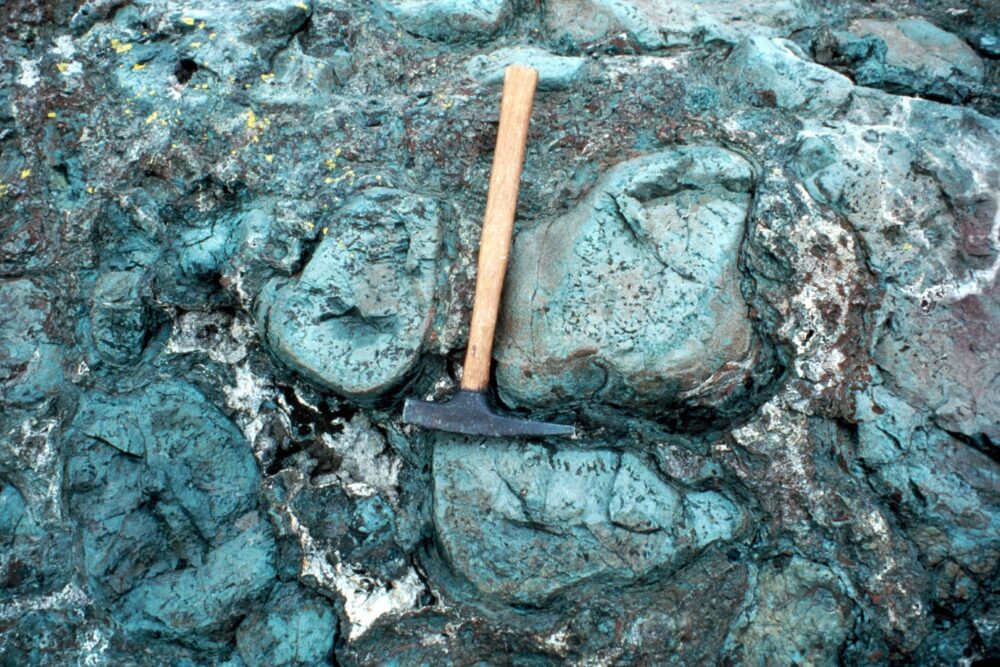
The formation was identified as fractured hyaloclastite, a volcanic rock created during high-energy eruptions where hot material shatters into fragments and settles on the seabed. It’s not the kind of rock most people picture when they hear “volcano.”
Hyaloclastite can form wide surfaces that later crack in dramatic ways. So the brick-like effect isn’t a carved pathway. It’s nature breaking its own material into neat shapes, almost like it got bored and decided to show off.
6. The cracks formed crisp right angles that looked manmade.
The most jaw-dropping detail was the pattern: uniform cracks, many forming 90-degree angles, creating blocks that looked like big stone tiles. Add the yellowish tones, and your brain instantly fills in the rest.
The crew’s reactions were basically the same as anyone watching at home. They compared it to the road to Oz and even Atlantis, because your mind always reaches for myth when it sees something that tidy in an untidy world.
7. Heating and cooling stress likely “baked” and cracked the crust.
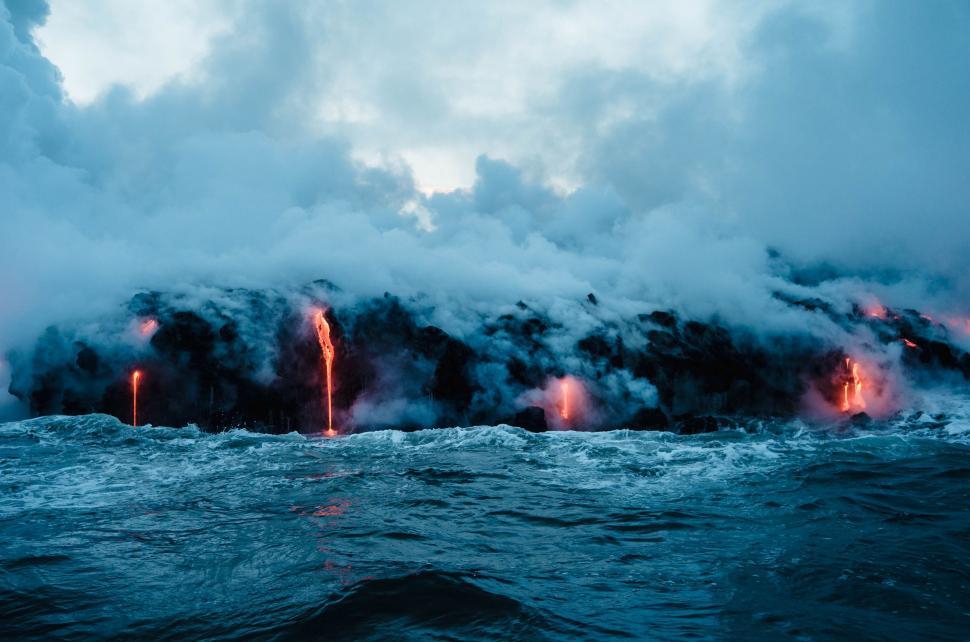
Geologically, the explanation is much less mystical. Repeated lava flows can create heating and cooling stress, causing the surface to fracture as it expands and contracts. Scientists described it like a baked crust cracking into straight-edged blocks.
It’s similar to how drying mud forms polygon cracks, except this is volcanic material deep under the ocean. No lost civilization required, just physics, temperature shifts, and time doing what they always do.
8. The formation helps scientists understand seamounts and oceanic crust.
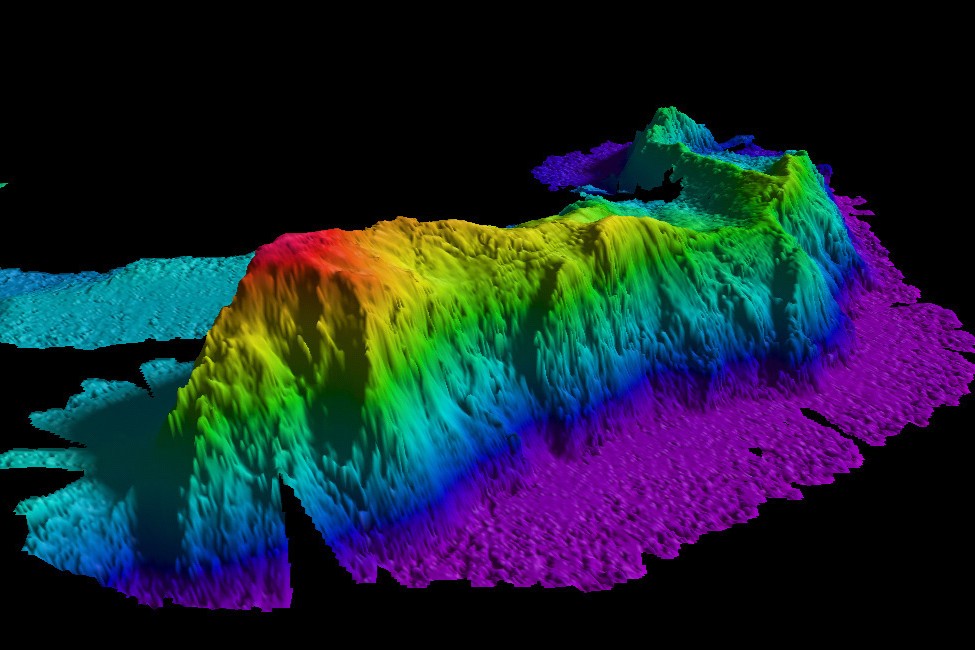
Beyond the headlines, this kind of feature gives scientists clues about how underwater ridges form and how ancient eruptions behaved. Seamounts like Nootka are basically time capsules, built layer by layer through volcanic activity.
Studying fracture patterns and rock types helps researchers piece together the life story of the seafloor. It’s not just a quirky photo op. It’s useful evidence for how Earth has been building itself beneath the waves for millions of years.
9. Live-streamed exploration makes discoveries feel shared in real time.

One reason this story blew up is because the Nautilus expeditions are often shared publicly, letting people watch discoveries happen live instead of hearing about them months later. That creates a rare feeling of immediacy.
You’re not reading a polished summary after the fact. You’re hearing the surprised voices, the spontaneous jokes, and the genuine excitement when something unexpected rolls into view. It turns deep-sea science into something people can actually feel.
10. It’s a reminder that the ocean still holds huge unknowns.
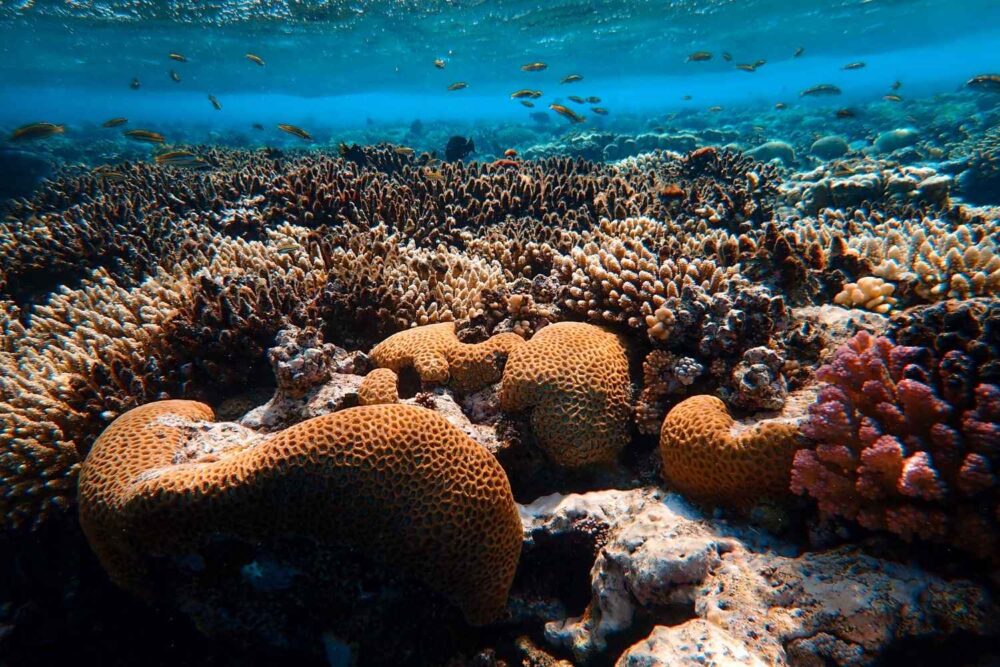
Depending on who you ask, estimates suggest roughly 80 to 95 percent of the ocean remains unexplored. That number sounds almost fake, but moments like this make it feel believable again.
A bizarre “brick road” on the seafloor isn’t a one-off magic trick. It’s a preview of how many strange, beautiful, perfectly natural things are waiting down there. We just haven’t gotten around to meeting them yet.