
Astronomers say a distant world called HD 137010 b could sit on the edge of habitability despite its icy temperatures.
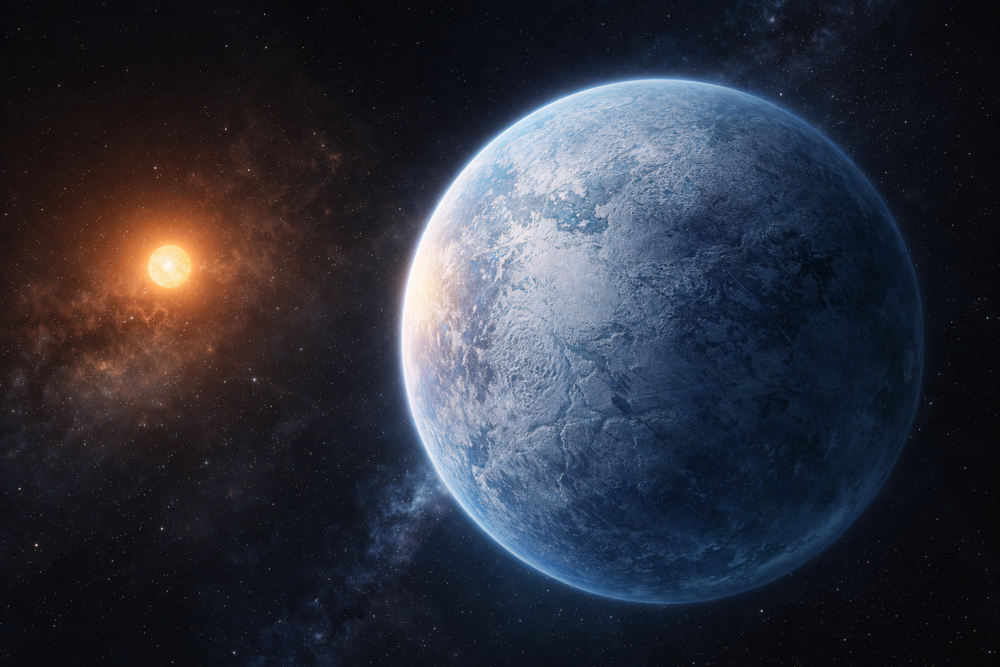
When people picture a potentially habitable planet, they imagine something warm and comfortably orbiting a star like our Sun. But researchers studying HD 137010 b are challenging that assumption in an intriguing way.
Located about 146 light-years from Earth, this exoplanet candidate appears to orbit a cooler, dimmer K-type star. It’s roughly Earth-sized and completes one orbit in about 355 days.
Although its estimated surface temperature is far colder than Earth’s, scientists say its position near the outer edge of the habitable zone means liquid water might still be possible under the right atmospheric conditions.
1. A chilly world on the edge of habitability
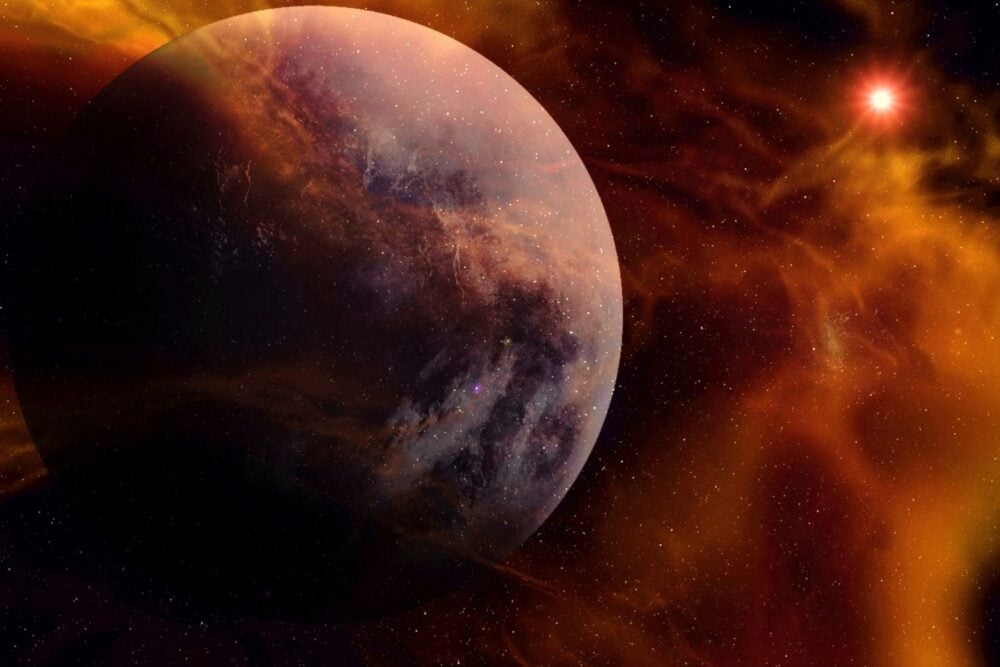
HD 137010 b lies near the outer boundary of its star’s habitable zone—the region where liquid water could potentially exist on a planet’s surface. Because its host star emits less energy than our Sun, the warmth reaching the planet is significantly reduced.
Current models estimate an equilibrium temperature around −68 °C (−90 °F), making it colder than Mars. However, if the planet has a thick enough atmosphere, greenhouse effects could raise temperatures enough to support liquid water in certain regions.
2. Earth-like size makes it especially interesting
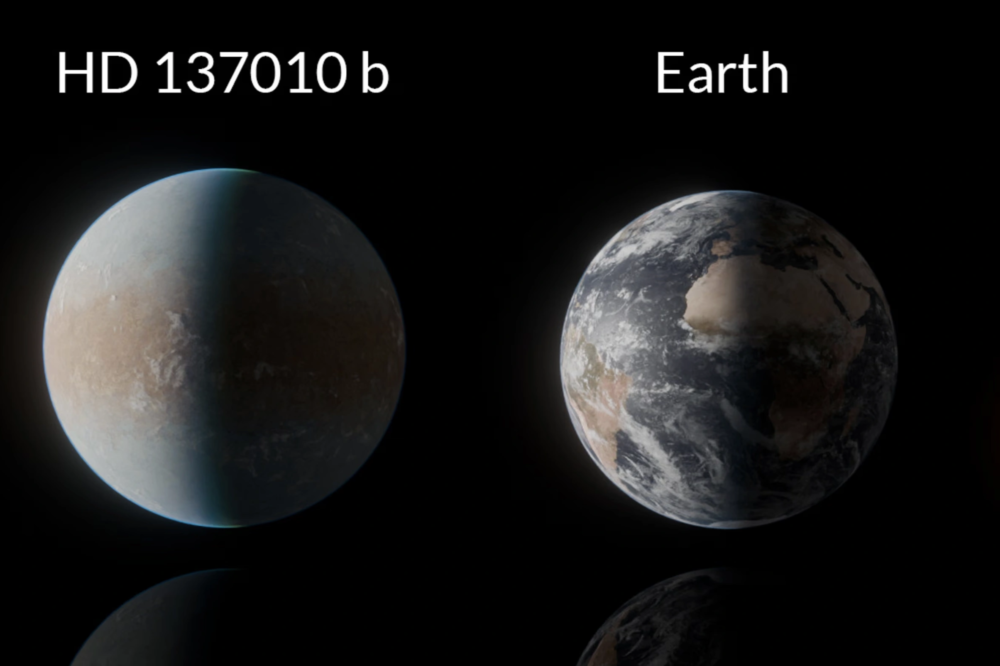
HD 137010 b is estimated to be about 1.06 times Earth’s radius, making it slightly larger but still within the range considered potentially rocky. Size plays a major role in habitability.
An Earth-sized planet can retain heat from its interior and maintain an atmosphere over long timescales. These factors increase the chances that the planet could sustain stable surface or subsurface conditions.
3. It was spotted through a single transit event
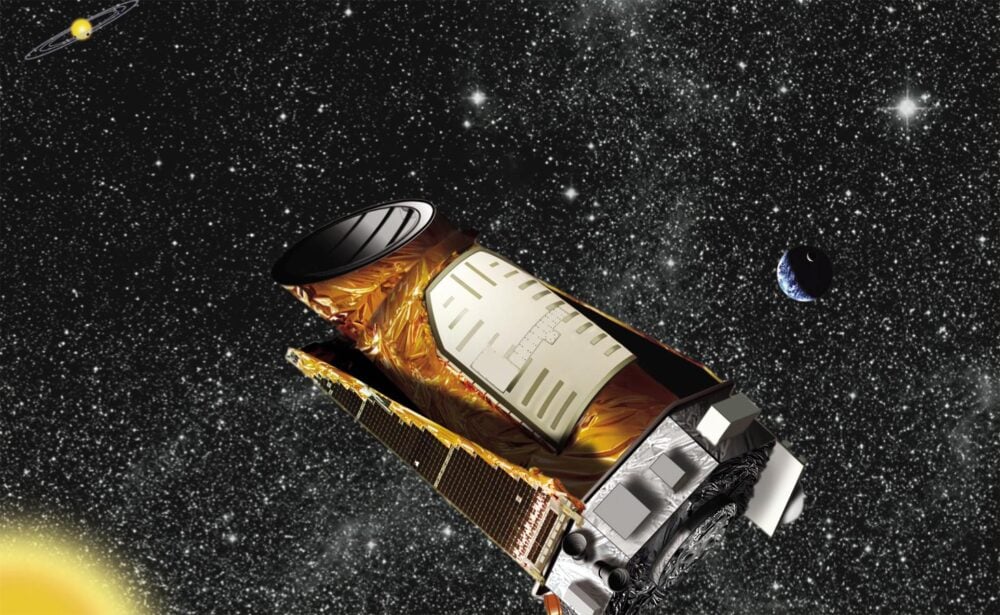
Astronomers detected HD 137010 b in archival data from NASA’s Kepler Space Telescope. The discovery came from a single observed transit—when the planet briefly passed in front of its star and dimmed its light.
Because only one transit has been recorded, the planet is still considered a candidate rather than fully confirmed. Additional observations will be needed to verify its orbit and refine its characteristics.
4. Its year is surprisingly similar to Earth’s
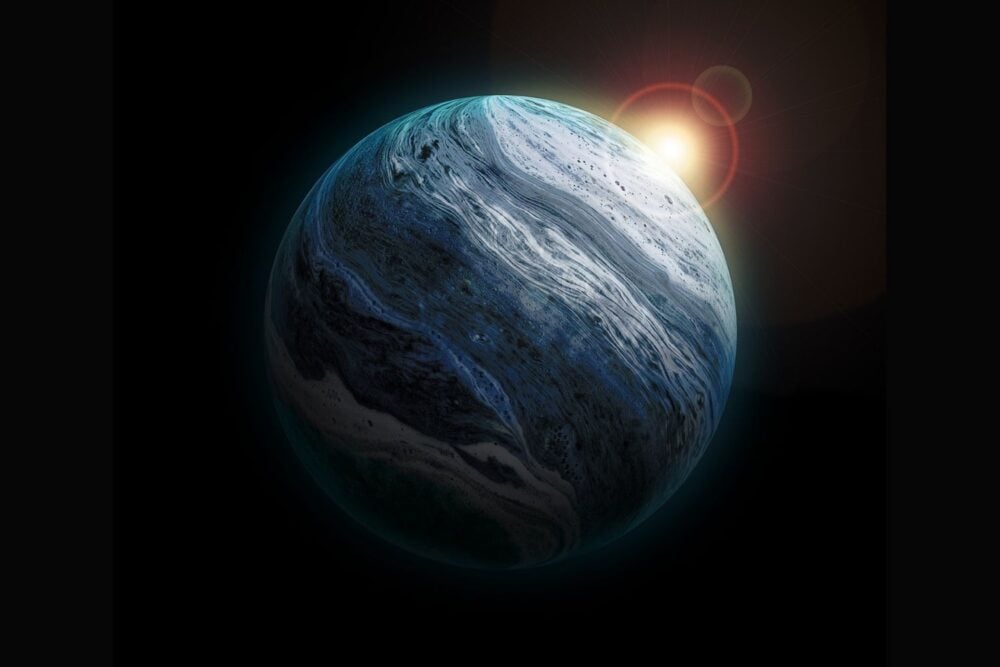
HD 137010 b completes one orbit around its star in approximately 355 days. That orbital period is strikingly close to Earth’s 365-day year.
This similarity suggests that the planet’s distance from its star may be comparable to Earth’s distance from the Sun, adjusted for the star’s lower brightness. That positioning is one reason it falls near the habitable zone’s boundary.
5. Habitability depends heavily on its atmosphere

Whether HD 137010 b could actually support liquid water depends largely on the composition and thickness of its atmosphere. A dense, carbon dioxide-rich atmosphere could trap enough heat to warm the surface.
Without sufficient greenhouse gases, however, the planet would remain frozen. Because astronomers have not yet measured its atmosphere directly, this remains one of the biggest uncertainties surrounding the world.
6. The odds place it right on the edge
Modeling suggests there is roughly a 40 percent chance that HD 137010 b lies within the conservative habitable zone and about a 51 percent chance within a broader, more optimistic range.
At the same time, there remains a significant probability that it falls outside both zones. That uncertainty makes the planet both compelling and scientifically challenging.
7. It orbits a cooler K-type star
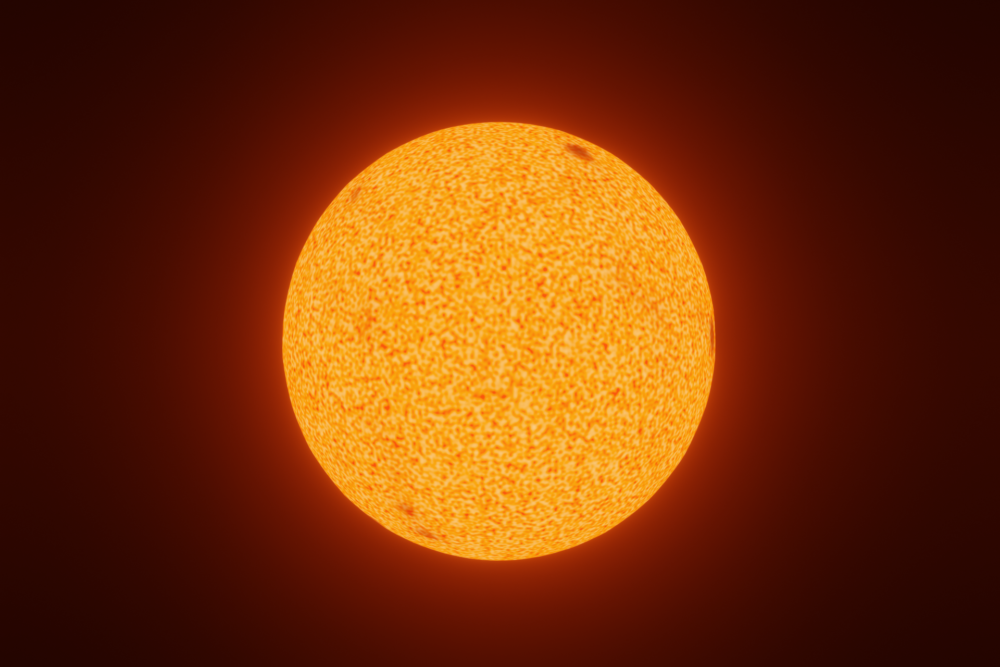
The host star, HD 137010, is a K-type star—cooler and slightly smaller than our Sun. K-type stars are considered promising targets in the search for habitable worlds.
They burn more steadily than many red dwarf stars and may provide long periods of stable energy output. That stability can improve the chances of long-term planetary habitability.
8. Future telescopes could provide answers
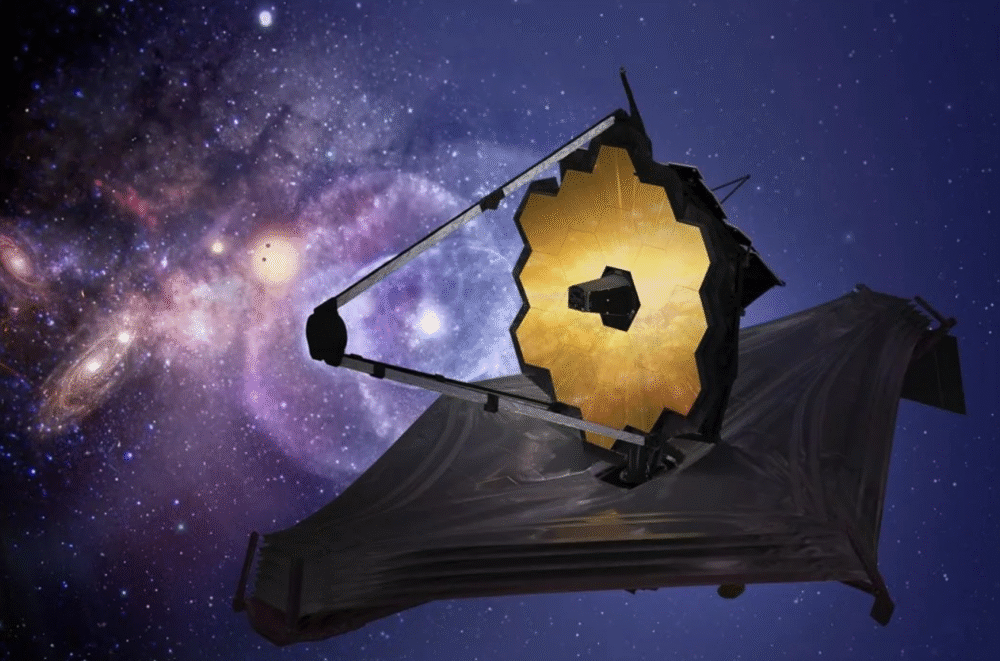
Because the star is relatively bright and close in cosmic terms, HD 137010 b could be a target for follow-up studies using advanced telescopes.
Missions like the James Webb Space Telescope and upcoming European observatories may be able to confirm the planet’s existence and potentially analyze its atmosphere.
9. It challenges strict “Goldilocks” definitions
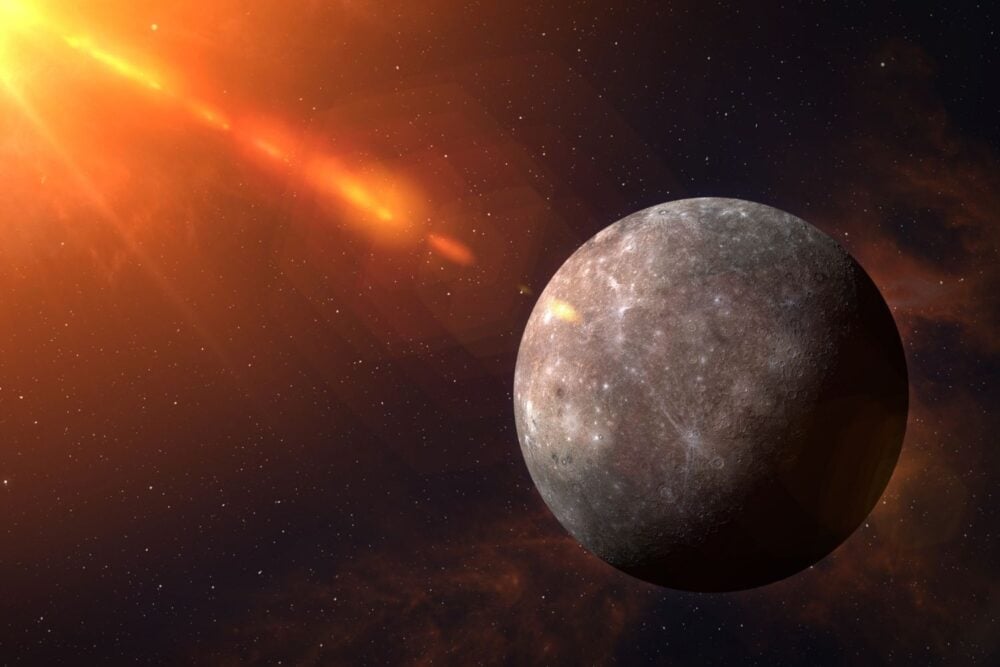
For decades, scientists focused heavily on the classic “Goldilocks zone,” where planets receive just the right amount of heat from their stars.
HD 137010 b suggests the edges of that zone might be more flexible than once believed. Even colder planets could remain viable if atmospheric conditions compensate for lower stellar energy.
10. Why this discovery matters

HD 137010 b broadens the search for habitable planets by showing that Earth-like size and orbital distance don’t guarantee Earth-like warmth.
Even if this particular world turns out to be too cold, it highlights how diverse planetary systems can be. Each new candidate refines our understanding of where life might—or might not—be possible in the galaxy.