
After decades of debate, researchers say they may have finally uncovered the purpose of Peru’s strange “Band of Holes.

High in Peru’s Pisco Valley, thousands of perfectly aligned holes stretch across a barren mountainside, forming one of archaeology’s most baffling enigmas. For centuries, no one knew who created them—or why. The 5,200 man-made pits, nicknamed the “Band of Holes,” have inspired countless theories, from ancient burial grounds to alien runways. Now, after years of study and new high-tech mapping, scientists believe they’re closer than ever to solving this centuries-old mystery hidden in the Andes.
1. A Peruvian Mystery Hidden in Plain Sight
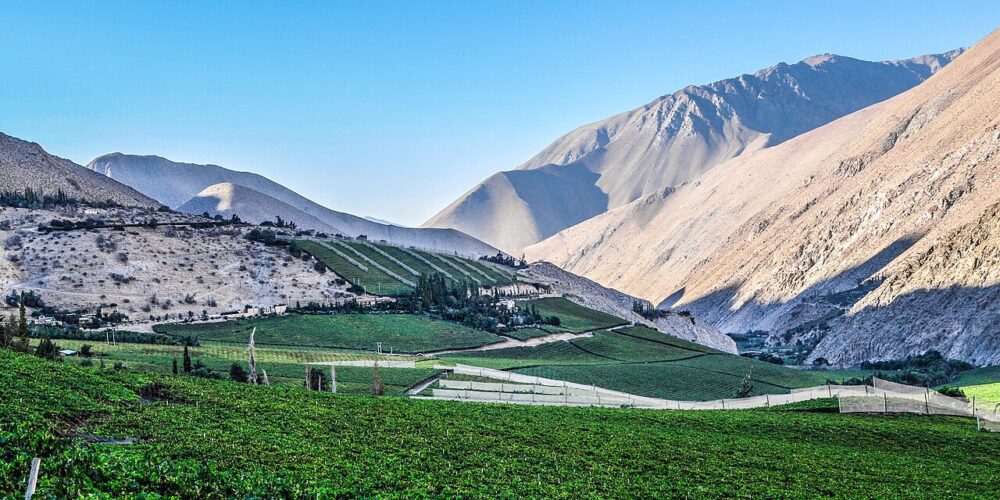
In the arid hills of Peru’s Pisco Valley, about 120 miles south of Lima, lies one of archaeology’s strangest sights: thousands of uniform holes stretching across a steep mountainside. Locals long called the site the “Band of Holes” because of its appearance—a ribbon of evenly spaced pits running nearly a mile in length.
For decades, researchers could only guess at their purpose. From the ground, the formations looked too organized to be random, yet too unusual to fit neatly into known Inca or pre-Inca architecture.
2. The Discovery That Sparked Global Curiosity
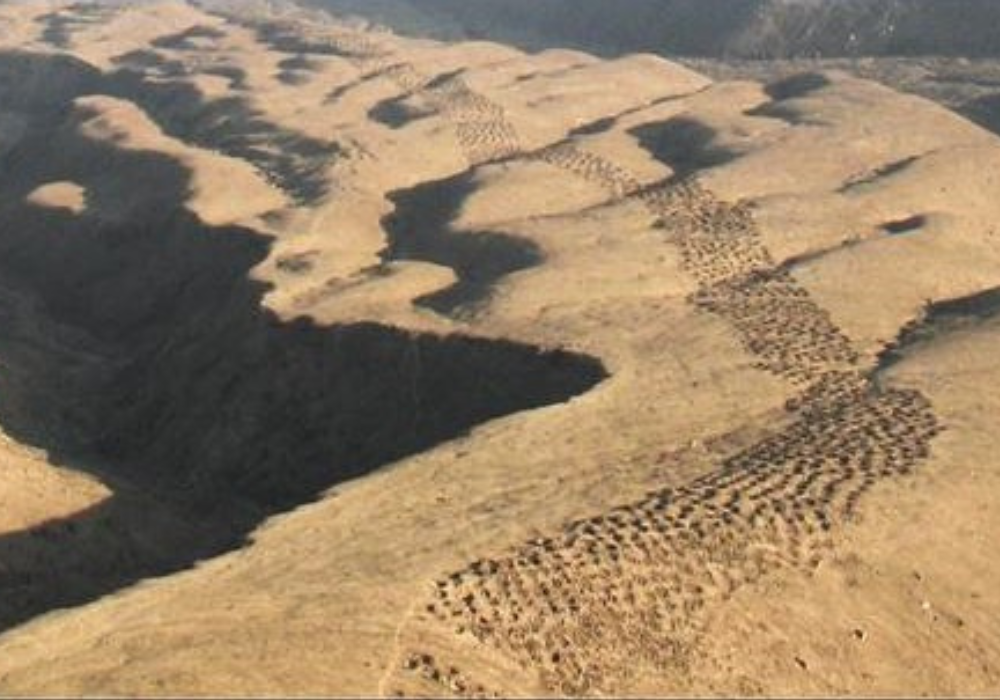
Although the Band of Holes was known to local communities for generations, it gained international attention in the 1930s when American explorer Robert Shippee captured it from the air. The strange patterns baffled archaeologists, and early photographs circulated widely in academic journals.
The sheer number of pits—estimated at more than 5,000—made the site especially puzzling. Each measured roughly one meter wide and deep, suggesting deliberate design. Yet, without artifacts or remains inside, their purpose remained elusive.
3. Theories Ranged From Storage to the Supernatural
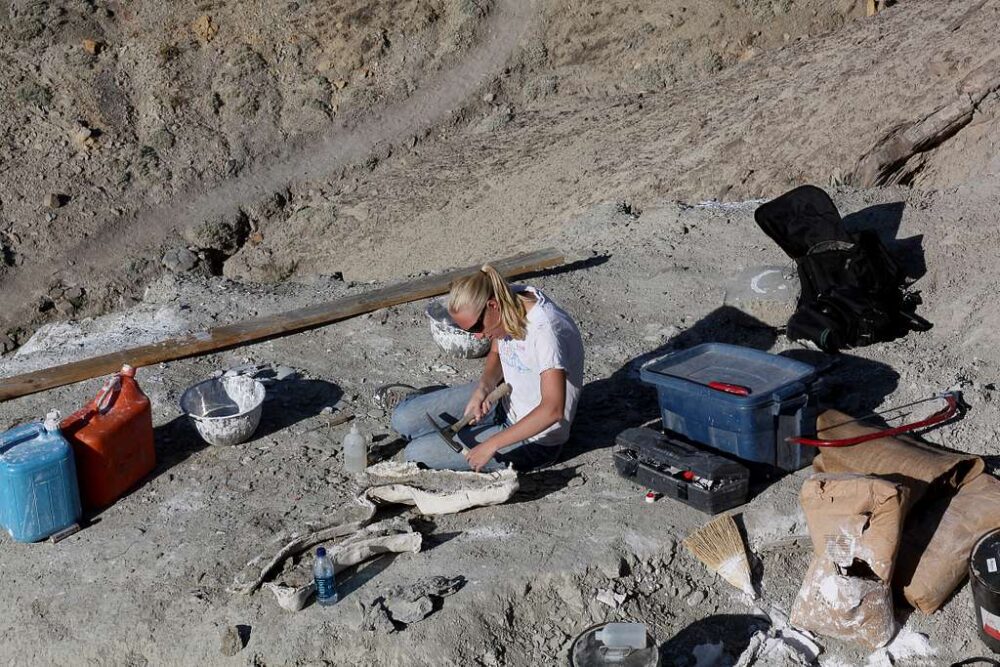
Over the years, researchers and amateurs proposed countless explanations. Some believed the holes were ancient burial sites; others thought they were food storage pits, or even mining shafts for salt or guano. A few fringe theories invoked extraterrestrial visitors, inspired by the site’s geometric perfection.
But none of these ideas held up under close study. No human remains, tools, or mineral deposits were found in the pits. And while nearby Inca structures often served clear ceremonial or agricultural functions, these holes defied all cultural parallels.
4. New Technology Offered a Fresh Perspective

In recent years, scientists have used drones and 3D mapping to study the site from above in unprecedented detail. High-resolution aerial imagery revealed that the Band of Holes isn’t random—it follows a carefully ordered pattern divided into distinct sections with varying shapes and depths.
These patterns suggested purpose and organization, possibly connected to human activity such as counting, sorting, or recording. The technology allowed researchers to analyze alignment, spacing, and orientation—critical clues that were impossible to see from ground level.
5. A Breakthrough From a Modern Research Team

In 2024, a new study led by archaeologist Charles Stanish, director of the Institute for the Advanced Study of Culture and the Environment at the University of South Florida, offered the most convincing explanation yet. Stanish and his team combined drone data, local oral histories, and comparisons with nearby archaeological sites to interpret the Band of Holes’ role.
They concluded that the formations likely date to the Late Intermediate Period, before the Inca Empire’s rise, and were probably linked to regional economic activity—a system designed to track or record goods moving through the Pisco Valley.
6. Evidence Points to Ancient Record Keeping

The holes’ arrangement into long rows appears intentional, resembling a kind of counting grid. The researchers propose that officials or traders may have used the pits to tally agricultural products, textiles, or other resources. Objects could have been placed temporarily into the holes as part of a primitive accounting system.
This hypothesis fits what’s known about Andean societies, which managed vast networks of trade routes and stored data through intricate systems like quipus—knotted cords used for record keeping. The Band of Holes may represent an earlier or complementary version of that practice.
7. The Location Offers Key Context
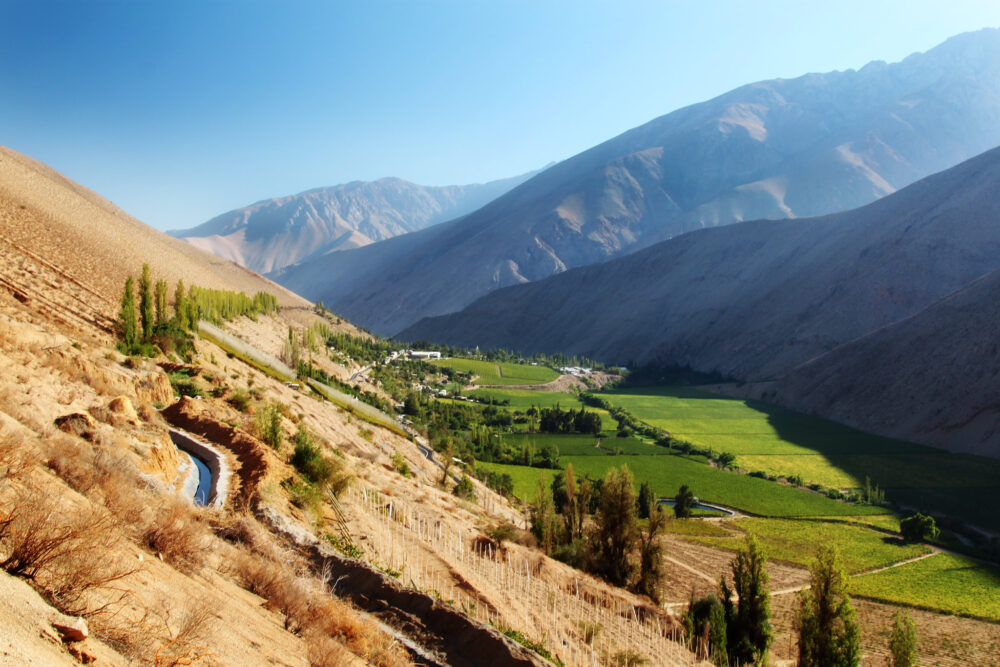
The site’s position high above the Pisco Valley would have made it ideal for administrative oversight. The valley served as an important corridor connecting coastal settlements with highland trade routes. From this vantage point, officials could monitor movement and distribution of goods across the region.
Archaeologists also note that nearby Inca and pre-Inca sites include storage facilities, roads, and ceremonial structures, supporting the idea that the Band of Holes was part of a broader administrative or economic complex rather than an isolated phenomenon.
8. How the “Band” May Have Functioned
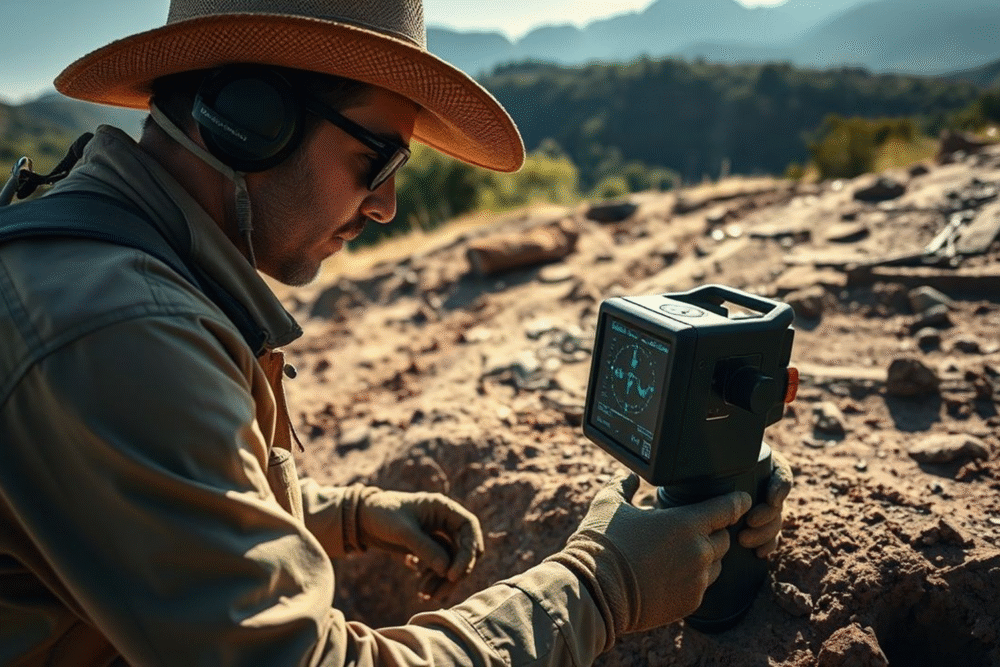
Researchers suggest that each row of holes could represent a distinct product or region, allowing ancient administrators to conduct inventories efficiently. Goods such as maize, potatoes, or textiles might have been placed in the pits temporarily, counted, and then redistributed along trade routes.
While no organic remains were found, the site’s design suggests movement and measurement rather than storage. Its scale indicates coordination and planning, consistent with the organized economic systems that characterized ancient Andean civilizations.
9. Theories of Ritual or Symbolism Haven’t Vanished
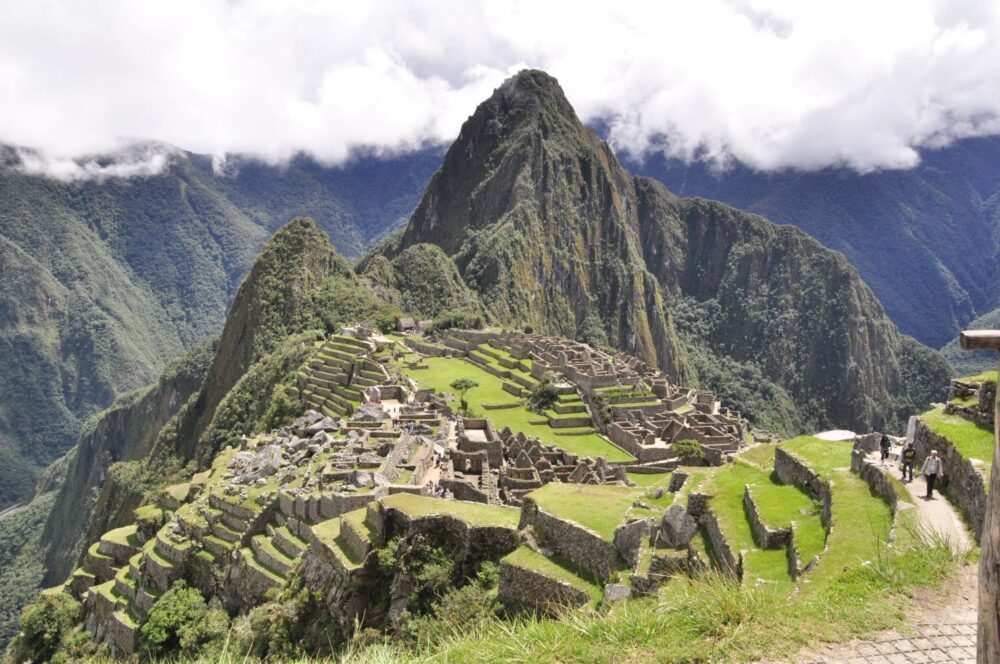
Not all experts agree that the site’s function was purely economic. Some archaeologists believe the Band of Holes may also have held ceremonial or astronomical significance, as is common in Andean architecture. The alternating sizes and depths could have marked seasonal events or served as offerings to local deities.
It’s possible that the structure served multiple purposes—both practical and spiritual. In Andean culture, economics and religion were deeply intertwined, with agricultural and trade activities often accompanied by ritual practices to honor the gods.
10. The Band of Holes Remains a Cultural Landmark
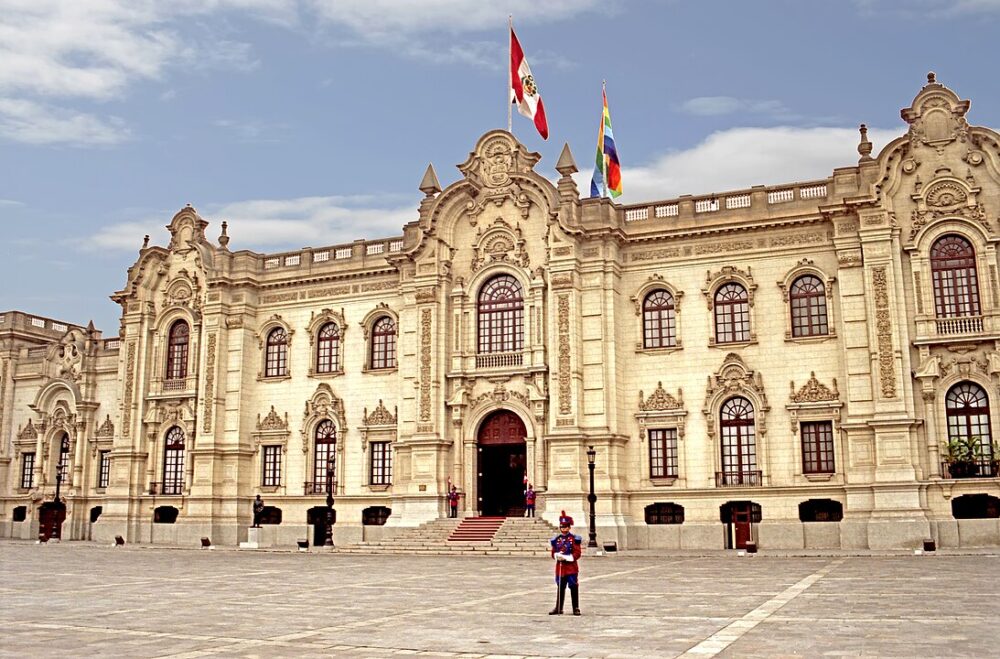
Today, the Band of Holes continues to fascinate visitors and researchers alike. Though access is limited to protect the site, drone photography and mapping projects have made its intricate design more visible than ever before. The Peruvian government recognizes it as a protected cultural heritage site.
Local communities have embraced the renewed attention, seeing it as a symbol of ancestral innovation and connection to the land. For many, the site represents proof that ancient Andean societies were far more organized and sophisticated than once believed.
11. A Mystery Mostly Solved—but Still Mysterious Enough
The new findings provide the strongest evidence yet that the Band of Holes served a practical, administrative purpose rather than a ritual or extraterrestrial one. Yet the lack of definitive artifacts means some questions will likely remain unanswered.
For archaeologists, that’s part of the fascination. The site bridges the gap between the known and the unknown—a reminder that the Andes still hold secrets buried in plain sight, waiting for science, technology, and human curiosity to uncover them.