
What researchers are detecting in animal calls is more structured than expected.

For as long as humans have studied animals, their sounds were treated as instinctive noise. Whales clicked, dolphins whistled, birds sang, and scientists measured volume, frequency, and range without assuming much meaning behind it.
That assumption is starting to crack. With decades of recordings and new artificial intelligence tools, researchers are noticing patterns that look less random and more intentional than once believed.
This story follows how scientists moved from simply recording animal sounds to asking a bigger question. What if some animals are communicating in structured ways we have never had the tools to recognize until now?
1. The long belief that animal sounds were simple

For much of modern science, animal vocalizations were explained as basic signals tied to emotion or survival. A call meant danger, attraction, or location. Beyond that, meaning was considered unlikely.
This view shaped how data was collected and analyzed. Sounds were categorized, averaged, and simplified. The possibility that animals might combine sounds in complex ways was largely dismissed as human projection rather than biological reality.
2. Whales change the conversation
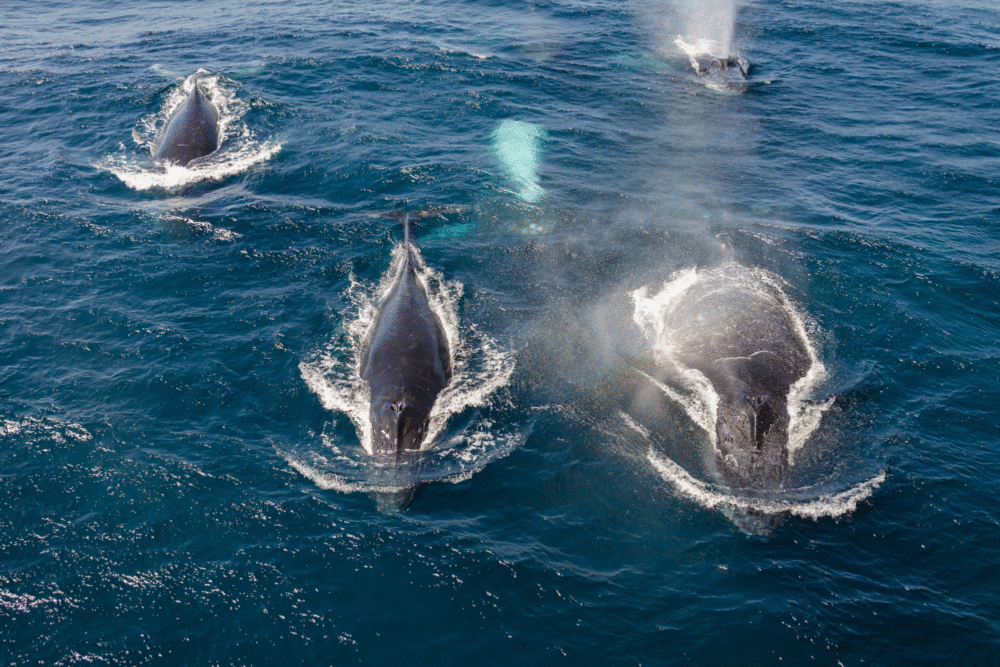
Whales were among the first animals to challenge that assumption. Their songs were long, repeating, and structured, sometimes lasting hours. Certain patterns spread across populations like trends.
Researchers noticed that whale songs changed over time in coordinated ways. This hinted at learning, memory, and shared rules. It did not prove language, but it suggested communication was more flexible and organized than expected.
3. Dolphins show signs of individual identity

Dolphins added another layer. Scientists discovered that many dolphins develop unique signature whistles. These whistles function like names, allowing dolphins to identify and call one another.
Even more striking, dolphins can mimic another dolphin’s whistle when trying to get its attention. That behavior suggested intentional referencing, not just emotional signaling, and pushed researchers to rethink how meaning might work underwater.
4. The data problem no human could solve

As recordings accumulated, researchers faced a bottleneck. There were simply too many sounds across too many species for humans to analyze by hand.
Patterns could exist across thousands of hours of audio that no person could detect. Without new tools, scientists suspected they were missing structure hiding in plain hearing.
5. Why AI changed the approach

Artificial intelligence excels at finding patterns in massive datasets. When applied to animal recordings, AI could cluster sounds, detect repetition, and track sequences without human bias.
Instead of telling the system what to listen for, researchers let algorithms identify structure on their own. This shift allowed unexpected relationships between sounds to surface.
6. Surprising structure begins to appear

AI analysis revealed that some animal calls are not isolated sounds. They occur in specific sequences and combinations, following rules about order and timing.
In whales and dolphins, certain sounds appear together more often than chance would allow. This does not prove language, but it strongly suggests organization that goes beyond simple reflex.
7. Testing meaning without translation
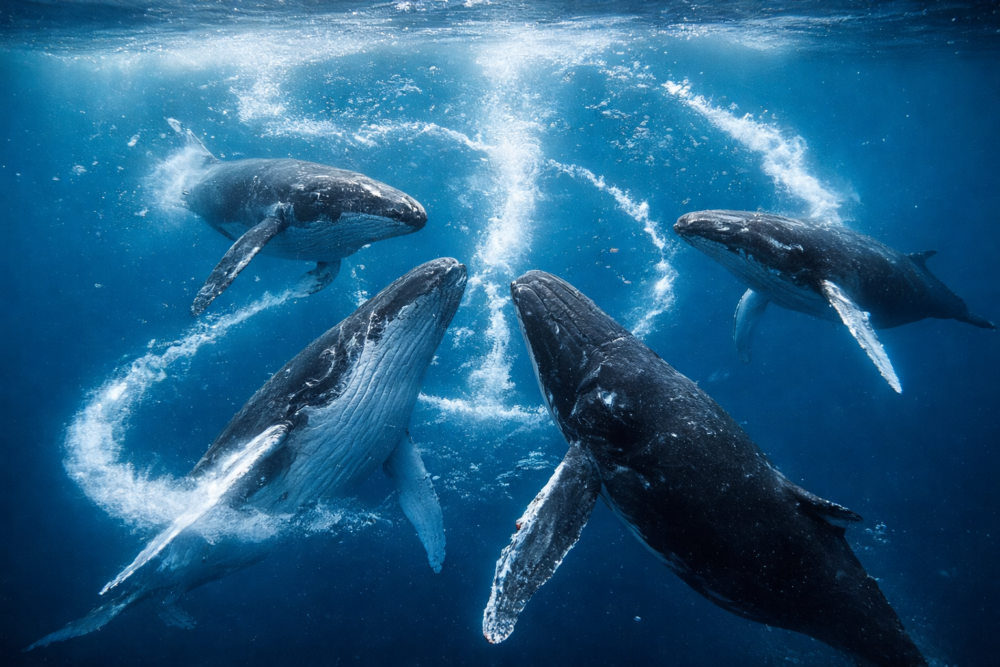
Scientists are careful not to claim animals are speaking human style languages. Instead, they test whether sound patterns correlate with behavior, context, or response.
When certain sequences reliably predict movement, cooperation, or social interaction, it strengthens the case that information is being shared. AI helps reveal those links faster and more reliably.
8. Learning from animals that sound nothing alike
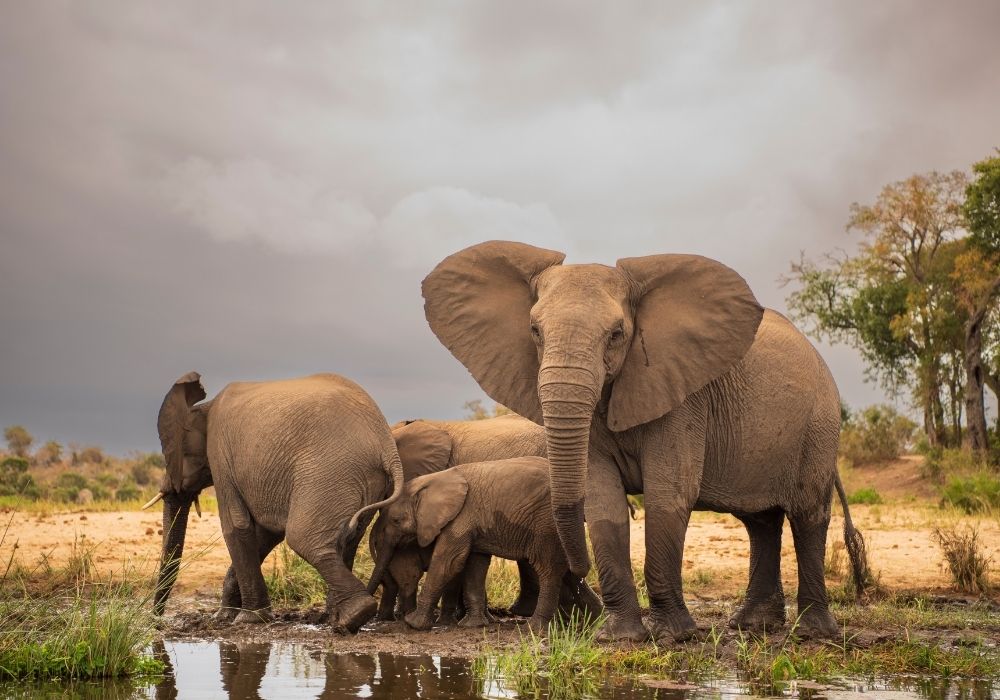
Researchers are also applying AI to birds, bats, elephants, and even insects. Despite different anatomies, some shared principles are emerging.
Across species, communication often relies on rhythm, repetition, and variation. These shared features hint that structured communication may be more common in nature than once believed.
9. The risk of misunderstanding what we hear
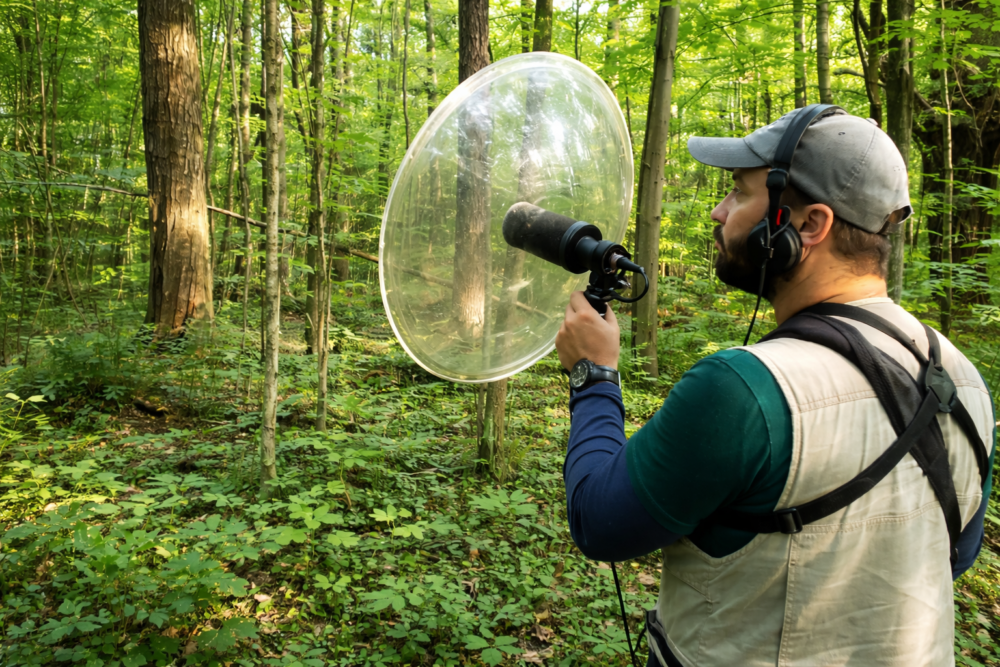
Scientists emphasize caution. AI can detect patterns, but patterns alone do not equal meaning. There is a risk of projecting human ideas onto animal behavior.
That is why researchers combine AI results with field observations. Sound analysis is paired with behavior, environment, and social context to avoid false conclusions.
10. Why this matters beyond curiosity

Understanding animal communication could transform conservation. If scientists can detect stress, distress, or social disruption through sound, they could intervene earlier.
It could also change how humans relate to other species. Recognizing structured communication challenges long held assumptions about intelligence and emotional depth.
11. Listening differently to the natural world

AI is not translating animal speech into human words. Instead, it is teaching scientists how to listen more carefully and more humbly.
The story is still unfolding. What is clear is that animal voices may carry more information than we ever gave them credit for, and technology is finally helping us hear it.