
New research is changing how scientists understand the iron that built the modern world.
Steel quietly holds modern life together. It’s in apartment buildings, bridges, wind turbines, rail lines, and nearly everything that moves energy or people at scale. Most of us never think about where that iron comes from—until a surprising scientific rethink forces a second look.
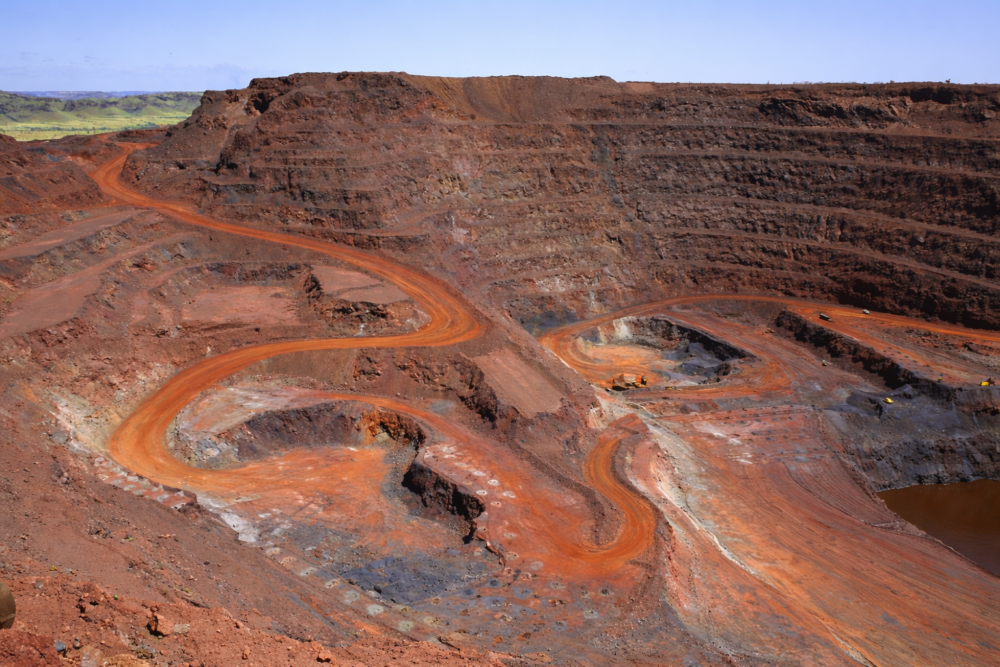
Researchers are revisiting the ancient geology of Western Australia’s Pilbara region, home to some of the planet’s most important iron ore deposits.
What they’re uncovering doesn’t change markets overnight, but it does challenge long-held assumptions about how Earth created the raw materials that built the modern world—and why that knowledge matters now.
1. The iron that built modern cities comes from a very old story

Much of today’s global steel supply traces back to iron ore mined in Western Australia’s Pilbara region. These deposits have supported construction booms, infrastructure, and industrial growth for decades.
What’s changing isn’t the iron itself, but the story scientists tell about how it formed. That deeper understanding adds context to materials most people take for granted.
2. Scientists realized long-standing explanations didn’t fully add up
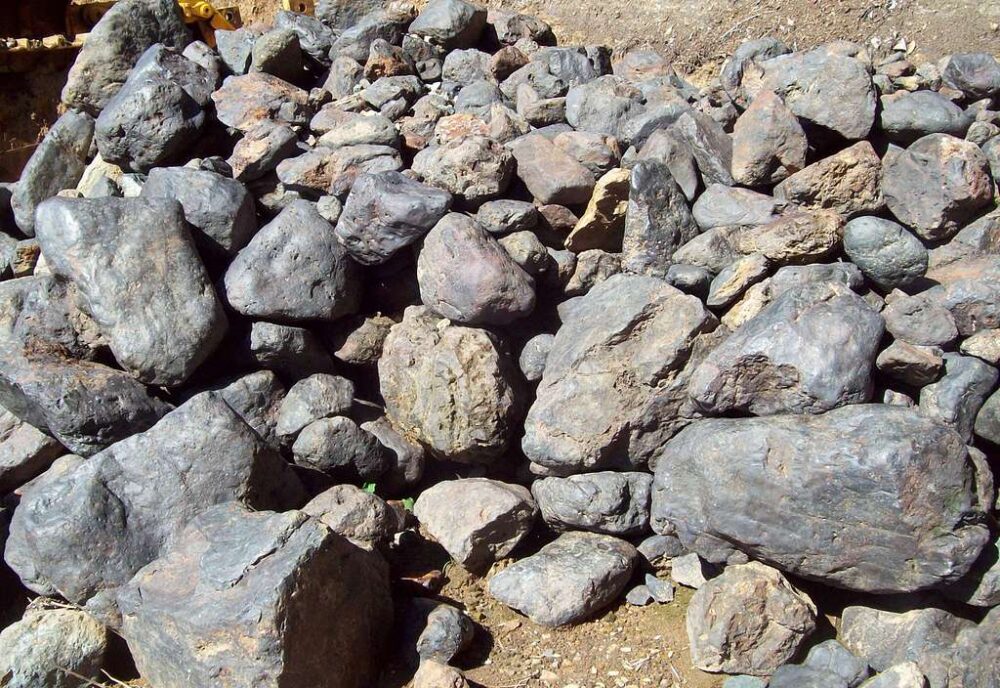
For years, geologists relied on simplified models to explain how massive iron formations developed. Those models worked—until newer data exposed gaps.
As analytical tools improved, researchers began noticing inconsistencies in timing, chemistry, and layering that older explanations couldn’t fully resolve.
3. New techniques let researchers reread Earth’s ancient record

Using refined isotopic dating and chemical analysis, scientists reexamined rock layers formed billions of years ago. These layers act like a geological archive.
The results suggest iron accumulated through more complex and extended processes than previously believed, reshaping timelines rather than rewriting facts.
4. Early Earth’s oceans and atmosphere played a bigger role than assumed

The updated research connects iron formation to shifts in ocean chemistry and oxygen levels on early Earth. These environmental changes helped concentrate iron at massive scales.
That link ties modern industrial materials directly to planetary transformations that occurred long before complex life emerged.
5. Why this rethink matters beyond academic geology

Understanding how giant iron deposits formed helps scientists predict where similar resources might exist. Formation models guide exploration decisions worldwide, influencing where research effort, mapping, and early investment are focused rather than chasing speculative targets.
This knowledge also shapes how governments and companies think about long-term material security. Clearer formation timelines improve confidence in supply forecasts that underpin infrastructure, energy systems, and industrial planning.
Over decades, these insights quietly steer smarter decisions. They don’t create headlines or instant production, but they help align future development with geological reality instead of assumption.
6. This research doesn’t change steel prices tomorrow
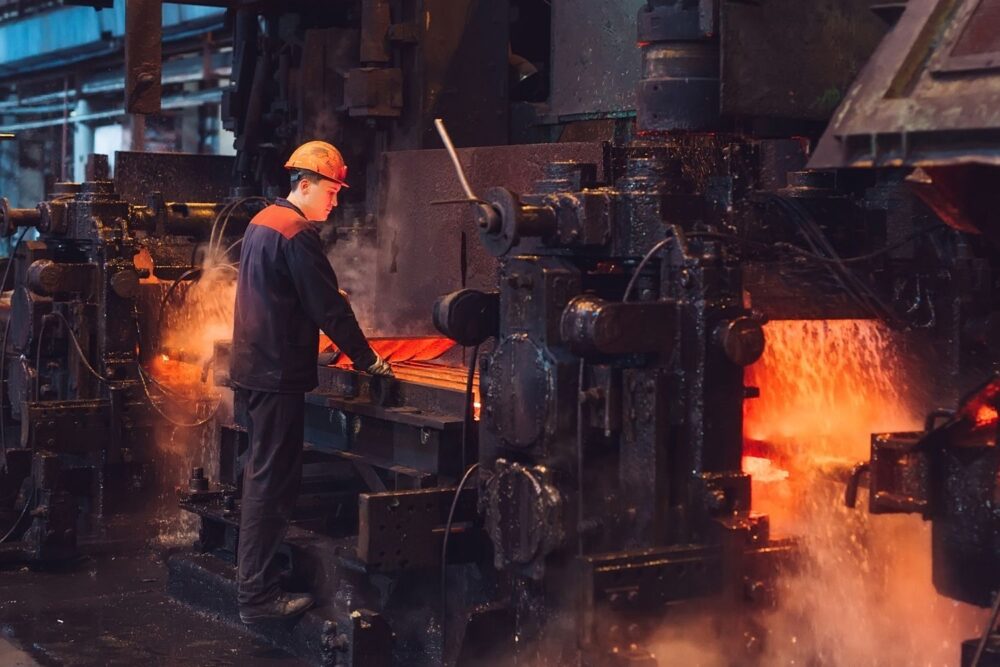
Despite dramatic online claims, these findings don’t flood markets with new supply. Mines operate based on known reserves, infrastructure, and demand.
The impact is intellectual and strategic, not immediate. Steel production remains governed by economics, not reinterpretations of ancient rock.
7. Australia’s dominance looks less accidental, more geological

Australia was already the world’s leading iron exporter. The new science helps explain why the region became so resource-rich in the first place.
That clarity reinforces long-term confidence in supply without implying sudden expansion or instability.
8. High-quality iron matters more in a climate-constrained world

Higher-grade iron ore reduces energy use during steelmaking, lowering emissions per ton produced. That advantage is increasingly important.
The research adds context by explaining how such quality formed naturally, offering insight into where efficient resources might be found elsewhere.
9. Resource stories are shifting from discovery to understanding

Modern geology advances less through surprise finds and more through reanalysis. Revisiting known regions often yields the most meaningful insights.
This shift reflects how science matures—by refining explanations rather than chasing spectacle.
10. The real takeaway is perspective, not urgency
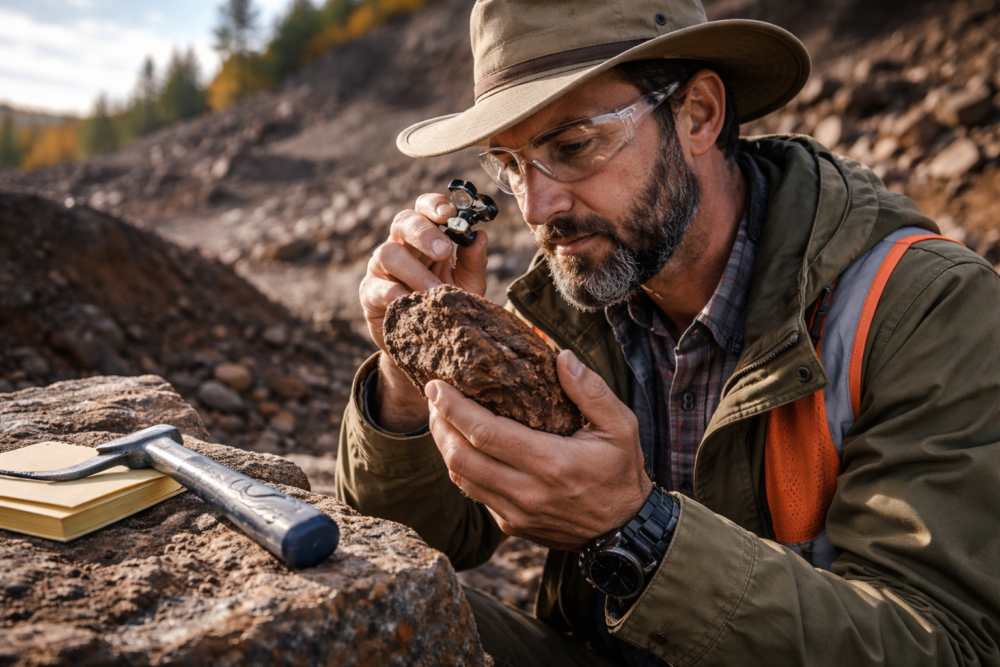
This story isn’t about a sudden breakthrough. It’s about how better knowledge reshapes long-term thinking about materials society depends on.
Understanding origins helps planners, industries, and governments think more realistically about the future.
11. Ancient processes still shape modern choices

The iron supporting today’s cities formed under conditions unimaginably different from our own. Yet its legacy defines modern life.
By improving how we understand those origins, science helps society make decisions grounded in reality rather than hype—connecting deep time to present-day responsibility.