
New telescopes and detection methods are revealing potentially habitable worlds and chemical signatures of alien life.

The search for life beyond Earth used to be pure science fiction, but it’s quickly becoming science fact. In just the past few years, scientists have discovered thousands of planets orbiting other stars, and they’re getting incredibly good at figuring out which ones might actually host life. We’re not talking about little green men or flying saucers—we’re talking about detecting the chemical fingerprints that living organisms leave behind in planetary atmospheres.
What makes this moment in history so exciting is that we finally have the technology to actually find answers to the biggest question humans have ever asked: Are we alone? Between revolutionary new telescopes and incredibly sensitive detection methods, scientists are closer than ever to discovering life on distant worlds.
1. New space telescopes can actually see the atmospheres of planets around other stars.
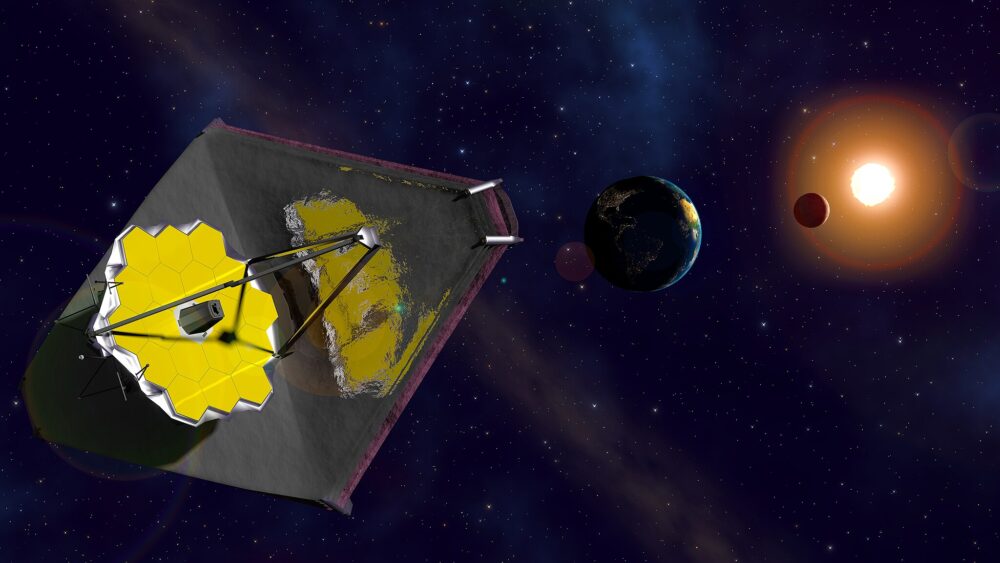
The James Webb Space Telescope and other cutting-edge instruments can now analyze the light passing through exoplanet atmospheres as they transit in front of their stars. This lets scientists identify specific gases and chemicals present in those distant atmospheres, which is absolutely mind-blowing when you think about it. We’re literally sniffing the air on planets hundreds of light-years away.
These atmospheric analyses can reveal water vapor, oxygen, methane, and other gases that might indicate biological processes. Each planet’s atmosphere tells a unique story about what’s happening on its surface, and scientists are getting better at reading these chemical signatures to determine which worlds might be habitable.
2. Scientists now know what biosignatures to look for in alien atmospheres.
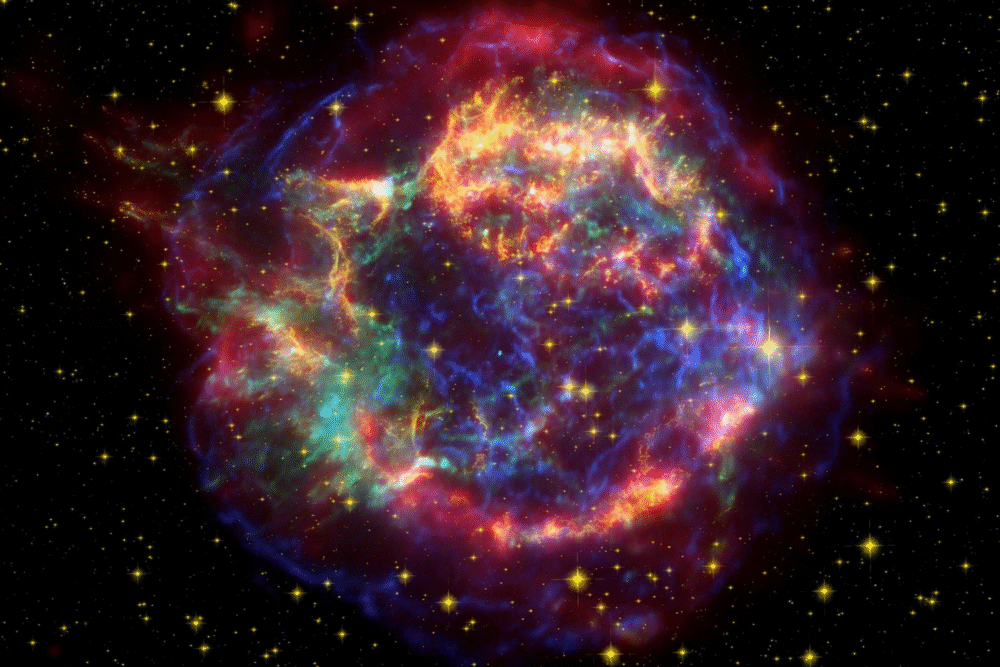
Certain combinations of gases in planetary atmospheres can only exist if something is actively producing them—and that something is usually life. Oxygen and methane together, for example, create a chemical signature that strongly suggests biological activity because these gases react with each other and disappear quickly unless something keeps making them.
Water vapor, carbon dioxide levels, and seasonal atmospheric changes also provide clues about whether a planet might support life. Scientists have created detailed lists of these “biosignatures” that serve as cosmic smoke detectors, alerting us when we might have found a world with living organisms creating detectable atmospheric changes.
3. Planet-hunting missions have found thousands of potentially habitable worlds.
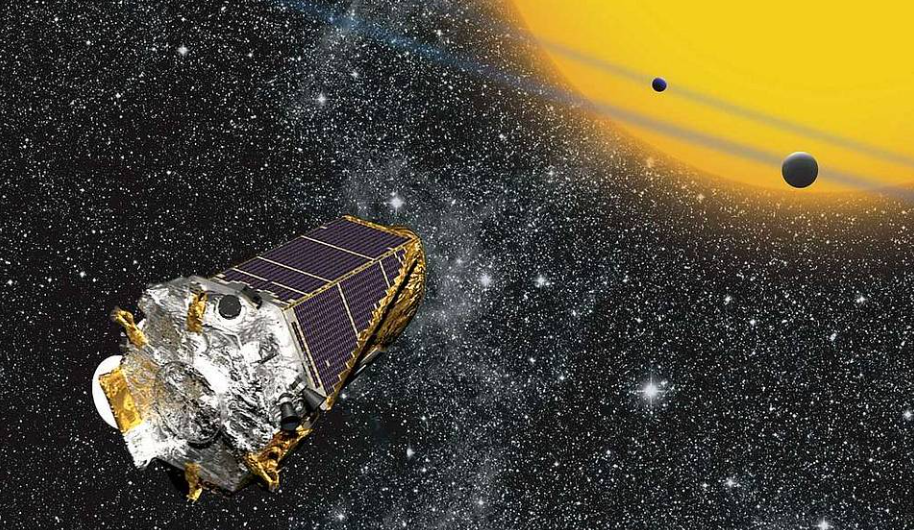
NASA’s Kepler mission and other planet-hunting projects have discovered over 5,000 confirmed exoplanets, with many more candidates waiting for verification. Among these discoveries are hundreds of planets in the “Goldilocks zone”—the perfect distance from their stars where liquid water could exist on the surface.
Some of these worlds are remarkably Earth-like in size and distance from their stars, while others orbit red dwarf stars that could provide stable energy for billions of years. The sheer number of potentially habitable planets suggests that life-supporting conditions might be much more common in the universe than we previously thought.
4. Advanced computer models can predict which planets are most likely to have life.

Scientists use sophisticated computer simulations to model planetary climates, atmospheric chemistry, and surface conditions on distant worlds. These models help identify which planets are most likely to maintain liquid water, stable temperatures, and other conditions necessary for life as we know it.
The modeling also helps prioritize observation targets by predicting which planets would show the clearest biosignatures if life exists there. This computational approach lets scientists focus their limited telescope time on the most promising candidates rather than randomly searching through thousands of possibilities.
5. Scientists are learning that life might exist in places we never expected.

The discovery of extremophile organisms on Earth—life forms that thrive in incredibly harsh conditions—has completely expanded scientists’ ideas about where life might exist in the universe. Organisms living in boiling water, frozen Antarctic valleys, and highly acidic environments show that life is much more adaptable than we thought.
This research suggests that planets we previously dismissed as too hot, cold, or chemically hostile might actually be habitable. Worlds orbiting different types of stars, planets with unusual atmospheric compositions, or even moons around gas giants might host life forms adapted to conditions completely unlike anything on Earth.
6. Upcoming mega-telescopes will have unprecedented power to detect alien life.
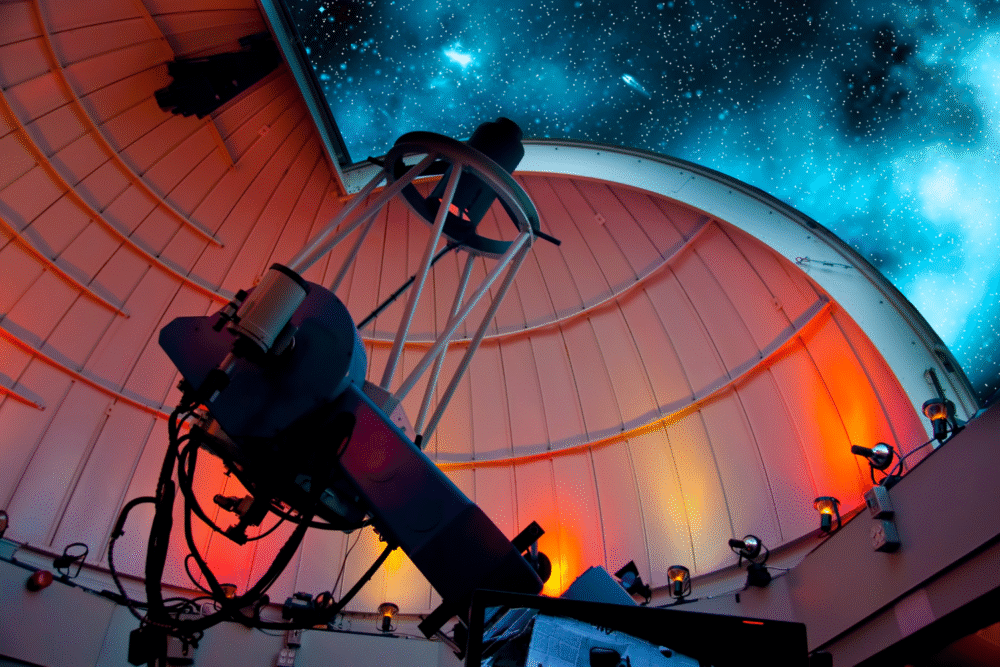
The next generation of space and ground-based telescopes will be dramatically more powerful than anything we have today. These instruments will be able to directly image exoplanets, analyze their atmospheric compositions in incredible detail, and even detect seasonal changes that might indicate biological activity.
Projects like the Extremely Large Telescope and future space-based observatories will have the sensitivity to detect oxygen in Earth-sized planet atmospheres and identify other subtle biosignatures that current technology can’t see. These telescopes represent a quantum leap in our ability to find and study potentially habitable worlds.
7. Machine learning is revolutionizing how scientists analyze planetary data.

Artificial intelligence and machine learning algorithms are becoming incredibly good at identifying patterns in astronomical data that human scientists might miss. These computer systems can process vast amounts of telescope observations and automatically flag planets with unusual or interesting atmospheric signatures for further study.
AI systems are also helping scientists distinguish between biological and non-biological sources of atmospheric gases, reducing false positives and helping focus attention on the most promising candidates. Machine learning is essentially giving scientists superhuman pattern recognition abilities for spotting signs of life.
8. Radio telescopes are listening for technological signatures from alien civilizations.

While most searches focus on biological signatures, some scientists are specifically looking for signs of technology that might indicate intelligent alien civilizations. Radio telescopes scan the sky for artificial signals, unusual energy emissions, or other “technosignatures” that couldn’t occur naturally.
Projects like SETI continue to monitor radio frequencies for potential alien communications, while newer approaches look for signs of massive engineering projects or industrial pollution in exoplanet atmospheres. These searches complement biological detection methods by looking for evidence of advanced alien technology.
9. Scientists are studying Earth as an alien planet to perfect detection methods.

Researchers regularly point telescopes at Earth to study what our planet would look like to alien astronomers searching for life. This “pale blue dot” research helps scientists understand which Earth biosignatures are most detectable and how seasonal changes in vegetation and atmospheric chemistry would appear to distant observers.
These Earth observations serve as a crucial calibration tool for interpreting data from real exoplanets. By understanding exactly how life signatures appear in Earth’s atmosphere, scientists can more confidently identify similar patterns on distant worlds and avoid misinterpreting natural phenomena as signs of life.
10. International collaborations are pooling resources for the biggest search in history.

The search for extraterrestrial life has become a truly global effort, with space agencies, universities, and research institutions worldwide contributing telescopes, expertise, and funding. These collaborations allow scientists to coordinate observations, share data, and tackle the enormous challenge of searching billions of potential planets.
Major projects like the European Space Agency’s upcoming PLATO mission and various ground-based telescope arrays represent unprecedented international cooperation in the search for life. This coordinated approach dramatically increases the chances of success by combining the best technology and brightest minds from around the world.