
New research hints that hidden dimensions may be shaping our universe in ways we can’t yet see.
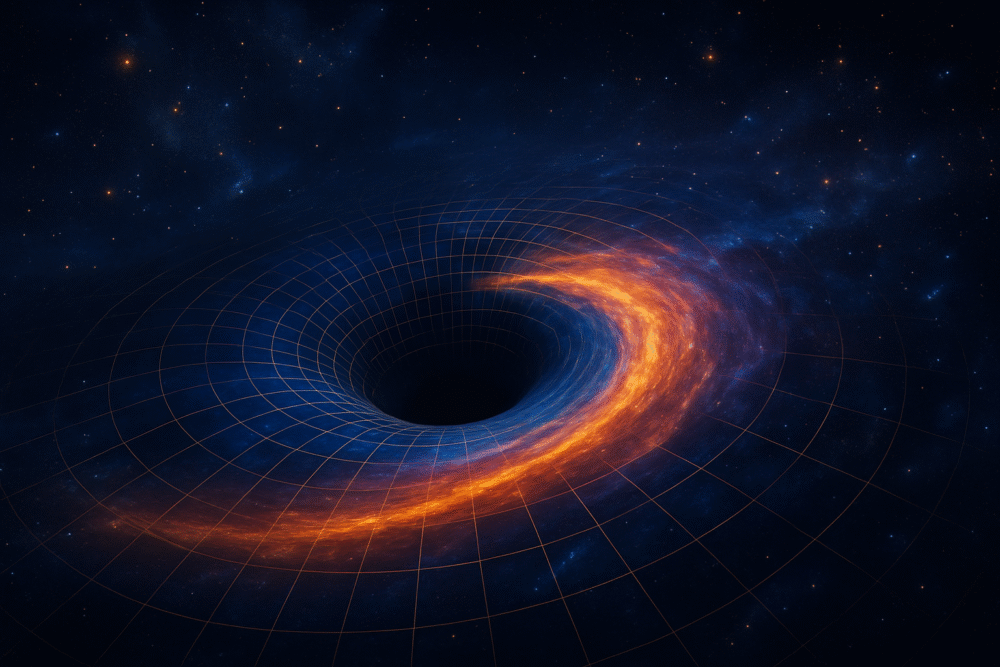
Scientists around the world are investigating strange clues in gravity and particle behavior that could point to hidden dimensions woven into the fabric of our universe. These ideas once belonged only in science fiction, but new research is beginning to suggest they might be real. If confirmed, extra dimensions could transform everything we know about space, time, and how the cosmos works—raising astonishing questions about what reality is truly made of and what might exist just beyond our view.
1. Scientists Are Searching for Clues in Gravity’s Strange Behavior
Gravity remains far weaker than the other fundamental forces, and scientists suspect this imbalance may hint at hidden dimensions. Researchers study how gravity behaves on different scales to see if it “leaks” into unseen spaces, which could explain why it appears so weak in our universe.
Recent experiments are pushing the limits of precision, measuring tiny gravitational shifts that might reveal new physics. If even a small deviation is detected, it could be the first measurable sign that extra dimensions really do exist.
2. Tiny Deviations in Particle Motion Could Reveal Hidden Dimensions
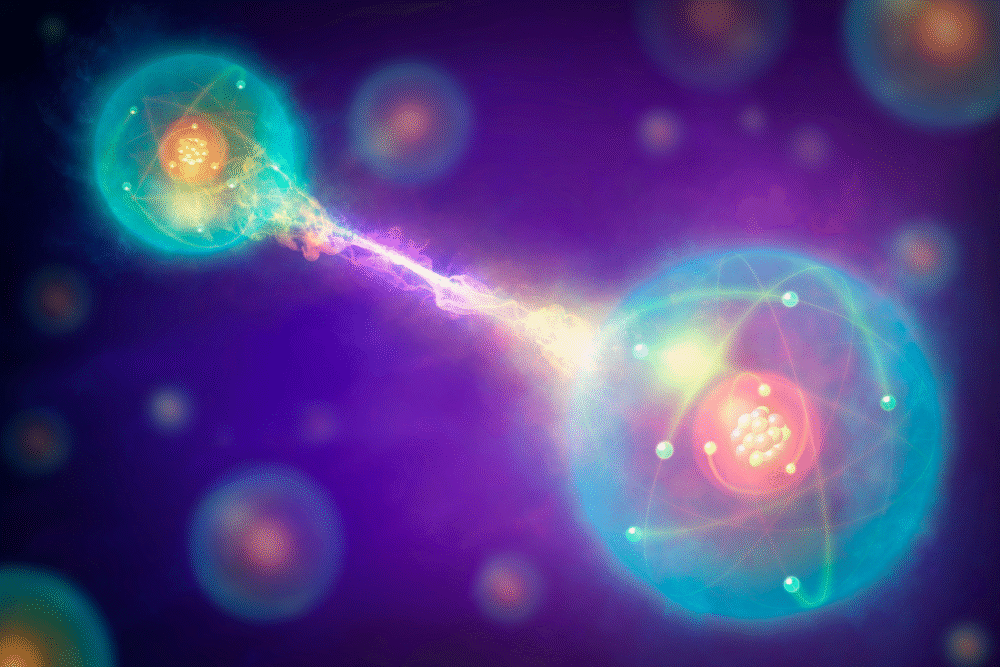
Subatomic particles sometimes behave in ways current theories can’t fully explain, especially at extremely high energies. Physicists believe these unusual motions might be influenced by dimensions curled up so tightly that we cannot see them directly.
Experiments at large particle accelerators analyze how particles scatter, decay, and lose energy. Any unexpected result could point to forces interacting across dimensions, offering one of the clearest paths toward uncovering the structure of the universe.
3. New Theories Suggest Extra Dimensions Could Be Extremely Small
Some scientists propose that extra dimensions are compacted into tiny loops far smaller than an atom. Because these dimensions are so minuscule, they remain invisible to the naked eye and even to most scientific instruments.
These theories help explain why gravity behaves differently from other forces. If true, they could reshape our understanding of the early universe and change how we think about the fabric of space itself.
4. Gravity Could Be “Spilling” Into Dimensions We Can’t See

One leading idea is that gravity might extend into additional dimensions, reducing the amount that stays in our familiar three-dimensional world. This could be why gravity seems weaker than electromagnetic or nuclear forces.
Researchers are designing ultra-sensitive experiments to detect whether gravitational pull fades more quickly than expected over small distances. A measurable drop could mean gravity is interacting with dimensions we have never observed.
5. Extra Dimensions Might Help Explain Dark Matter Mysteries
Dark matter makes up most of the universe’s mass, yet no one knows what it is. Some scientists believe its strange gravitational effects could be tied to forces or particles moving through hidden dimensions.
If extra dimensions influence how mass behaves, they might explain why galaxies rotate in unexpected ways. Understanding this connection could finally reveal what dark matter is made of and why it affects the universe so dramatically.
6. Cosmic Background Maps May Hold Subtle Dimensional Clues

Scientists study patterns in the cosmic microwave background—the universe’s oldest light—to test theories about extra dimensions. Tiny irregularities in this radiation might reflect events that occurred when the cosmos was much smaller and more densely packed.
If early-universe physics involved extra dimensions, those fingerprints could still be detectable today. Advanced satellites are scanning the sky to find these faint patterns and compare them with theoretical predictions.
7. New Experiments Aim to Measure Gravity at Microscopic Scales
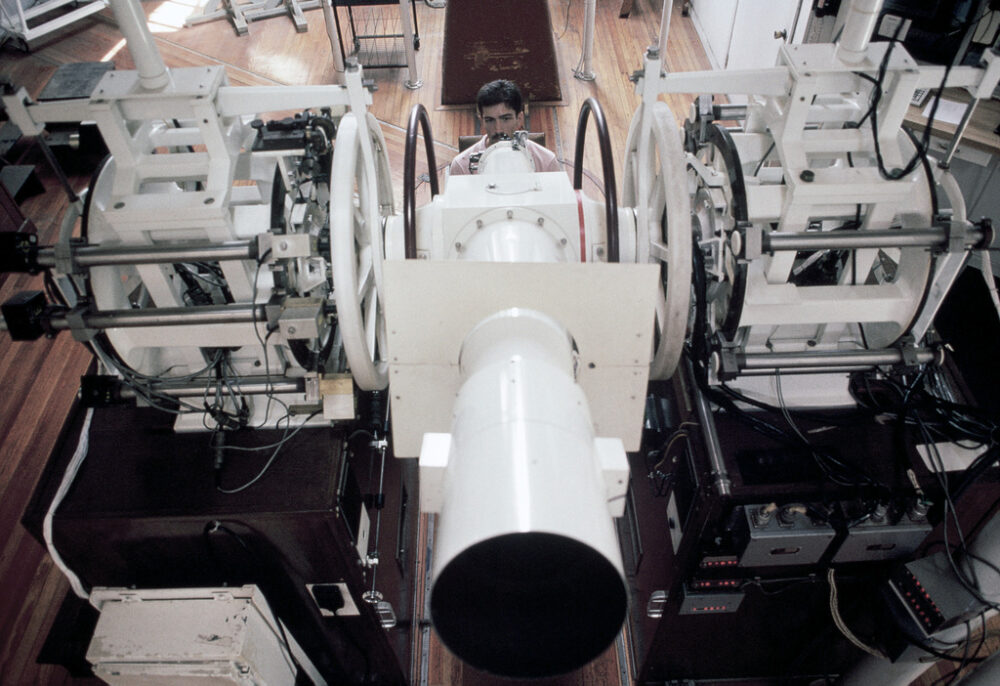
To test ideas about hidden dimensions, researchers are pushing gravitational experiments into the microscopic realm. They use delicate instruments to measure how tiny objects attract each other over incredibly short distances.
If gravity behaves differently at these scales, it could reveal the presence of compact dimensions curled up nearby. These experiments are technically challenging but offer some of the most direct tests of extra-dimensional theories.
8. Mathematical Models Predict How Extra Dimensions Might Behave

Theoretical physicists create mathematical models to understand how extra dimensions could fit into the universe. These models describe how space might twist, fold, or loop in complex shapes that are impossible to visualize directly.
By comparing predictions with real-world measurements, scientists can test whether these models match observable reality. Even small agreements between theory and data strengthen the case for hidden dimensions influencing the universe.
9. High-Energy Collisions Could Momentarily Expose New Dimensions

Particle accelerators smash atoms together at nearly the speed of light, recreating conditions similar to those just after the Big Bang. Under these intense energies, some theories suggest extra dimensions could briefly reveal themselves.
Scientists search for missing energy or unexpected particle patterns that might signal interactions with unseen dimensions. While no clear evidence has been found yet, each experiment brings researchers closer to understanding what lies beyond our familiar space.
10. Measuring the Shape of the Universe May Offer New Clues

Astronomers analyze how galaxies cluster and how light bends across vast distances to understand the universe’s shape. If space has hidden dimensions, it might create subtle distortions in how structures form and move.
By comparing observations with computer simulations, researchers look for signals that current physics cannot explain. These discrepancies could point to deeper layers of space influencing large-scale cosmic behavior.
11. Discovering Extra Dimensions Would Transform Modern Physics
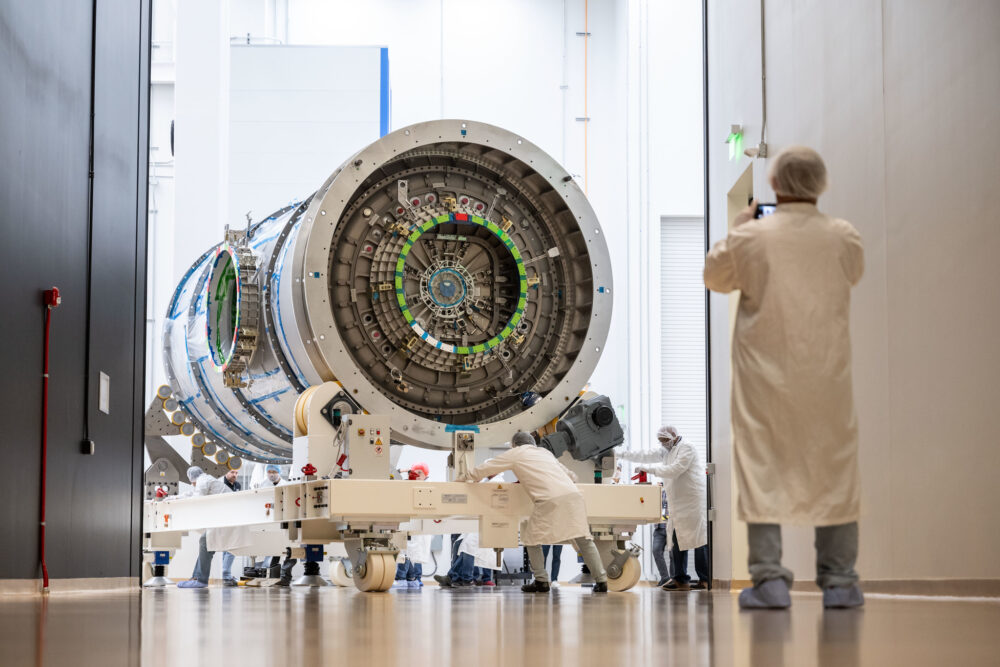
If scientists find evidence for extra dimensions, it would mark one of the greatest breakthroughs in science. It could unify theories that have remained separate for decades and offer new insights into the forces that shape our world.
Such a discovery would change how we understand space, time, and the origins of the universe. It could also set the stage for future technologies and reveal possibilities that are impossible to imagine today.