
Heatwaves aren’t just uncomfortable—they’re changing the way we breathe.

As the planet heats up, the air we breathe is getting worse—and that’s bad news for our lungs. It’s not just about dealing with hotter summers or record-breaking temperatures. The rising heat is setting off a chain reaction that’s making it harder to breathe, especially for people with asthma. Warmer weather leads to more air pollution, higher allergen levels, and an increase in ground-level ozone—all of which can trigger asthma attacks and make symptoms tougher to manage.
If you already have asthma, you’re probably feeling the effects firsthand. This isn’t some distant, theoretical issue—it’s happening right now. Research shows that asthma-related hospital visits spike during heatwaves, especially in cities where pollution and heat-trapping concrete create a dangerous mix. Climate change is literally making the air more harmful, putting millions of people at greater risk. That’s why it’s so important to understand what’s happening and how to protect your lungs in a world that’s getting hotter by the year.
1. Rising heat amplifies air pollution, triggering asthma flare-ups.

As temperatures increase, so does air pollution. Heat accelerates the chemical reactions that produce ground-level ozone, a major asthma trigger. Unlike the ozone layer in the upper atmosphere, which protects the Earth from harmful UV rays, ground-level ozone forms when pollutants from cars, factories, and industrial processes react with sunlight.
High ozone levels irritate the lungs, causing inflammation, airway constriction, and increased sensitivity to allergens. Research from Anenberg et al. published by the National Library of Medicine has shown that on days with high ozone pollution, emergency room visits for asthma spike significantly.
For people already managing respiratory conditions, prolonged exposure can lead to more frequent attacks and a decline in overall lung function. This effect is especially pronounced in cities, where heat and vehicle emissions combine to create concentrated pollution hotspots.
2. Longer pollen seasons are putting asthma sufferers at risk.

For those with asthma, allergy season no longer follows a predictable pattern. Increased carbon dioxide levels have led to extended growing seasons for trees, grasses, and weeds, meaning higher pollen levels for more months of the year. These changes have been linked to worsening respiratory issues, particularly in people with allergic asthma.
Ragweed, one of the most potent seasonal allergens, now produces more pollen than it did just a few decades ago. Writing for Carbon Brief, Ayesha Tandon describes how pollen season has lengthened significantly across much of North America, increasing the duration and intensity of exposure. With plants releasing pollen earlier in the year and continuing later into the fall, asthma sufferers are experiencing more frequent flare-ups triggered by airborne allergens.
3. Heat and humidity create the perfect conditions for mold growth.
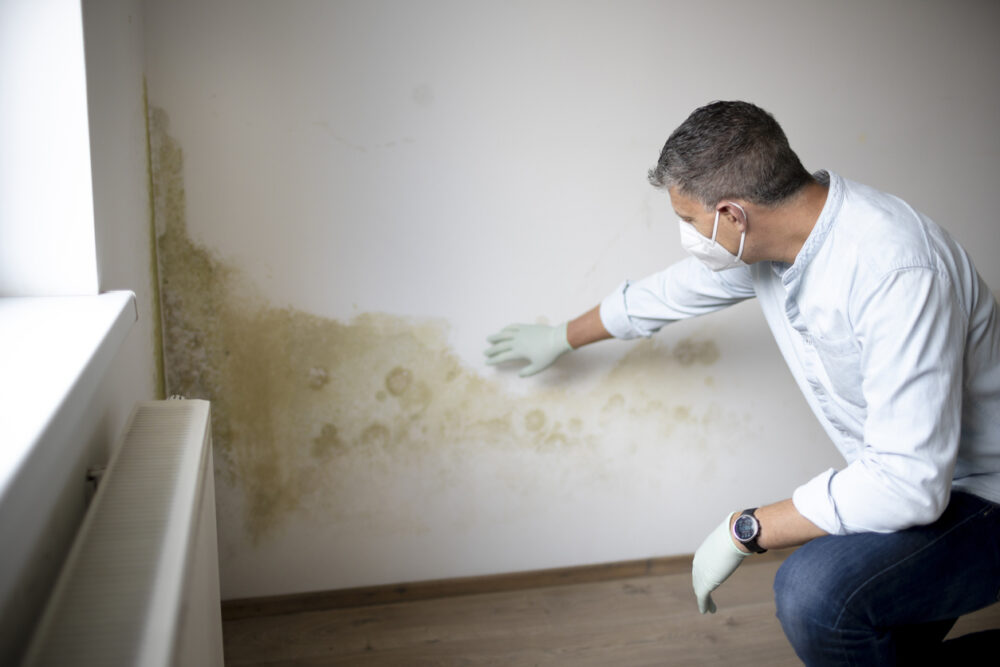
Mold spores are another major asthma trigger, and rising temperatures are making mold exposure harder to avoid. Increased humidity and more frequent extreme weather events, such as hurricanes and heavy rainfall, create ideal conditions for mold growth in homes, schools, and workplaces.
Indoor mold exposure can cause persistent inflammation in the lungs, leading to more frequent and severe asthma attacks, according to the Mayo Clinic. Even for those without pre-existing respiratory conditions, inhaling mold spores can cause wheezing, coughing, and throat irritation.
Outdoor mold levels are also rising, particularly in damp, warm environments where fungi thrive. As climate patterns shift, mold-related respiratory issues are becoming more common and harder to manage.
4. Wildfire smoke is becoming a persistent health threat.
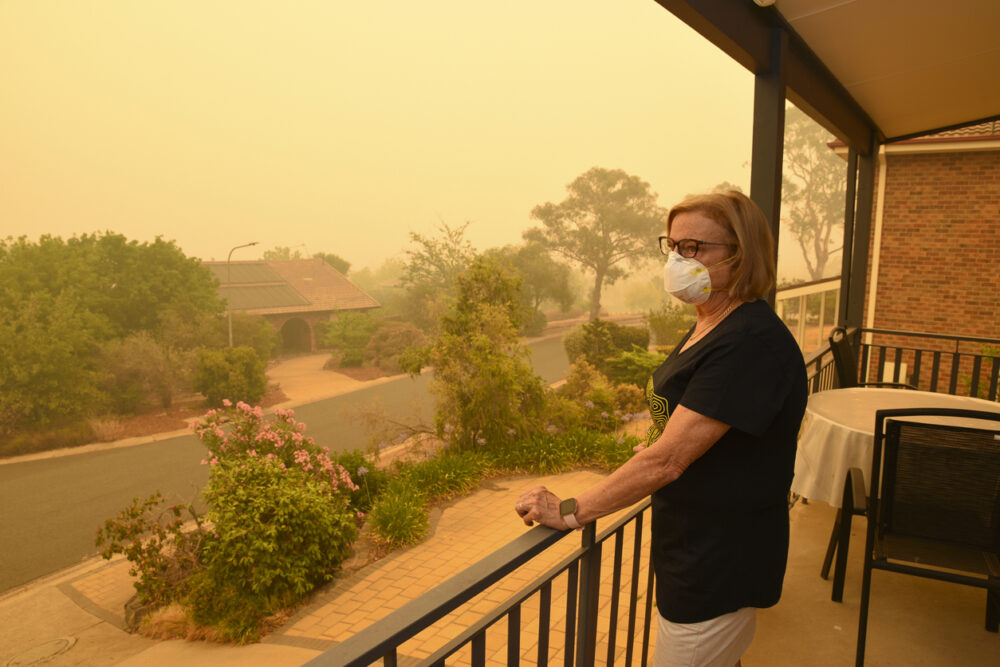
Climate change contributes to longer and more intense wildfire seasons, releasing massive amounts of fine particulate matter into the air. These tiny particles, known as PM2.5, can penetrate deep into the lungs, triggering asthma attacks and long-term respiratory damage.
Unlike other forms of pollution, wildfire smoke can travel thousands of miles, affecting air quality even in areas far from the flames. Studies have linked increased wildfire activity to spikes in emergency room visits for asthma, particularly among children and older adults. The combination of heat, drought, and stronger winds is making wildfires more frequent, turning smoky air into a recurring hazard rather than an occasional crisis.
5. Urban heat islands intensify asthma risks in cities.
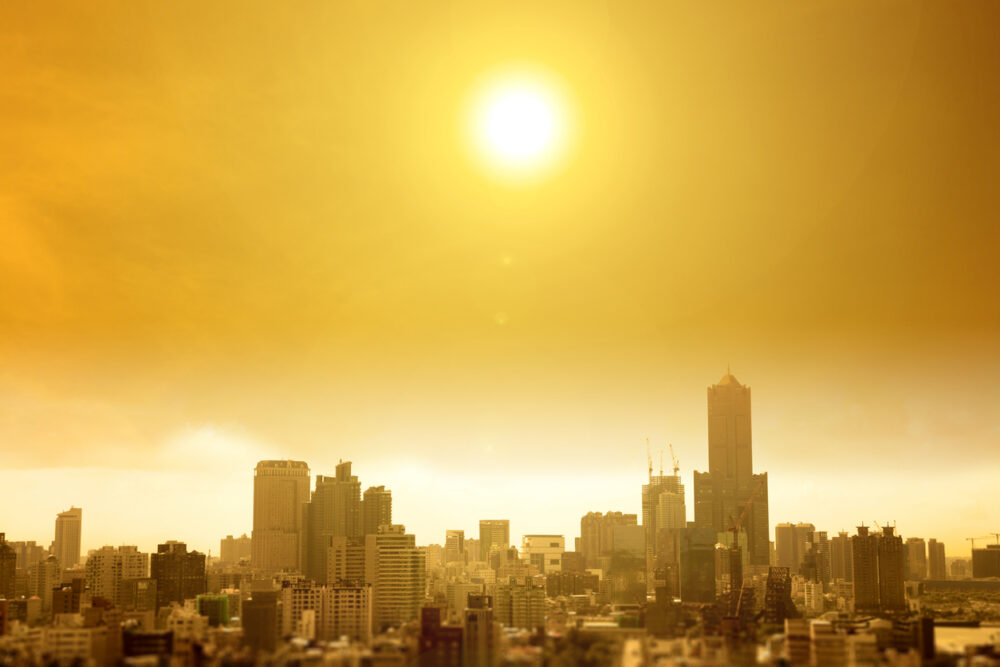
Cities trap heat, creating microclimates that are significantly warmer than surrounding rural areas. This phenomenon, known as the urban heat island effect, exacerbates air pollution and increases asthma risks. The abundance of concrete, asphalt, and buildings absorbs heat during the day and releases it slowly at night, preventing temperatures from cooling down. Intense heat in cities amplify ground-level ozone formation and increase exposure to airborne pollutants.
The lack of tree cover and green spaces worsens air quality, leaving city residents—especially those in low-income neighborhoods—more vulnerable to heat-related asthma flare-ups. As urbanization continues and climate change intensifies, this problem is expected to grow, disproportionately affecting communities with fewer resources to mitigate its effects.
6. Dehydration and heat stress make asthma symptoms worse.

Hot weather doesn’t just affect air quality—it also puts added strain on the body. Dehydration, a common issue during heatwaves, thickens mucus in the airways, making it harder to breathe. High heat can also cause blood vessels to expand, leading to increased inflammation and airway constriction. For people with asthma, even mild dehydration can make symptoms feel more severe.
Staying properly hydrated helps keep mucus thin and the airways open, reducing the likelihood of wheezing and shortness of breath. Managing asthma in extreme heat requires extra attention to fluid intake and avoiding prolonged exposure to high temperatures.
7. Climate change is increasing the frequency of respiratory infections.

Shifting disease patterns are making respiratory infections more prevalent. Warmer winters allow viruses and bacteria to survive longer, leading to higher rates of infections that can trigger asthma symptoms.
Changes in humidity levels also affect how airborne viruses spread, with dry air making respiratory infections more transmissible. Infections like the flu and respiratory syncytial virus (RSV) are known asthma triggers, often leading to severe flare-ups that require medical intervention. As climate change alters seasonal patterns, these infections are becoming less predictable, making it harder for people with asthma to anticipate and manage their risks.
8. Extreme weather events force exposure to dangerous air conditions.
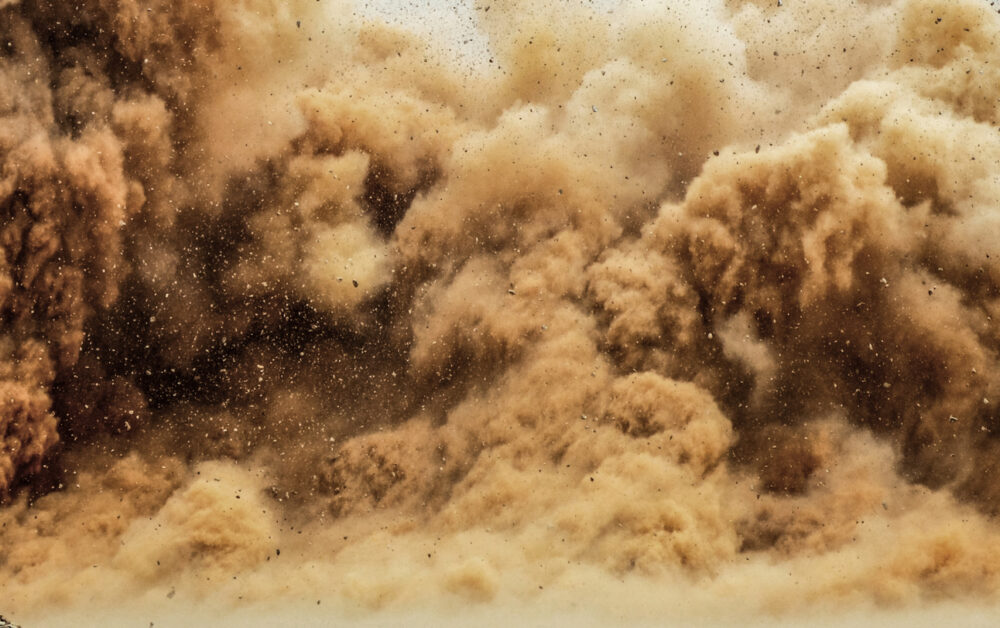
Heatwaves, hurricanes, and prolonged droughts aren’t just natural disasters—they’re also air quality disasters. Wildfires, dust storms, and industrial pollution spikes often accompany extreme weather, worsening asthma symptoms and increasing hospitalizations.
People displaced by extreme weather events may also face higher exposure to mold, smoke, and other airborne irritants. Temporary shelters often have poor ventilation and limited air filtration, making them hazardous environments for those with respiratory conditions. As extreme weather becomes more frequent, its impact on lung health is becoming harder to ignore.
9. Air conditioning is both a solution and a risk factor.
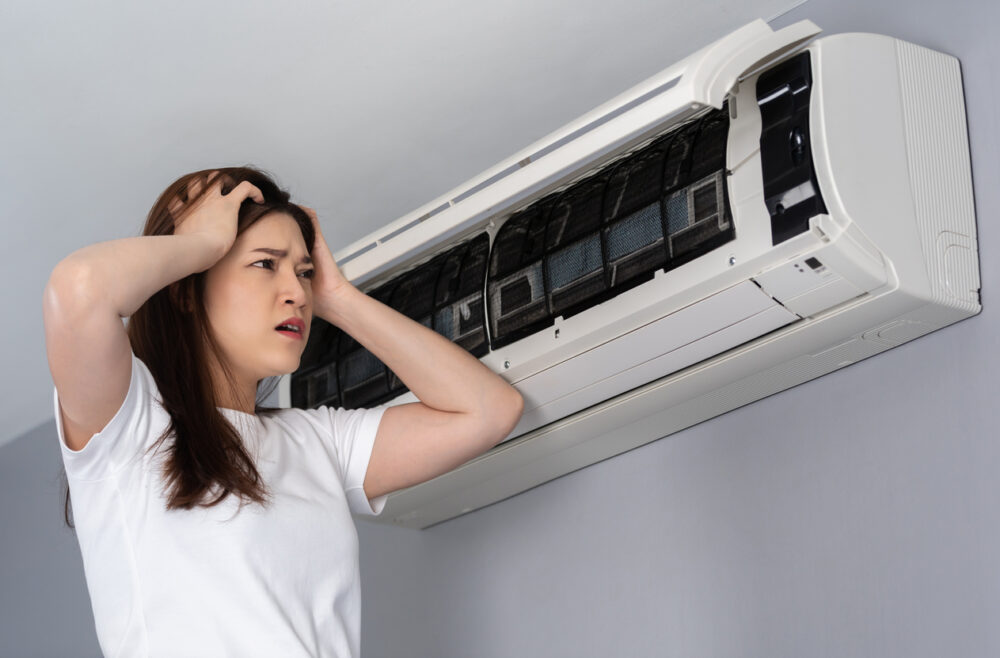
Air conditioning offers relief from extreme heat, but if not properly maintained, it can worsen indoor air quality. Dirty filters circulate dust, mold, and allergens, potentially triggering asthma symptoms and other respiratory issues.
Without regular cleaning, the system meant to provide comfort can become a hidden source of irritation. However, when well-maintained, air conditioning can improve air quality by reducing humidity, filtering pollutants, and keeping indoor air stable.
For asthma sufferers, using high-efficiency particulate air (HEPA) filters and ensuring units are cleaned regularly is crucial. This balance helps create a comfortable environment without compromising respiratory health, making proper maintenance a key factor in indoor air safety.
10. Policy changes are needed to protect respiratory health.

Mitigating the effects of the climate on asthma isn’t just an individual responsibility—it requires systemic change. Stronger air quality regulations, increased investment in green spaces, and better climate adaptation strategies are crucial for reducing pollution and improving public health.
Efforts to cut emissions from transportation, industry, and power plants can help slow the rise in ground-level ozone and fine particulate pollution. Expanding access to cooling centers, improving urban tree cover, and developing policies that address climate-driven health disparities are also essential steps in protecting vulnerable populations from worsening asthma risks.