
Coastal nations face a drowning future as climate change drives oceans higher and survival grows uncertain.
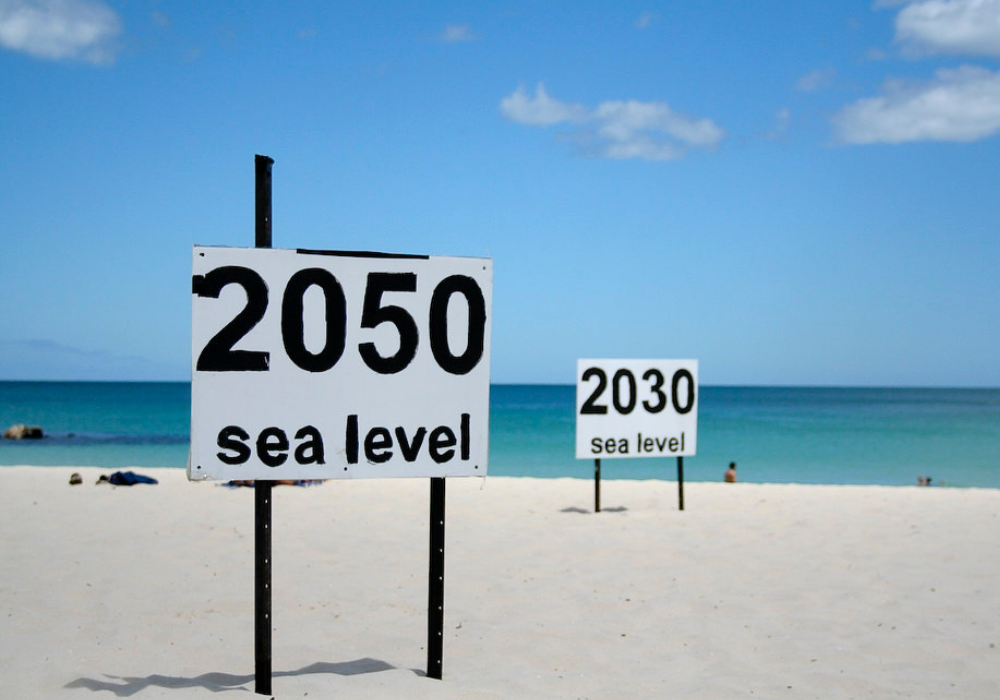
Entire countries are about to disappear from the map, and there’s nothing anyone can do to stop it. Small island nations across the Pacific are watching their homes get swallowed by rising seas, with some communities already planning the world’s first climate-induced national relocations.
These aren’t distant future scenarios – families are losing their ancestral lands right now, and children growing up on these islands might be the last generation to call them home.The numbers are staggering and heartbreaking. Pacific Island nations such as Tuvalu, Kiribati, and Fiji will experience at least 6 inches of sea level rise in the next 30 years, regardless of what happens with emissions.
Projected sea level rises could submerge 50-80 percent of major urban areas in these countries by 2070-2110. We’re watching entire cultures, languages, and ways of life get erased by water that keeps rising no matter what these nations do to protect themselves.
1. Tuvalu signed the world’s first climate relocation treaty with Australia
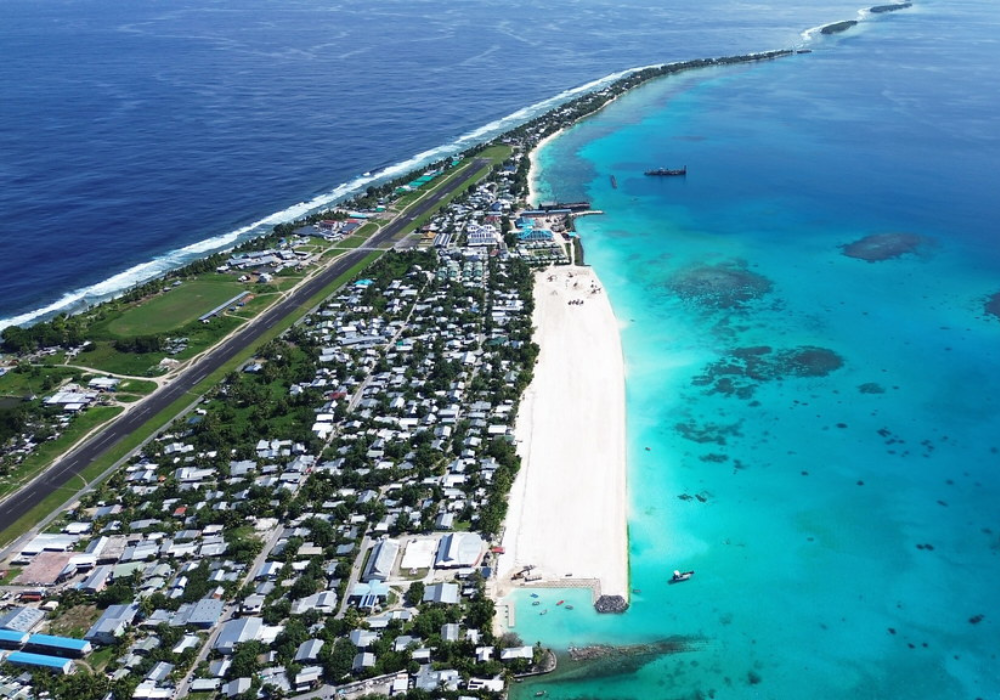
The Australia-Tuvalu Falepili Union treaty came into force in 2024 and is the world’s first planned migration of an entire nation. This groundbreaking agreement gives Tuvaluans the right to live, work, and study in Australia as their homeland disappears beneath the waves. It’s essentially a lifeboat treaty for when the islands become uninhabitable.
The treaty represents both hope and heartbreak for Tuvalu’s 11,000 residents. While it guarantees them safety and new opportunities, it also acknowledges that their country is doomed. Families are facing impossible decisions about when to leave their ancestral homes and whether to stay and fight the rising seas or start new lives in a foreign country.
2. Six Solomon Islands have already vanished completely underwater

Between 1947 and 2014, six islands of the Solomon Islands disappeared due to sea level rise, while another six shrunk by between 20 and 62 percent. These weren’t tiny uninhabited rocks – some of these islands had been home to families for generations. Entire communities watched their homeland get erased from existence.
The loss of these islands serves as a terrifying preview of what’s coming for larger island nations. When an island disappears, everything goes with it – homes, schools, churches, cemeteries where ancestors are buried. The cultural and emotional impact of losing your entire homeland is something most people can’t even imagine. These vanished islands are proof that climate change isn’t a future threat – it’s actively erasing places from the map right now.
3. The Marshall Islands loses land every single day to rising water
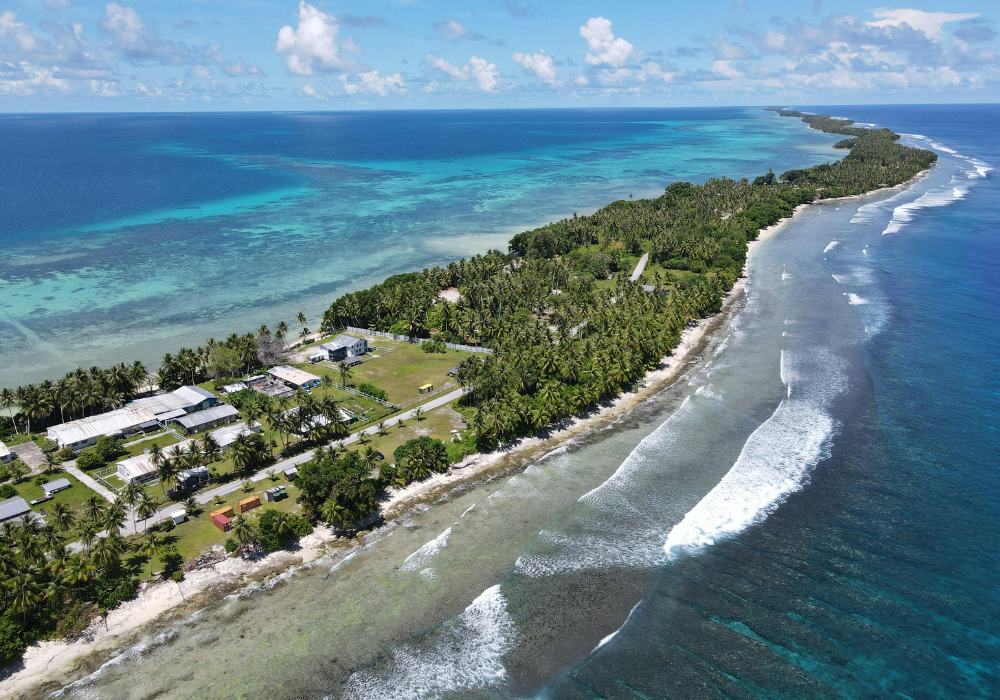
Water levels are rising on the Marshall Islands at a rate of 7 millimeters per year, which might not sound like much until you realize most of the country sits just a few feet above sea level. The 42,000 residents are watching their nation shrink before their eyes, with high tides now regularly flooding areas that used to be safely dry.
A 2021 World Bank report warned that projected sea level rise could cost the Marshall Islands its status as a nation. The psychological toll of watching your country disappear is devastating for residents who don’t know if their children will have a homeland to inherit. Every major storm surge now brings the possibility that parts of the islands might not recover.
4. Kiribati’s president bought land in Fiji for his entire population
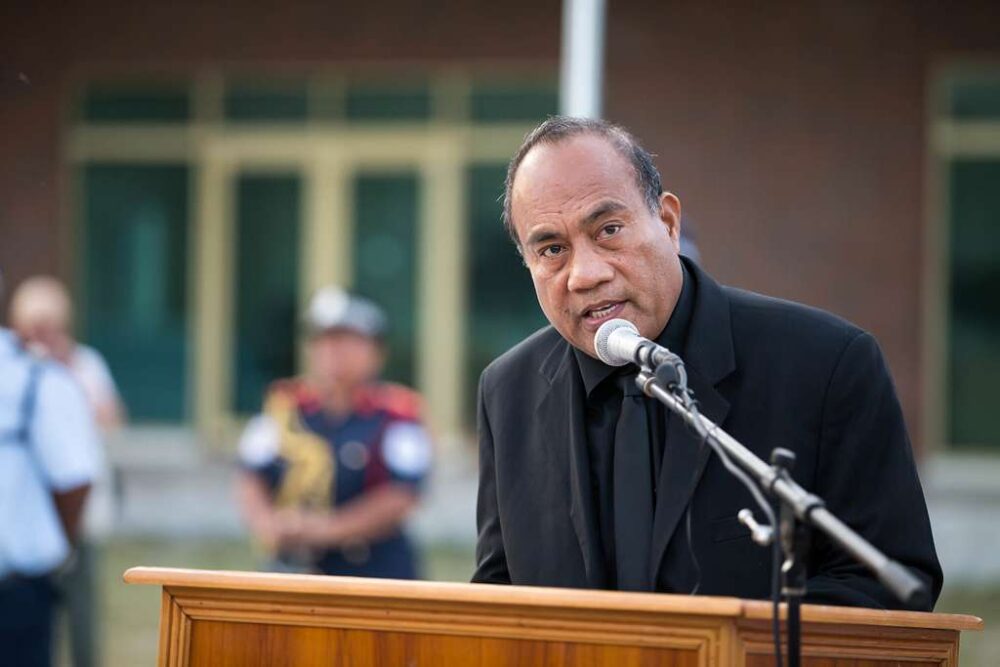
The government of Kiribati spent $8.8 million to purchase 6,000 acres of land in Fiji as a backup plan for when their country becomes uninhabitable. This isn’t disaster preparedness – it’s planning for national extinction. The president called it “migration with dignity” rather than waiting to become climate refugees.
Kiribati consists of 33 coral atolls spread across 1.3 million square miles of ocean, but most of the land sits just three feet above sea level. The country’s 120,000 residents are essentially living on borrowed time, knowing that even small increases in sea level could make their islands uninhabitable. Buying land in Fiji represents hope for survival but also acceptance that their homeland is doomed.
5. Tuvalu’s children might be the last generation born on their islands
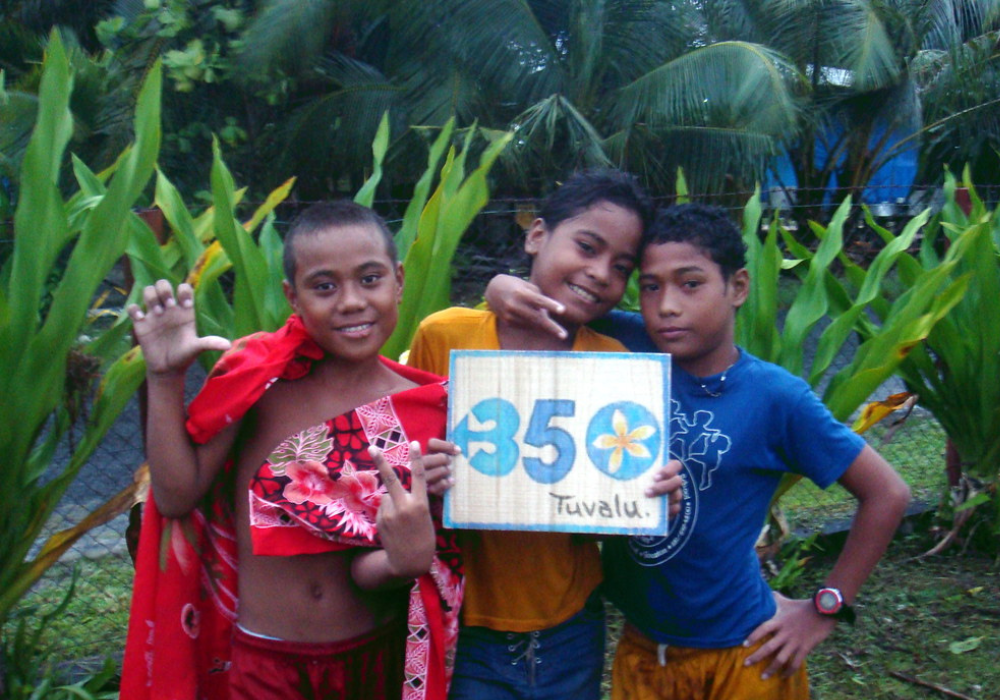
Without urgent climate action, the children of Tuvalu could become the last generation to live on an archipelago that is quickly going underwater. Kids growing up there are learning traditional fishing and navigation skills that might become obsolete within their lifetimes. Their culture and language could disappear along with their islands.
The psychological burden on Tuvaluan children is immense – they’re growing up knowing their homeland might not exist when they’re adults. Schools are teaching both traditional culture and skills needed for potential relocation to other countries. It’s heartbreaking to think that children playing on beaches today might only be able to visit those same spots by scuba diving when they’re older.
6. The Maldives could disappear completely within 80 years
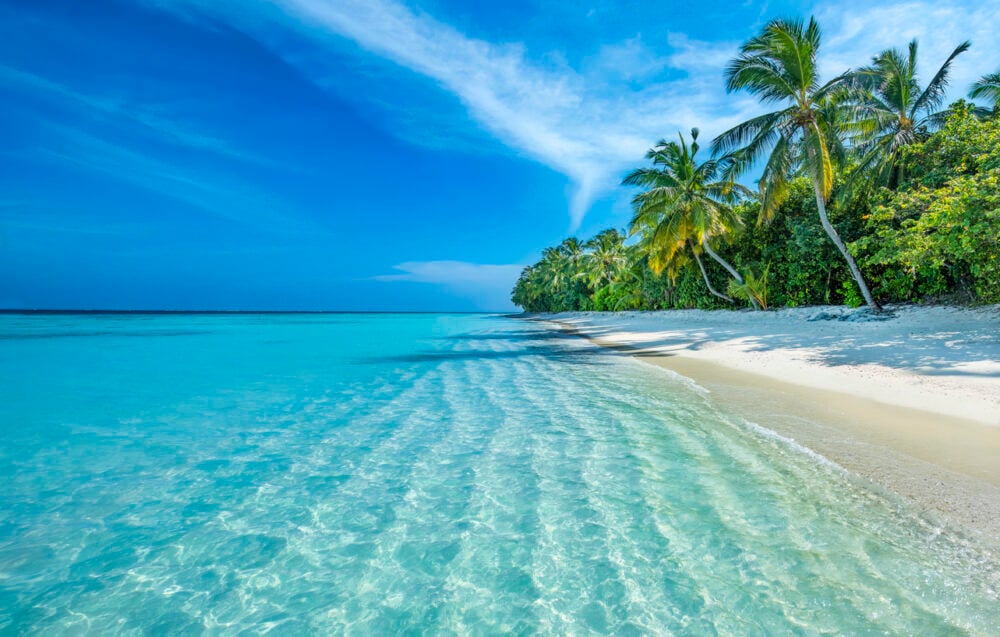
The Maldives sits just 1.5 meters above sea level on average, making it one of the most vulnerable countries on Earth to rising seas. This tropical paradise that attracts millions of tourists could be completely underwater by the end of the century. The irony is that tourism, which depends on flying and contributes to climate change, is the country’s main source of income.
The Maldivian government has already started planning for the worst-case scenario, including building artificial islands and exploring options for relocating the entire population of 540,000 people. President Mohamed Nasheed once held a cabinet meeting underwater to highlight the country’s plight. The nation that defined paradise for many travelers could become the first country to be completely erased by climate change.
7. Small island nations are losing 7% of their economy every year to sea level damage
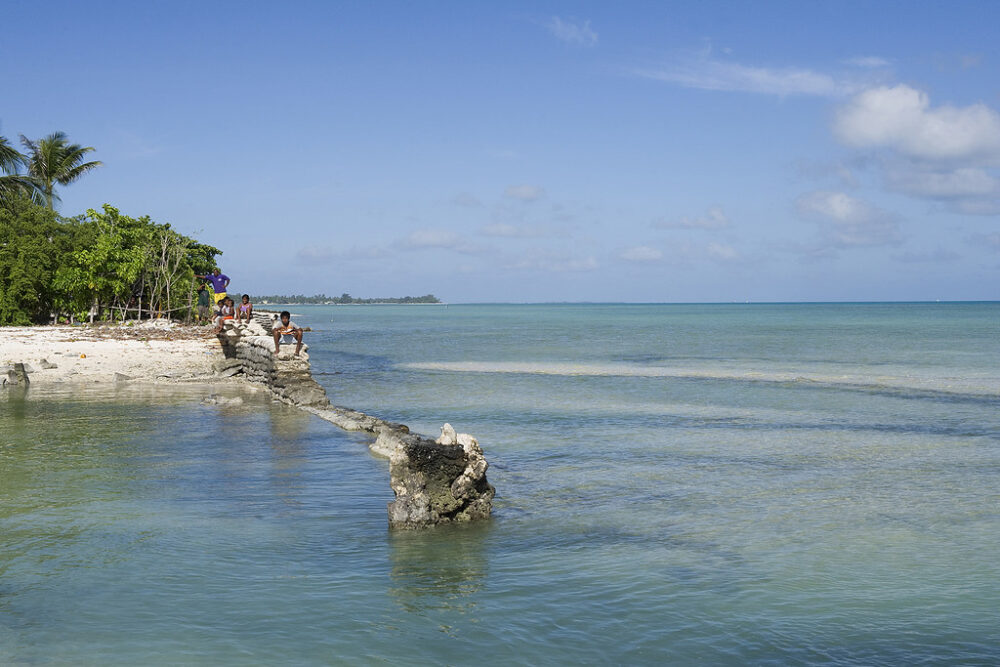
Average annual losses from sea level rise events are already equivalent to seven percent of economic output in Tuvalu and 3-4 percent of output in Marshall Islands and Kiribati. This isn’t just environmental damage – it’s economic devastation that makes it impossible for these countries to develop or improve their infrastructure.
Every hurricane season and king tide event costs these nations millions of dollars in damage to homes, schools, airports, and freshwater systems. The constant cycle of destruction and rebuilding is draining national budgets that could otherwise be spent on education, healthcare, or economic development. These countries are essentially paying a climate tax that gets higher every year until they can’t afford to exist anymore.
8. Saltwater is poisoning the drinking water on entire islands
Rising seas aren’t just flooding land – they’re contaminating the freshwater supplies that island communities depend on for survival. Saltwater intrusion into groundwater aquifers is making wells undrinkable across multiple island nations. Some communities are already dependent on expensive imported bottled water or desalination systems they can’t afford to maintain.
When freshwater becomes contaminated with salt, it affects everything from drinking water to agriculture. Crops can’t grow in salty soil, and people can’t survive without clean water. This contamination is often irreversible, meaning that even if sea levels stopped rising tomorrow, many islands would still struggle to support human life. The saltwater invasion is essentially sterilizing entire islands from the inside out.
9. Pacific island airports are flooding so regularly they might become unusable

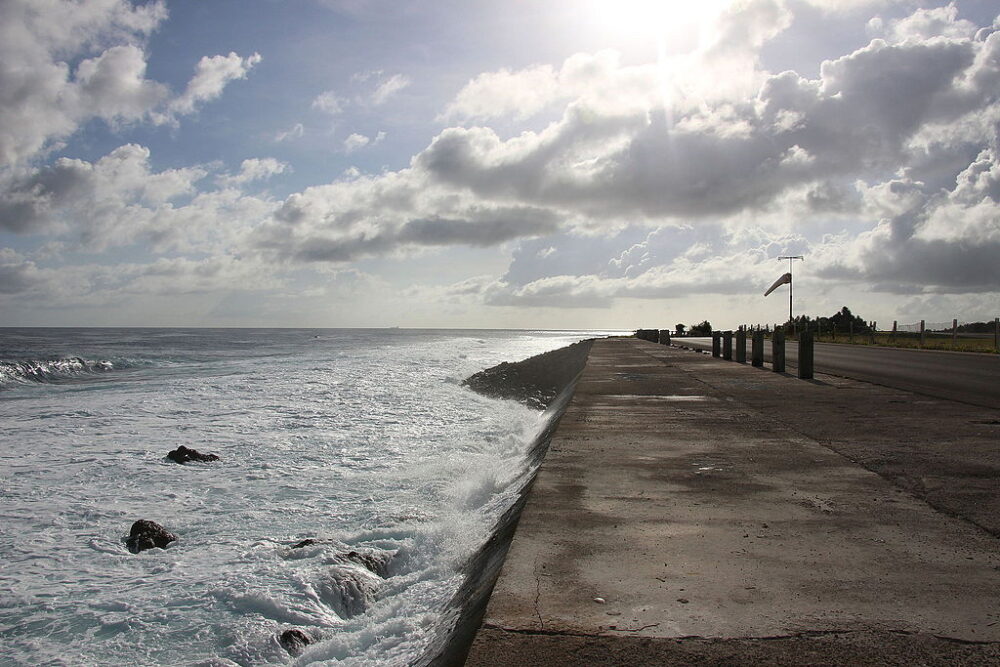
Airports on low-lying islands are getting flooded more frequently during high tides and storms, cutting off these nations from the outside world. When runways are underwater, emergency supplies can’t get in and people can’t get out. Some airports are already requiring expensive engineering solutions just to stay functional for a few more years.
The isolation caused by flooded airports creates life-threatening situations during medical emergencies or natural disasters. If someone needs urgent medical care that’s not available locally, they’re trapped until the airport becomes usable again. These airports represent lifelines for island communities, and their increasing vulnerability to flooding is another step toward making these nations uninhabitable.
10. Entire cultures and languages will vanish when these islands go underwater
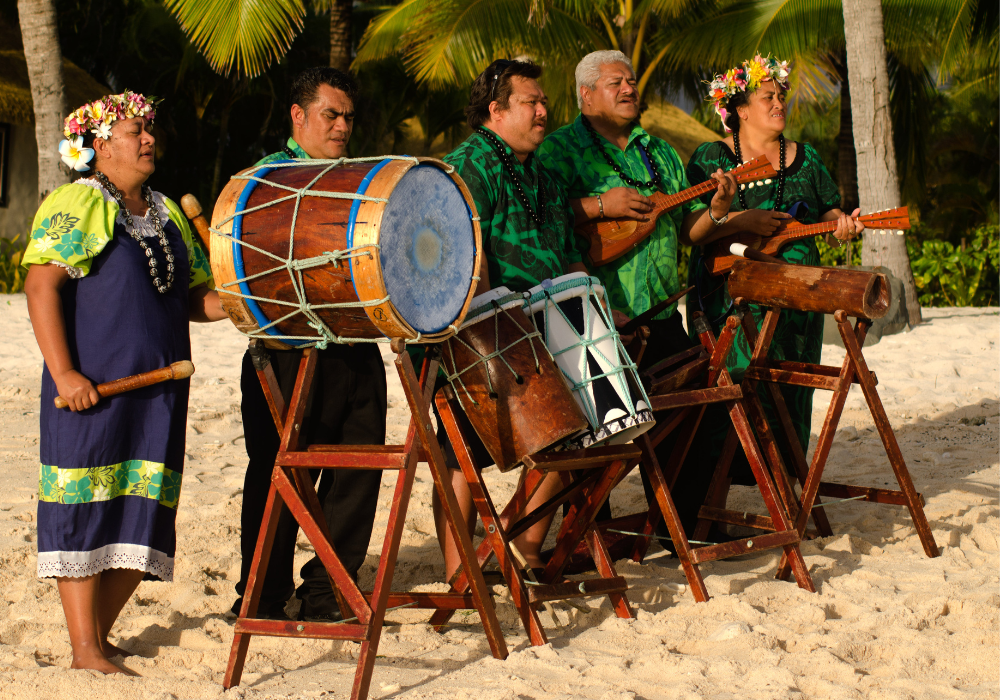
When island nations disappear, they take unique cultures, languages, and traditional knowledge with them. Many Pacific island languages are only spoken by a few thousand people, and these linguistic treasures will be lost forever when their speakers are forced to relocate. Traditional navigation techniques, fishing methods, and cultural practices developed over thousands of years are at risk of extinction.
The cultural loss extends beyond language to traditional governance systems, religious practices, and ways of life that are intimately connected to specific islands and ocean environments. When people relocate to other countries, maintaining their cultural identity becomes incredibly difficult, especially for younger generations who grow up in foreign lands. We’re witnessing the potential extinction of entire civilizations, not just the physical disappearance of land.