
These rewilding projects are giving endangered animals a lifeline and a home.
Rewilding is no longer just an ambitious conservation concept—it’s a global movement reshaping how we think about wildlife. Across continents, scientists, activists, and communities are working to reintroduce animals once driven out by hunting, development, or habitat destruction. These projects don’t just aim to restore species—they strive to rebuild entire ecosystems by letting nature reclaim its balance.
From apex predators to wild grazers, the return of these animals is reviving biodiversity, repairing landscapes, and giving us a glimpse of what the wild once was—and could be again.
1. Wolves returned to Yellowstone—and reshaped the entire ecosystem.
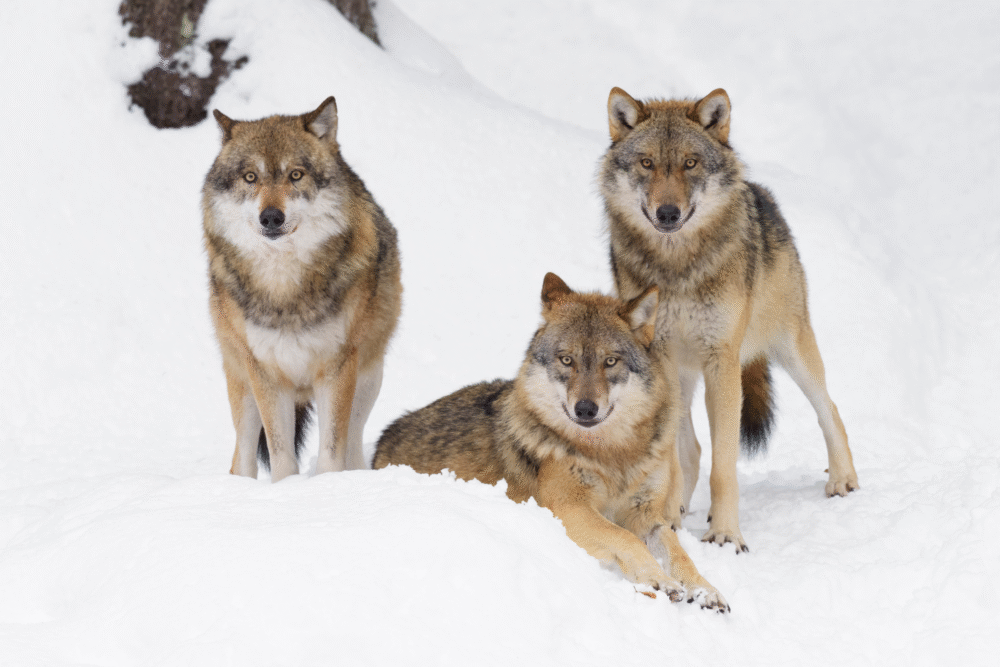
In 1995, gray wolves were reintroduced to Yellowstone National Park after being eradicated for decades. What happened next became one of the most powerful examples of trophic cascade: the wolves didn’t just restore predator-prey balance—they transformed the entire landscape. Elk herds, once unchecked, began avoiding overgrazing near rivers.
This allowed vegetation to rebound, stabilizing banks and attracting birds and beavers. Even the flow of streams changed. The wolf reintroduction proved how a single species could revive a whole ecosystem, and it inspired rewilding efforts around the globe. It’s now considered a landmark success story in modern conservation.
2. European bison are roaming wild again in forests of Romania and Poland.
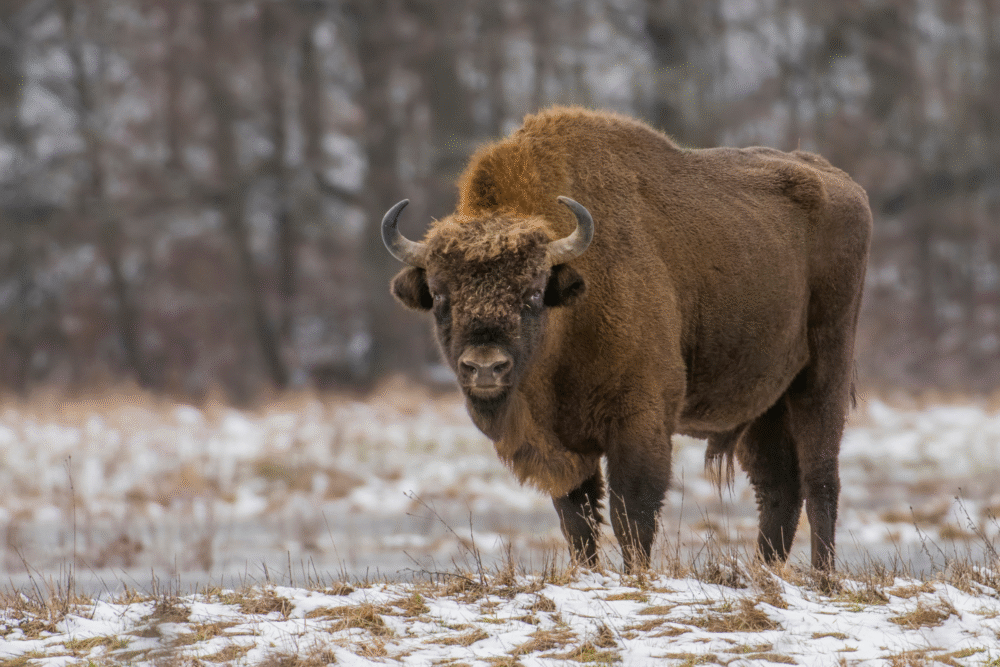
Once extinct in the wild, European bison—Europe’s heaviest land animal—are now thriving in pockets of the Carpathian Mountains thanks to rewilding projects by groups like Rewilding Europe. These gentle giants help maintain biodiversity by grazing, trampling vegetation, and creating open clearings that support many plant and insect species.
Carefully reintroduced from captive populations, the bison now roam freely across vast protected landscapes. Their success offers hope for the revival of other lost species and has energized ecotourism and rural economies in the region. It’s a comeback that seemed impossible a century ago—but is now very real.
3. Iberian lynx populations are rebounding after near extinction.
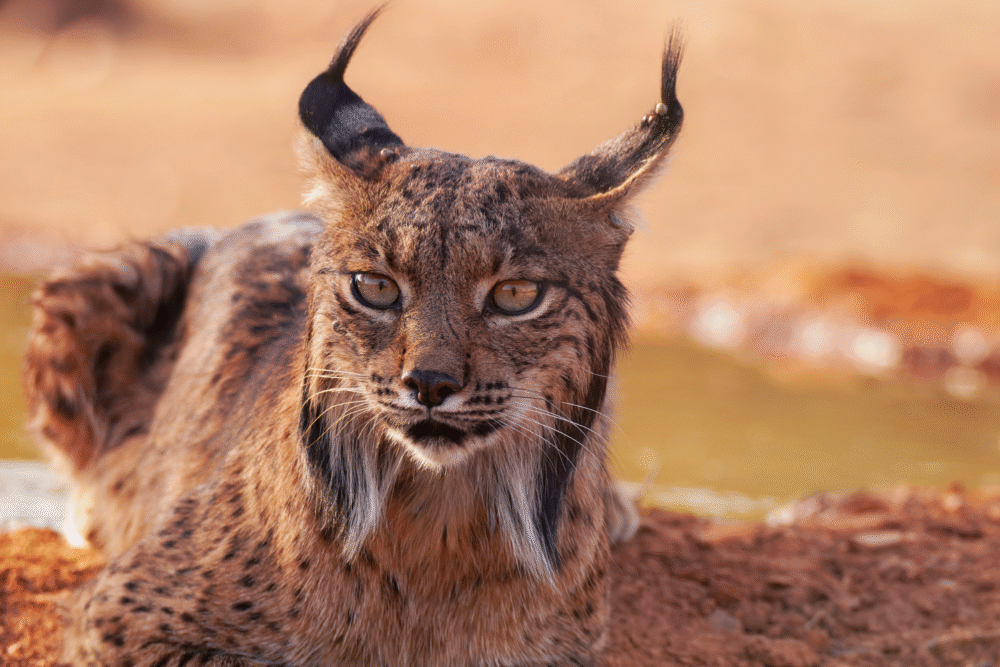
The Iberian lynx, once the most endangered wild cat in the world, faced extinction with only a few dozen individuals left in the early 2000s. Through targeted rewilding efforts—including captive breeding, habitat restoration, and prey population boosts—Spain and Portugal have brought their numbers back into the hundreds.
Rewilding projects focused on reintroducing lynxes to safe, connected areas have transformed their fate. These elusive predators help control rabbit populations and reestablish a natural predator-prey balance. What was nearly lost forever is now a symbol of how strategic intervention and long-term planning can reverse even the most dire declines.
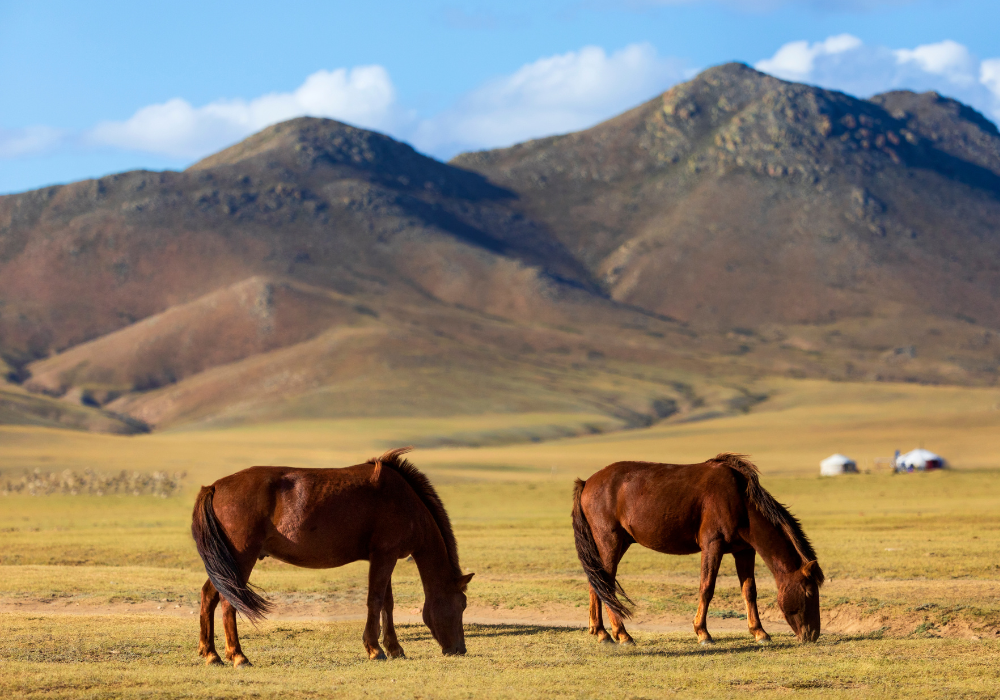
4. Wild horses are reclaiming the steppes of Mongolia.

In Mongolia, the Przewalski’s horse—a wild, undomesticated species once extinct in the wild—is galloping free again thanks to decades of rewilding efforts. Captive populations were nurtured in zoos, then carefully reintroduced into protected areas like the Hustai National Park. These rugged, stocky horses are uniquely adapted to Mongolia’s harsh steppe climate.
Their return is more than symbolic—it plays a crucial ecological role in grassland maintenance through grazing, which prevents overgrowth and maintains habitat for other native species. Watching these horses roam where they once vanished is a powerful reminder of what conservation persistence can achieve.
5. Jaguars are being reintroduced to Argentina’s Iberá Wetlands.
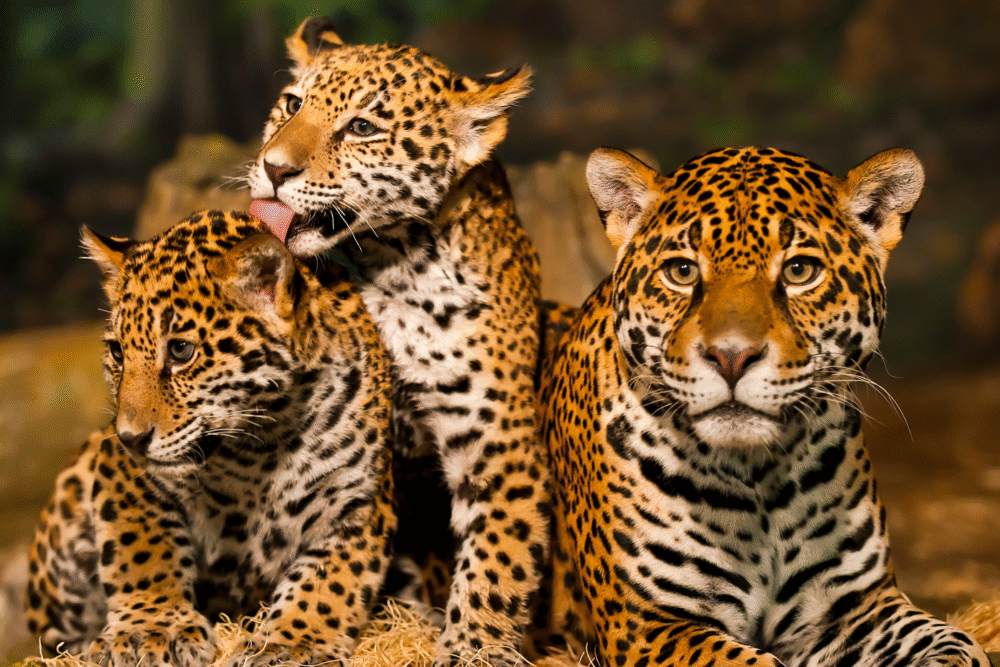
Jaguars once roamed across much of South America, but habitat destruction and hunting drove them out of large regions—especially Argentina. Now, rewilding teams in the Iberá Wetlands have successfully reintroduced these apex predators using individuals raised in semi-wild conditions.
Jaguars help regulate prey species like capybaras and armadillos, which supports ecological balance. Their return is also revitalizing local culture and ecotourism, offering communities sustainable income sources. The project marks the first jaguar rewilding effort in the country and stands as a hopeful sign that even big cats can come home—with the right planning and protection.
6. Beavers are building wetlands again in the UK.
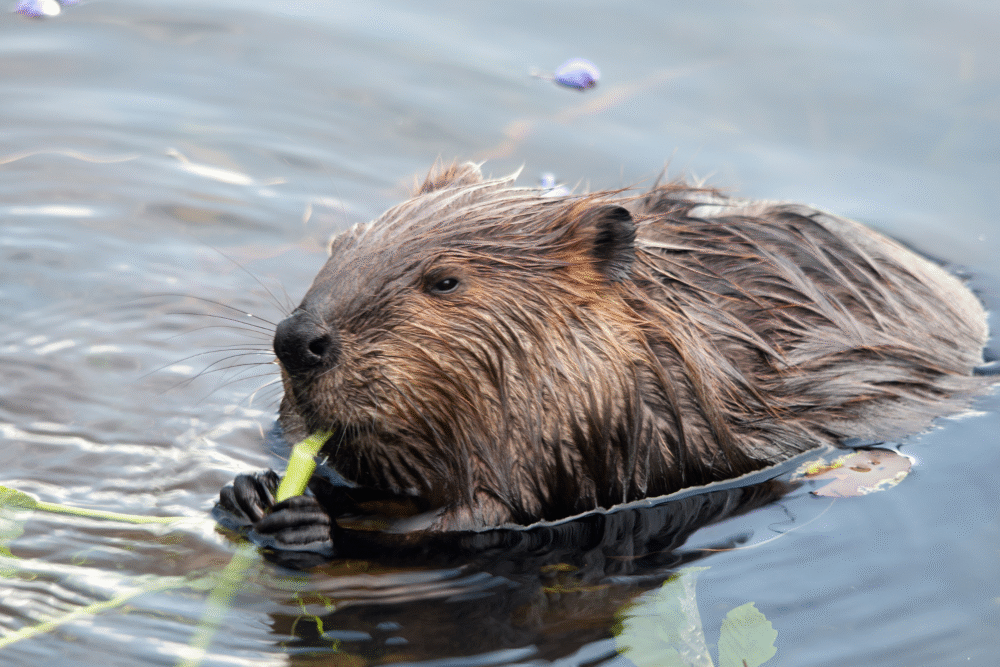
Once hunted to extinction in Britain, beavers have been making a slow but determined comeback through rewilding initiatives across Scotland and England. These “ecosystem engineers” create wetlands by damming streams, which improves water quality, reduces flooding, and supports a vast array of wildlife. Projects like the River Otter Beaver Trial have shown how their presence benefits both nature and nearby human communities.
Though controversial in farming regions, growing public support is turning beaver rewilding into one of the UK’s most successful animal restoration stories. Where beavers go, life follows—literally reshaping the land for generations.
7. African lions are being rewilded into protected areas in Rwanda and Malawi.

Rewilding Africa’s top predator has taken courage and coordination. In Rwanda’s Akagera National Park and Malawi’s Liwonde and Majete parks, conservationists have relocated lions from other regions to repopulate areas where they’d been wiped out by poaching and human conflict.
These new populations are carefully monitored, and community education is helping prevent retaliation or conflict. Restoring lions helps control herbivore populations and revive tourism-based economies. As apex predators, their presence signifies a functioning ecosystem—and a return of balance to places long silenced by human encroachment. The roar of the lion is echoing again, thanks to bold rewilding.
8. Sea otters are reclaiming kelp forests along the Pacific Coast.

Sea otters, nearly hunted to extinction for their fur, are making a comeback thanks to reintroduction programs along the coasts of California and British Columbia. These marine mammals are key to the health of kelp forests: they prey on sea urchins, which would otherwise overgraze the kelp and collapse the ecosystem.
Where sea otters return, kelp flourishes—supporting biodiversity and even helping absorb carbon. Coastal communities are now recognizing the ecological and economic value of these charismatic creatures. Their resurgence proves that ocean rewilding isn’t just possible—it’s essential for marine resilience in a warming world.
9. Brown bears are returning to Italy’s Apennine Mountains.
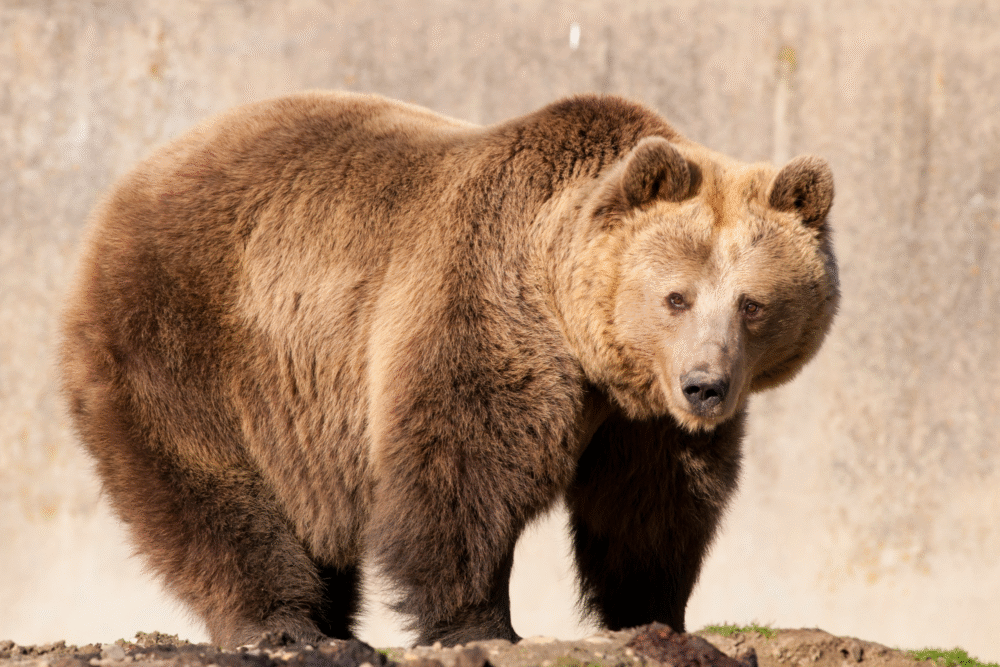
Once confined to small, isolated ranges, brown bears are now roaming more freely in parts of central Italy thanks to rewilding efforts and protected corridors. Conservation groups have worked to reduce poaching, educate the public, and minimize human-bear conflict. The bears’ return to traditional territories in the Apennines is slowly restoring natural processes and biodiversity.
These omnivores play important ecological roles—dispersing seeds, recycling nutrients, and influencing prey populations. Their reappearance also holds cultural and symbolic power, reconnecting modern communities with the ancient wilderness that shaped their lands. Italy’s wild side is stirring once more.
10. Saiga antelope are rebounding in Central Asia’s steppes.
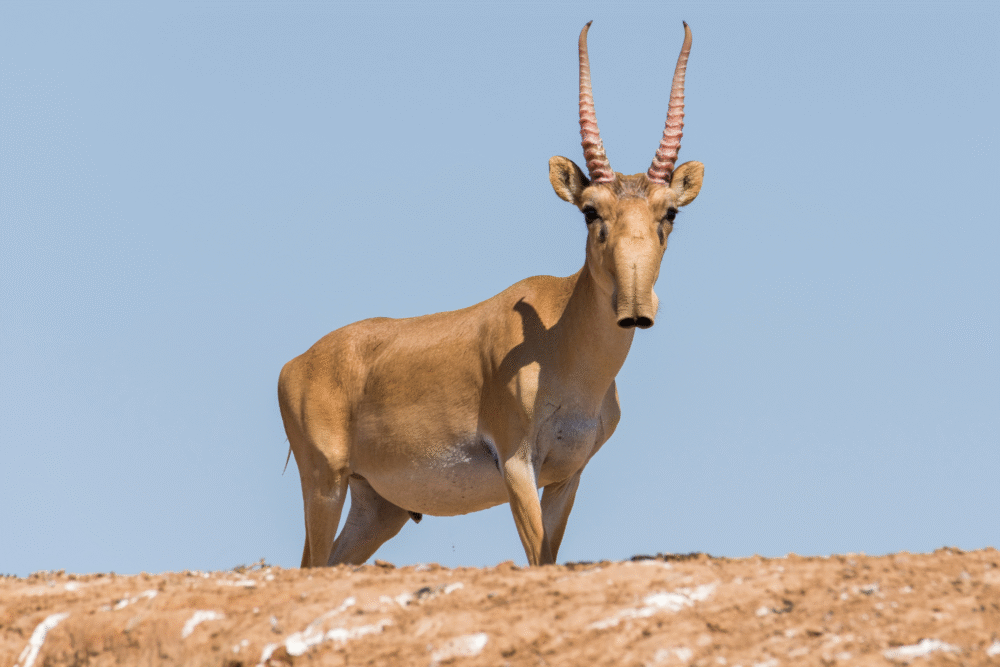
The saiga antelope—with its unmistakable bulbous nose—is one of the most unique animals of the Eurasian steppes. After massive population crashes due to disease and poaching, rewilding and anti-poaching campaigns in Kazakhstan and Mongolia are helping bring these bizarre-looking antelope back.
Saiga roam vast distances, shaping vegetation patterns and serving as prey for wolves and other carnivores. Their comeback is a critical part of steppe restoration and biodiversity preservation. With stronger protections and habitat connectivity, saiga are showing the power of community-supported conservation—even in remote regions where wildlife seemed permanently lost.
11. Condors are flying again over the American West.
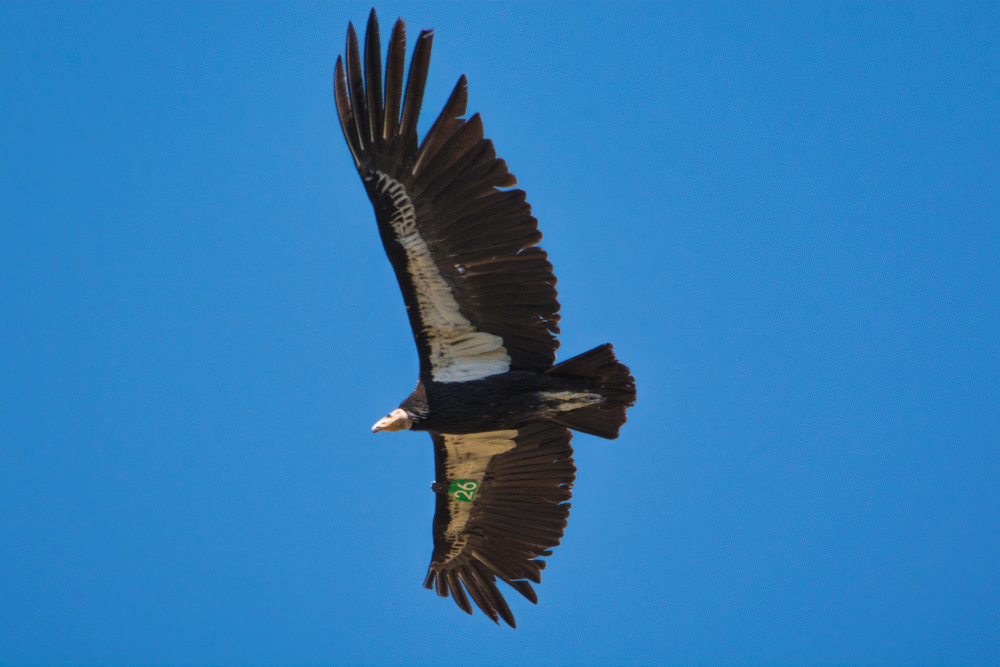
The California condor, North America’s largest bird, was once down to just 27 individuals. But a daring captive-breeding and reintroduction program has slowly rebuilt its population. Today, condors can be seen soaring over Arizona, Utah, and California’s Big Sur coast. These scavengers play a vital ecological role by cleaning up carrion, which prevents disease spread.
Reintroducing them has required decades of patient work—managing lead poisoning, ensuring safe nesting, and educating the public. Every wild-born chick is a milestone. Their return is a testament to how persistence, science, and public will can give even the rarest species a second chance.